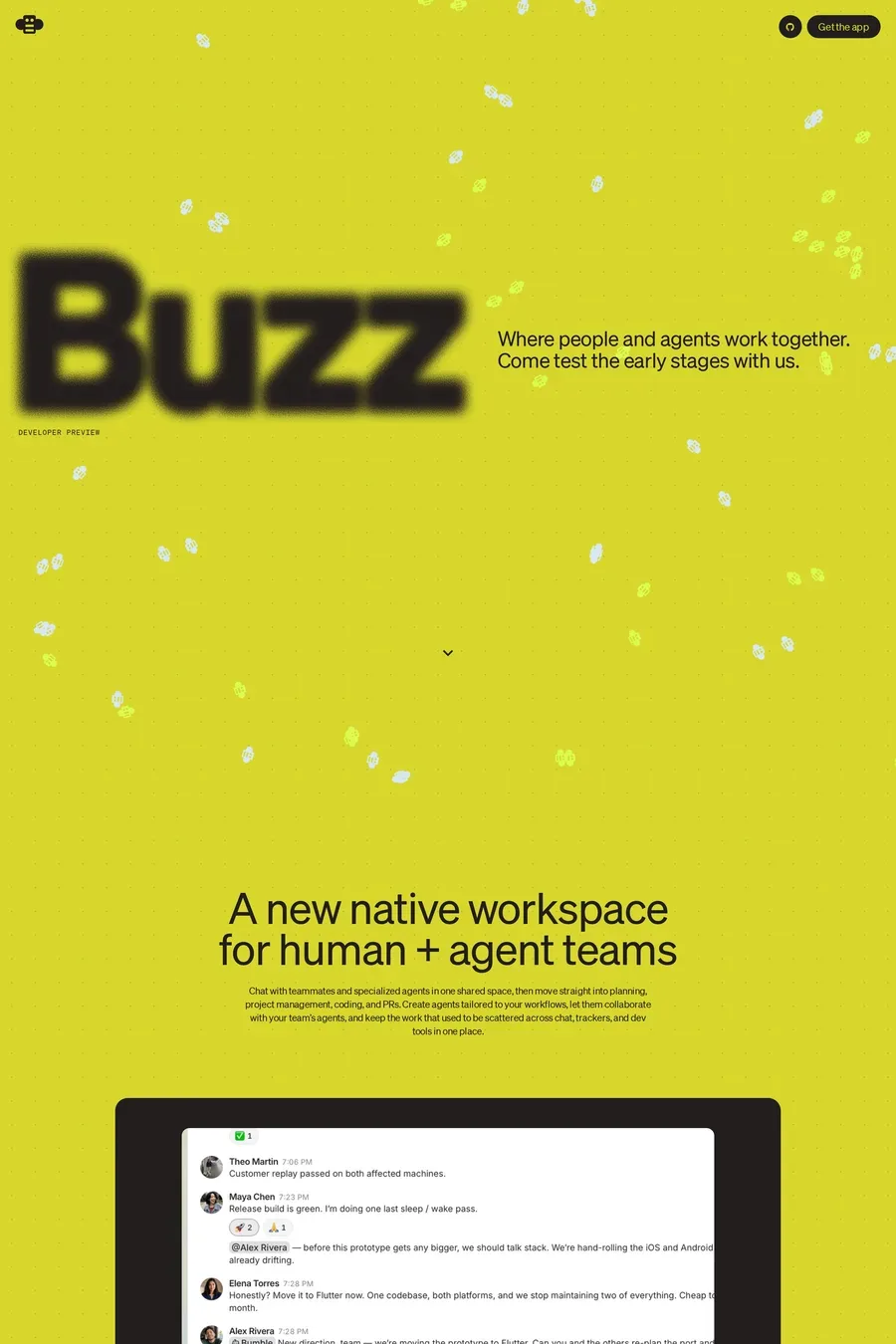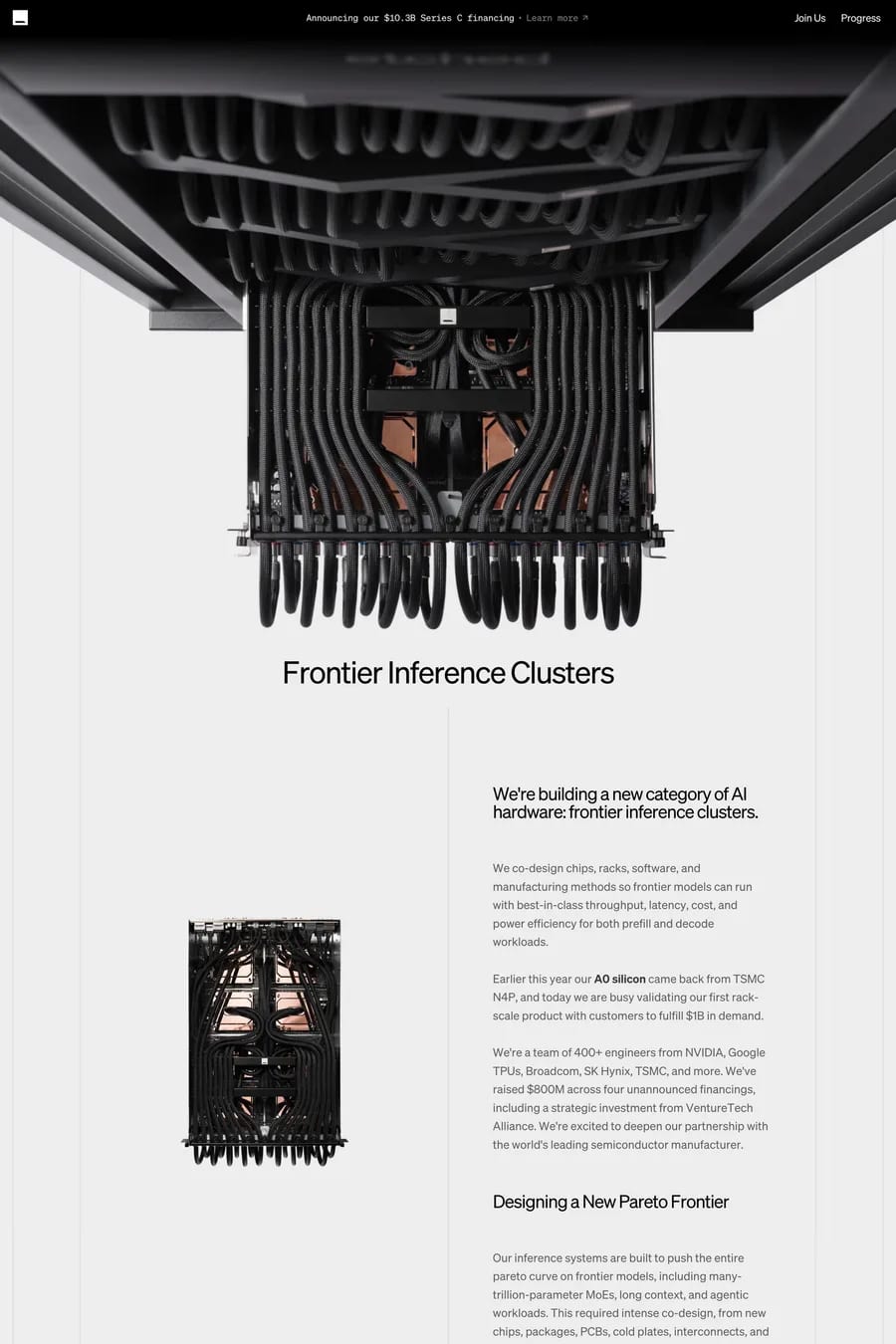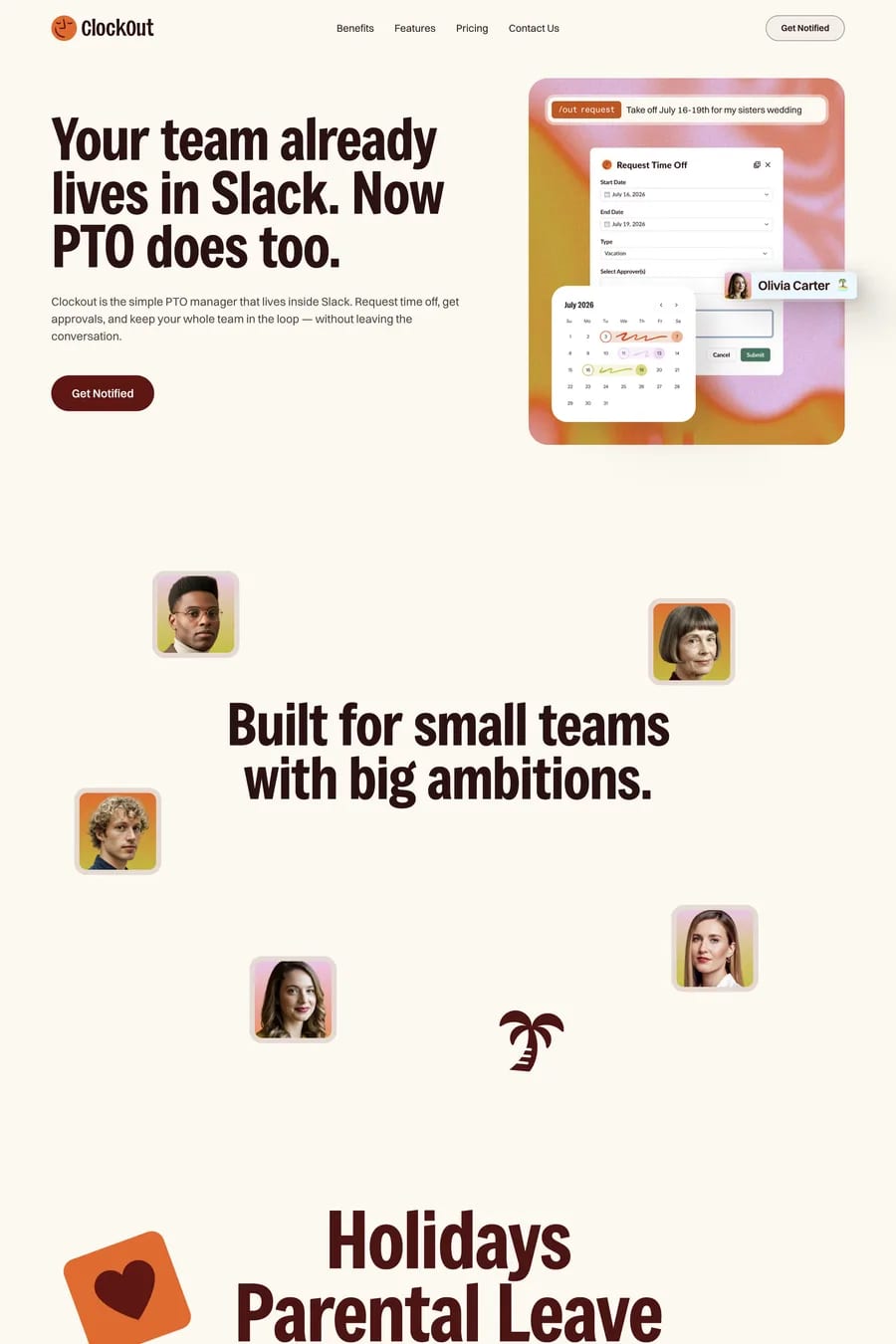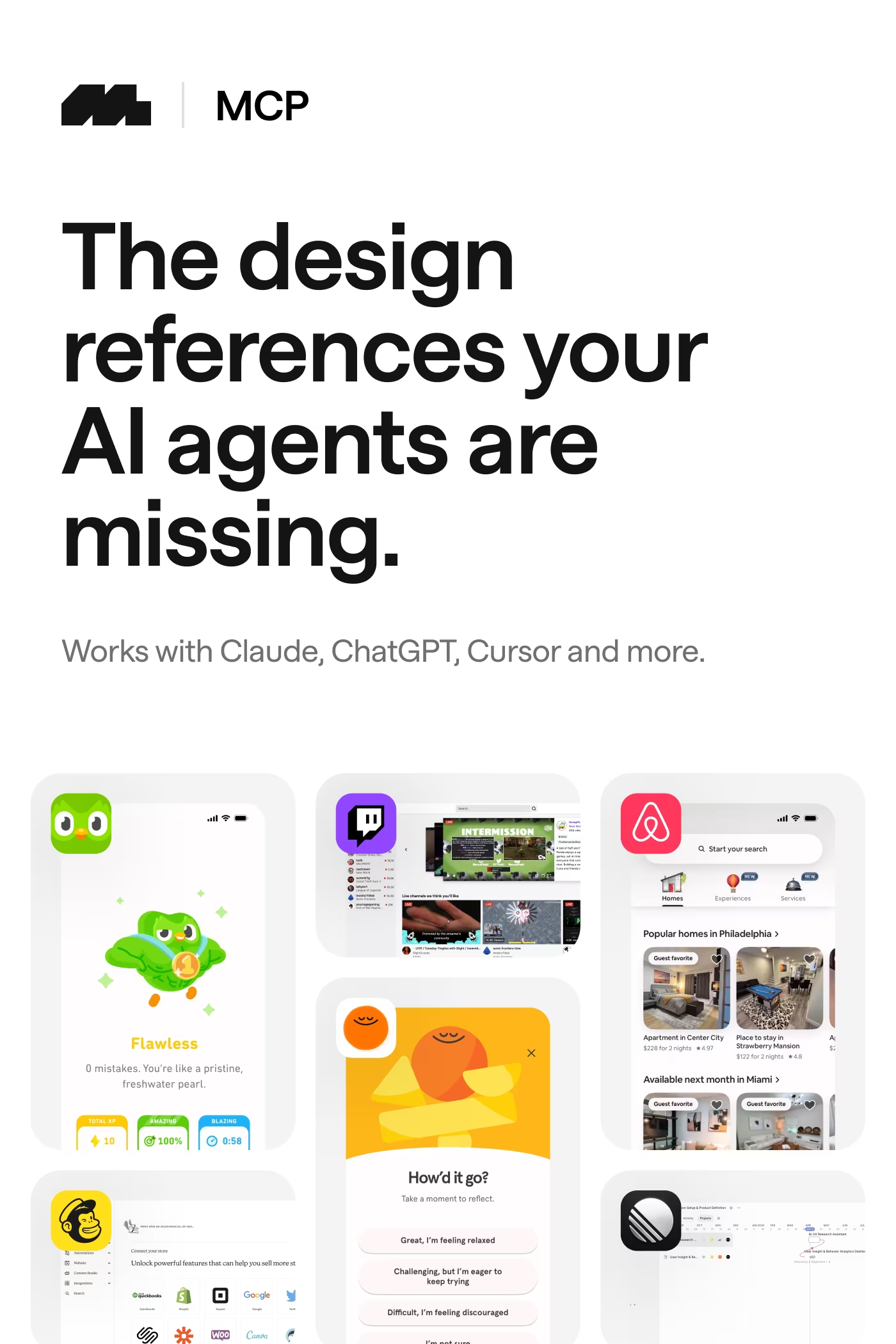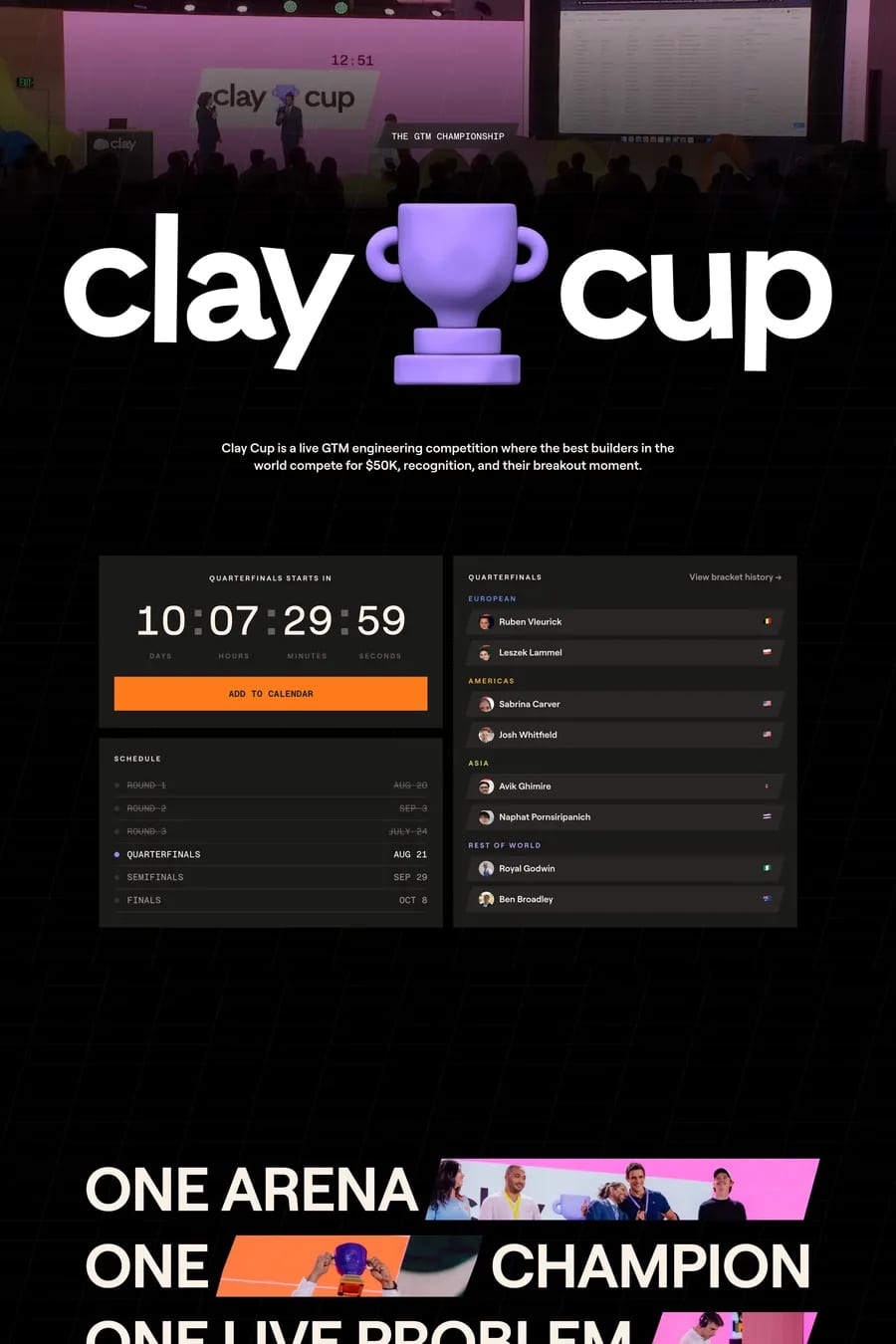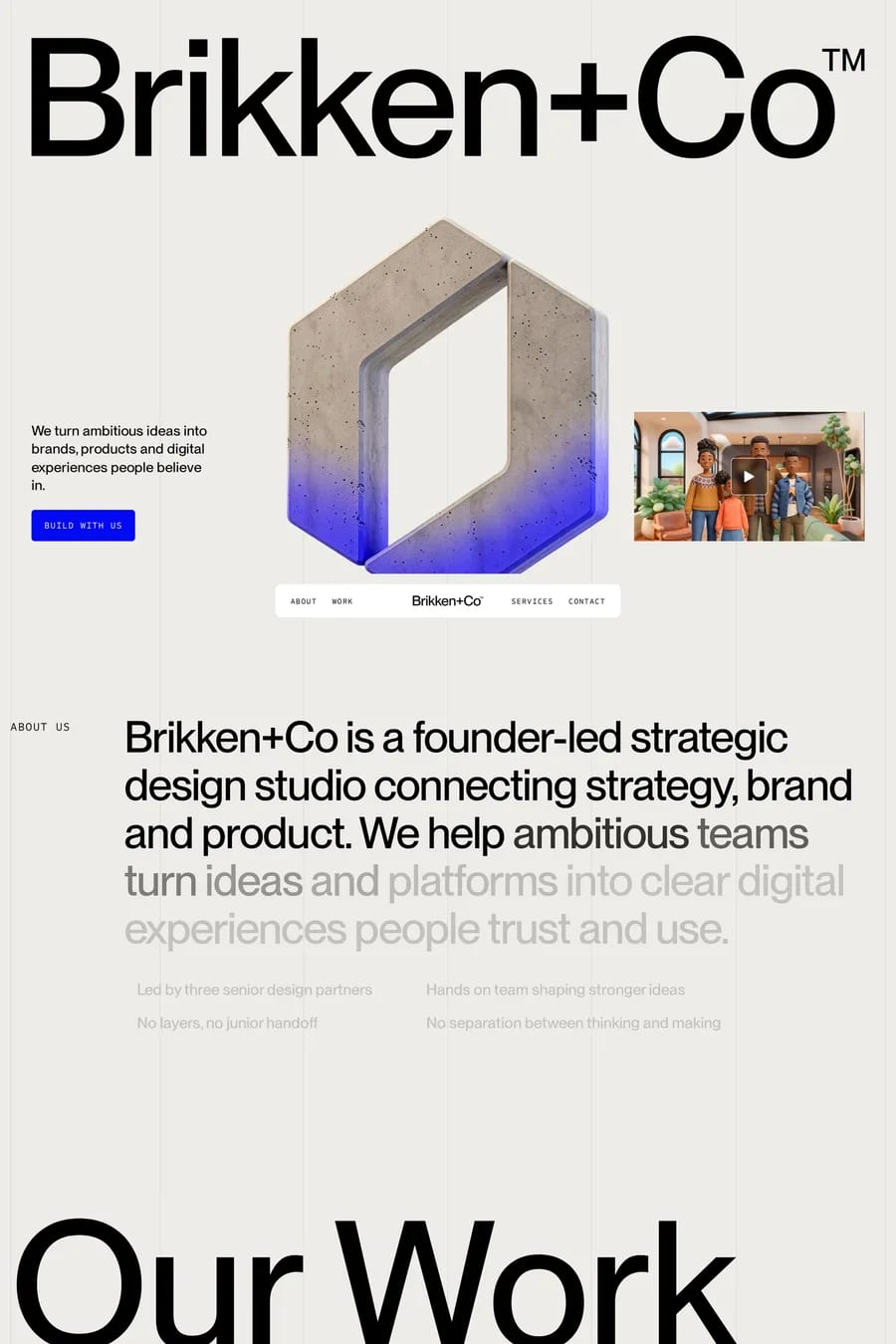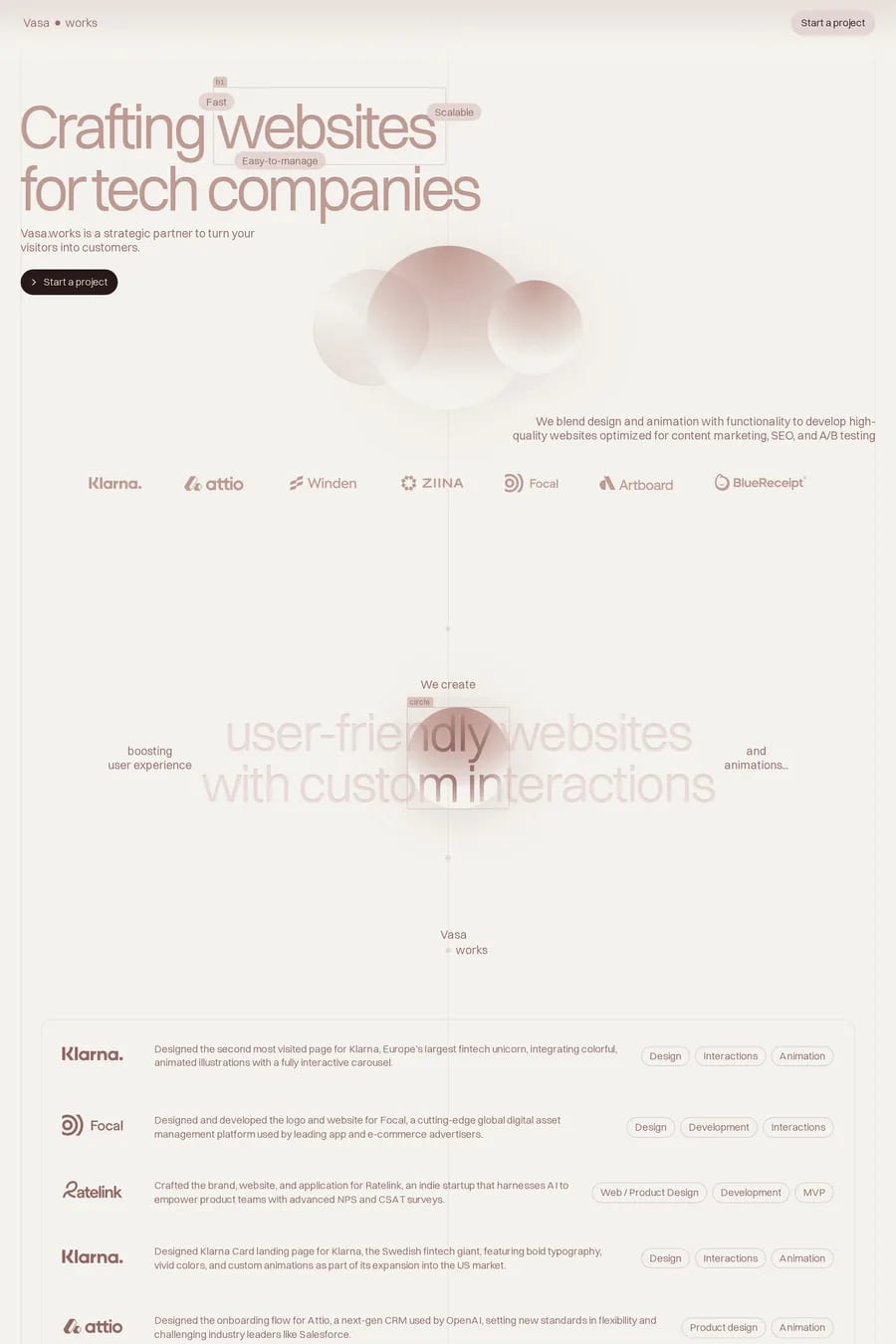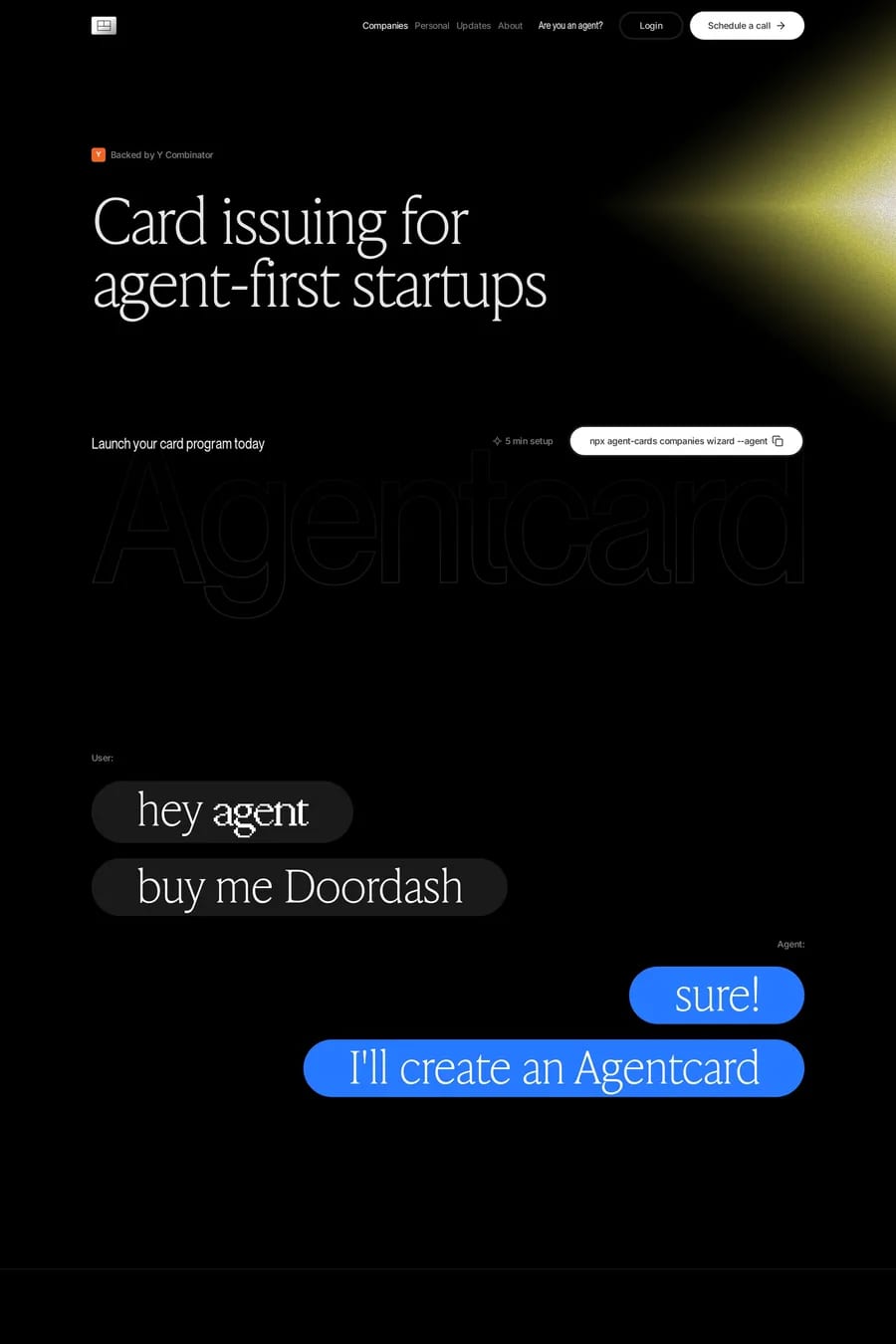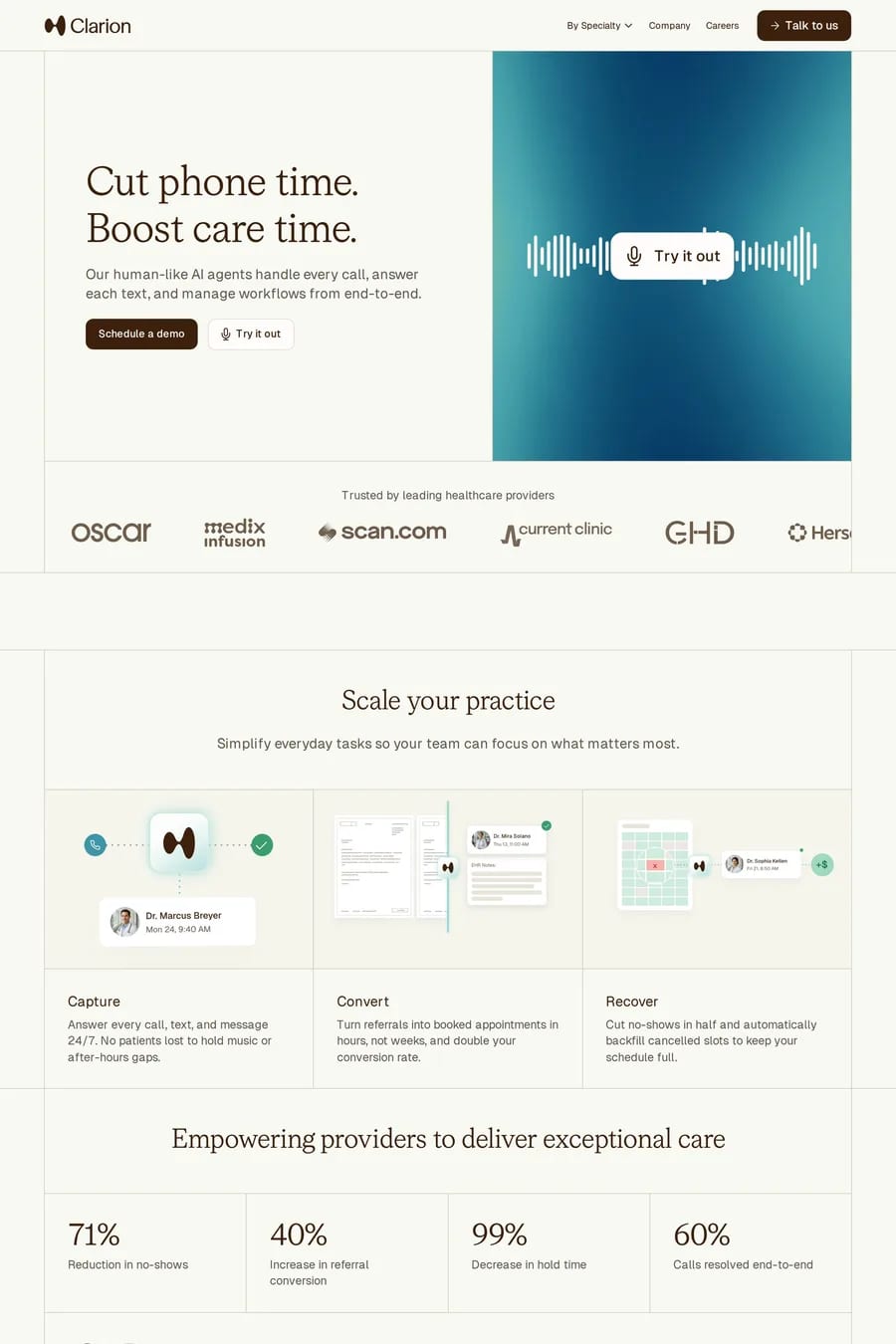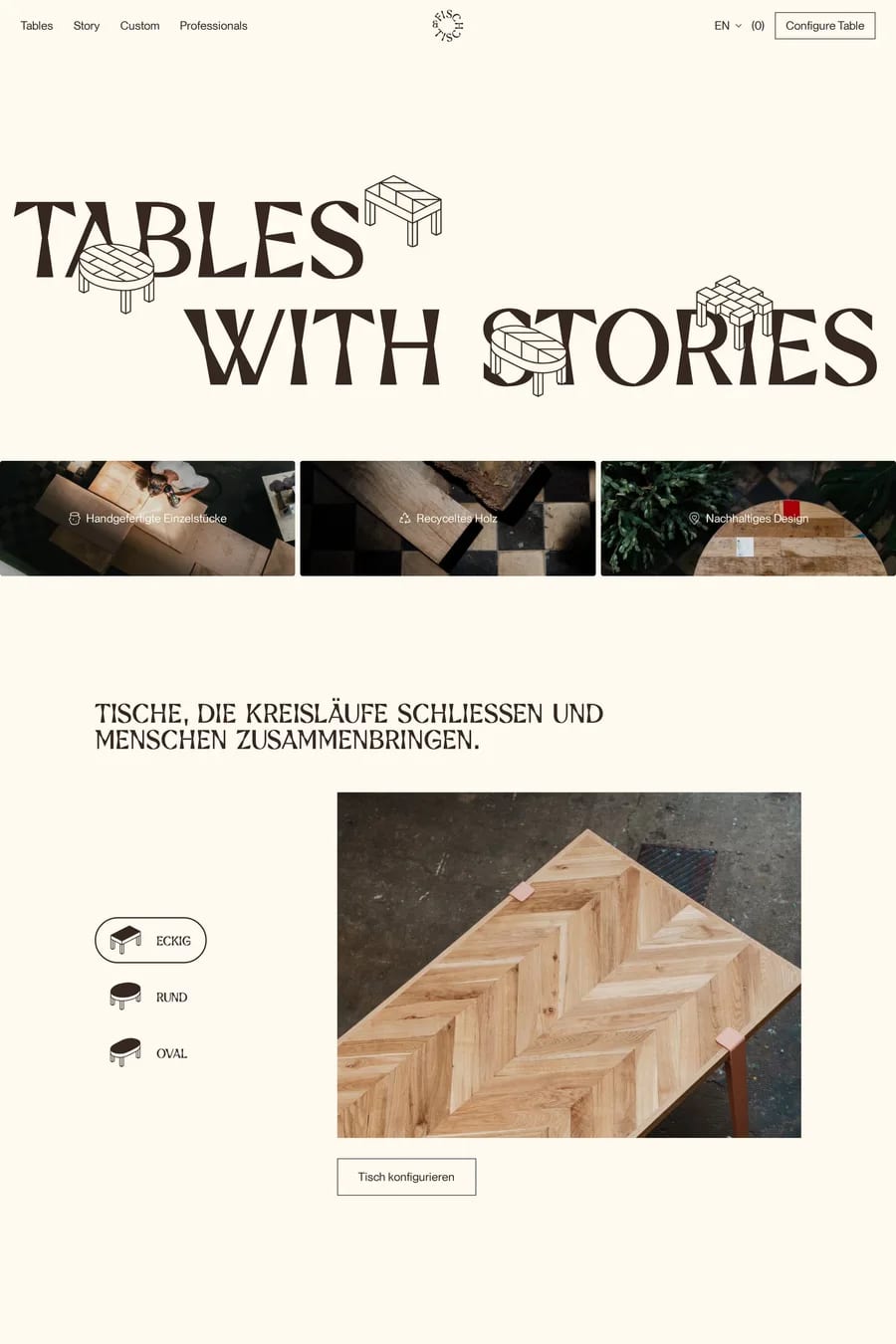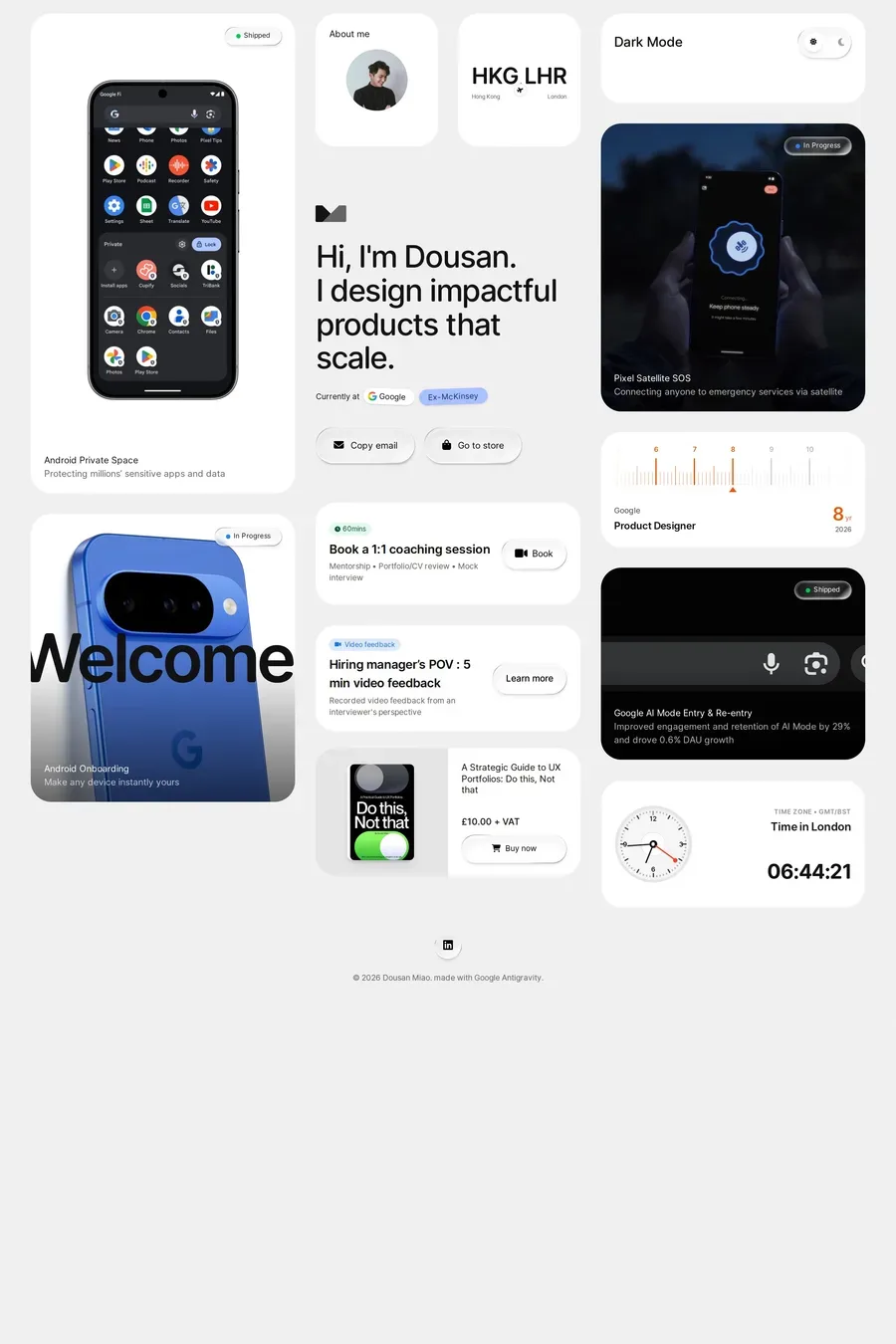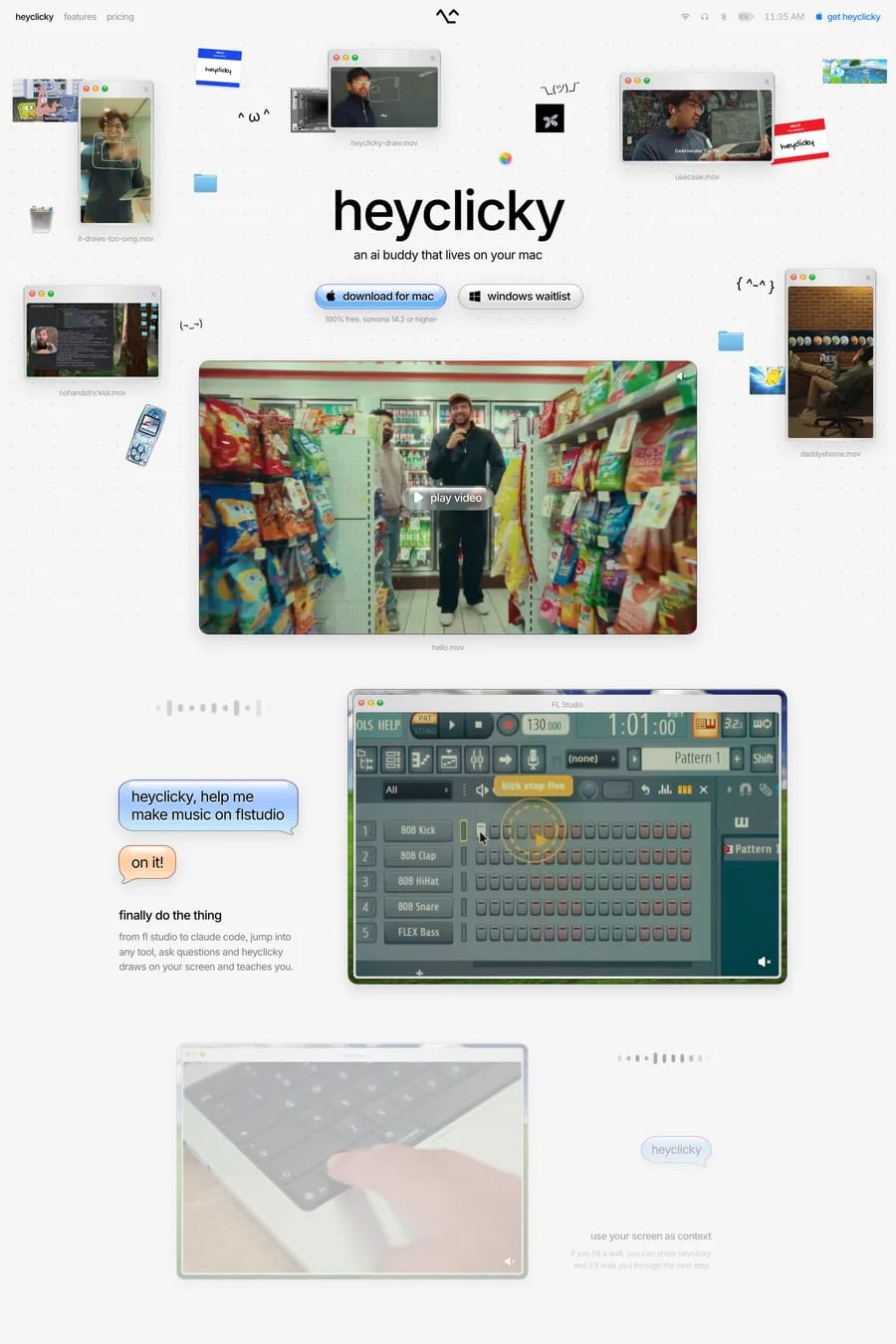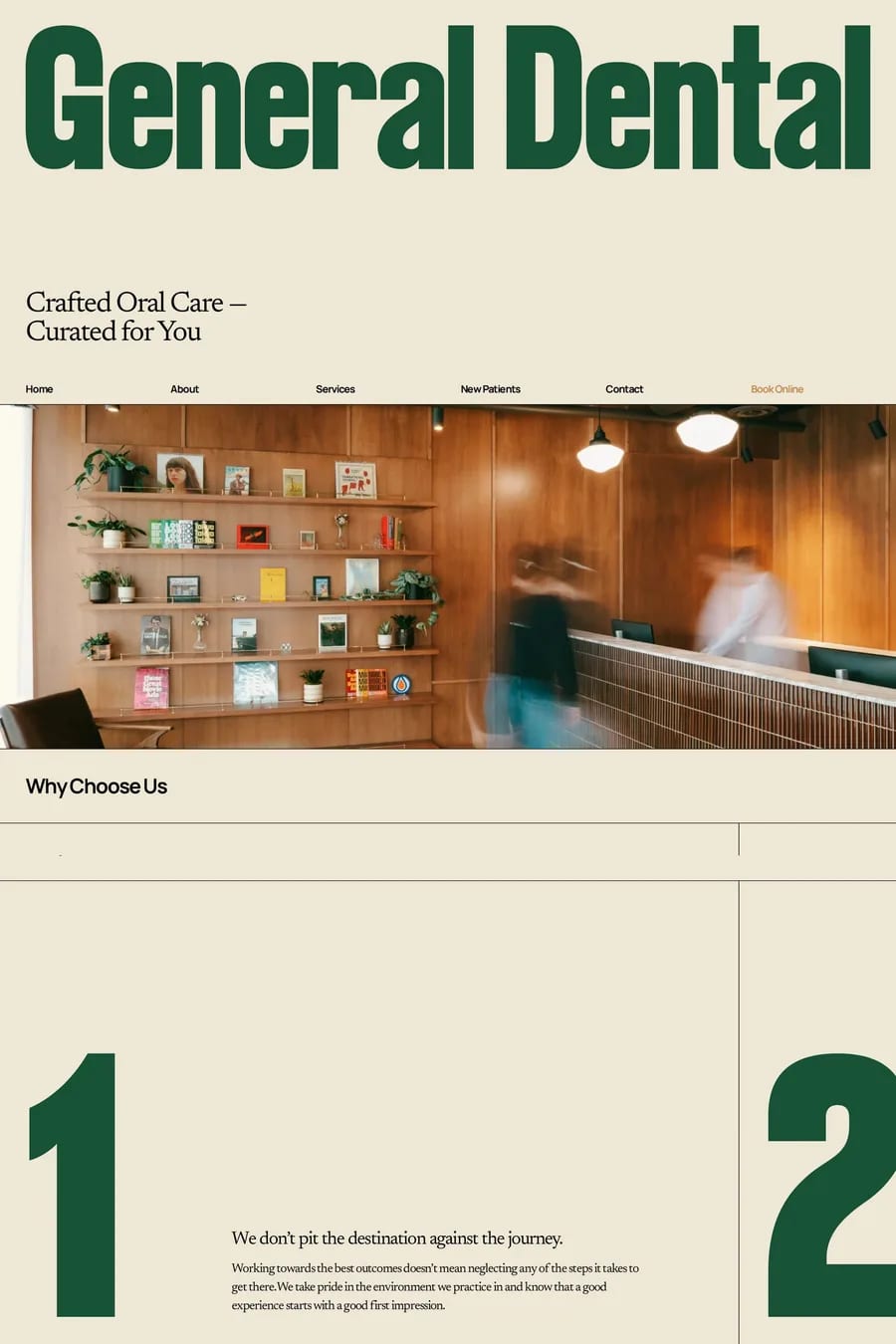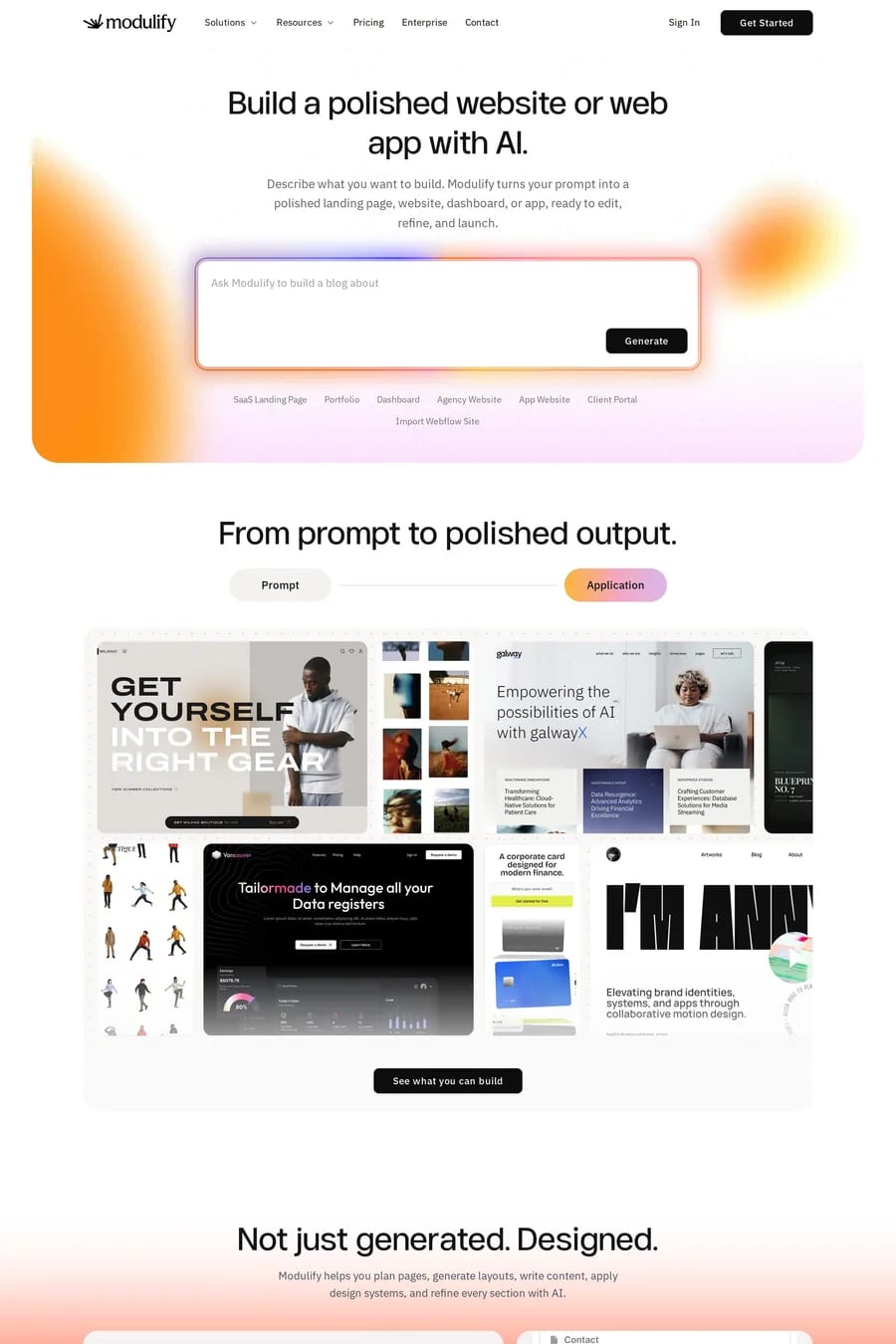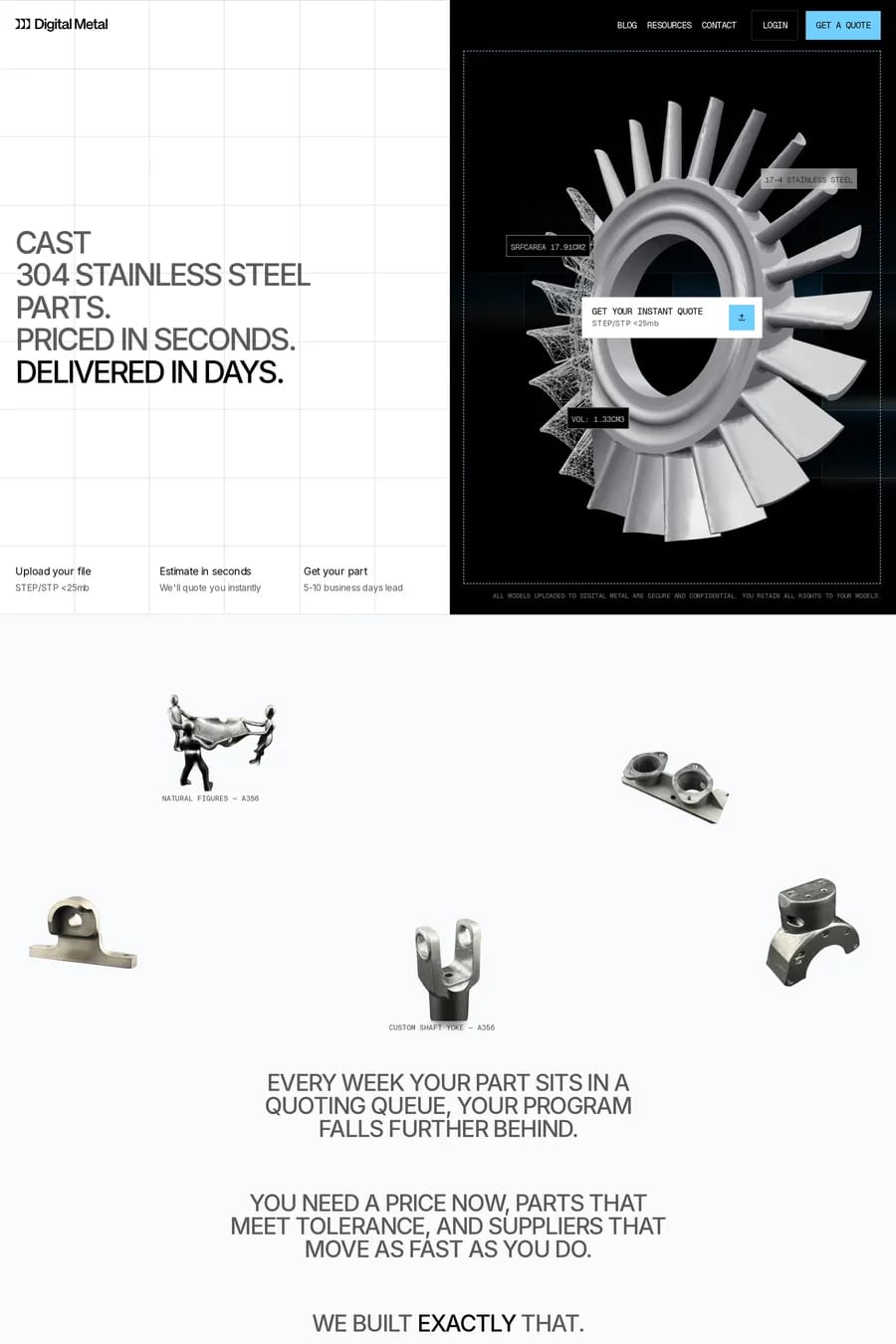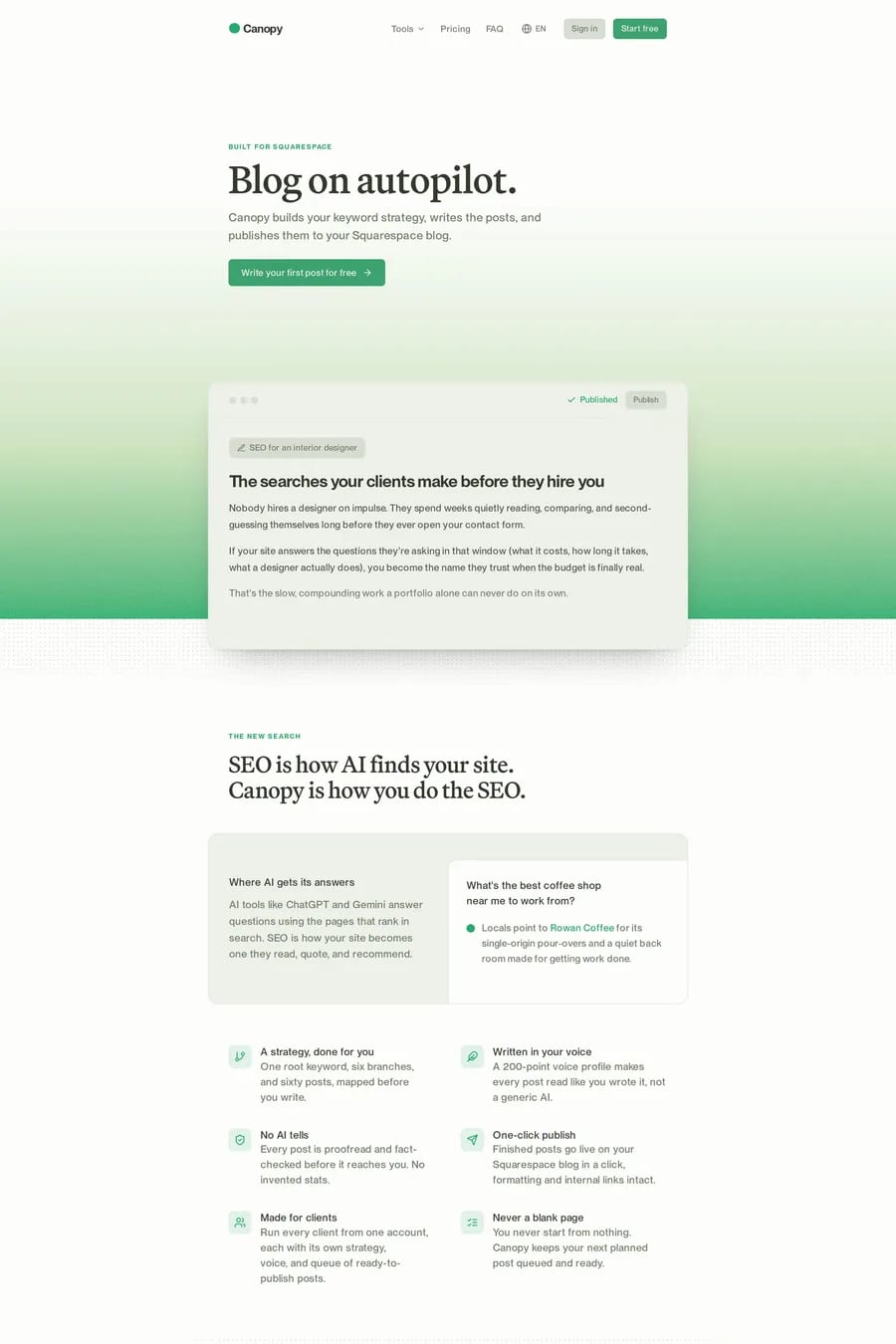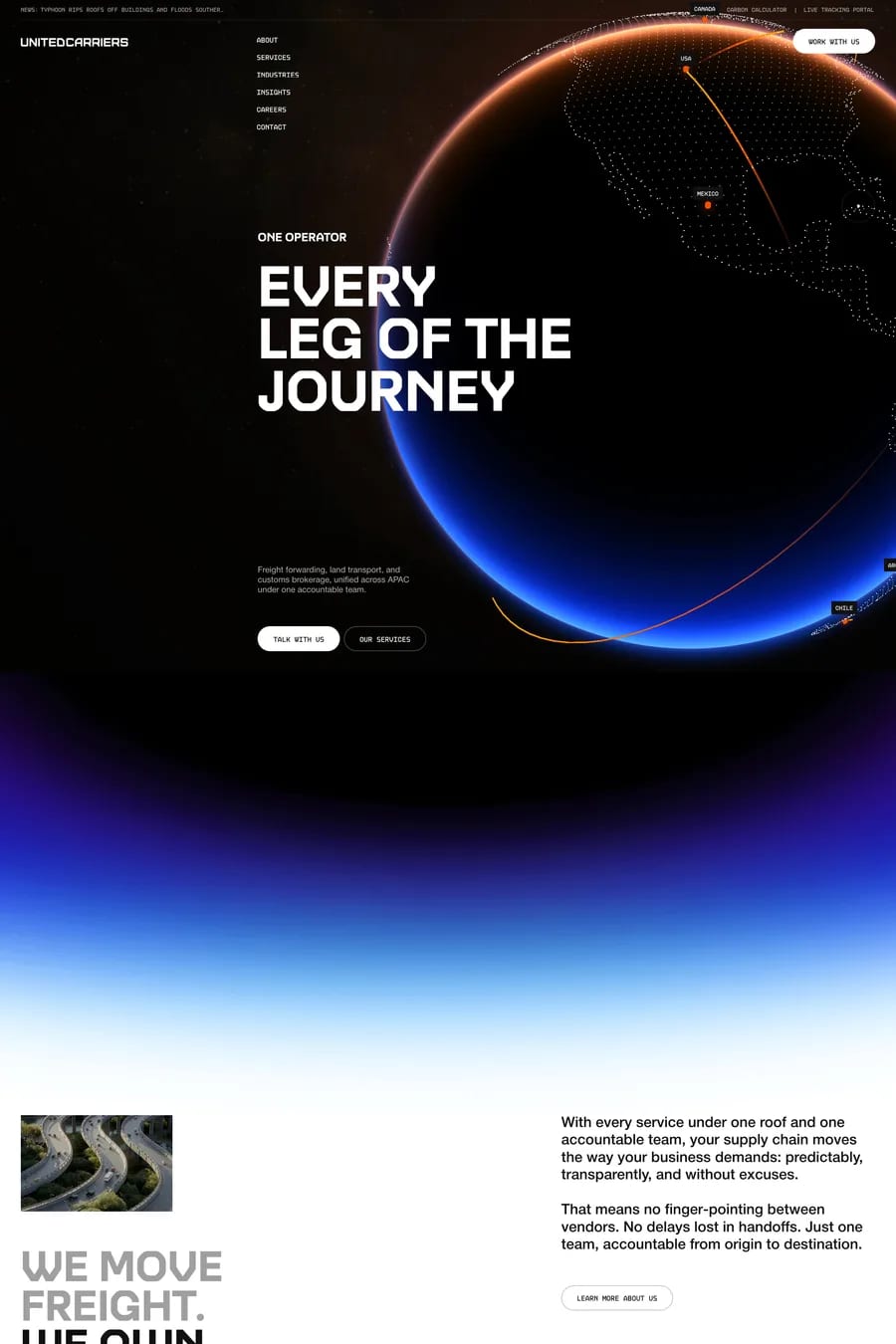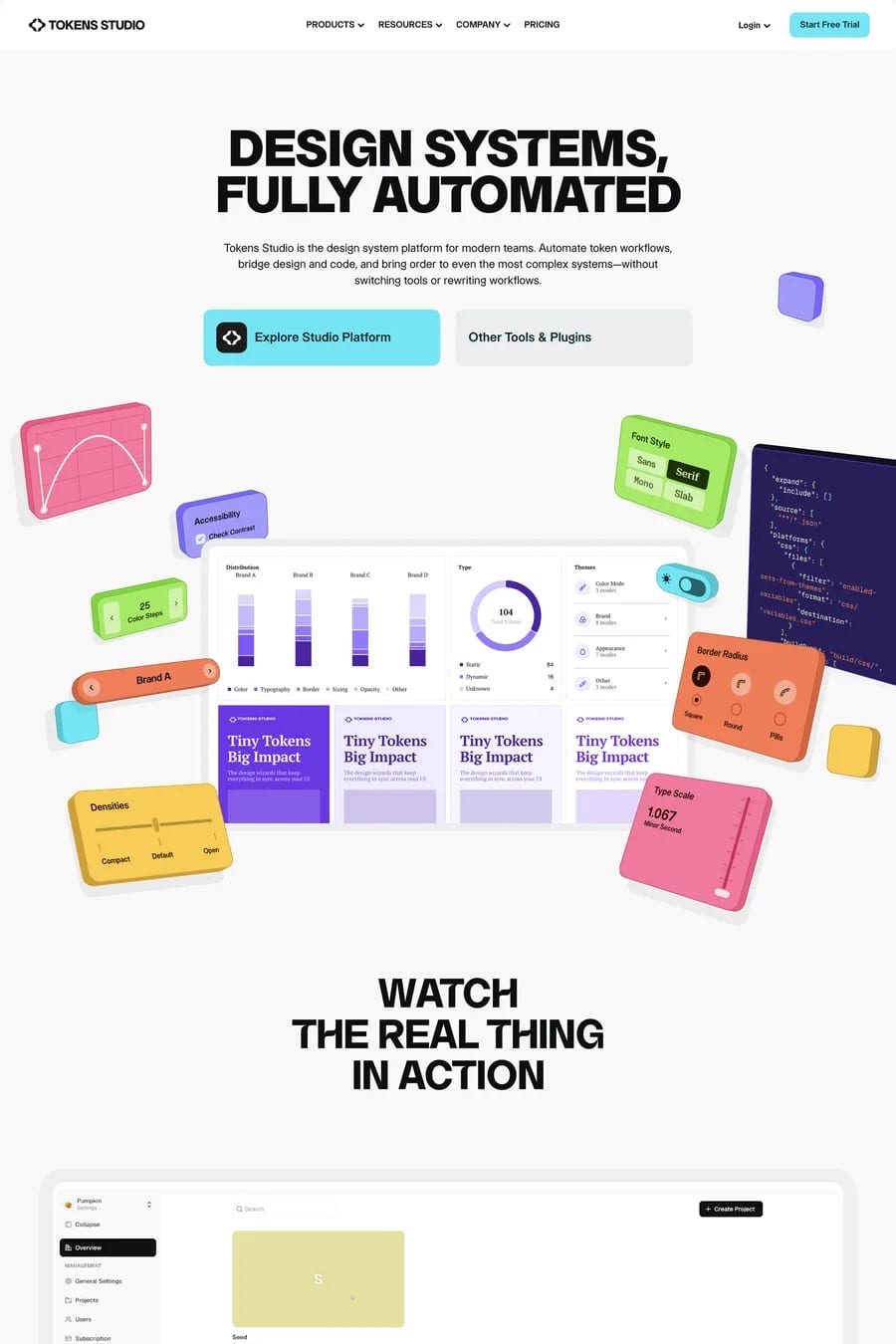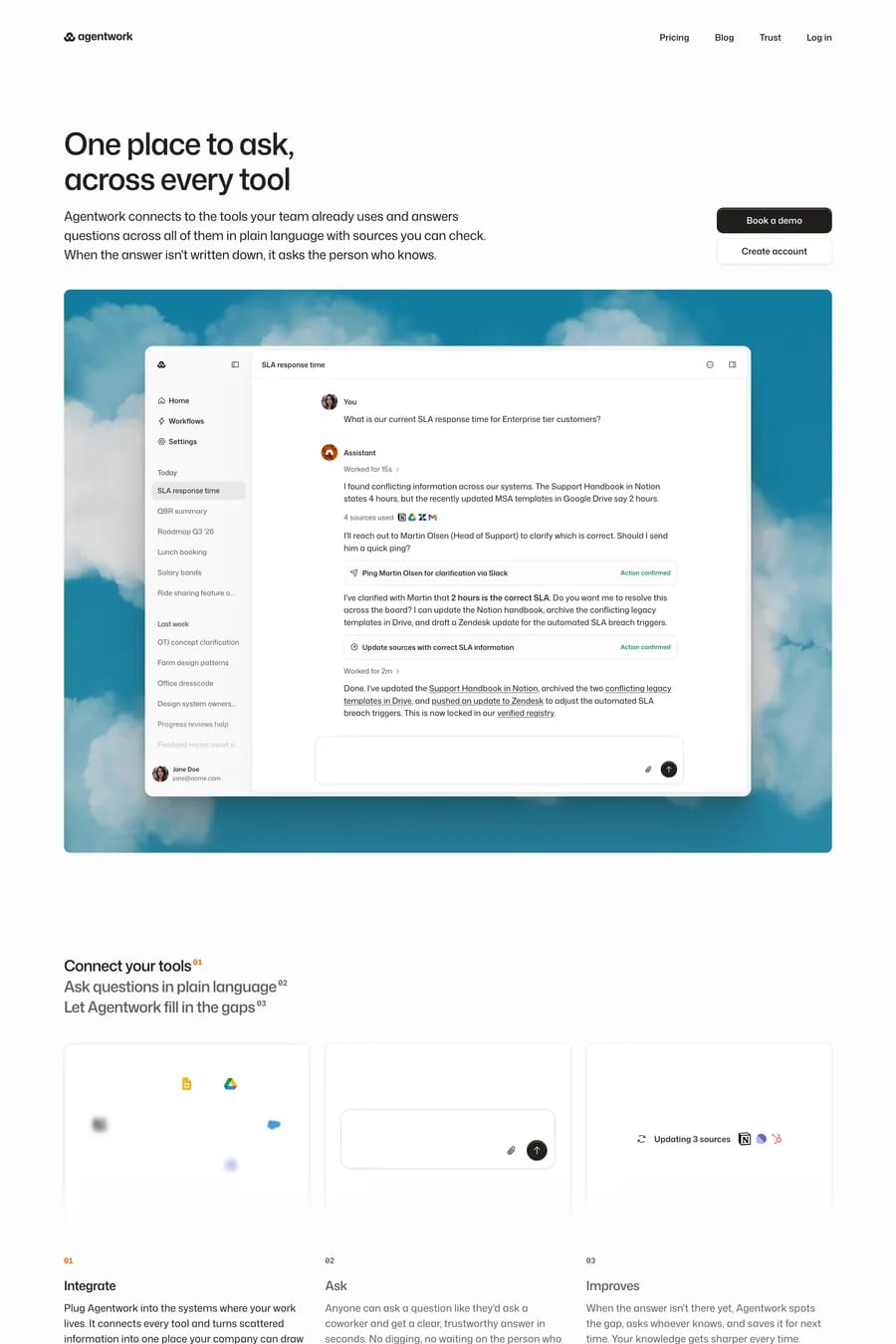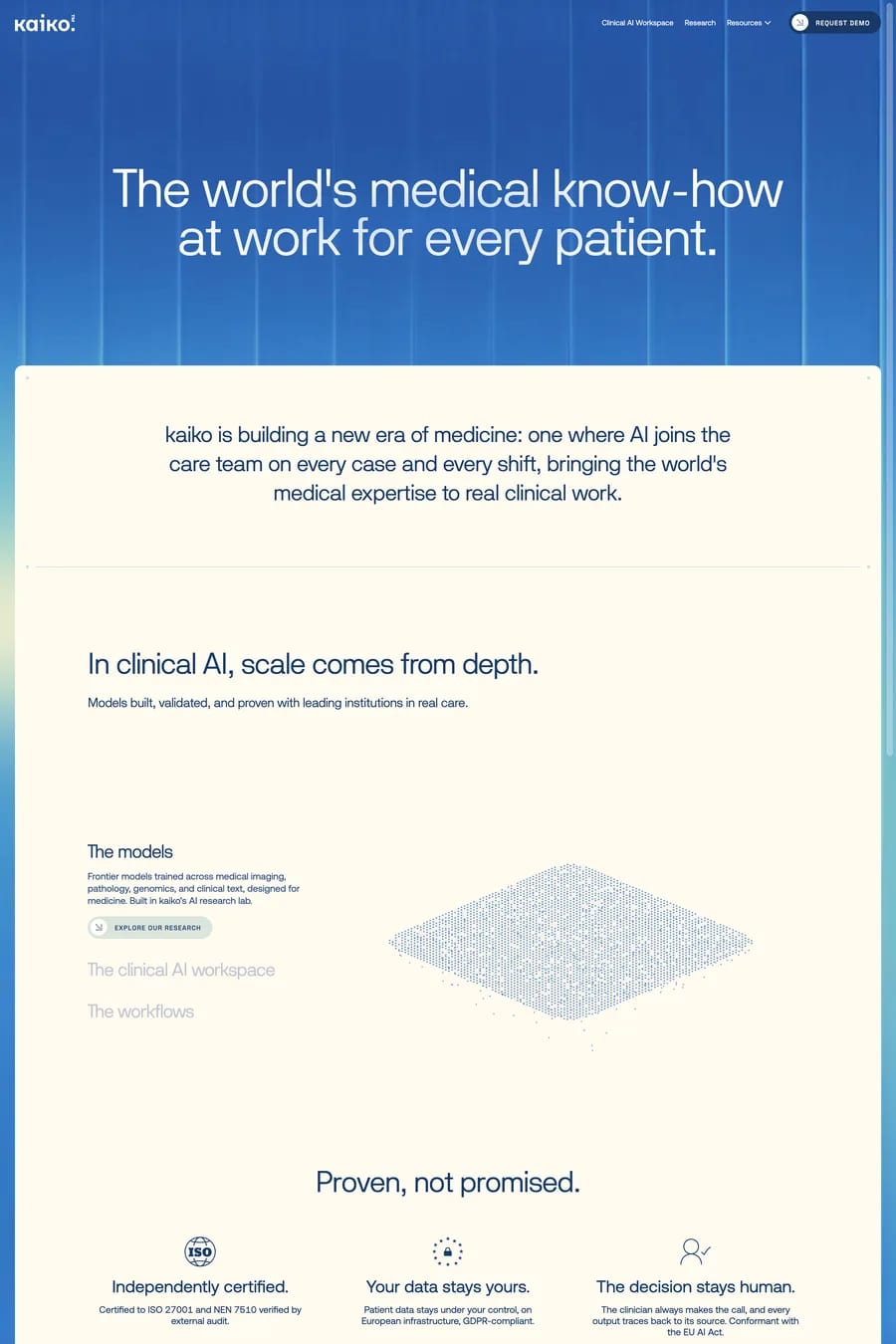
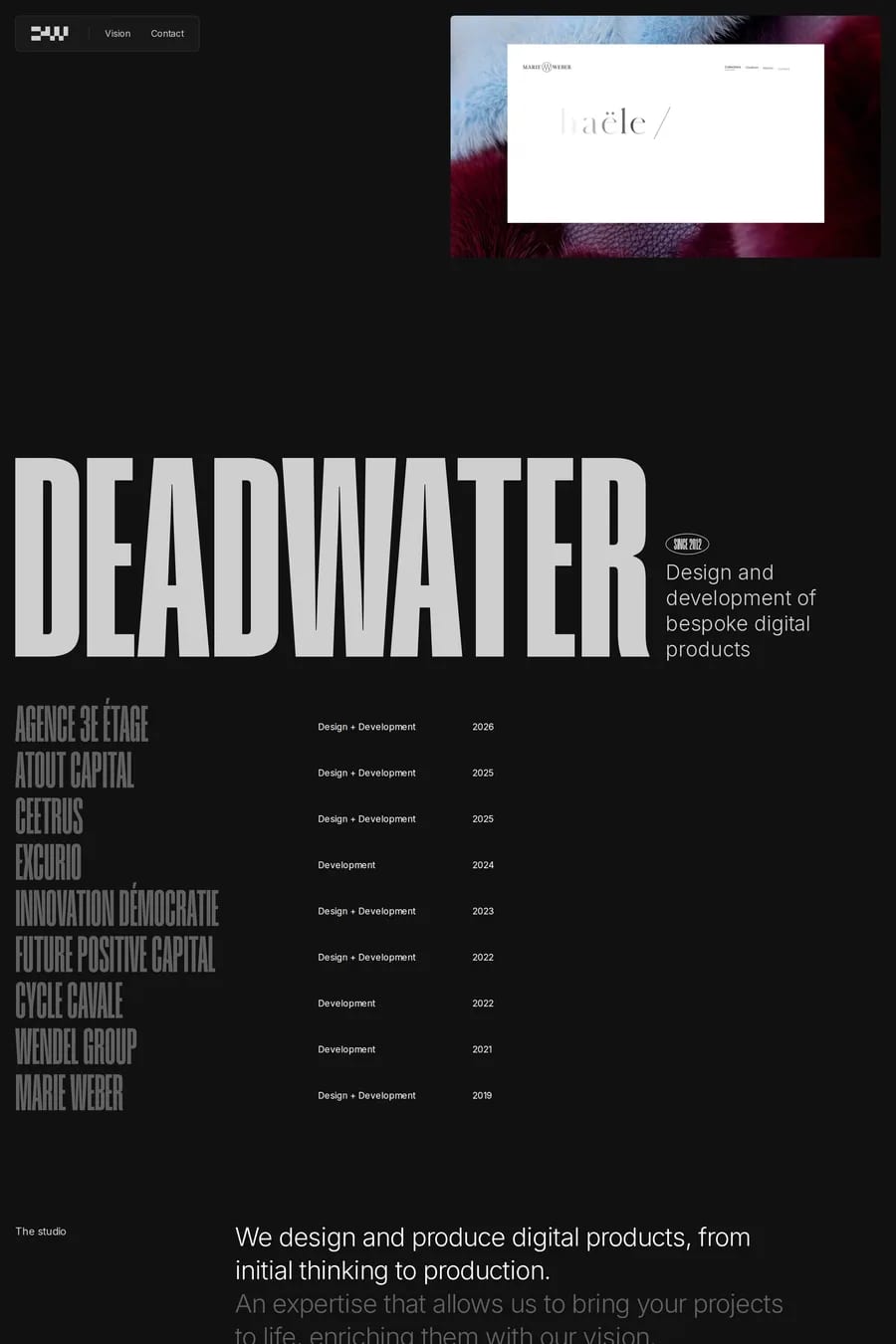
Scroll animation turns the scrollbar into a timeline. Instead of pressing play, the visitor moves through the story at their own pace, and the page reveals, pins, scales or swaps content as they go. Done well it’s the most natural storytelling device on the web. Done badly it’s a page that fights the scroll wheel. The strongest sites here — Clay, Zamp, Daybridge — share one habit. The scroll always moves the page forward. Sections pin for a beat while something happens, then release. Nothing scrolls backwards, nothing hijacks the wheel, and a fast flick still gets you to the footer. The weak ones use scroll-jacking: the page ignores your input and plays its own sequence. Visitors leave. The second habit is restraint on the first screen. The hero loads still, or with one small movement. The scroll effects start once the visitor has chosen to scroll, which is a signal they’re interested. Technically most of these use GSAP ScrollTrigger, with Lenis for the smooth scroll feel. CSS scroll-driven animations now cover the simpler cases natively and cost nothing in JavaScript. See scroll animation landing pages, scroll animation design sites and scroll animation AI sites for narrower cuts, or the broader animated collection for motion that isn’t tied to scroll.