
Updated
Curated inspiration sent every Tuesday
Unsubscribe at any time
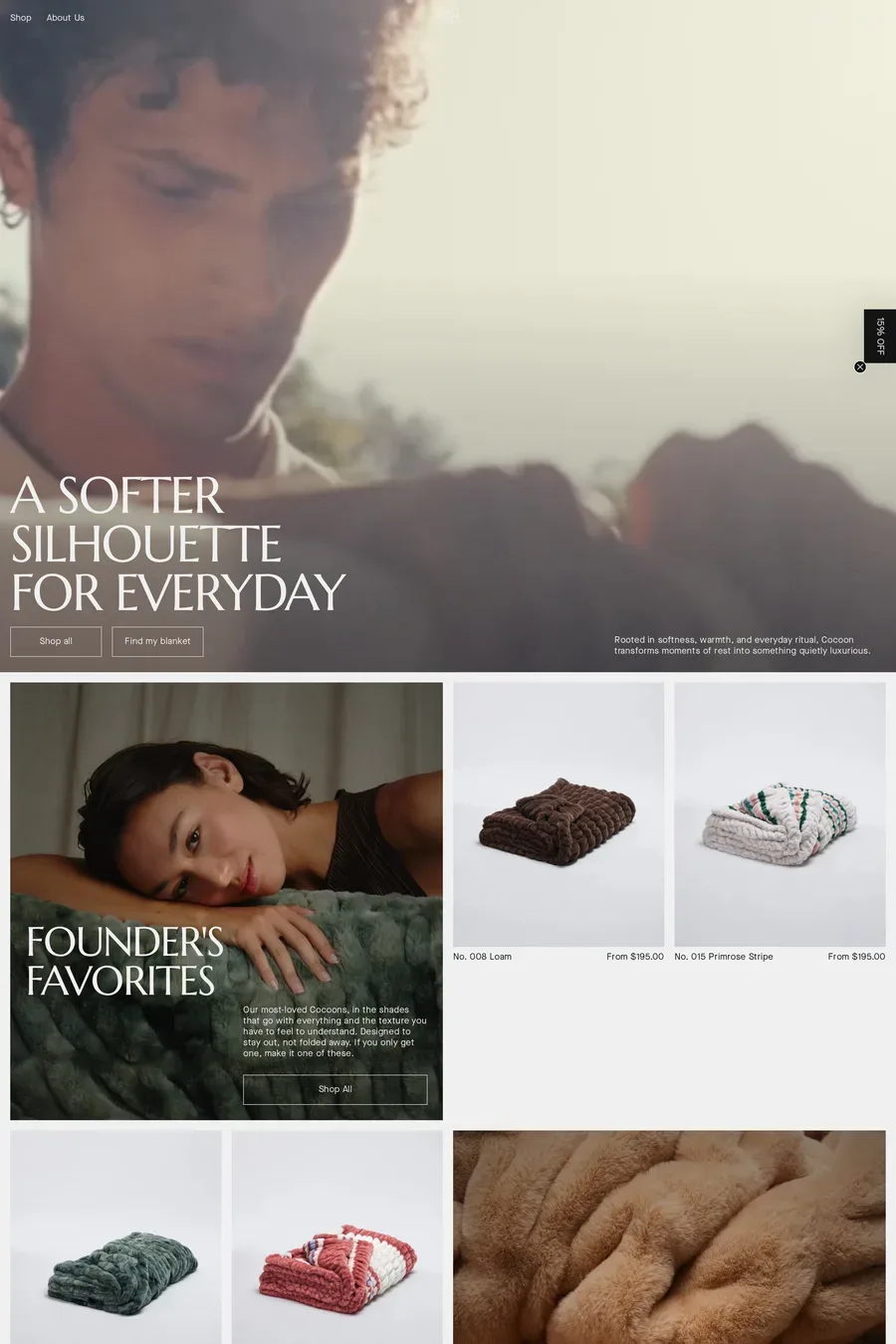
In rough order of importance: high-quality photography from multiple angles (not just the manufacturer photo); clear pricing with no surprises at checkout; visible shipping and return information *before* the visitor adds to cart; genuine customer reviews with photos where possible; a recognisable brand voice that extends into the smallest UI surfaces; and a checkout flow that doesn’t introduce new fees, account requirements, or required options. Trust is built more by what you *don’t* do — no dark patterns, no surprise charges, no forced account creation — than by what you do.
It’s usually the single highest-leverage page on the site. The best product pages in this collection get the basics right: primary image, price, and add-to-cart visible without scrolling; size and colour selectors that are tappable on mobile; supporting details (materials, dimensions, shipping, returns) accessible without leaving the page. The bigger differentiators are in the secondary photography (lifestyle shots, scale references), the writing tone, and the social proof (reviews with photos perform meaningfully better than star ratings alone). Most product pages under-invest in writing the product description, which is one of the few places brand voice can carry real weight.
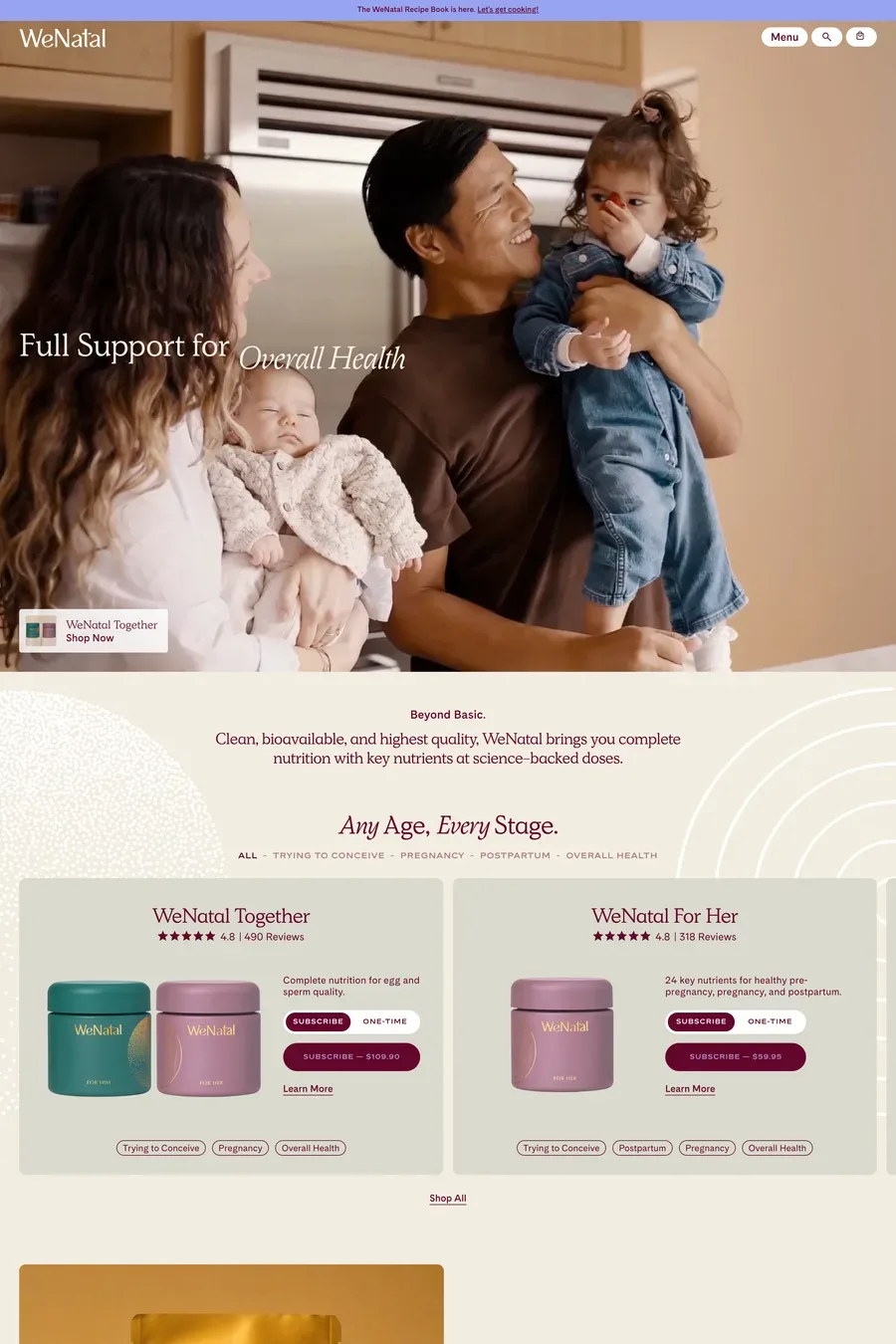
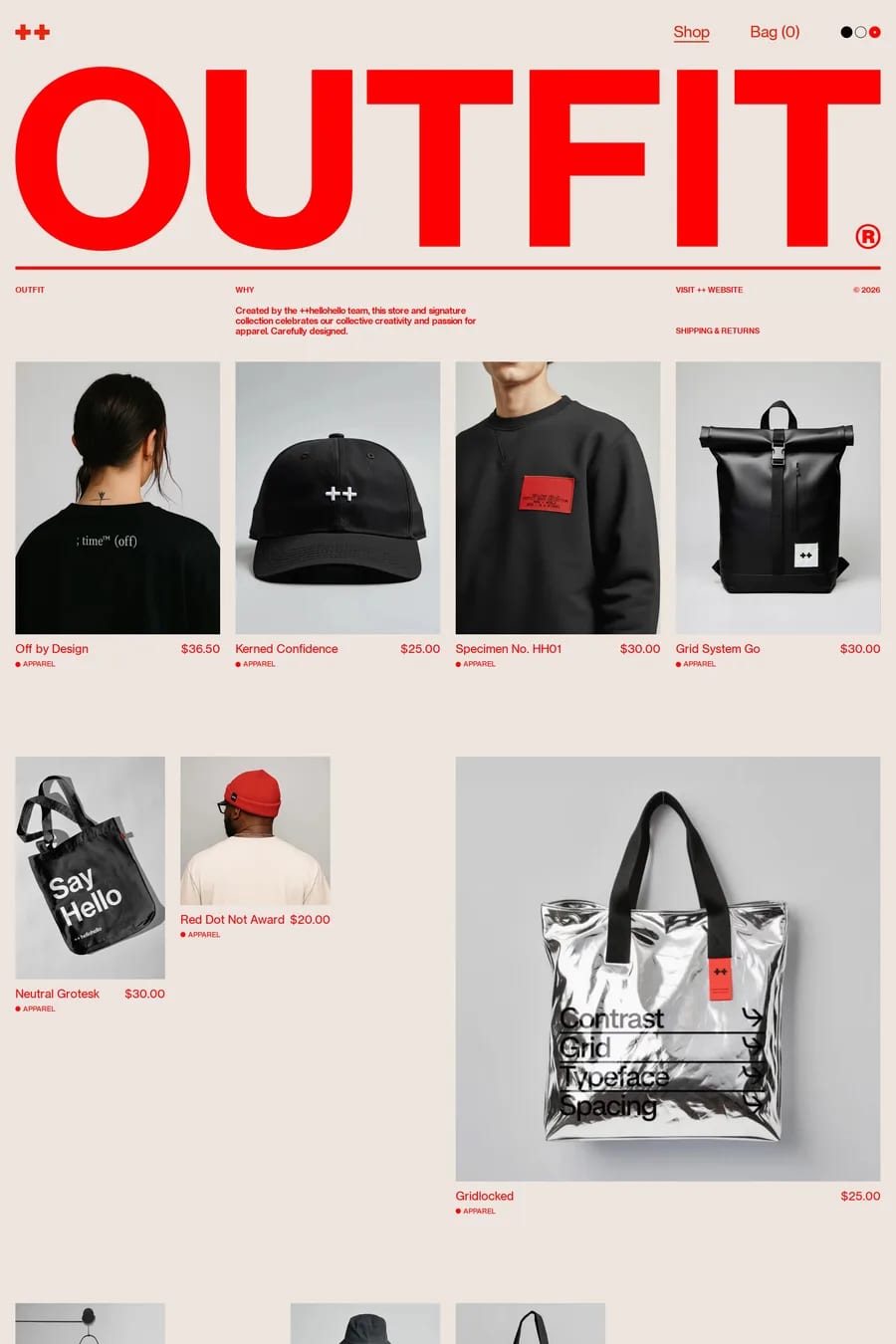
Depends on whether brand or conversion is the priority. Brand-led shops use the homepage as a magazine cover — strong photography, brand statement, curated collections, editorial content. Conversion-led shops use the homepage as a category landing page — bestsellers grid, prominent navigation to collections, deals strip. Both work. The mistake is trying to do both, which produces a homepage that doesn’t do either job well. Look at the strongest shops in this collection — they’ve usually committed to one approach.
It’s the experience, full stop. The majority of e-commerce traffic is mobile and a meaningful share of revenue is mobile. A shop site that looks great on desktop and is a mess on mobile is a shop site that’s leaking money. The best shops in this collection design mobile-first — large tap targets, swipeable image galleries, sticky add-to-cart on the product page, simplified checkout with autofill support, accelerated checkout options like Apple Pay. Mobile is no longer the secondary case; it’s the primary one.
Shopify is the default for independent and growing brands and powers a meaningful share of the strongest shops in this collection. The differentiator is rarely the platform — it’s how aggressively the brand customises out of the default theme. Shopify sites built on custom themes (or Hydrogen for the most ambitious) can look nothing like the platform default. Larger or more bespoke brands sometimes build on Next.js with a headless commerce backend, which gives more flexibility at the cost of more engineering. The platform matters less than the willingness to escape the template feel.
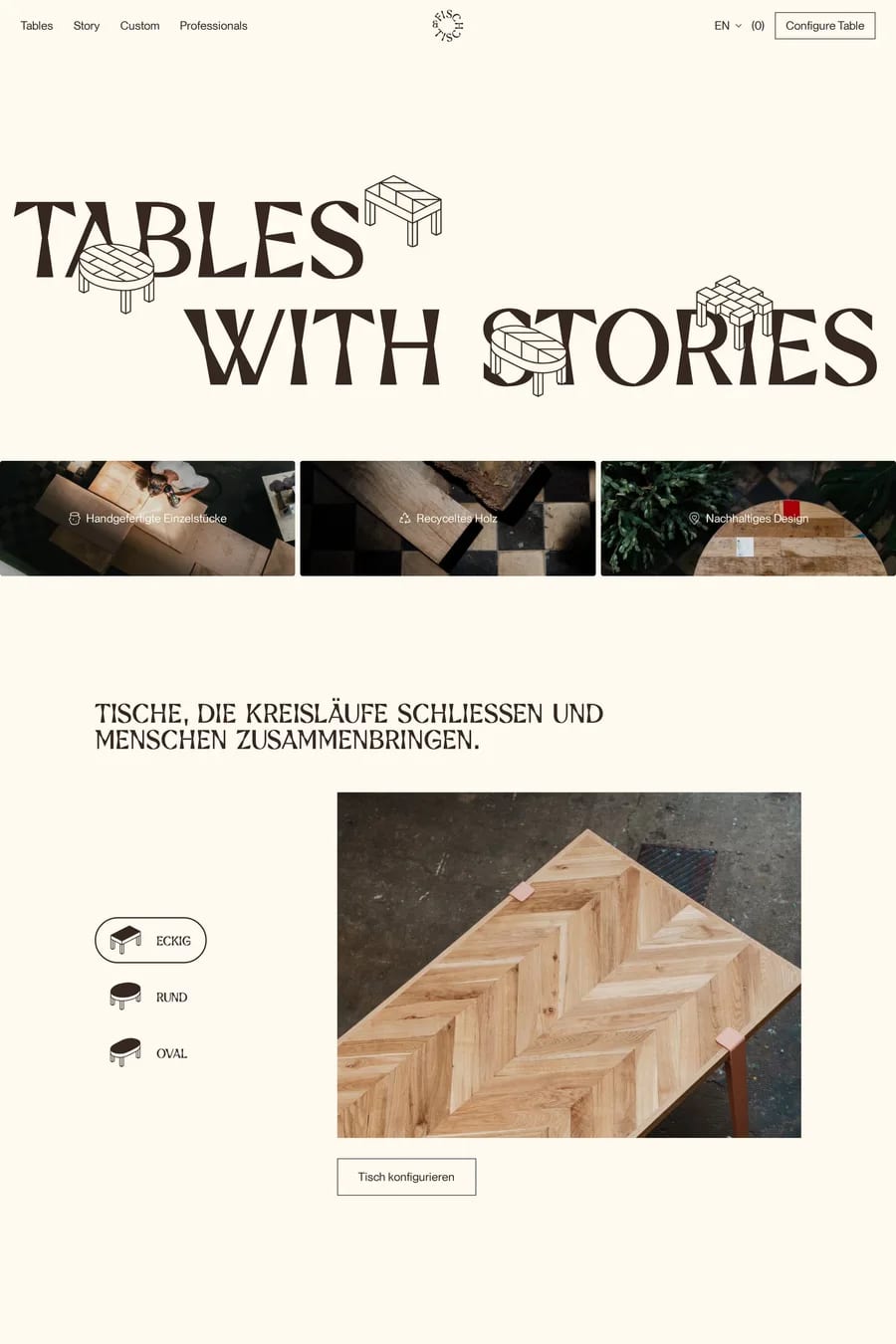
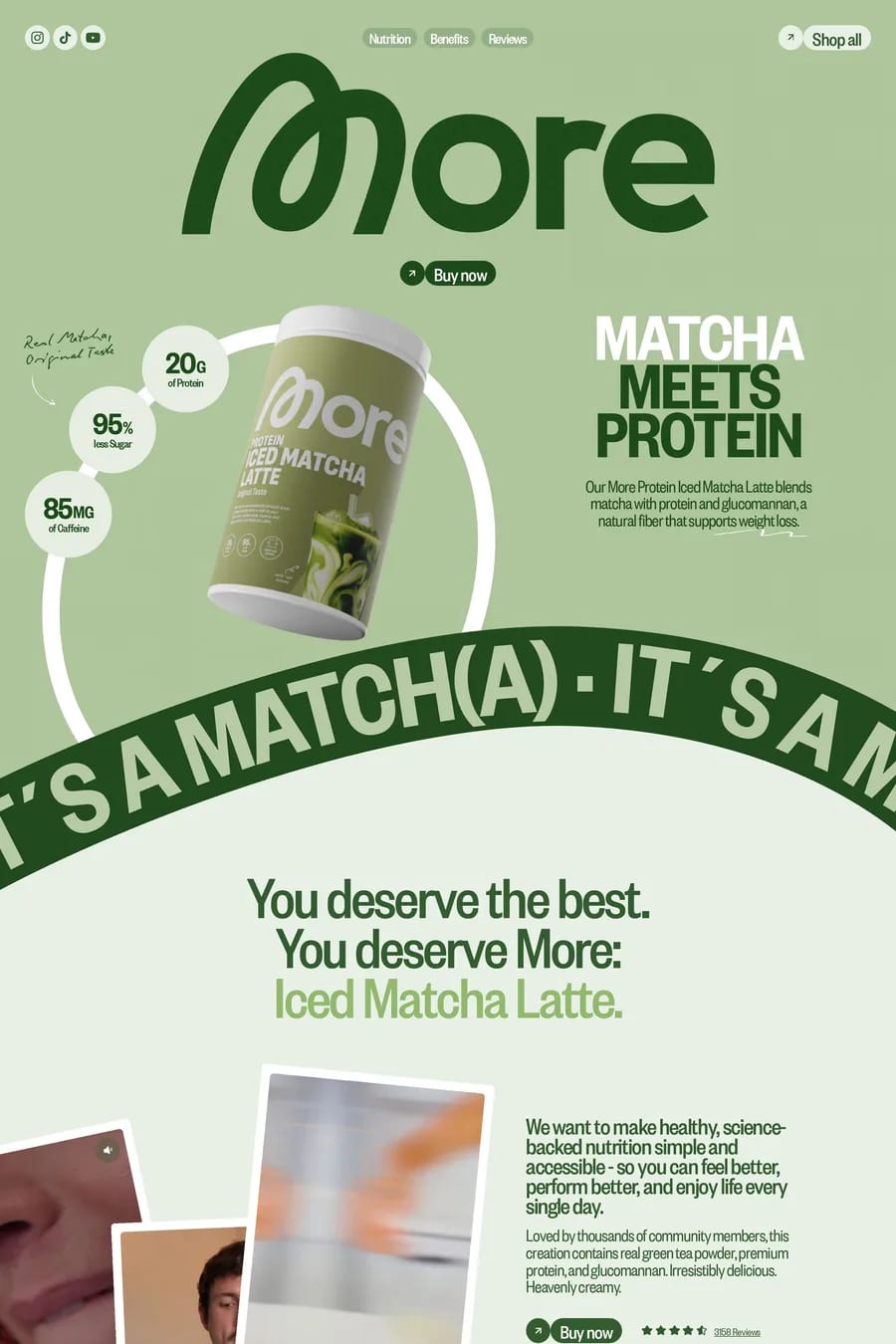
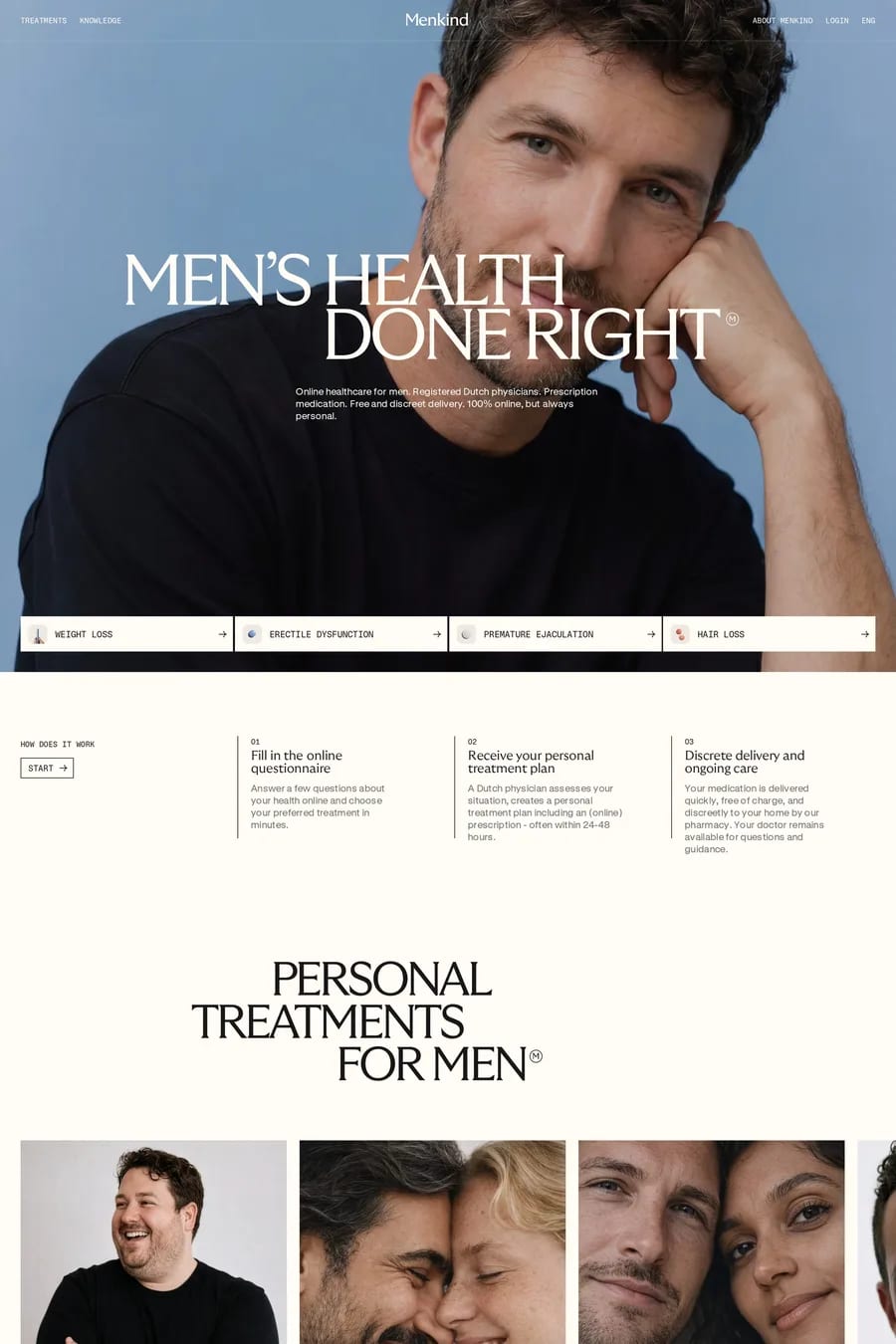
A brand-led shop treats every screen as brand expression first and conversion second; a conversion-led shop treats every screen as conversion first and brand second. Both are valid approaches and both can produce successful businesses, but they require different design discipline. Brand-led shops need editorial photography, custom typography, longer copy, and a willingness to slow the visitor down. Conversion-led shops need fast pages, clear hierarchies, prominent CTAs, and a relentless focus on removing friction. The mistake is doing one without committing — half-brand shops feel pretentious, half-conversion shops feel cheap.