Updated
Curated inspiration sent every Tuesday
Unsubscribe at any time
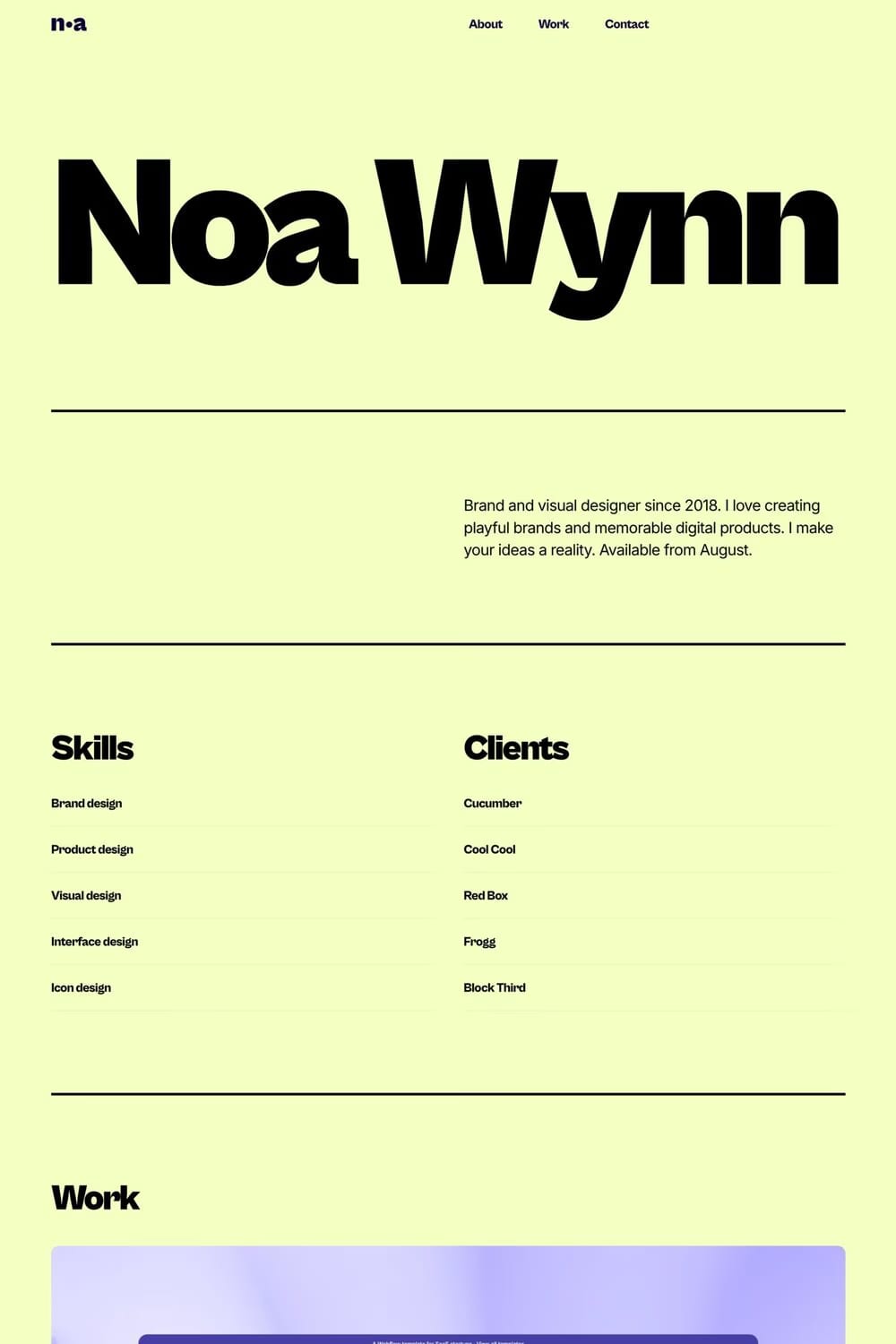
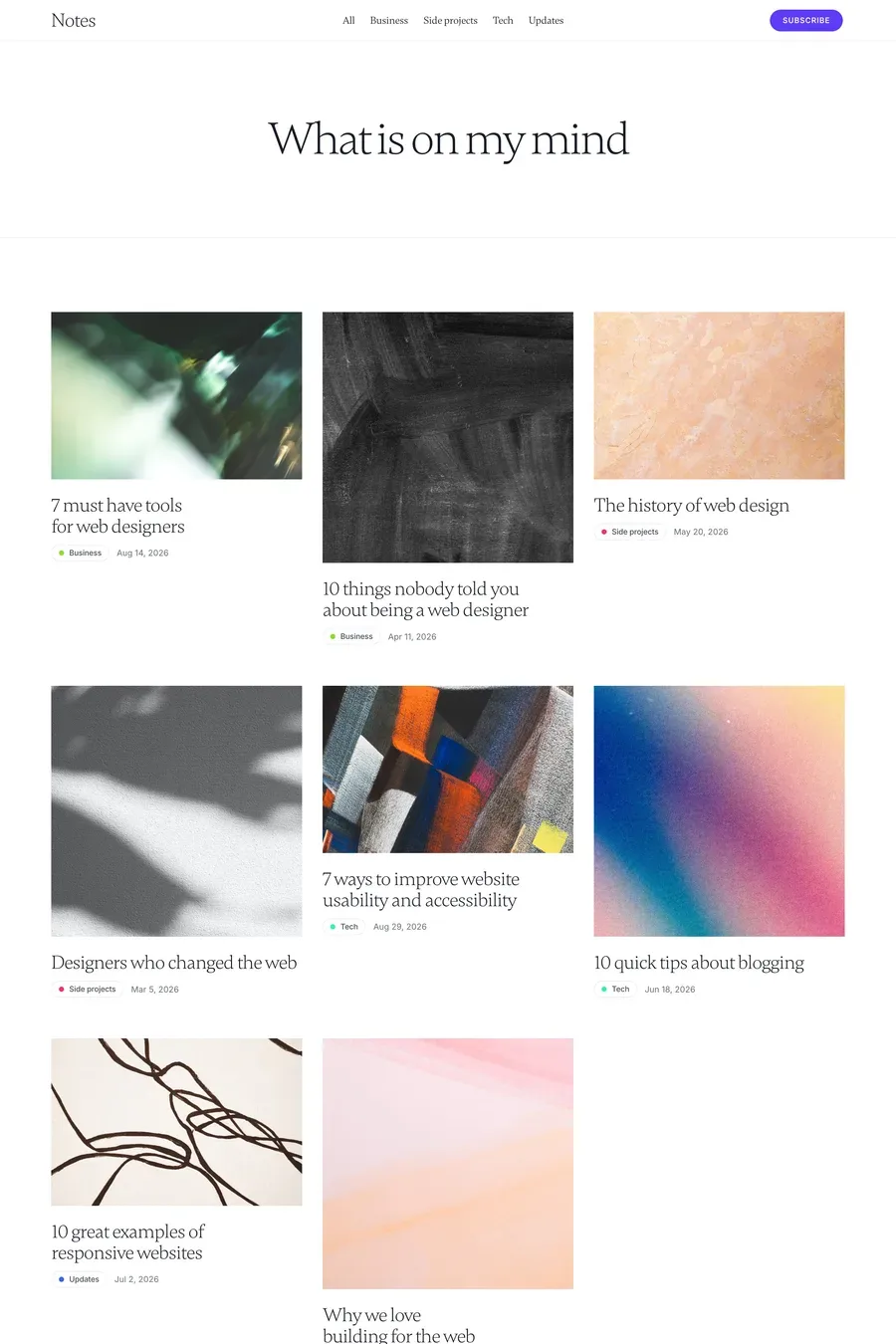
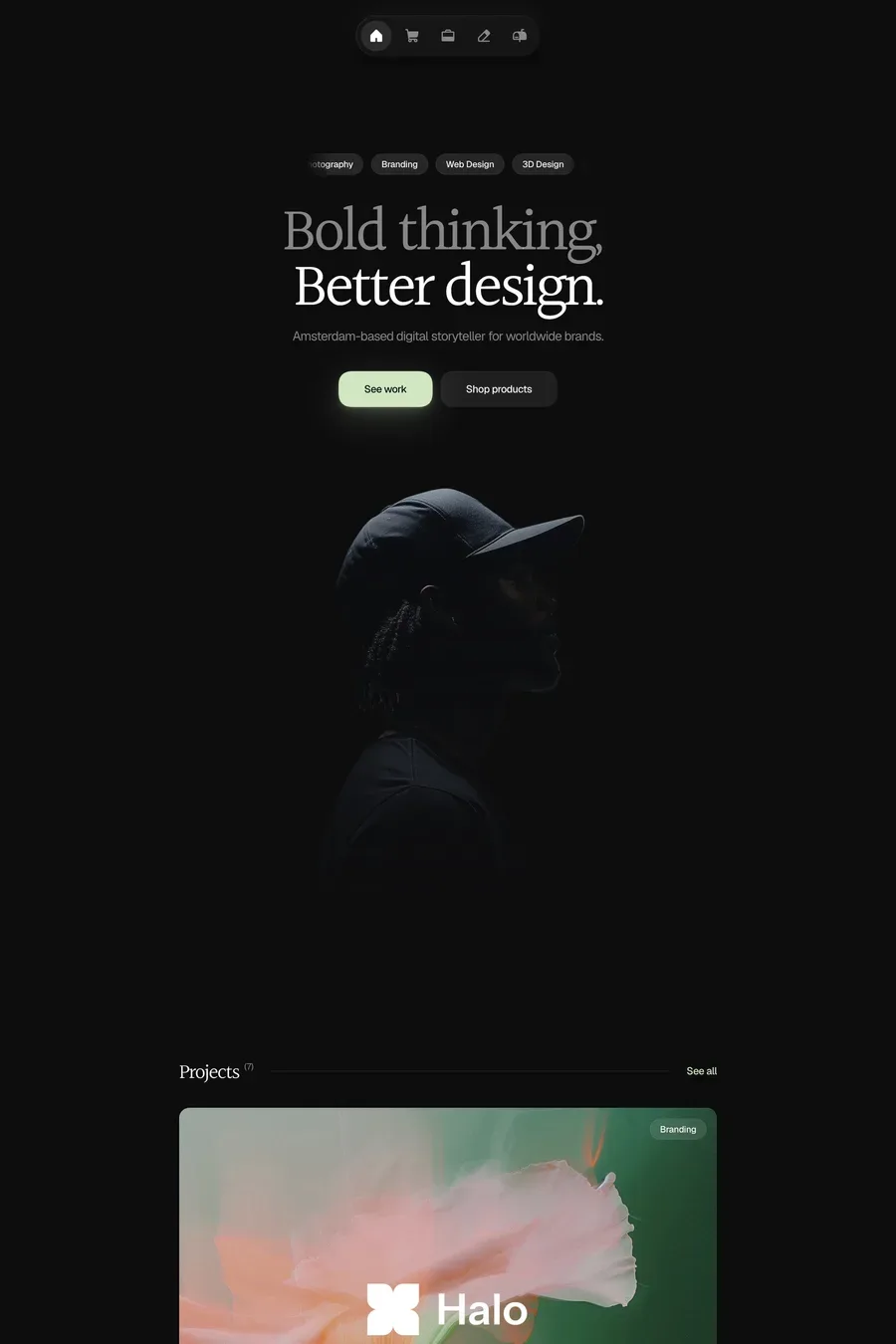
Opinionated completeness. An effective template makes strong design decisions — typographic system, colour palette, spacing rhythm, interaction style — and builds the whole template around those decisions consistently. Then it exposes exactly enough variables (colour, type scale, radius, spacing) that a buyer can rebrand in an hour without the design falling apart. The biggest mistake template makers make is trying to serve every possible buyer, which produces templates that serve no one well. The strongest templates pick an audience — SaaS founders, portfolio-first designers, indie product makers — and commit to that audience’s taste without apology.
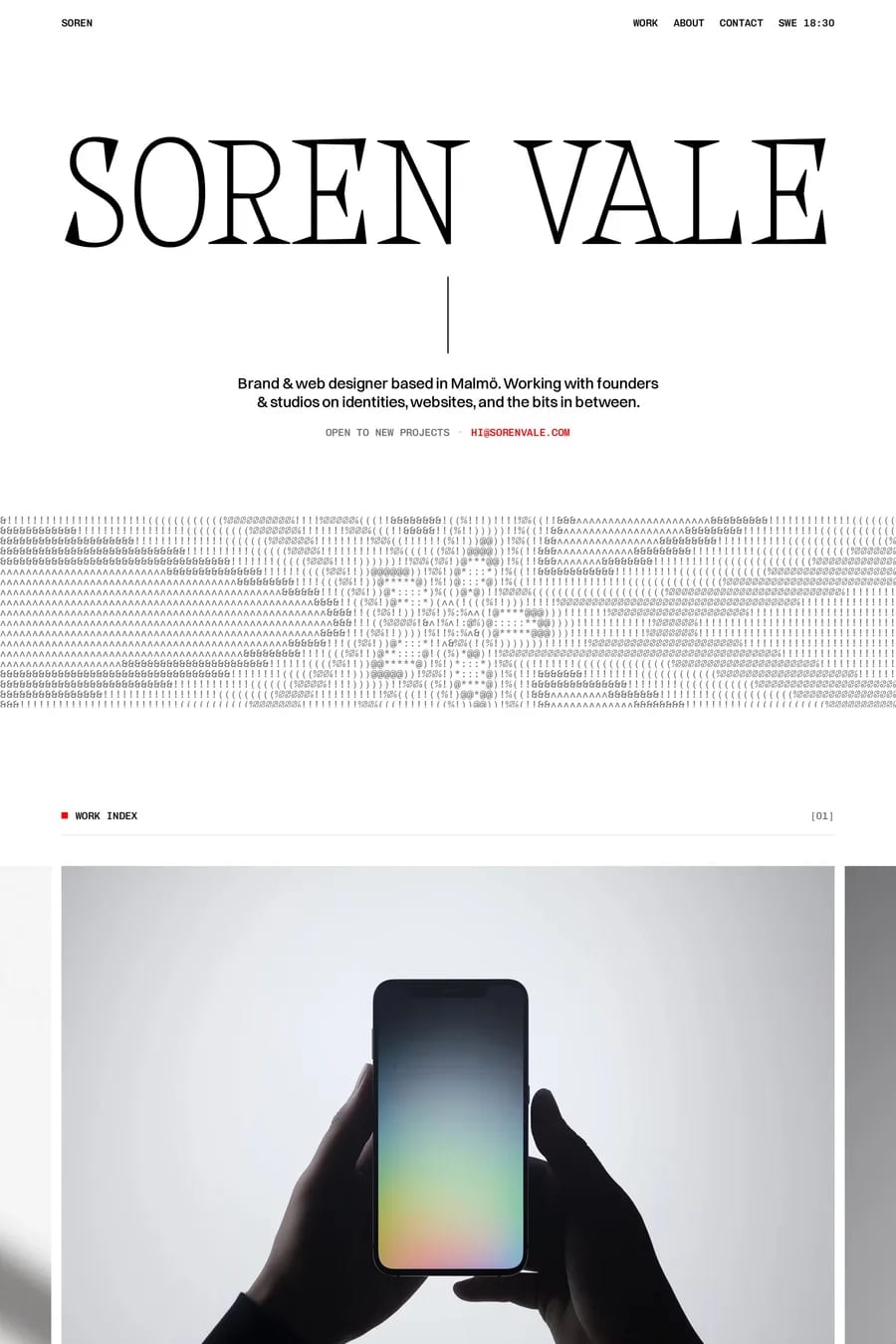
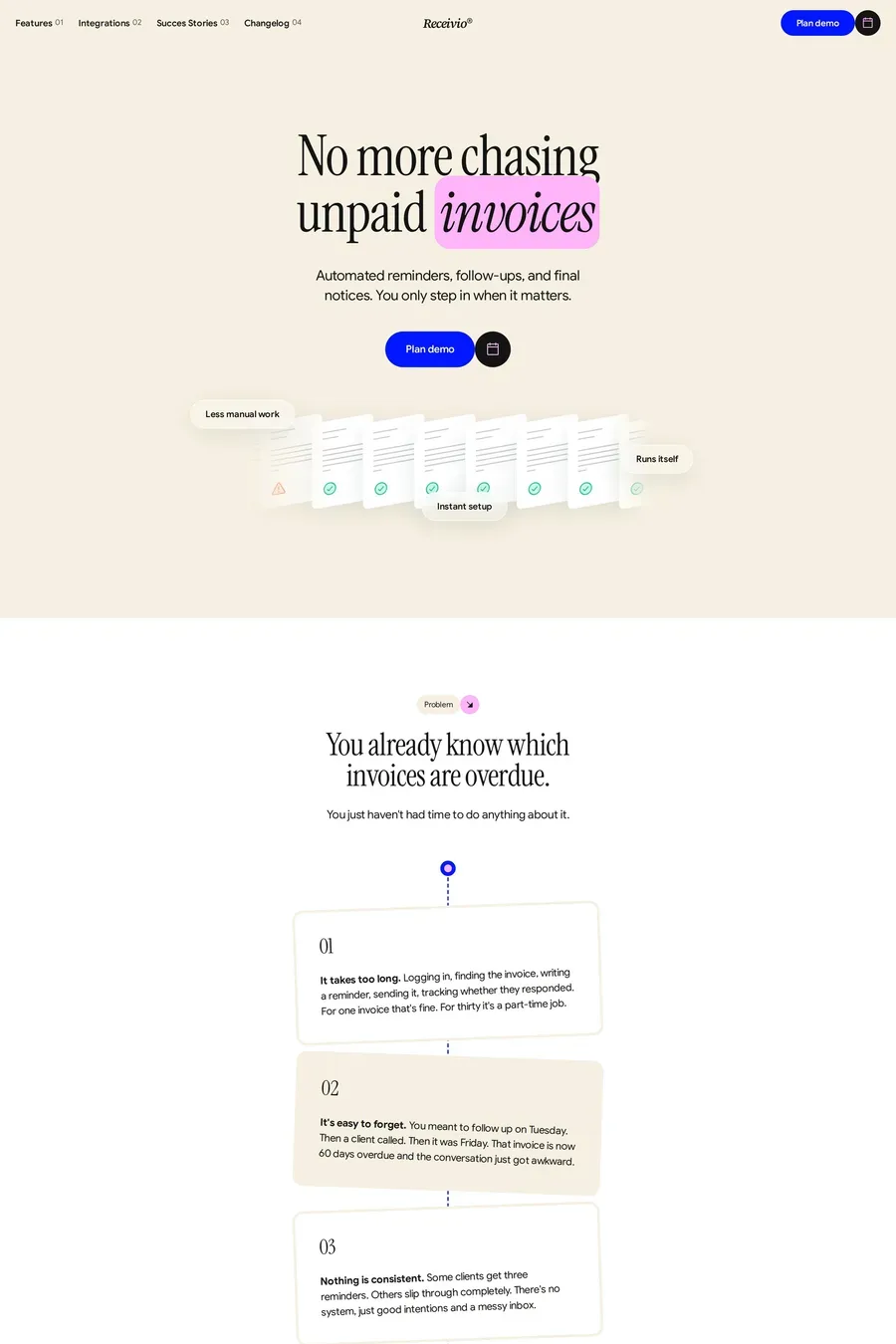
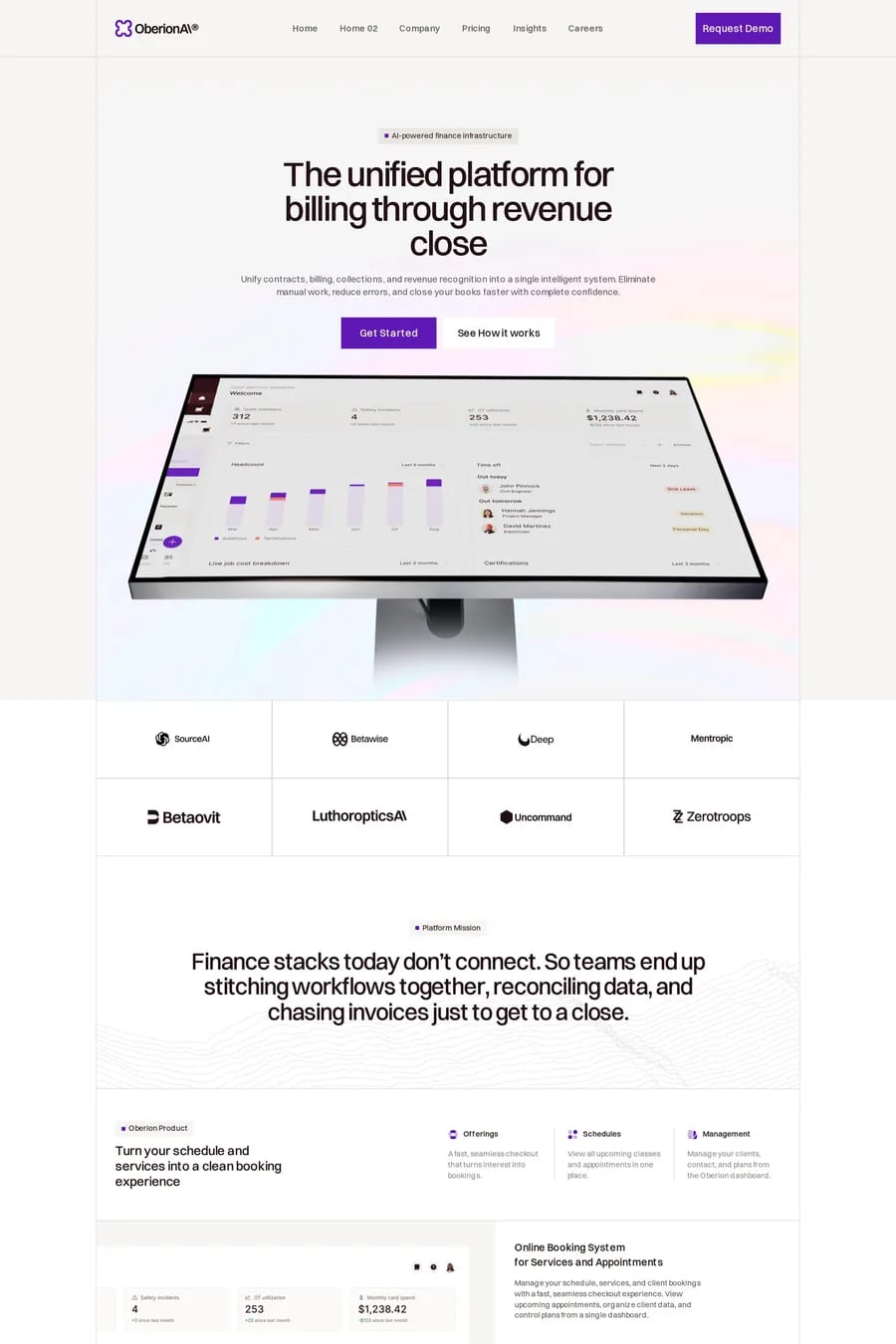
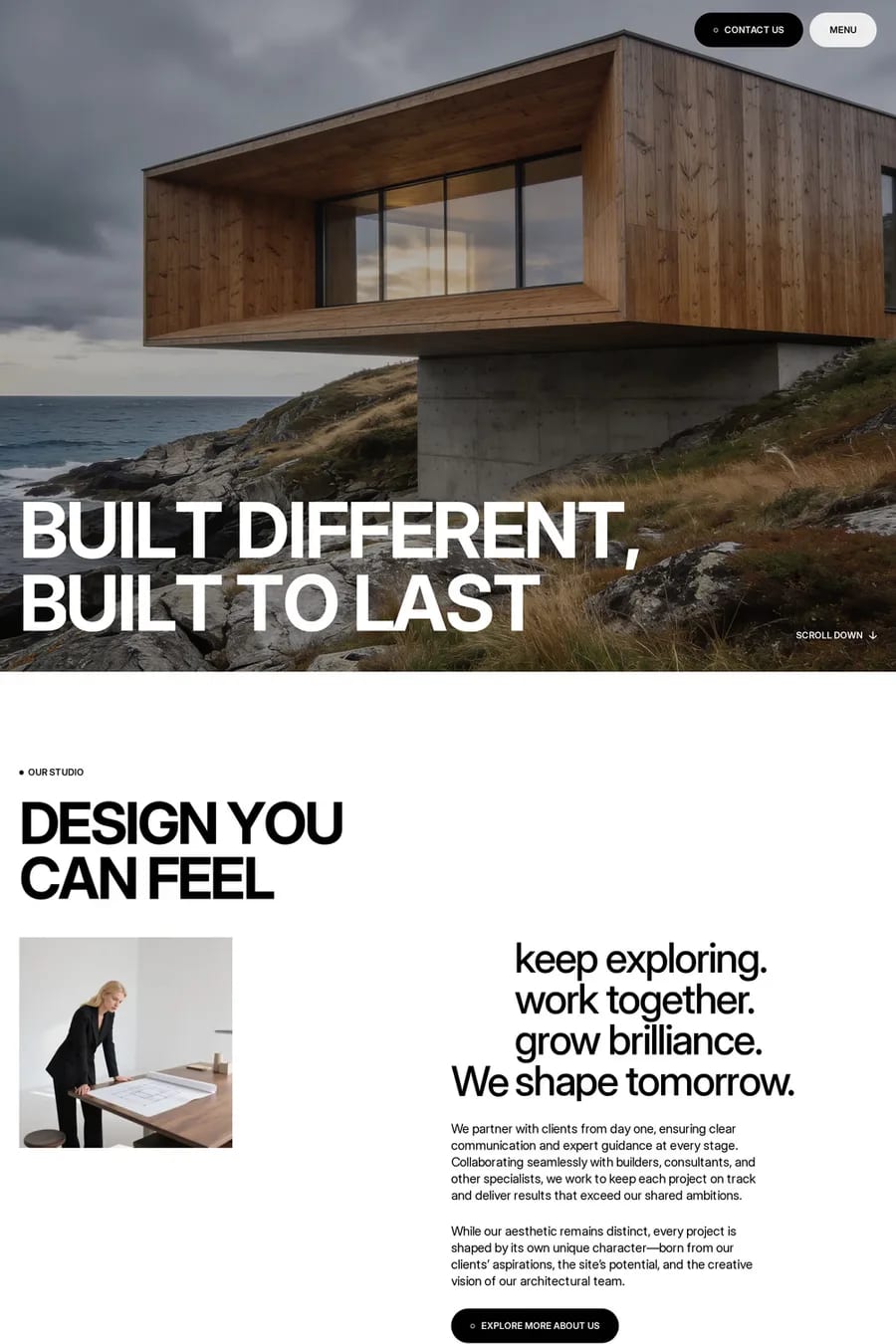
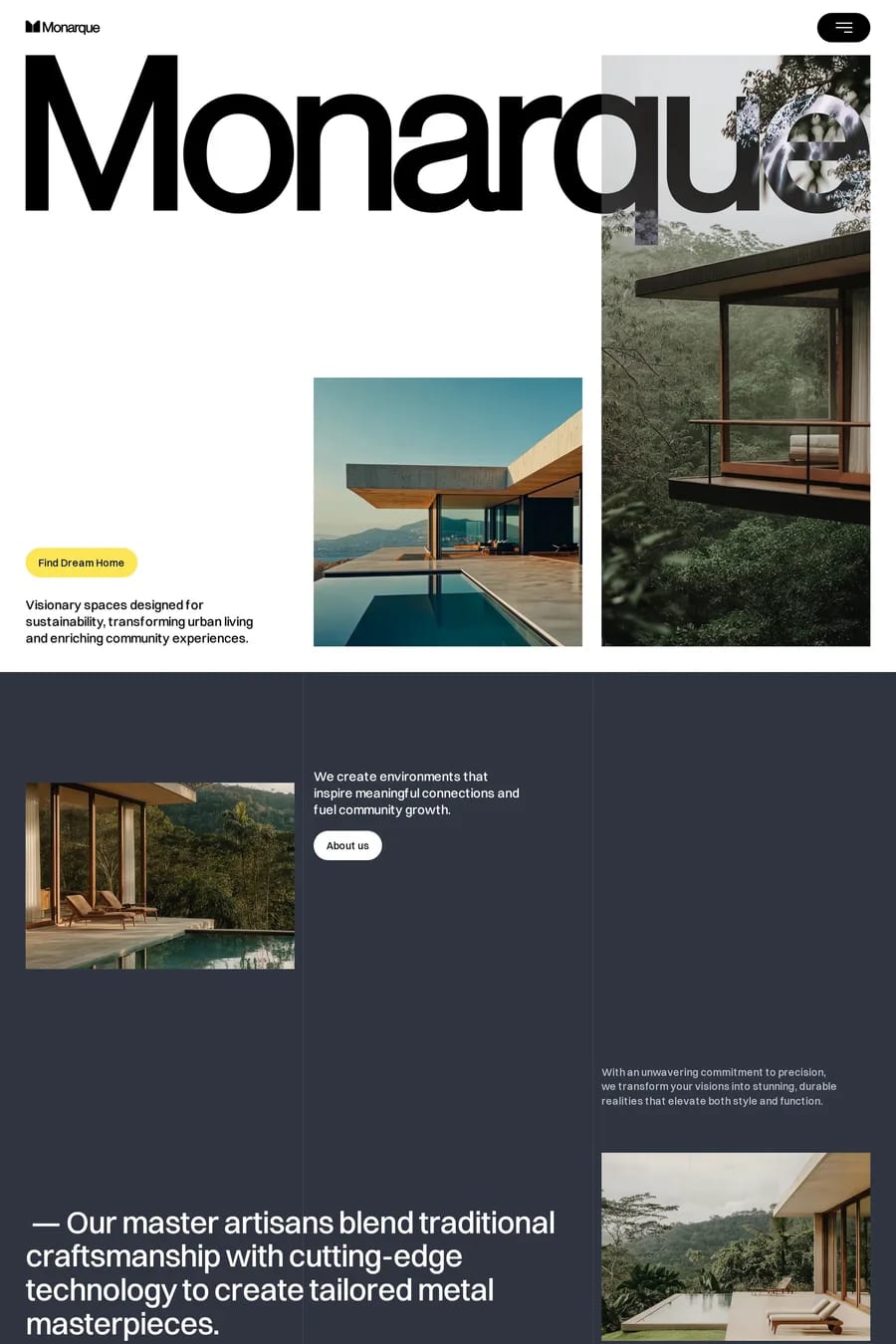
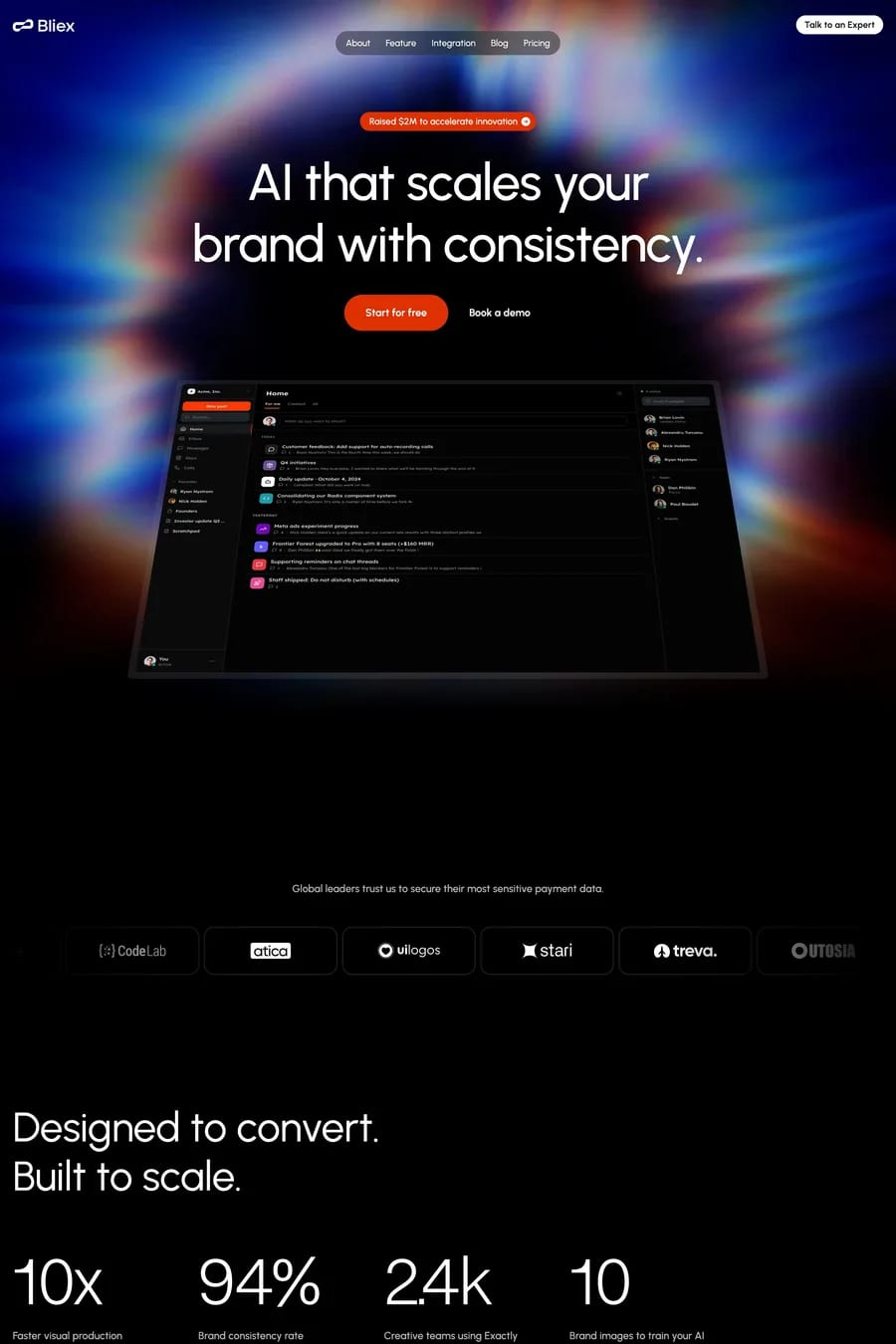
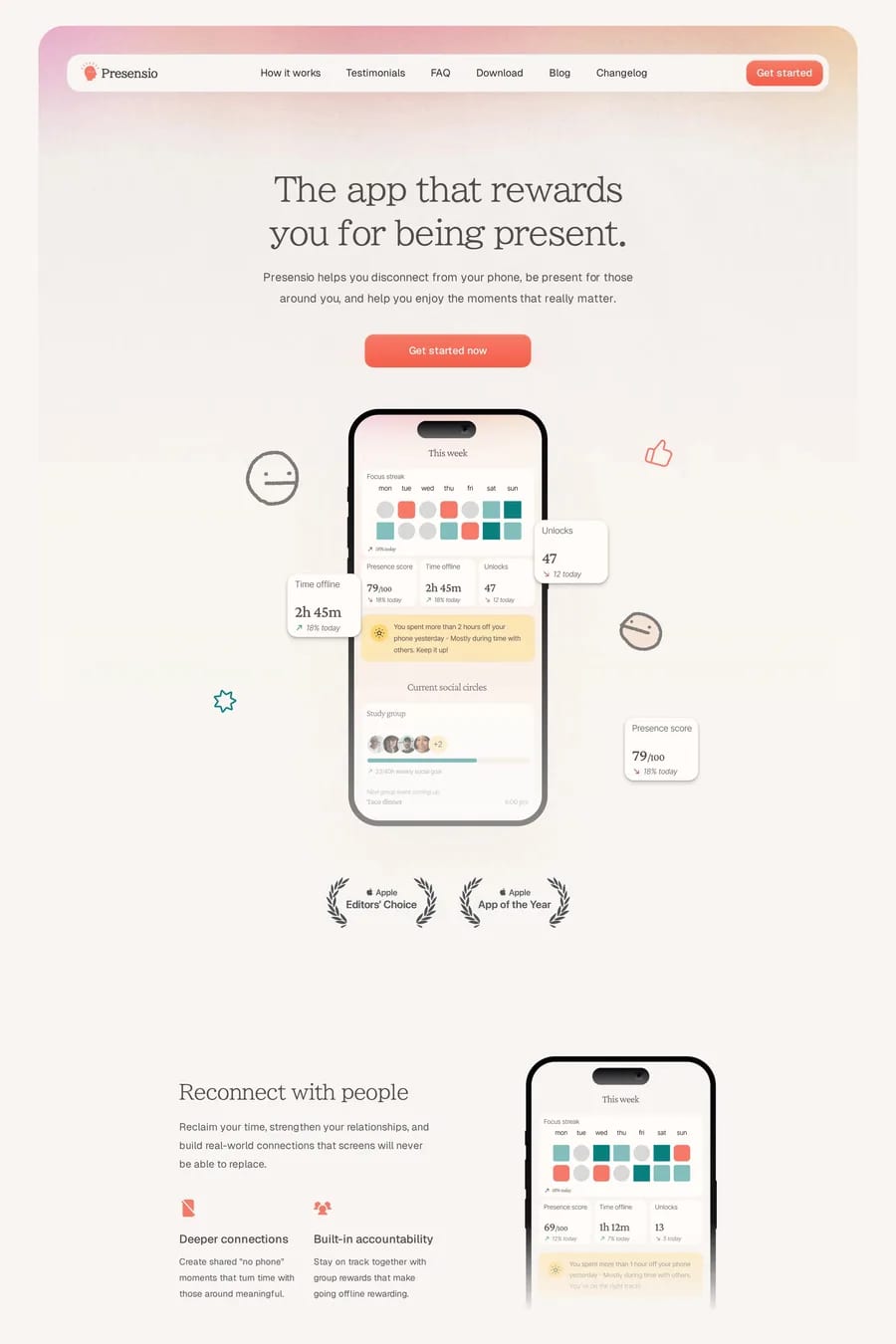
As a working, shippable site. The template’s own demo is the pitch, and buyers evaluate the demo the way they’d evaluate a finished product — scroll feel, page transitions, typographic detail, how the mobile breakpoint holds up. The strongest templates ship a complete demo: multiple page types, CMS content populated with real-feeling copy (not "Lorem ipsum"), thoughtful 404 and empty states, at least one case study or article page to show how content scales. The weakest ship a single marketing landing page and hope the buyer imagines the rest. Buyers rarely do. Browse Framer template examples for current best practice.
From the buyer’s perspective: a template is worth buying when the time saved exceeds the time spent customising it. That math depends entirely on how much the buyer needs to change. A template that needs 80% rework is worth less than a template that fits 90% of the use case out of the box. The best templates in this collection aim for the second category — they’re opinionated, complete, and require minimal configuration to ship. Buyers who try to customise a template into something it wasn’t designed to be usually end up wishing they’d started from scratch.
Depends on the platform, the audience, and what’s included. Framer templates currently sit in the $50–$200 range for most, with the strongest premium templates reaching $300–$500. Webflow templates have a wider range from $50 to $300+. The biggest mistake template makers make is underpricing — pricing a template at $39 to "be accessible" when comparable templates sell at $149 signals that the template is lower-quality, even if it isn’t. Pricing communicates positioning. Set the price for the audience you want, not the audience you’re afraid of losing.
Customisable enough that a buyer can rebrand without code, rigid enough that the design doesn’t collapse. The strongest templates expose a small, opinionated set of variables — primary colour, accent colour, heading font, body font, radius, spacing scale — and no more. Buyers who want to change everything are usually buyers who should have commissioned custom work. A template that tries to support infinite customisation ends up supporting none of it well, because every option creates a combinatorial explosion of edge cases the template maker can’t realistically maintain. Say yes to a handful of choices, say no to the rest.
Framer has become the fastest-growing platform for premium website templates through 2025 and 2026. Webflow remains the largest mature market with the broadest selection. Shopify powers the e-commerce template market. WordPress themes still represent significant volume but design quality is more variable. The platform choice usually reflects the audience: Framer attracts product designers, Webflow attracts marketing designers, Shopify attracts e-commerce operators, WordPress attracts everyone else.