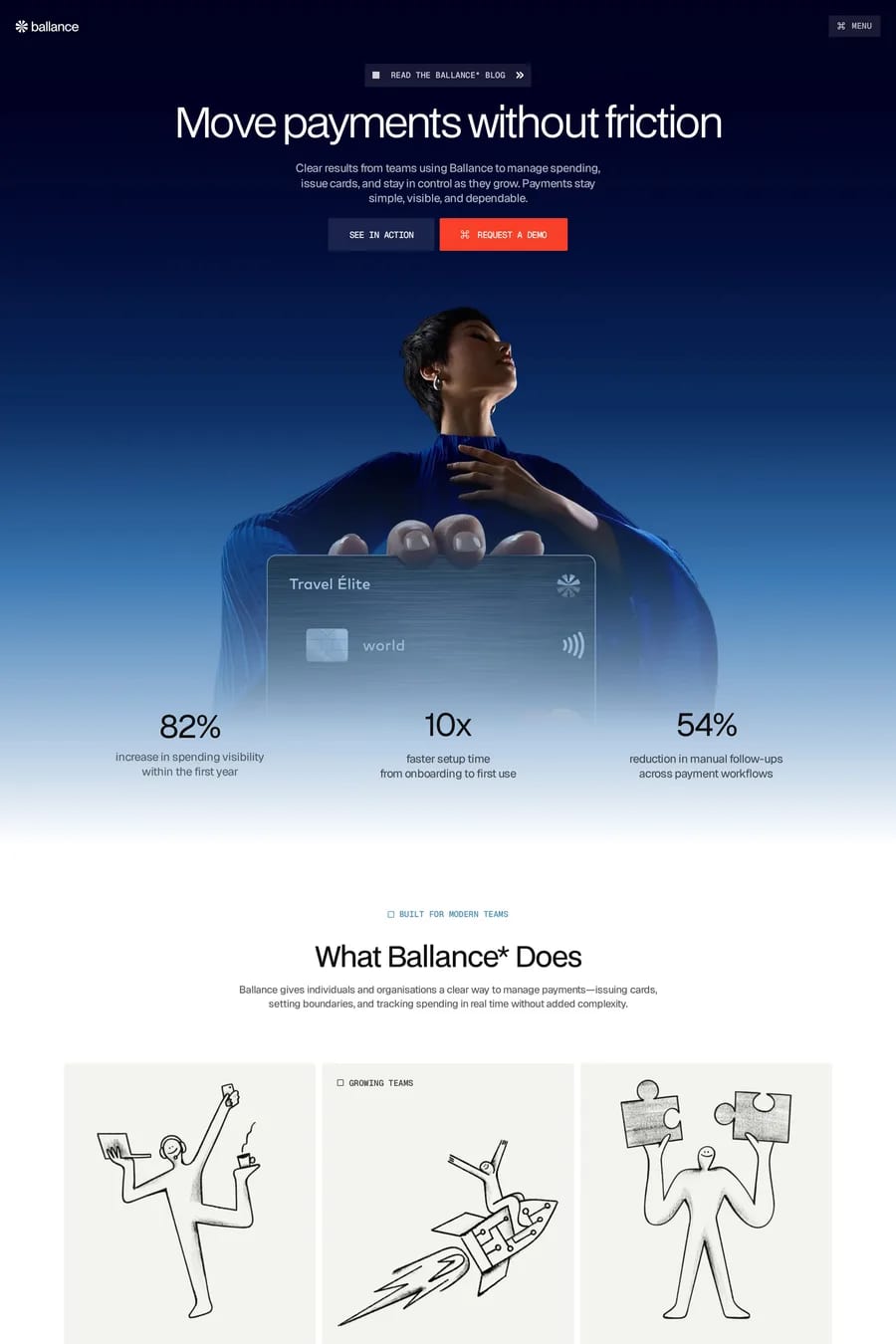
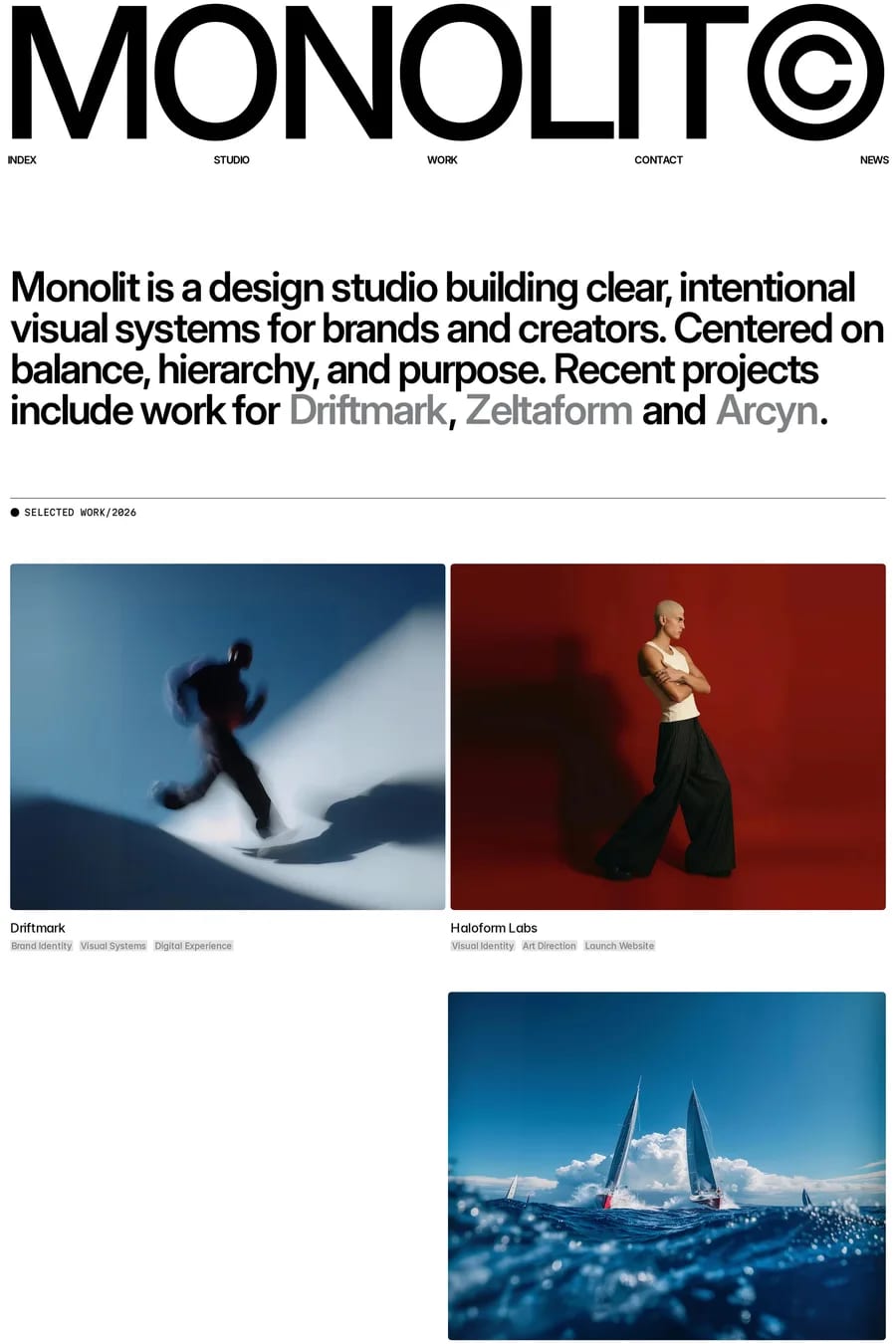
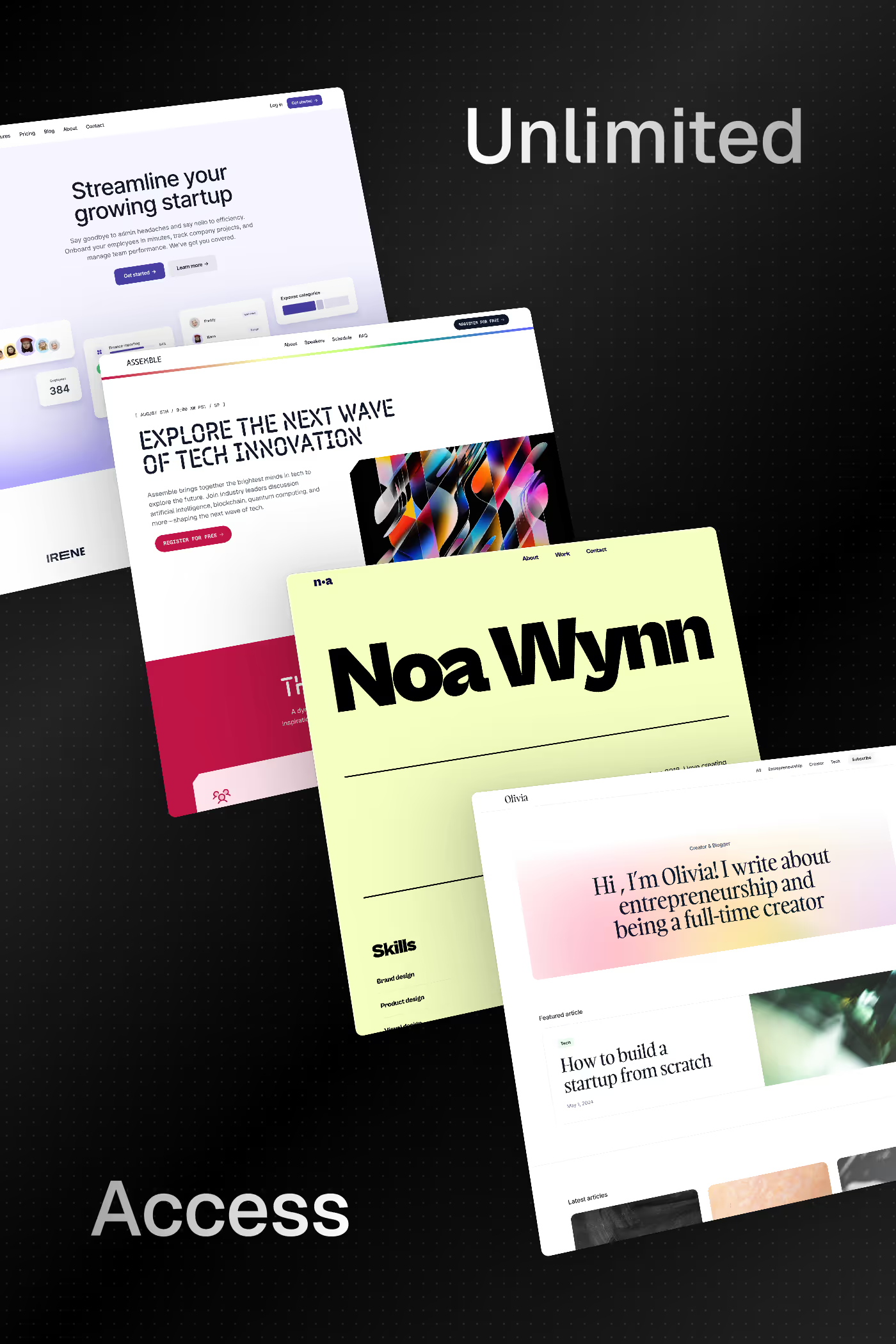
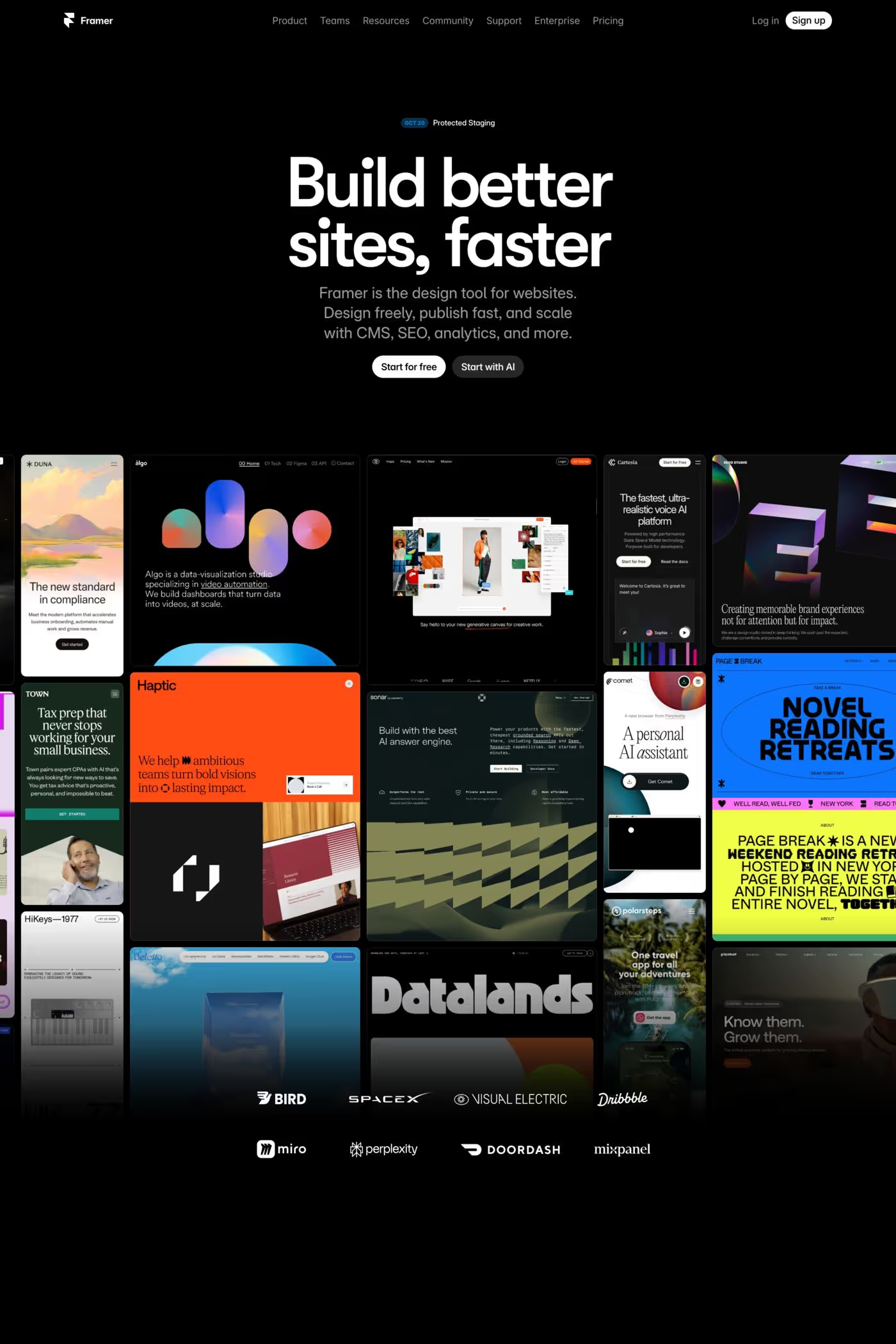
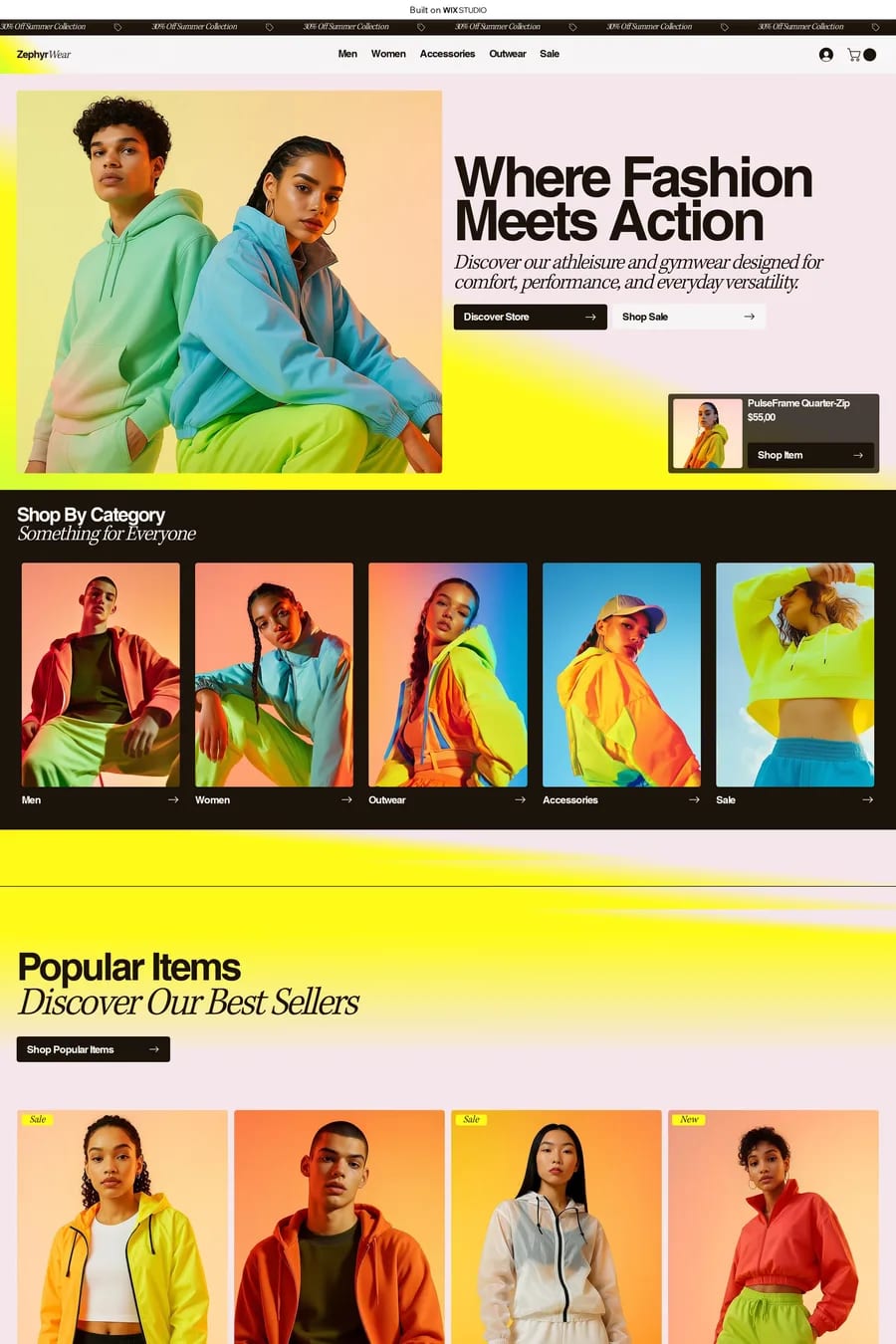
Website templates have to pull off a strange trick: look custom-made while being generic enough for thousands of different buyers to make their own. The best ones in this collection get the balance right through *opinionated completeness* — strong, specific design decisions paired with just enough flexibility that a new brand can swap in their own copy, imagery, and colours without the template collapsing. The weakest ones try to be neutral enough for anyone and end up looking like no one — buyers can feel the genericism even when they can’t articulate it. Look at how the strongest templates handle typography: a full, considered type system with sizes, weights, line-height and rhythm already solved — not just a display font and a body font left to fight it out. Components are where templates live or die. The strongest include real variety — hero variants, testimonial layouts, pricing tables, FAQ accordions, CMS collection templates, richly-styled footers — each treated with the same care as the marquee hero. The weakest hand over a beautiful landing page and then fall apart the moment the buyer builds a second page. Watch how customisation is handled. The best templates expose clear tokens — colour, radius, spacing, type scale — so a buyer can rebrand in under an hour without touching the layout. The weakest hard-code every value and force the buyer to hunt through every component. Interactions matter too — scroll effects, considered hover states, page transitions — but only when they survive editing. An interaction that breaks the moment a buyer changes the content is worse than no interaction at all. Browse templates for the current top offerings, or explore Framer template examples and Webflow template examples by platform. Framer and Webflow dominate the premium template market, with Framer growing fastest in 2025–2026.