
Updated
Curated inspiration sent every Tuesday
Unsubscribe at any time
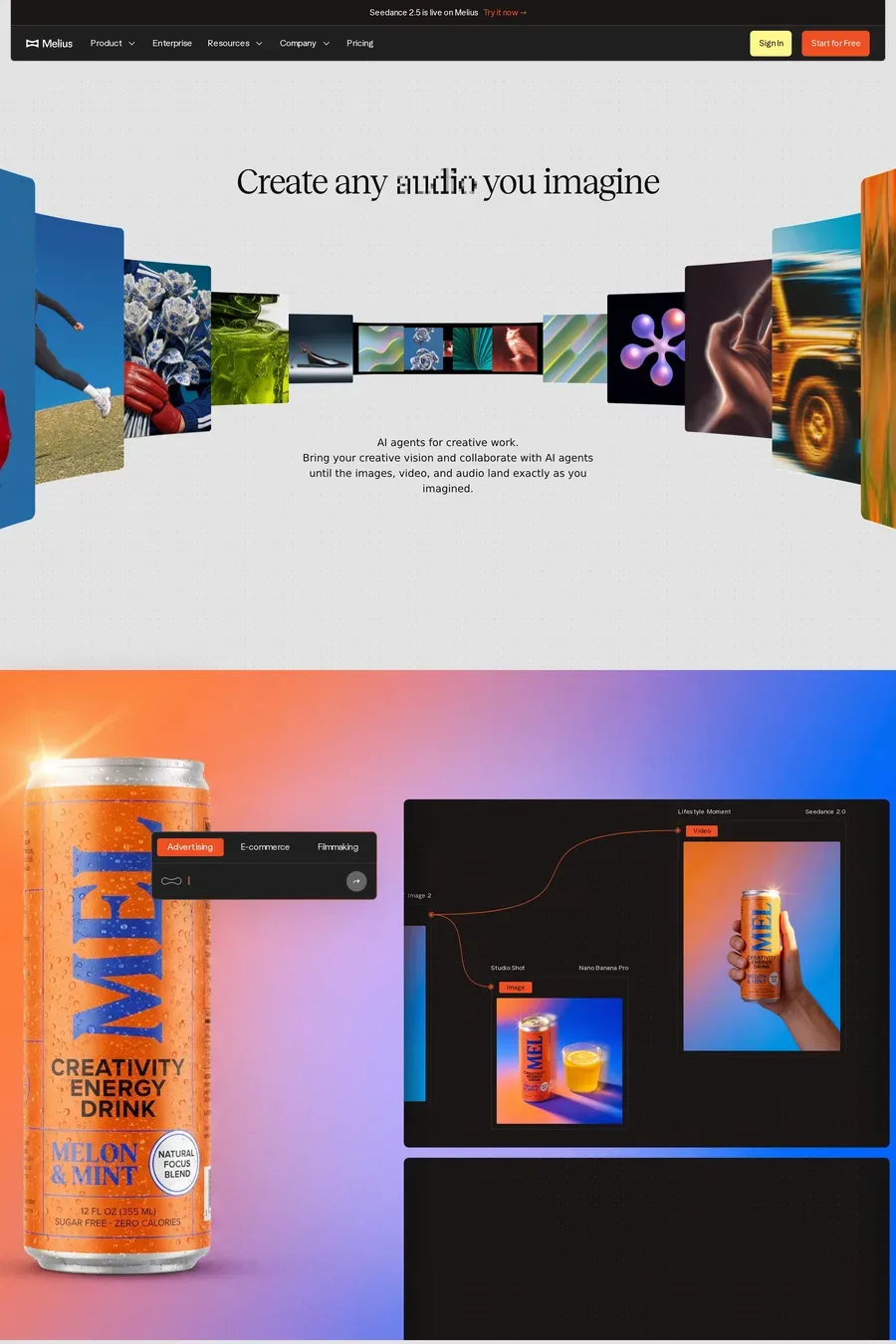
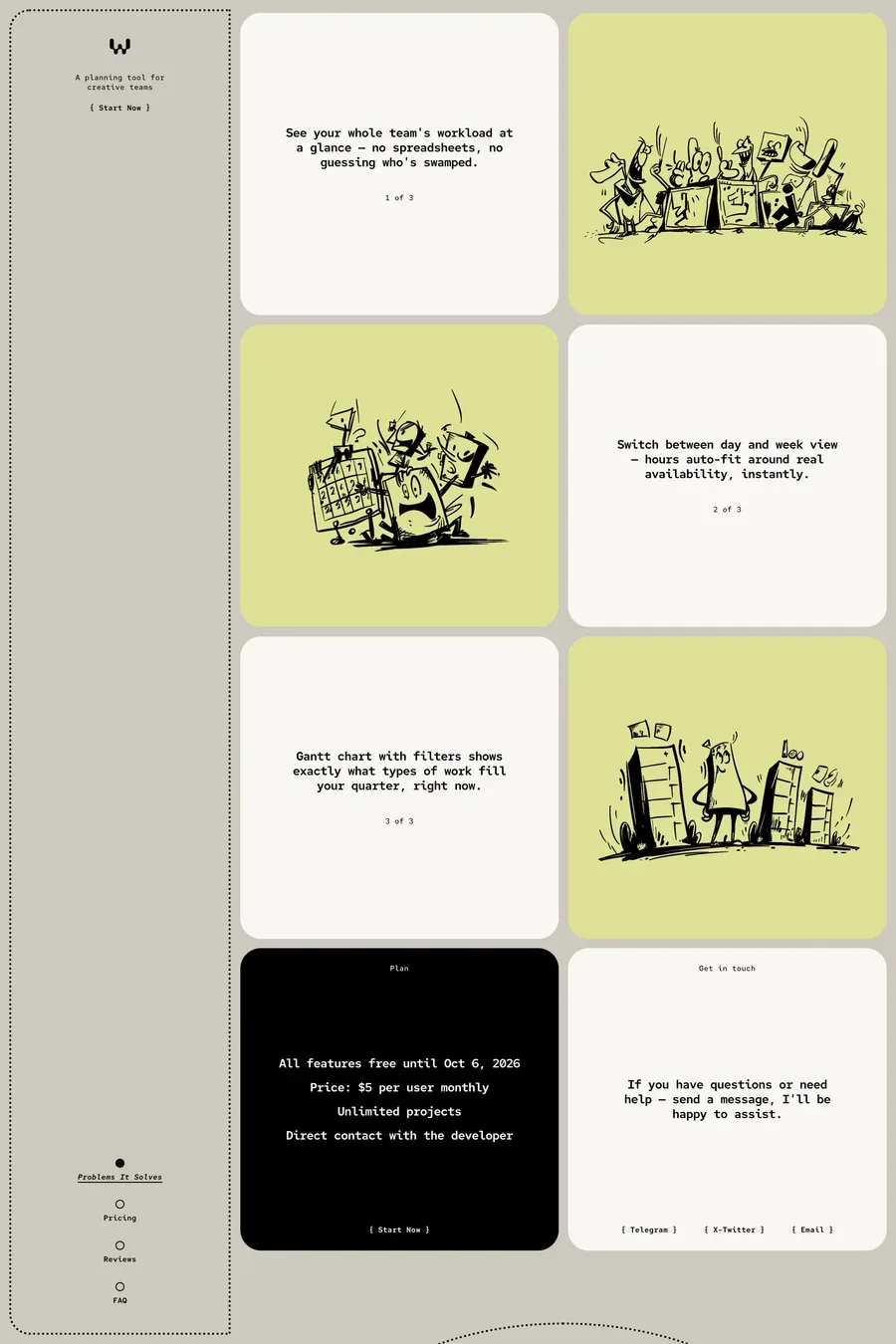
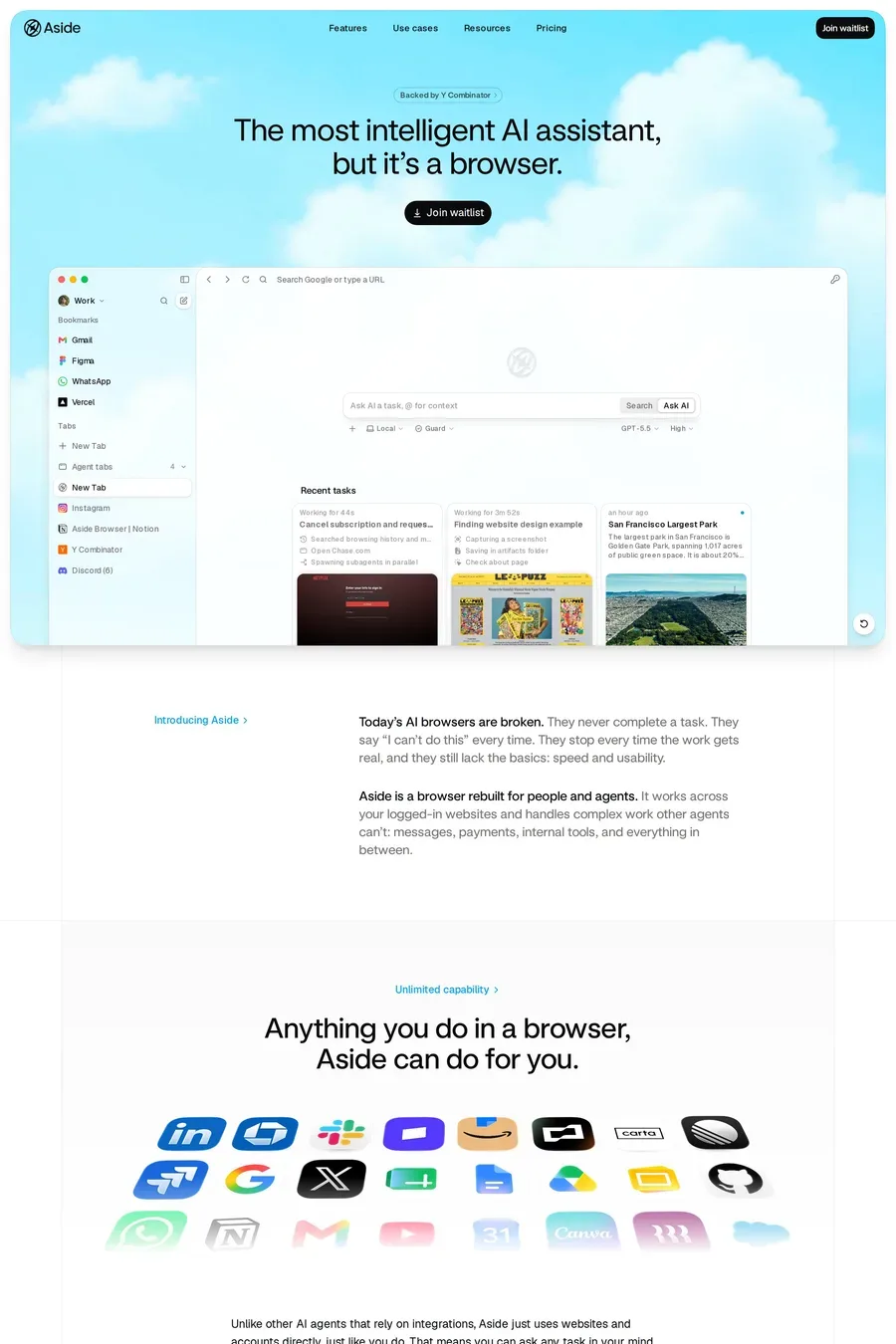
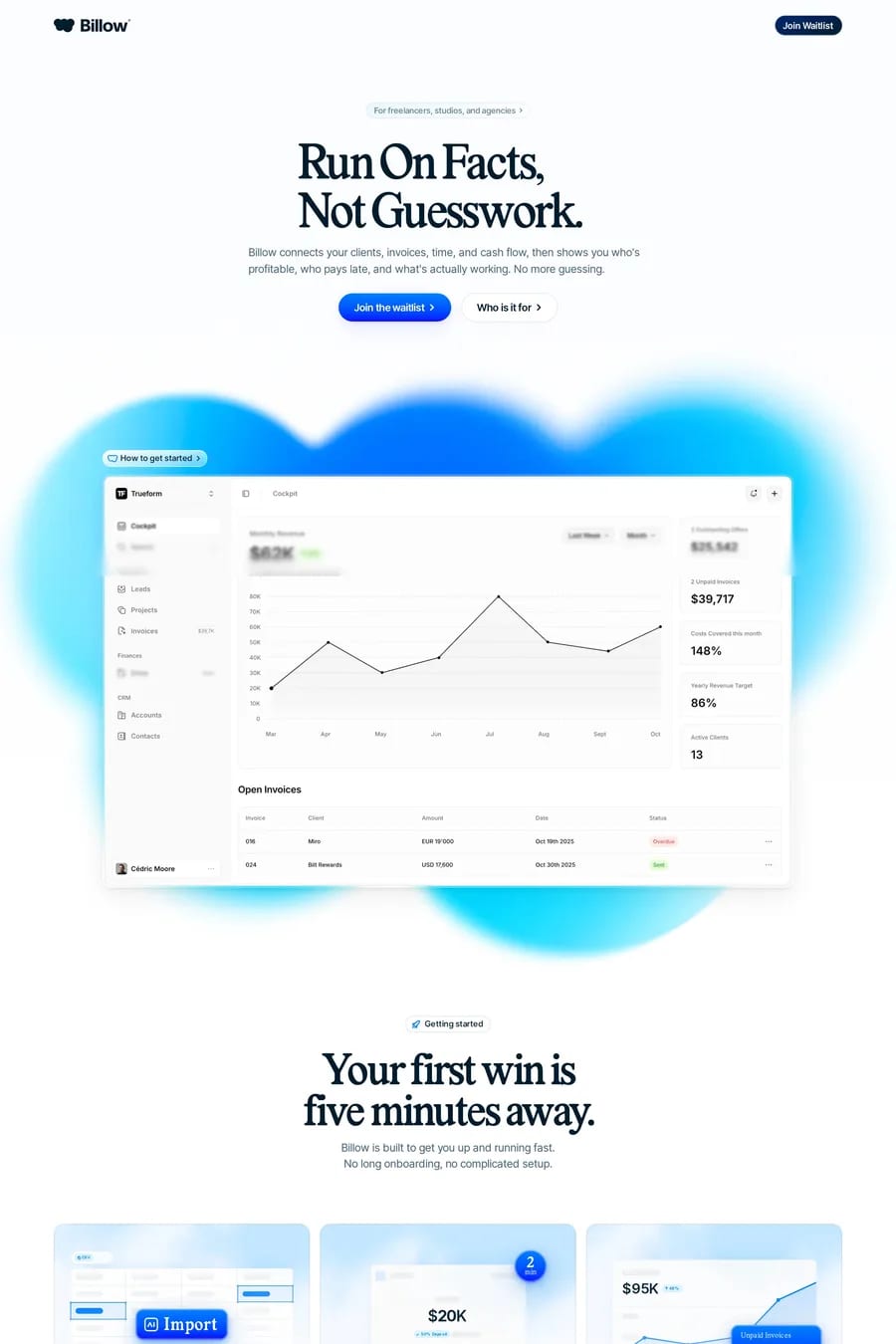
Specificity. A clear, concrete description of what the product is, who it’s for, and roughly when it’s coming. Waitlist pages that hide behind vague excitement ("we’re building something special") convert worse than pages that risk being too explicit ("an invoicing app for freelancers in the EU, launching September 2026"). Specificity is scary because it commits you to something, but it’s exactly that commitment that makes the visitor believe the product will exist. Generic waitlist pages convert badly because the visitor can’t imagine what they’re signing up for.
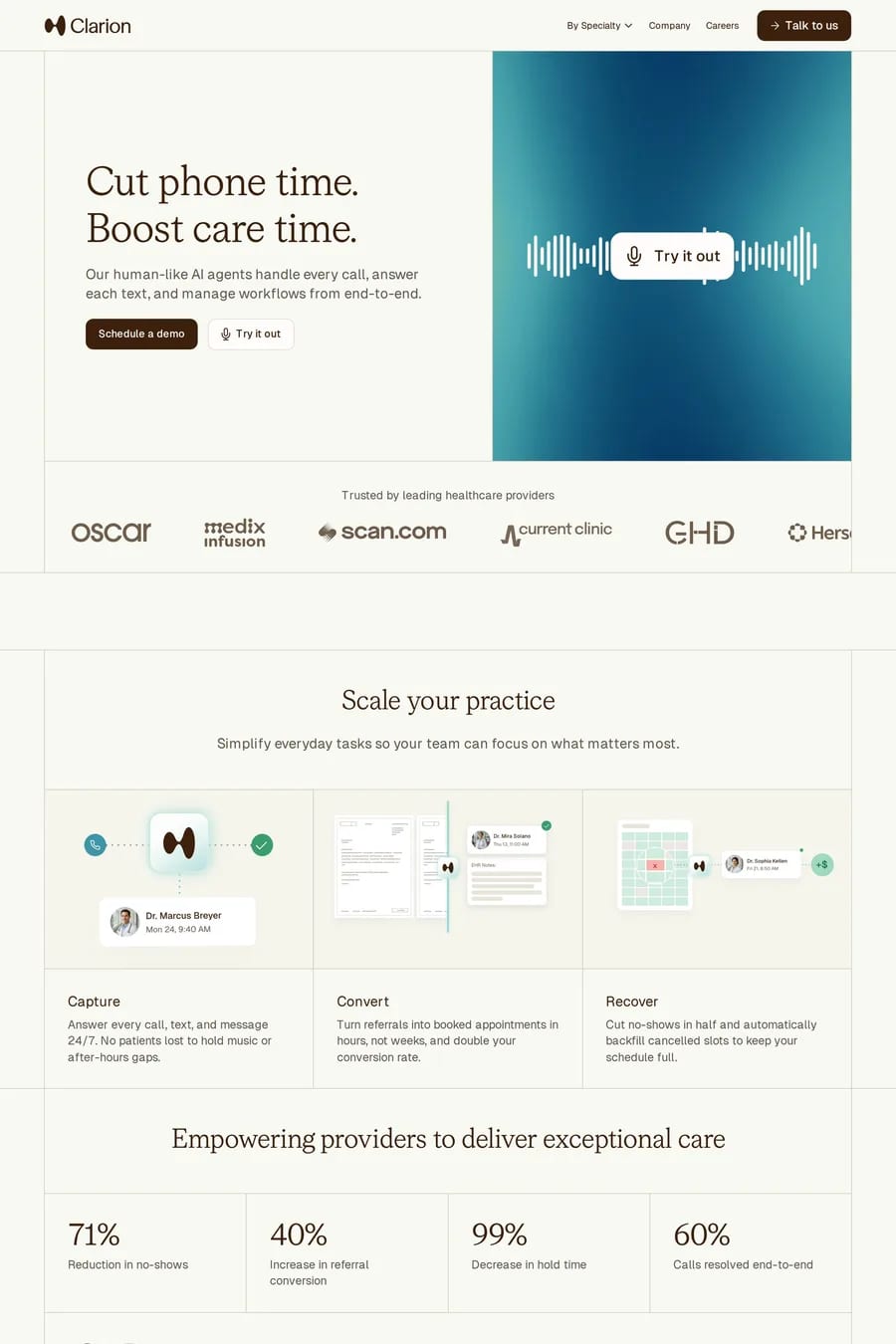
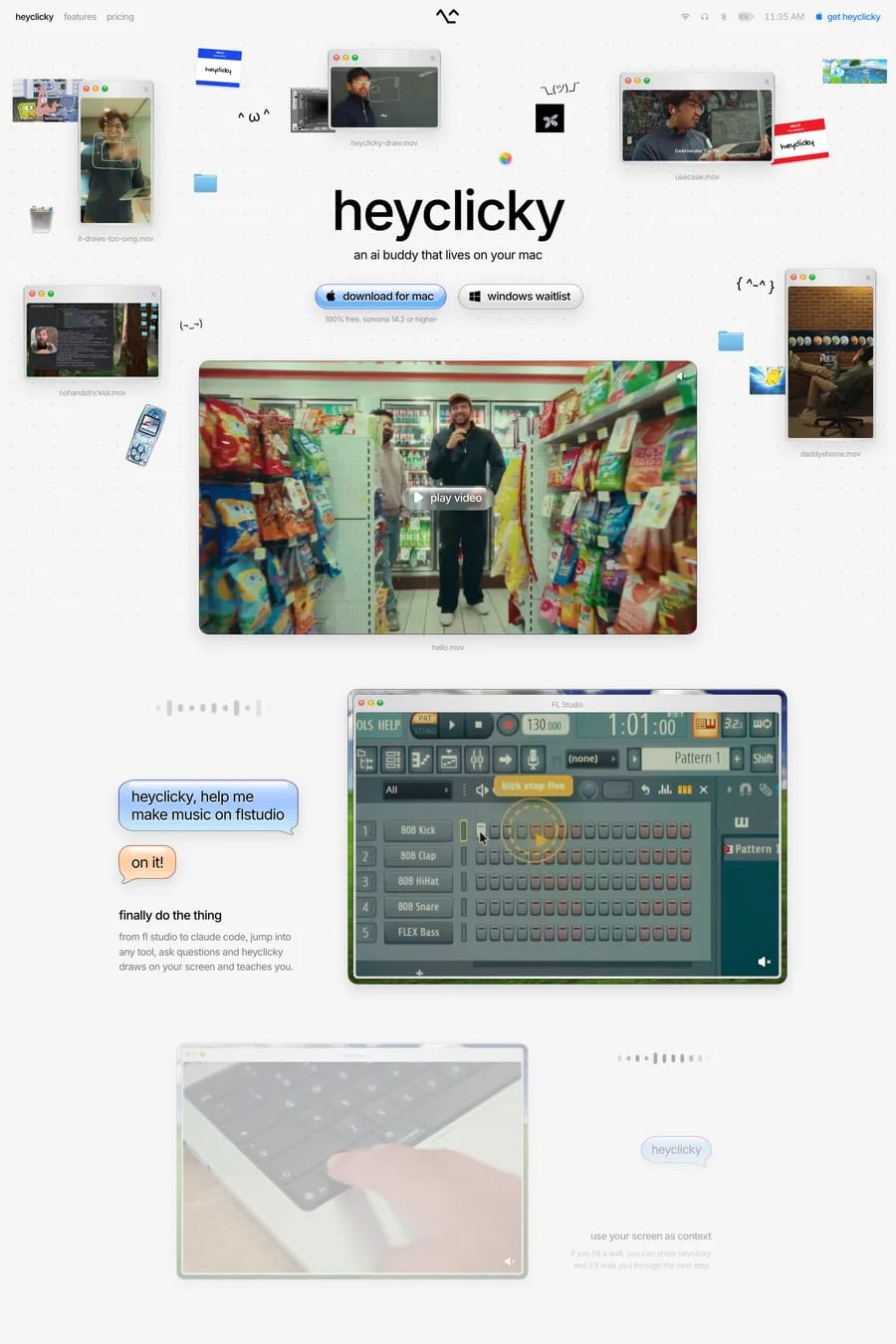
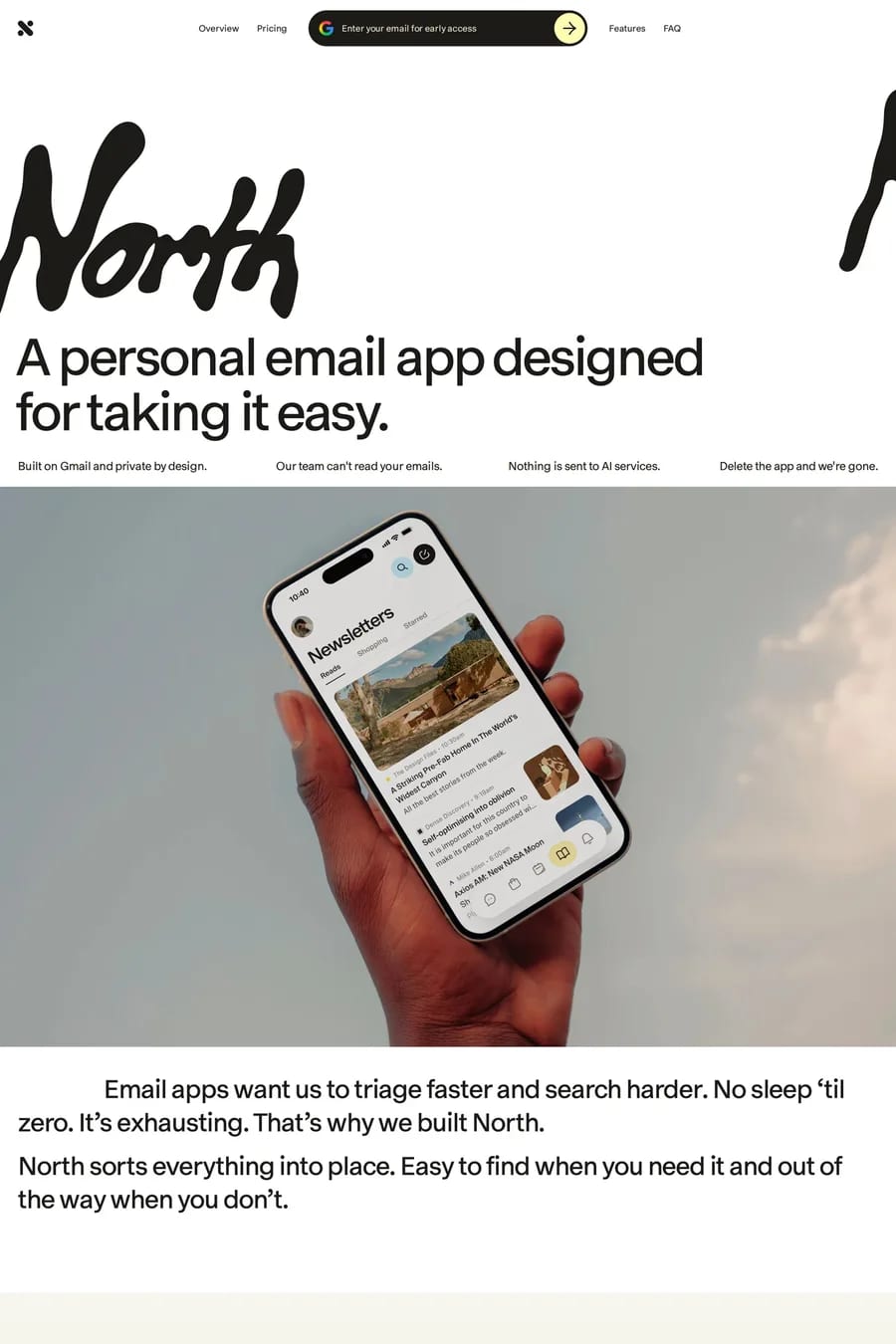
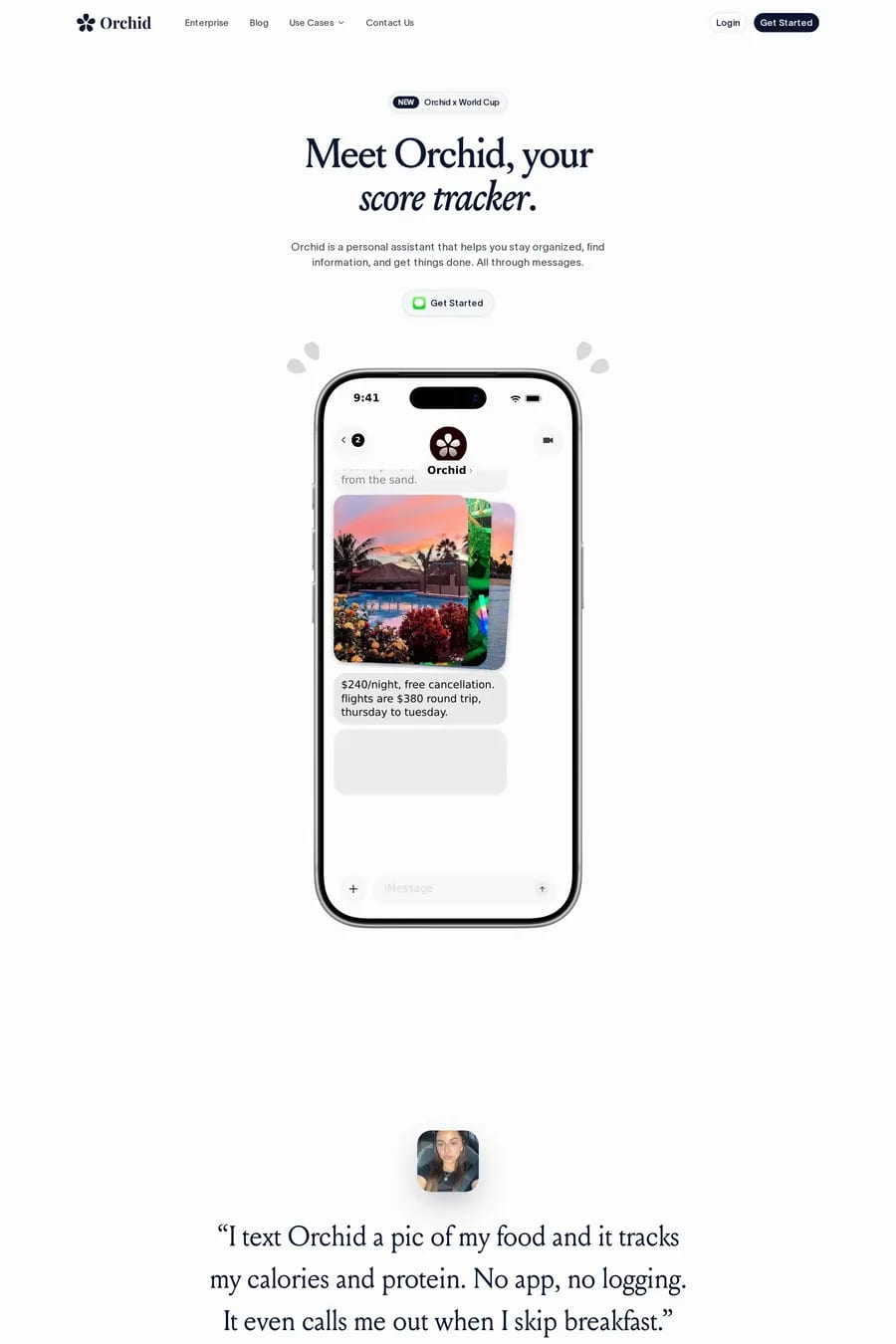
Through every signal that isn’t the product itself: the quality of the page, the specificity of the description, the founder background, design fidelity, and any teaser material that demonstrates the team can actually execute. The waitlist page *is* the proof at this stage — if the page itself is thoughtful and well-built, that signals the product will be too. If the page is a stock template with a Mailchimp embed, the visitor’s default assumption is that the product will be the same. Founder backgrounds matter more than most teams realise; people sign up because they believe in the team, not the idea.
Enough that the visitor knows whether they want it. Too little and the visitor can’t commit; too much and you lose the curiosity that drives sign-ups. The sweet spot is usually one specific use case described in detail, plus one or two teasing references to features that go beyond it. The visitor should leave with a clear picture of one thing the product does well and a sense that there’s more to discover. Showing the entire roadmap is rarely the right move at the waitlist stage.
Usually no. Every additional field reduces sign-up rates. The best waitlist pages in this collection ask for an email and nothing else, with optional follow-up surveys *after* the sign-up if the team wants more data. The exception is when the waitlist is selective — invite-only, capacity-limited, or B2B products where the team needs to prioritise. Then a short qualification form makes sense, but it should still be as short as possible (3–4 fields max). Anything longer is friction the team is paying for in lost sign-ups.
The strongest ones make the moment of sign-up feel like an event, not a confirmation. A custom thank-you screen, a referral mechanism (give the user a link to share with a position-bumping incentive), an email that arrives quickly with an actual personality. The weakest ones drop the user back to the same page with a "thanks!" message and the user immediately forgets they signed up. The post-sign-up moment is the only chance to convert a passive sign-up into an active early advocate, and most waitlist pages waste it.
Almost any modern website builder works — Framer and Webflow are particularly popular because they make it easy to build a high-fidelity page quickly without code. Next.js is the standard for waitlist pages that need to integrate with a backend (referral tracking, queue position display, capacity management). The platform matters less than the email infrastructure behind it — make sure sign-ups land in a list you actually control and can email later, not in a tool you’ll abandon before launch.