
Updated
Curated inspiration sent every Tuesday
Unsubscribe at any time
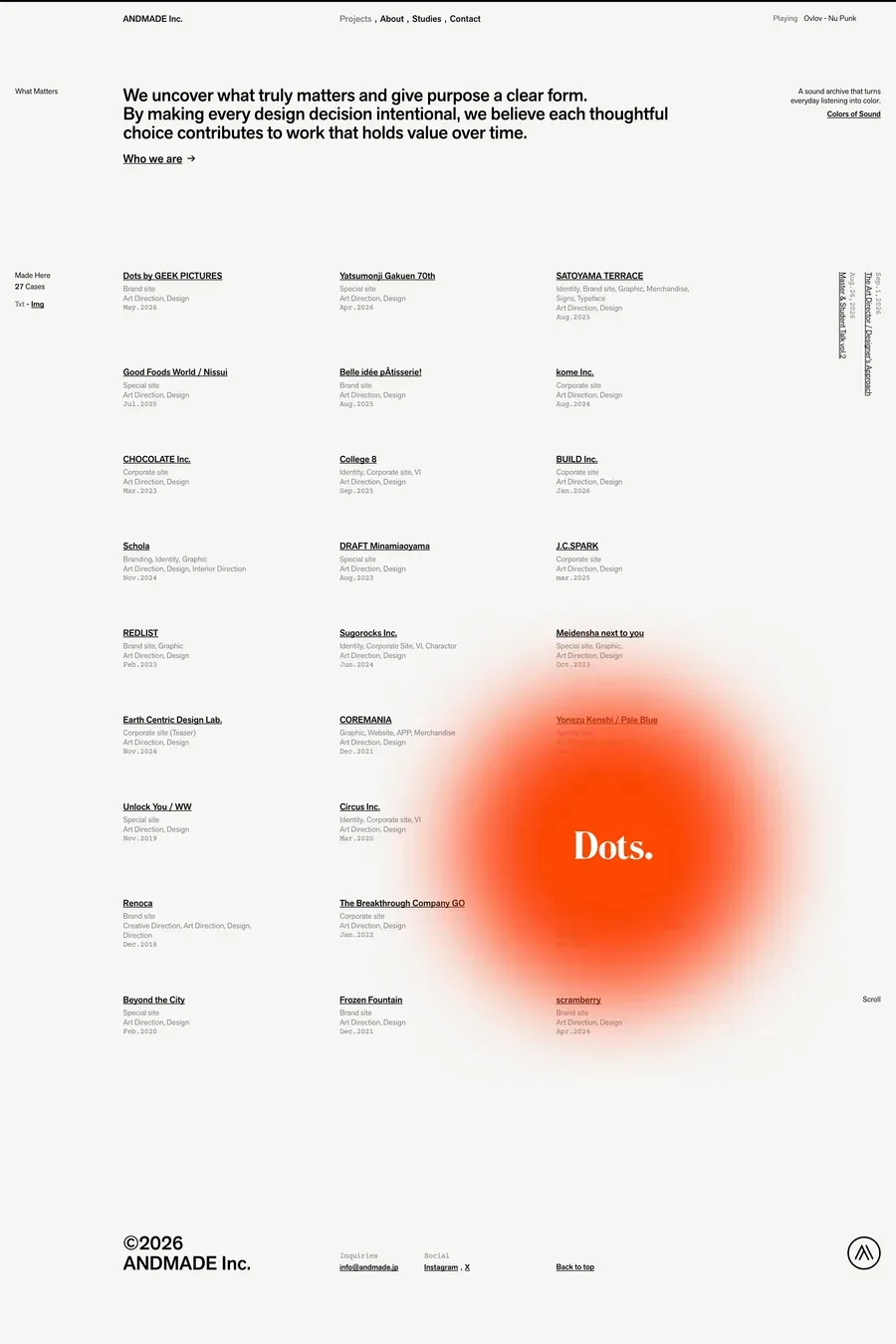
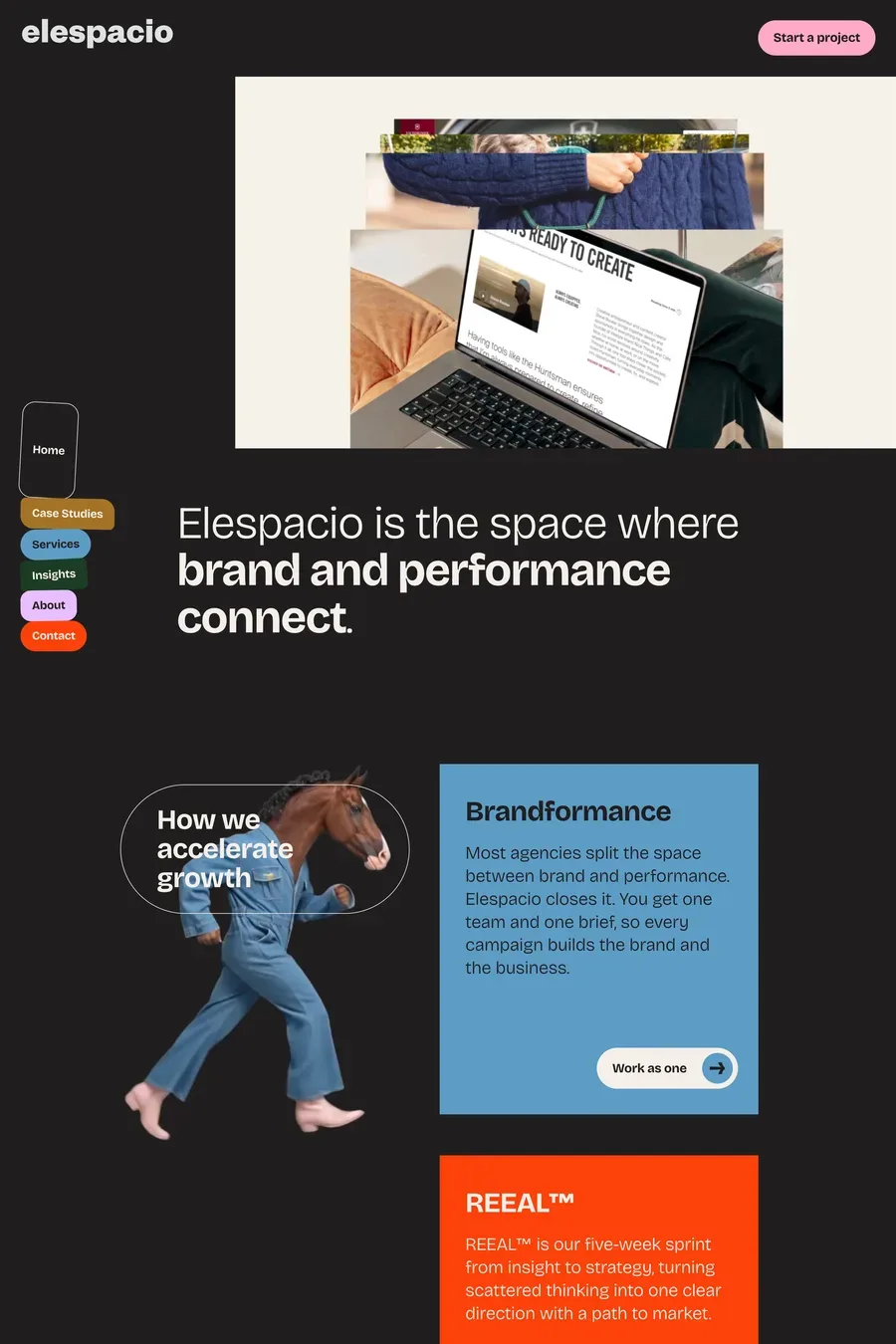
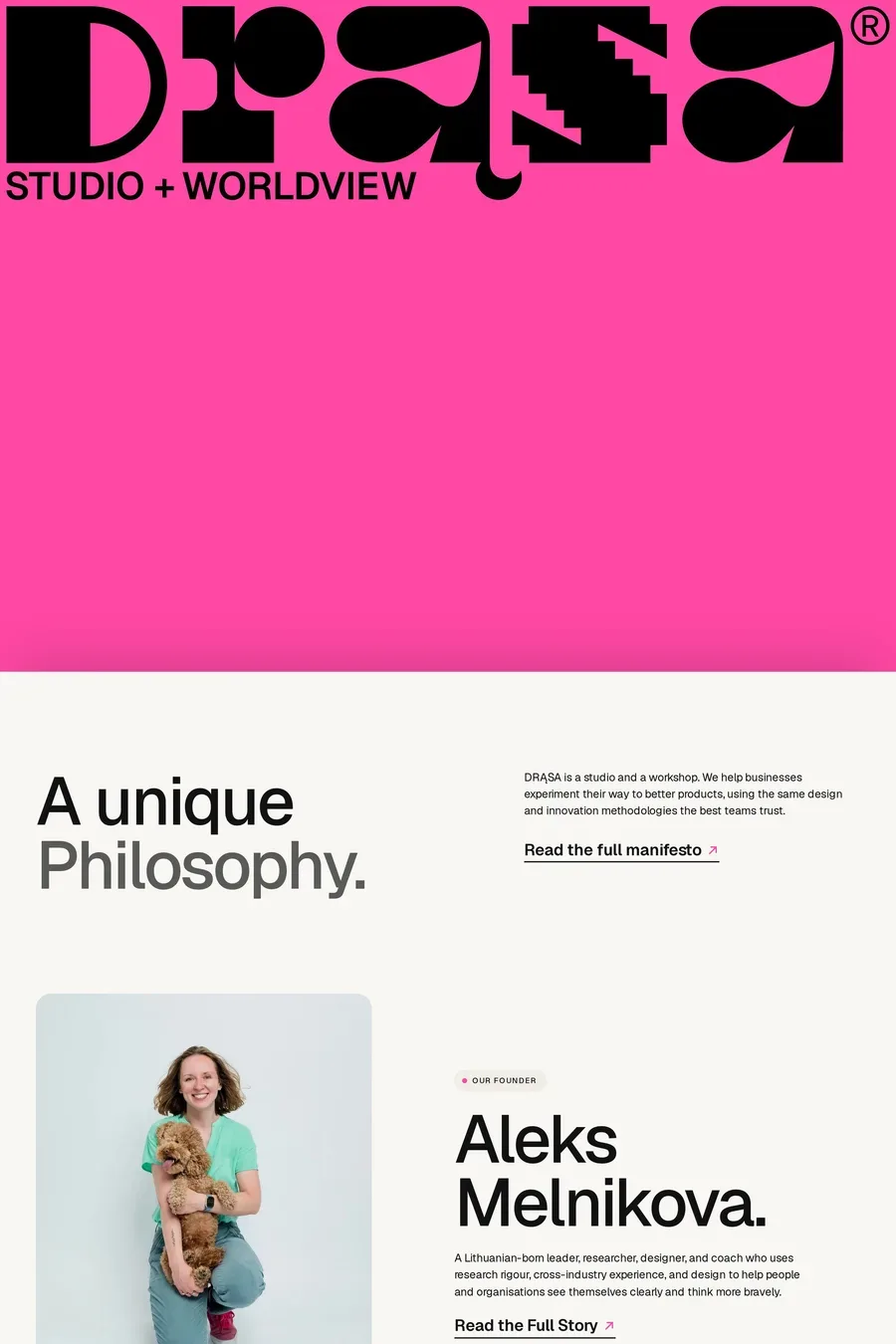
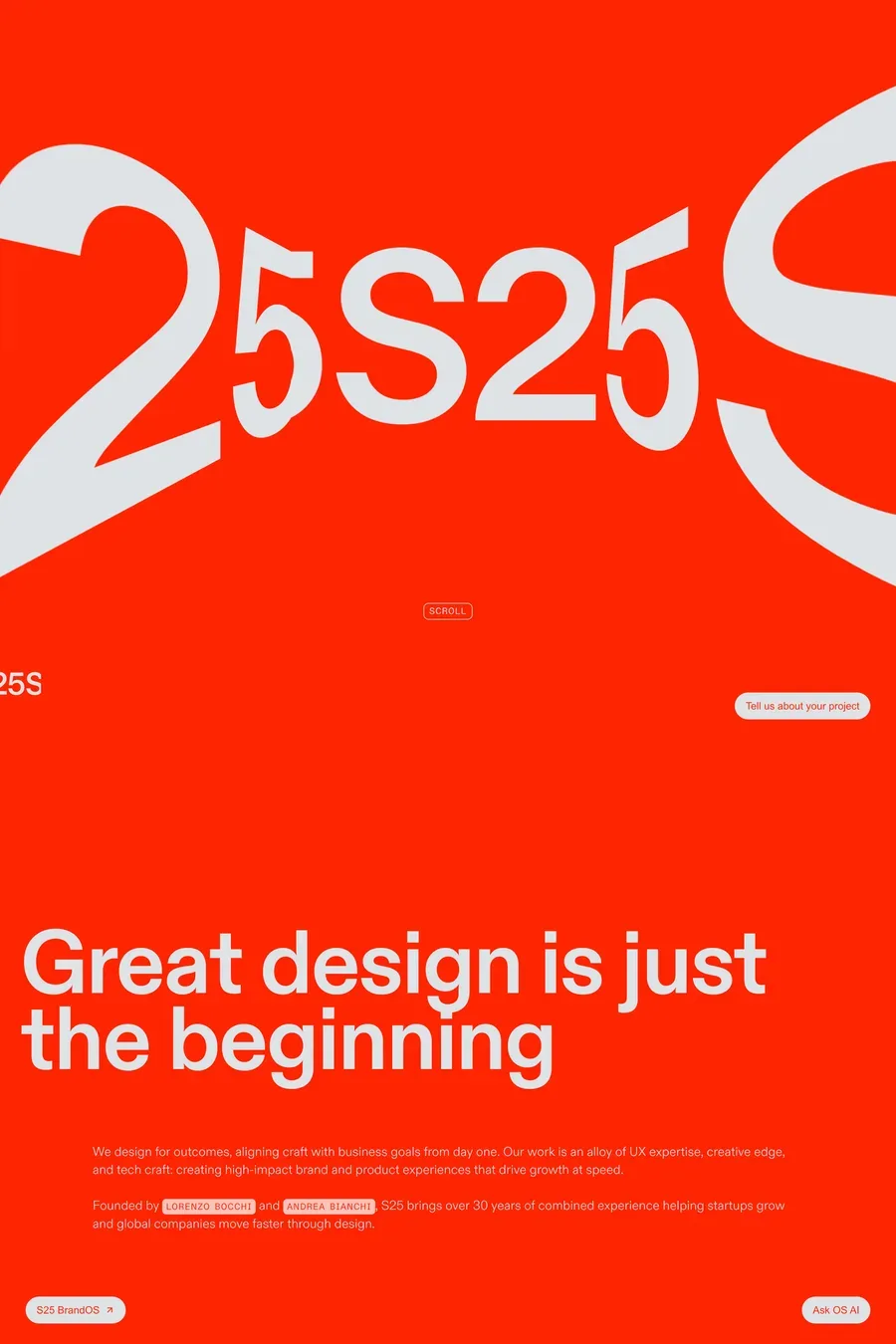
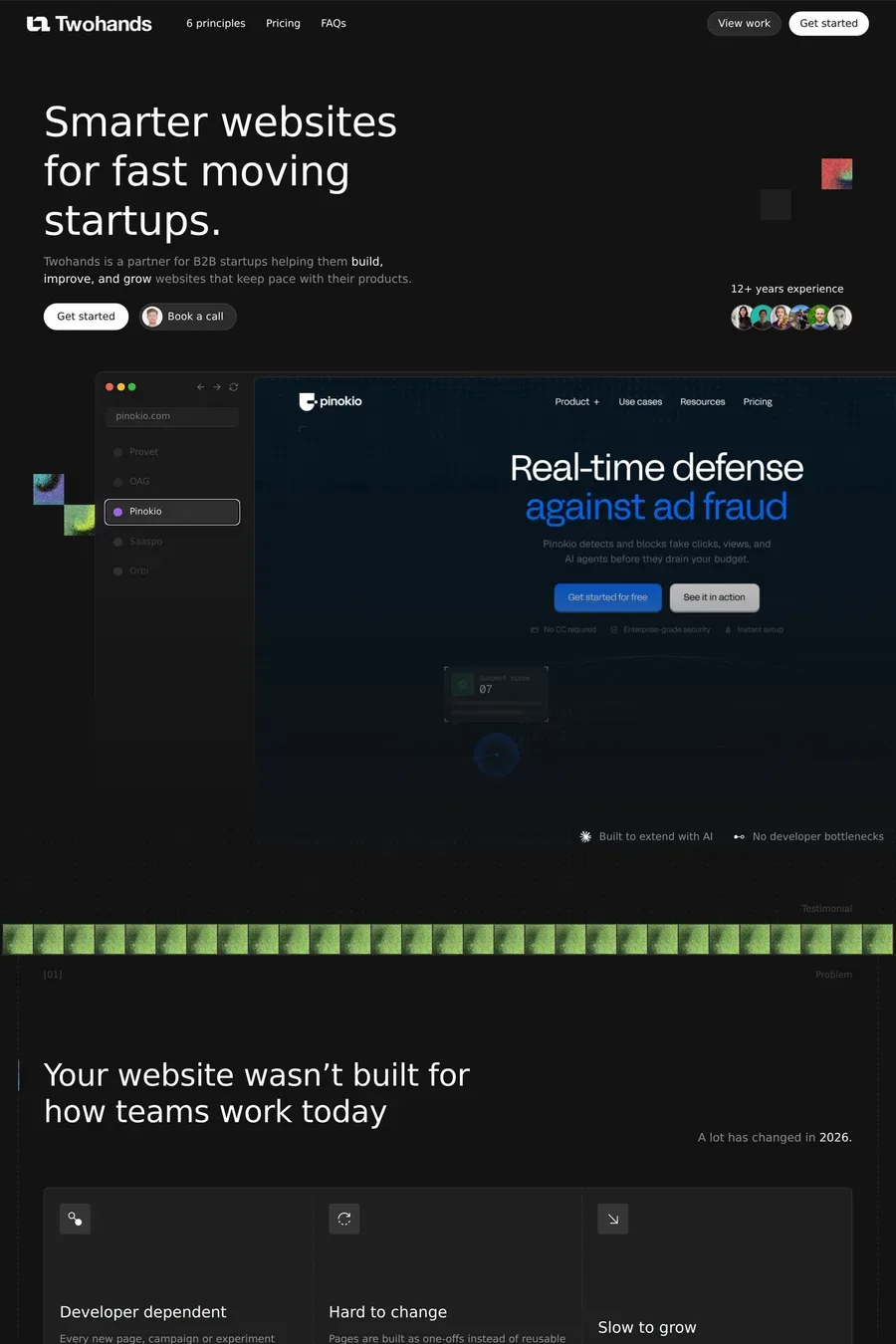
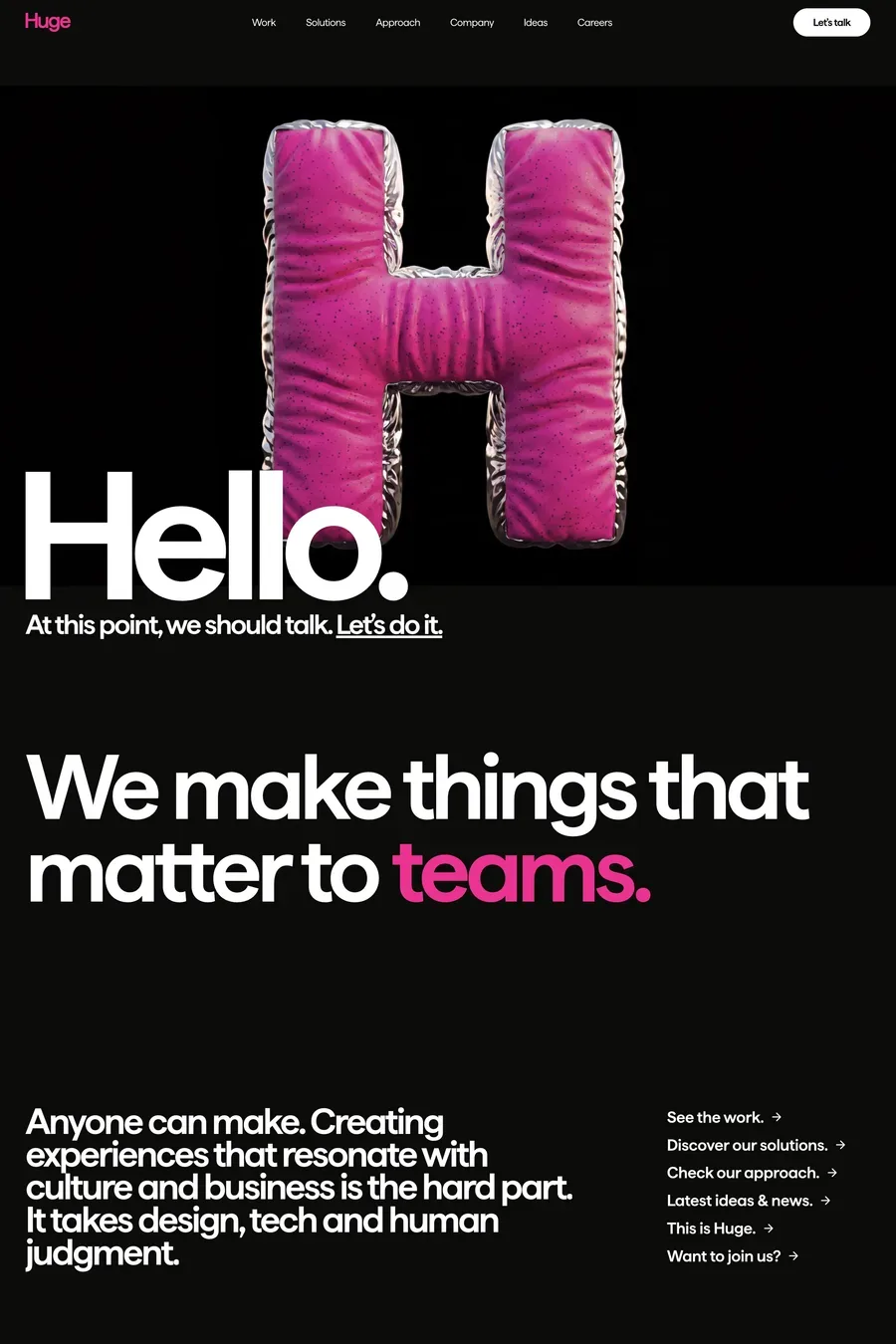
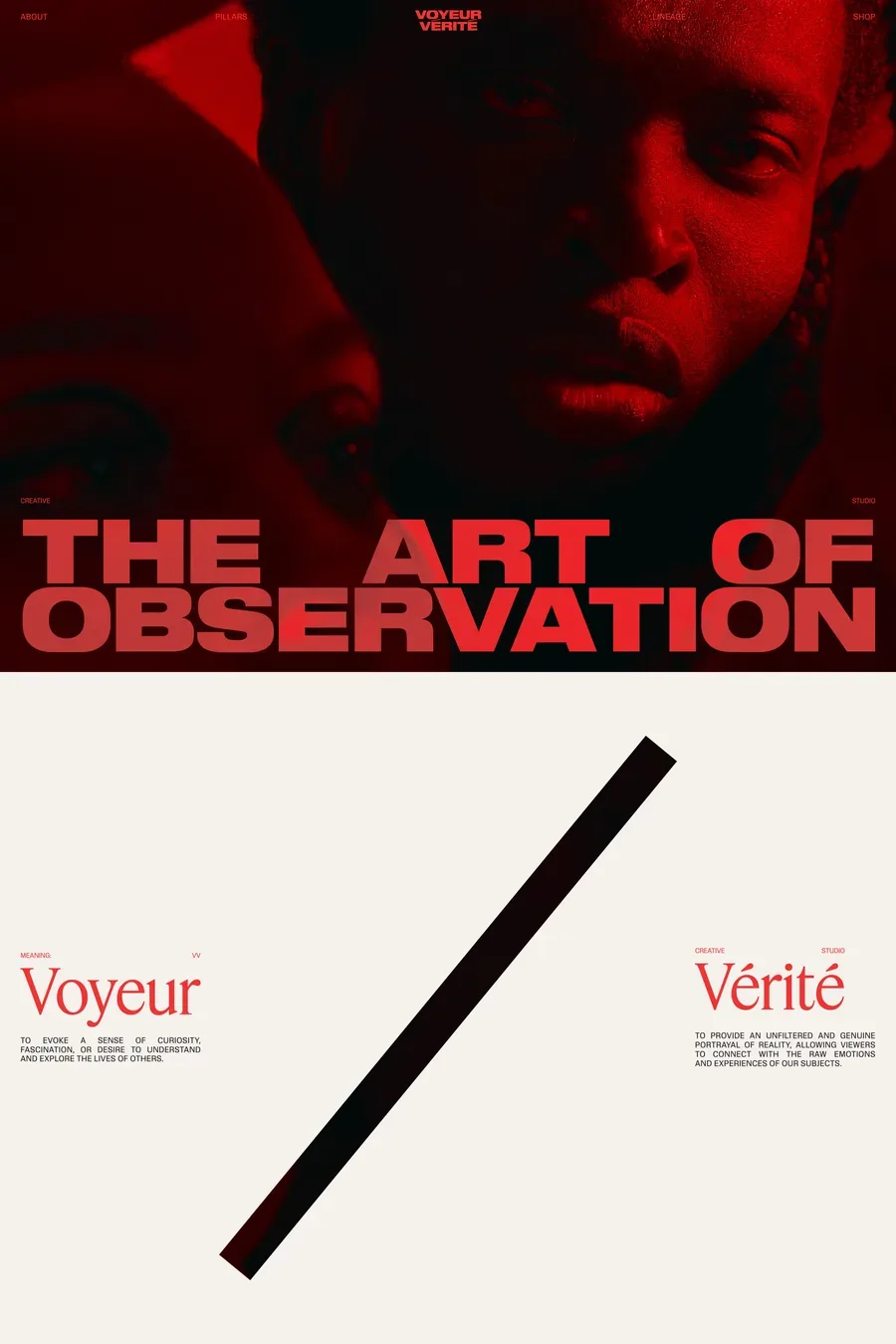
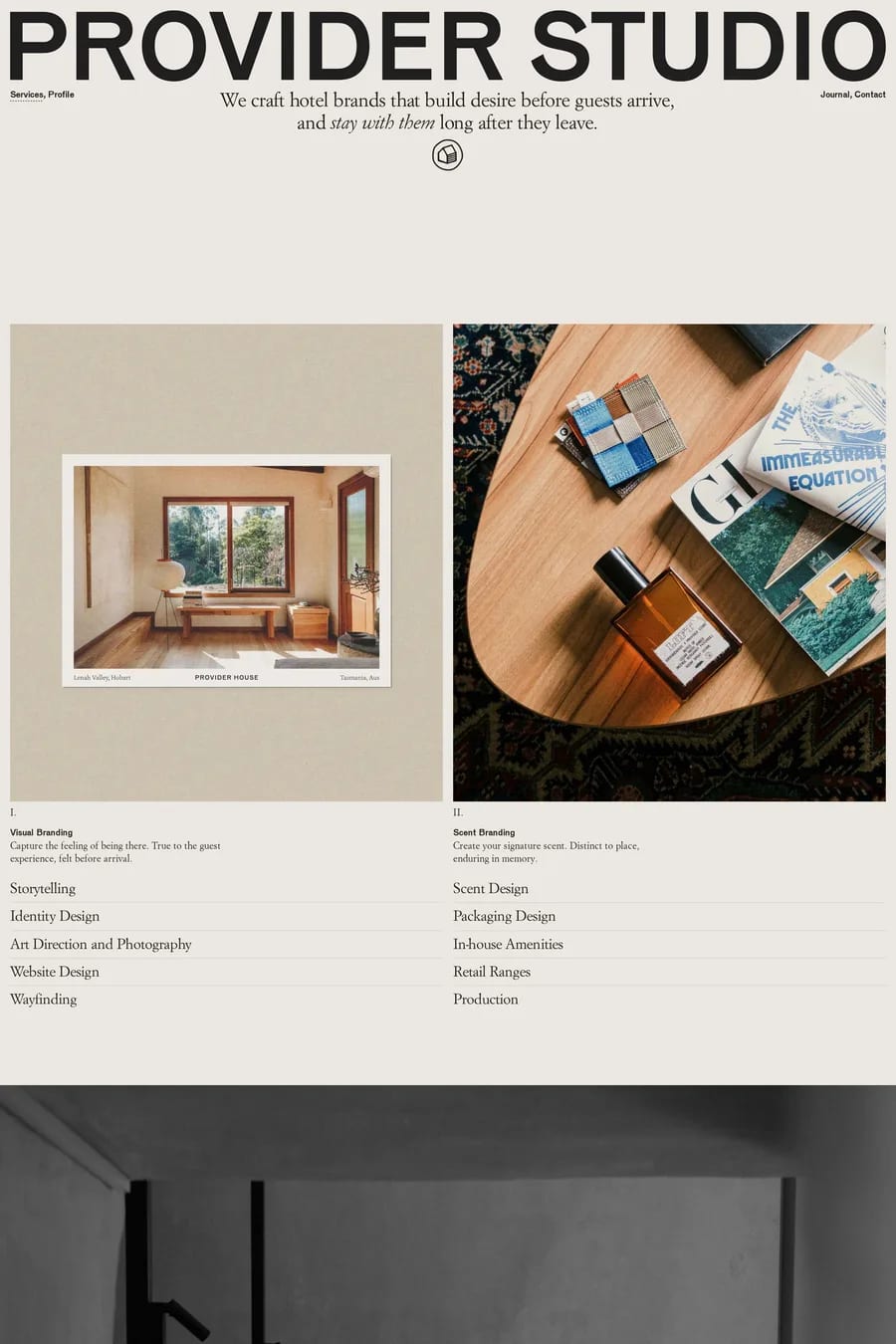
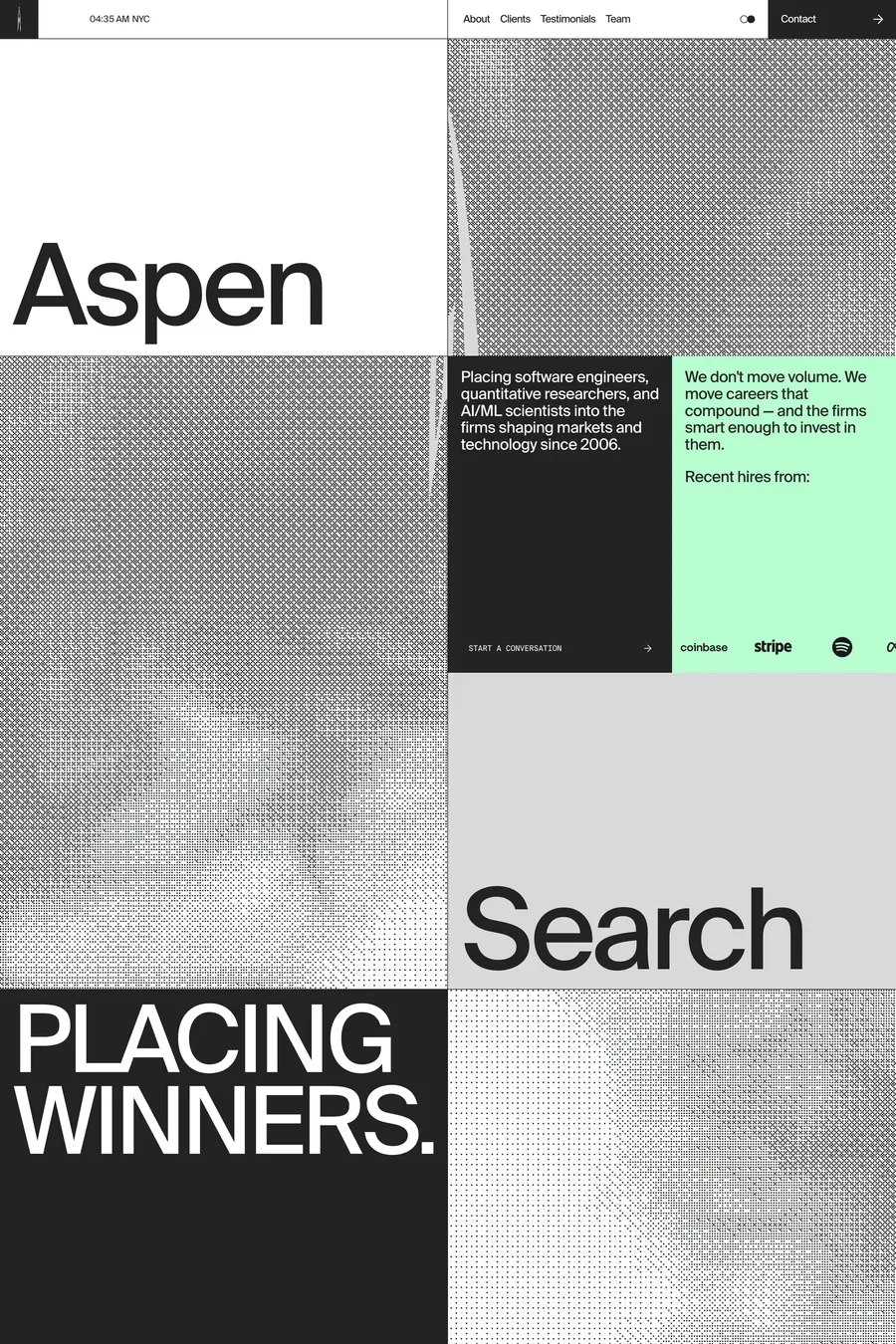
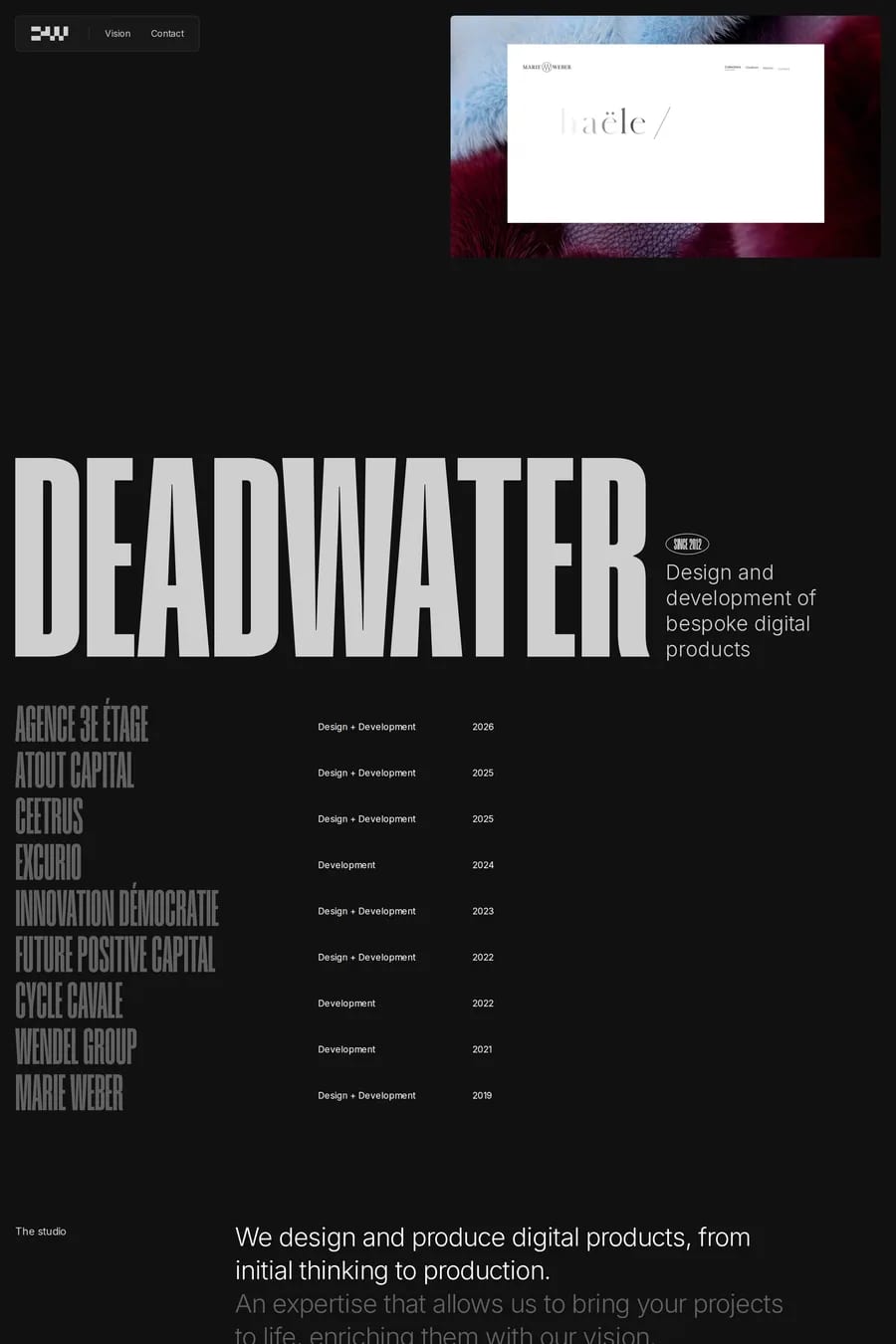
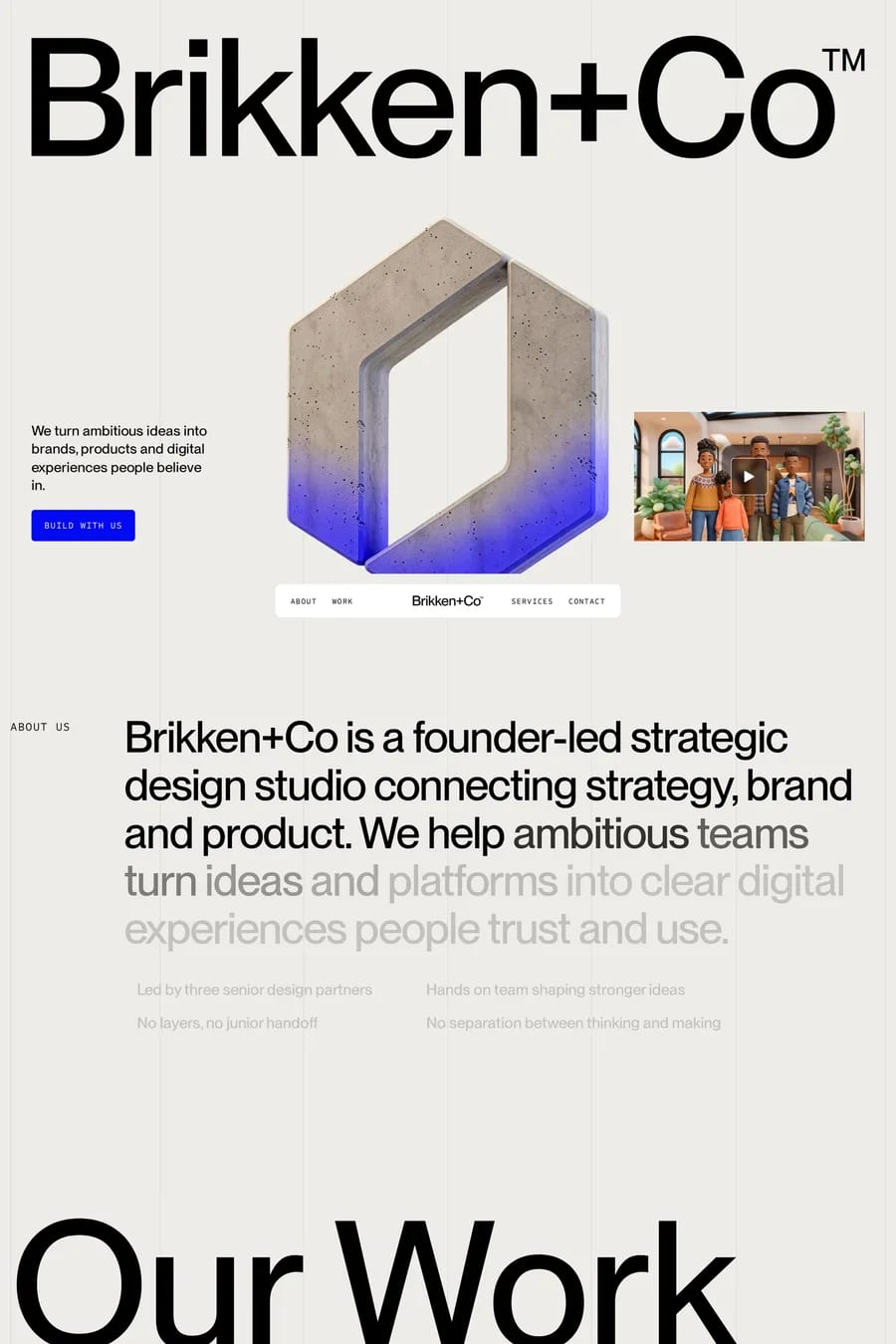
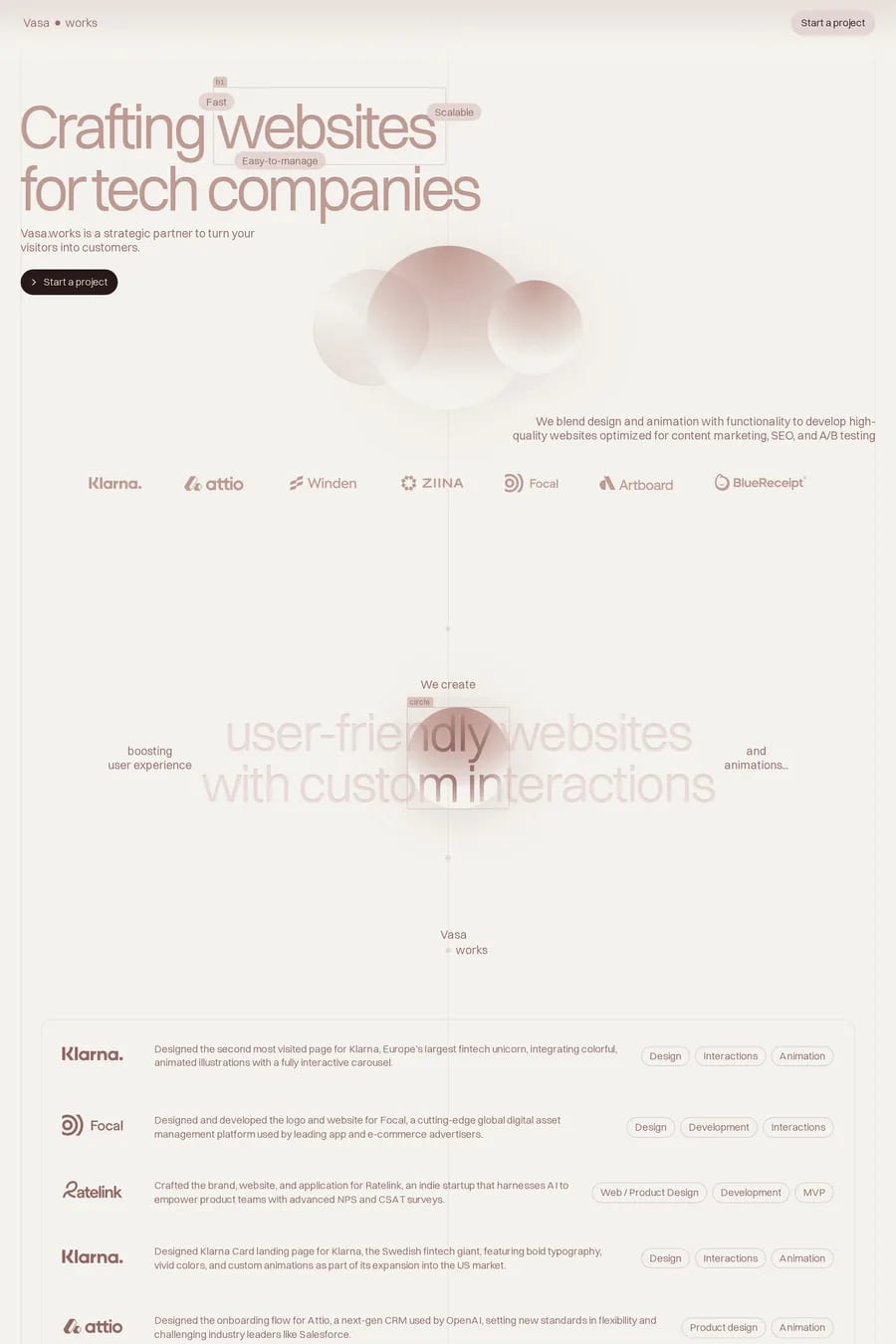
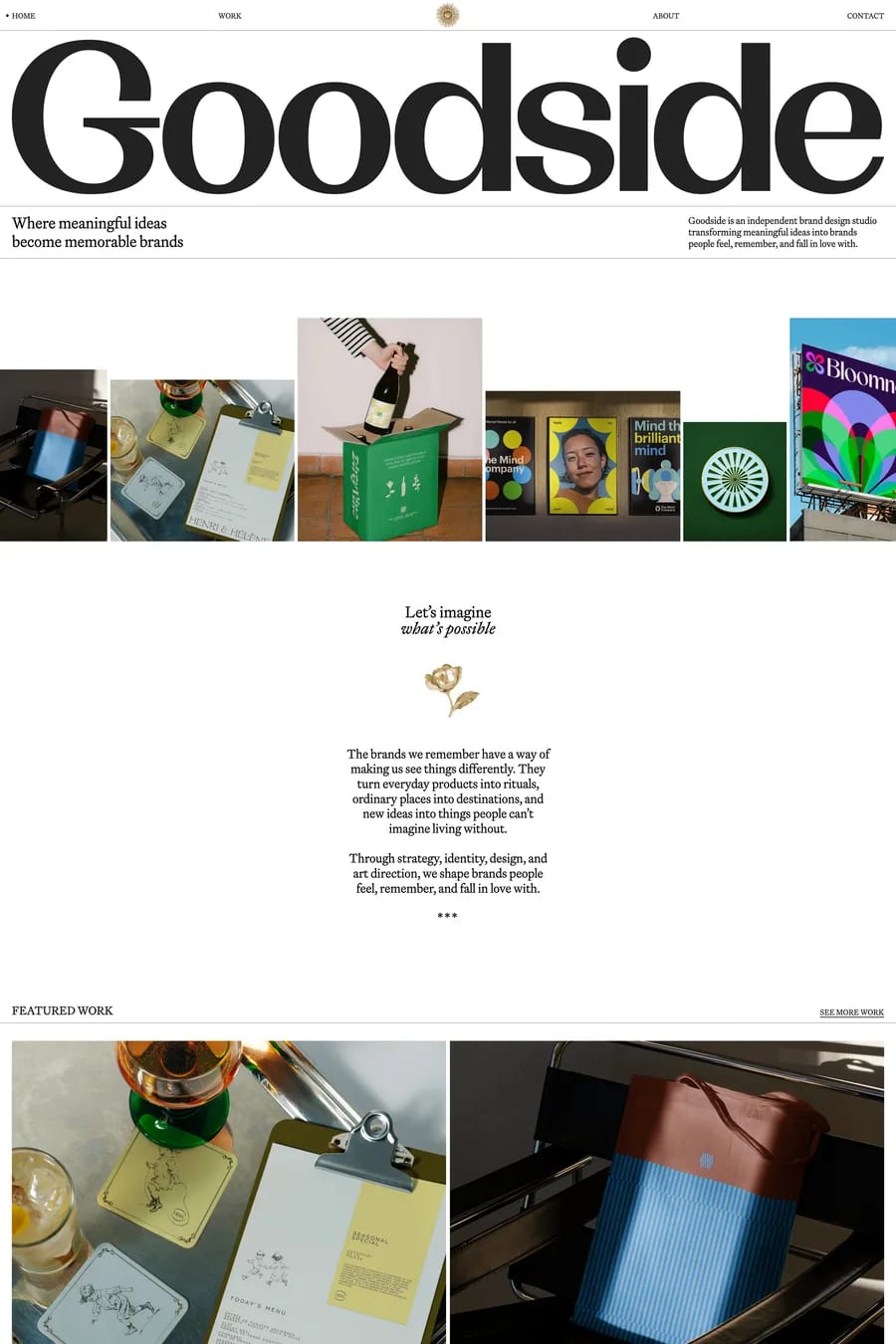
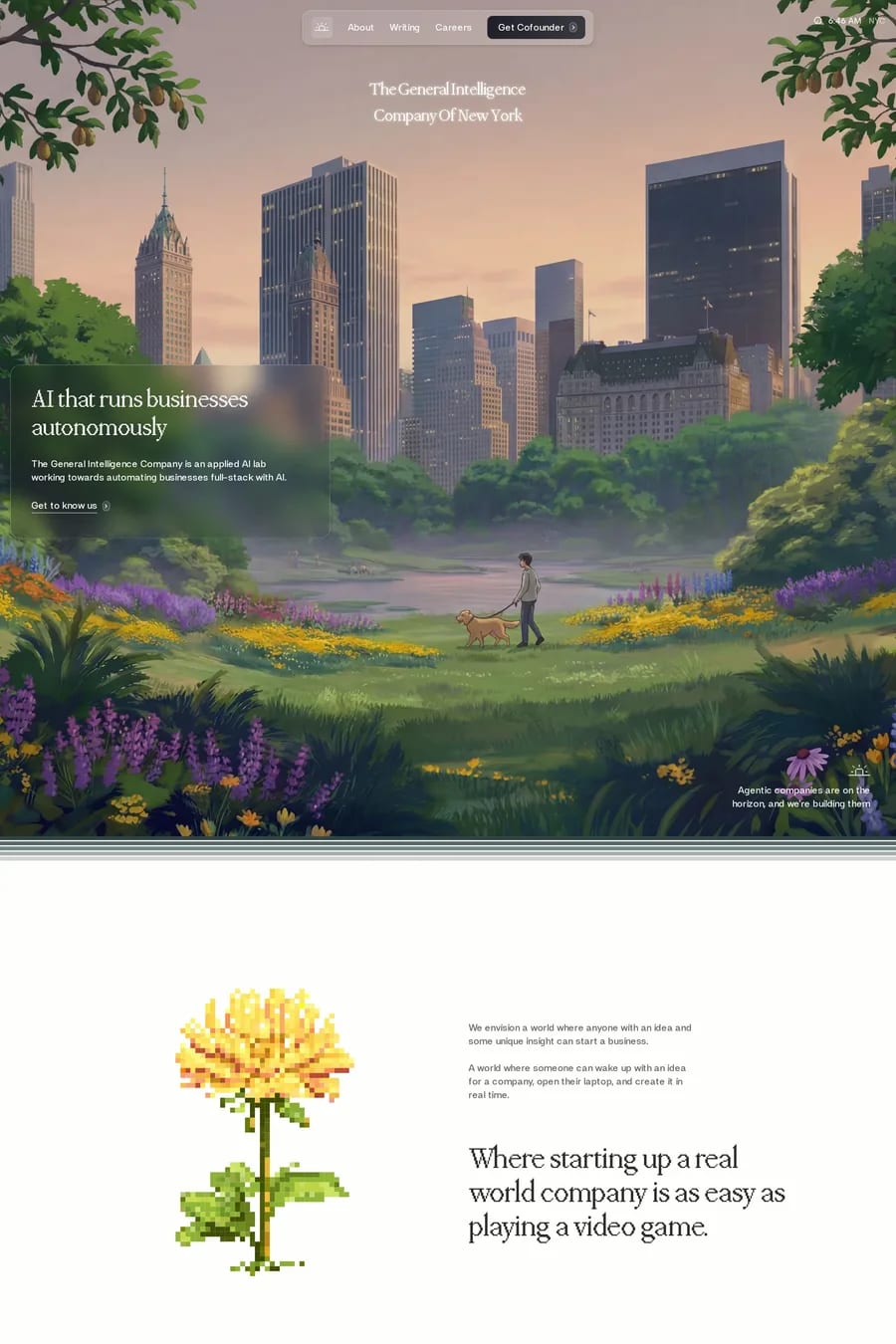
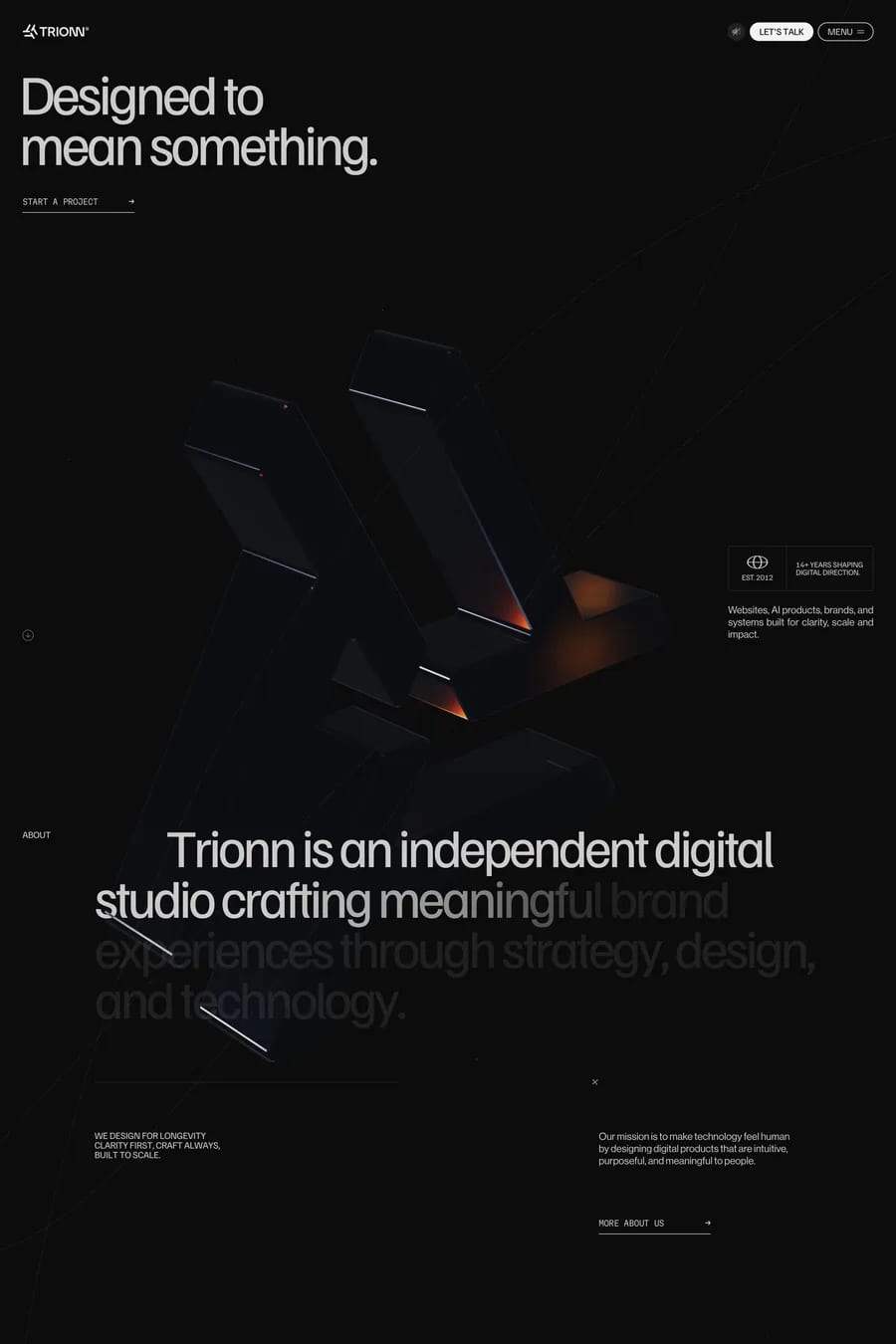
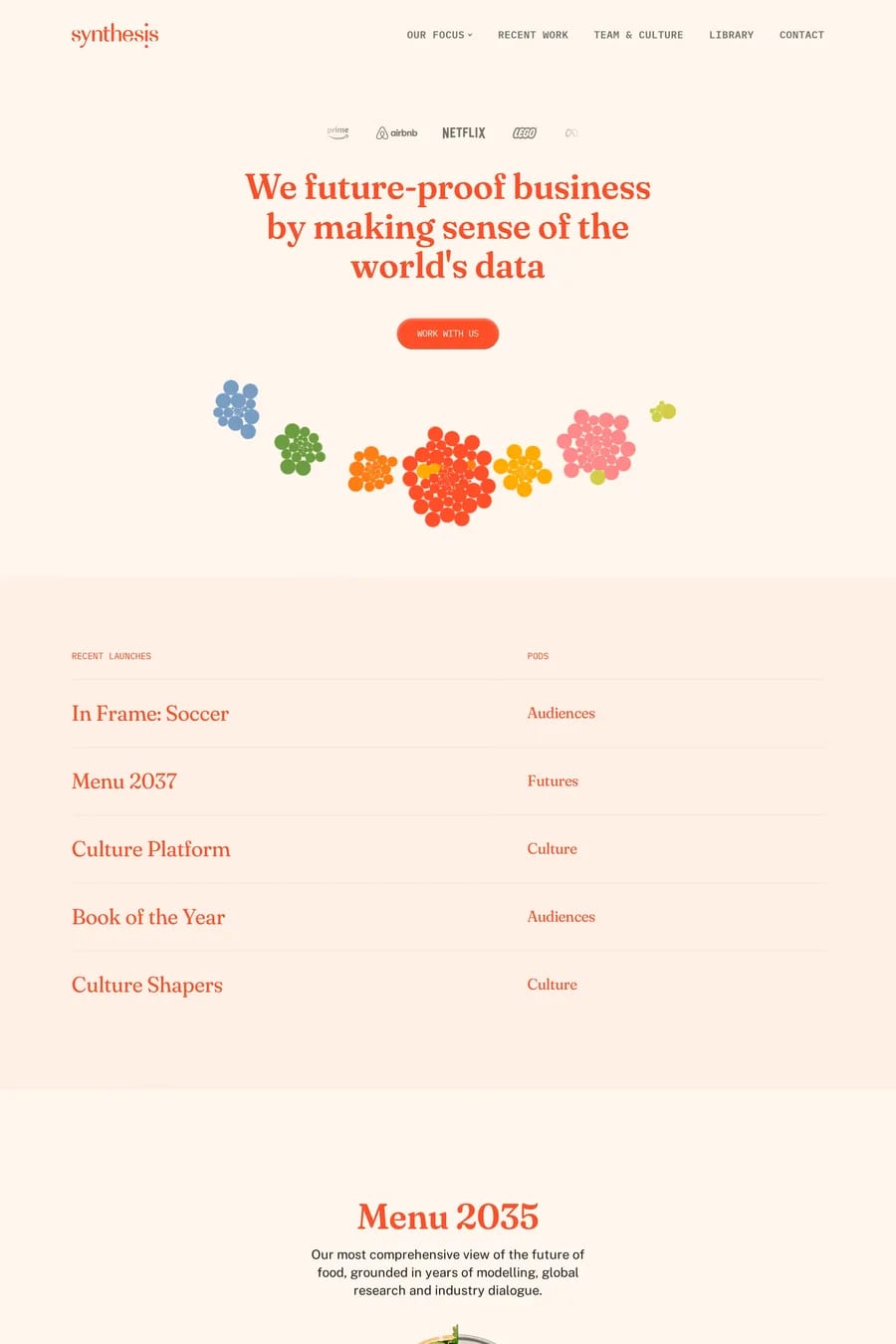
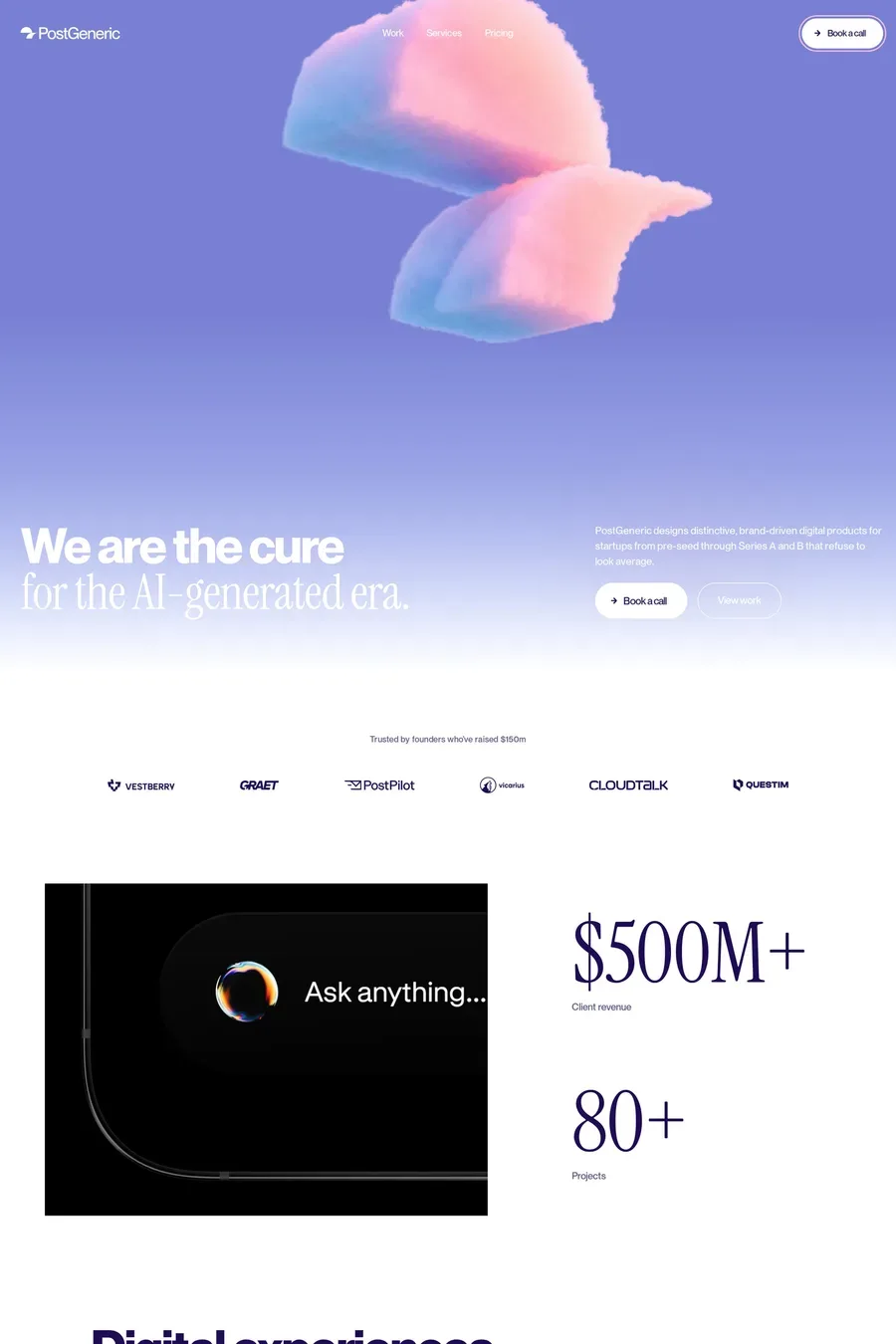
A great agency site makes its taste claim in the first three seconds and earns every scroll afterwards. Generic agency sites lead with services and team grids — a great one leads with the work and lets the work do the talking. Watch for restraint in case study count (five strong projects beats fifteen mediocre ones), opinionated typography choices that wouldn’t survive committee review, and case study pages that show *thinking*, not just outcomes. The agency’s own site should be the most ruthlessly edited project in their portfolio, because for prospective clients it is the case study they’ll judge everything else against.
Fewer than you think. Five to eight strong, recent case studies on the homepage is the sweet spot for most independent agencies — enough to demonstrate range without diluting any individual project. The instinct to show everything is the instinct of an agency that doesn’t trust its own judgement. Larger agencies sometimes get away with longer grids because the case study quality is uniformly high, but for boutique studios the shorter the grid, the stronger the signal. Always lead with the project you’d most want to be hired to recreate, not the one with the biggest client logo.
The strongest case studies in this collection share a structure: brief, approach, decision, outcome — in that order, with the *decision* being the load-bearing section. Most agency case studies skip straight from brief to outcome and lose the part that prospective clients actually care about: how you think under pressure. Show the constraint that forced a choice. Show the alternative you rejected and why. Show the moment the project changed direction. Outcomes matter, but they’re table stakes — what differentiates one agency from another is the visible quality of the decision-making.
An agency website has to represent a collective identity rather than a single voice, which makes the editorial job harder. The best agency sites resolve this by adopting a *house voice* — a tone, a typographic system, a way of writing project descriptions — that feels collective without being corporate. Personal portfolios have the advantage of being able to use the designer’s own personality as the design system; agencies have to construct one. See designer profiles for how individuals approach the same problem, and notice how much harder the agency form is when done well.
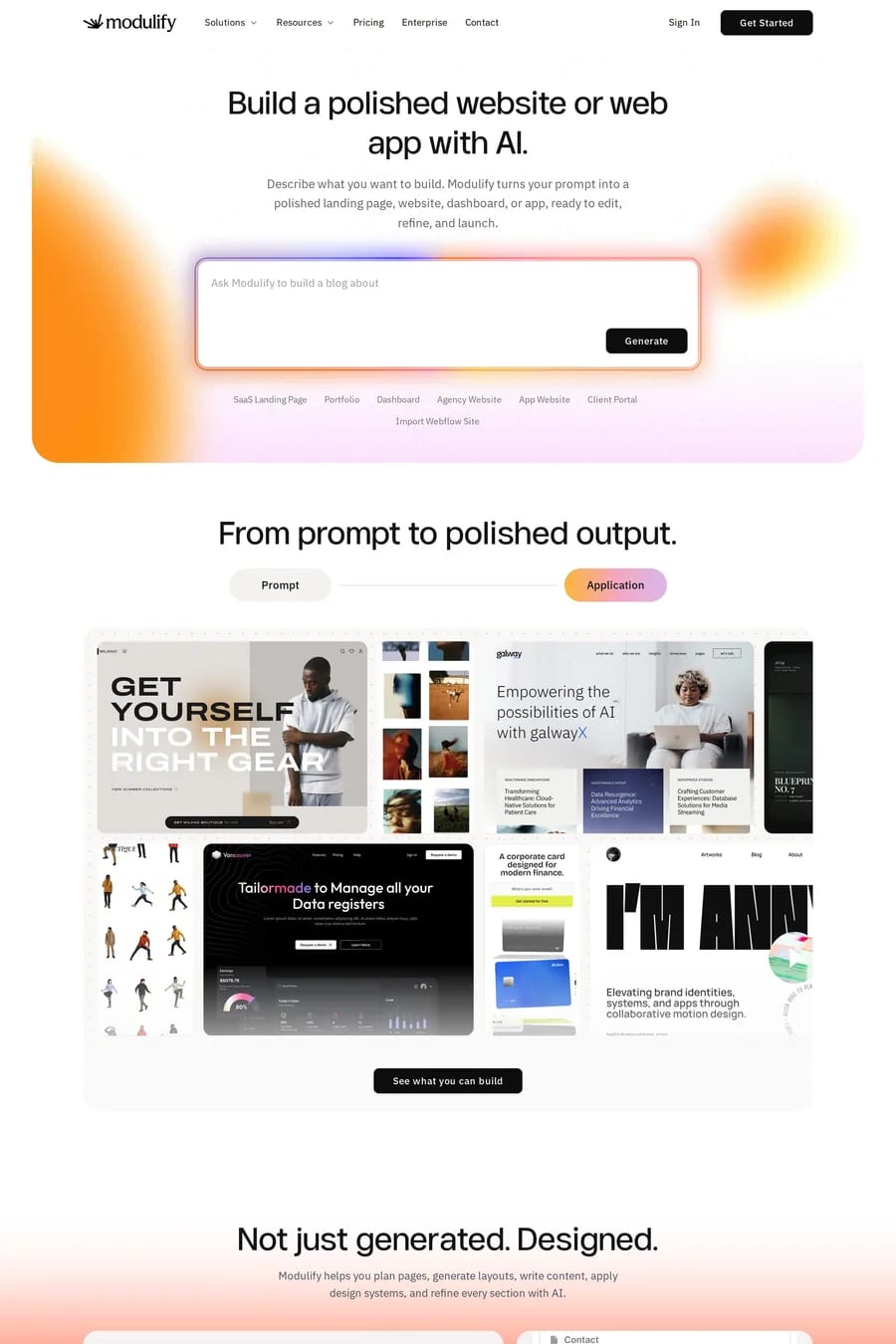
There’s no right answer, but there are common patterns. Most of the strongest agency sites in this collection are built on Webflow or Framer for the marketing side, with custom code or Next.js for anything more complex. The platform is rarely the differentiator — what matters is whether the agency uses the platform to *amplify* its taste or to *substitute* for taste. A Webflow site built by an agency with strong taste looks nothing like a template; a Webflow site built by an agency without taste looks exactly like the template they started from.
In rough order of severity: showing too many case studies and trusting the visitor to find the good ones; leading with a generic value proposition ("we help brands grow") instead of a taste claim; team pages that read as filler; contact forms with too many fields; case study pages that show outcomes without decisions; and using stock photography anywhere on the site. Any one of these is survivable. Three or more in combination usually means the agency’s own taste isn’t strong enough to survive the work being shown next to it.