
Updated
Curated inspiration sent every Tuesday
Unsubscribe at any time
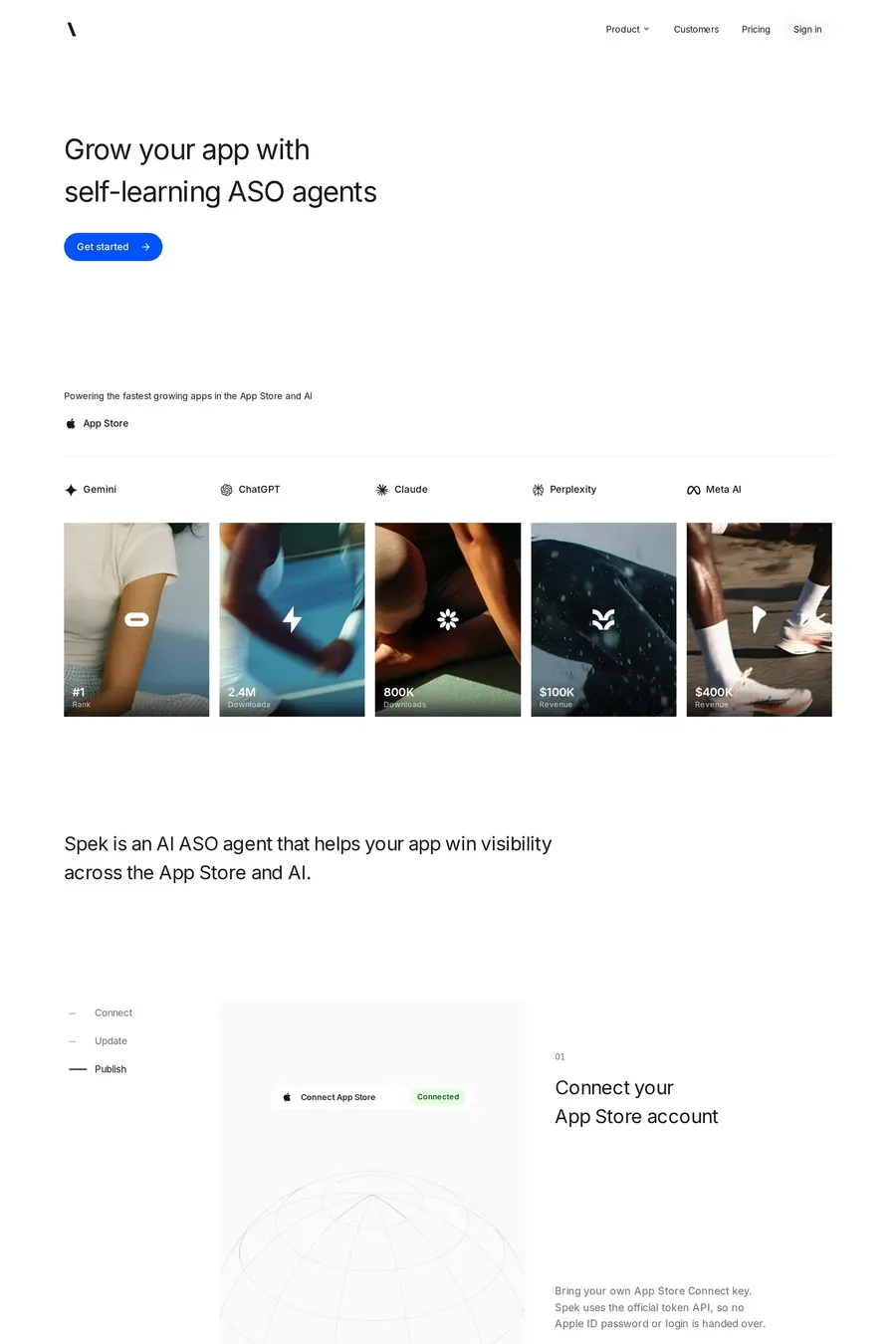
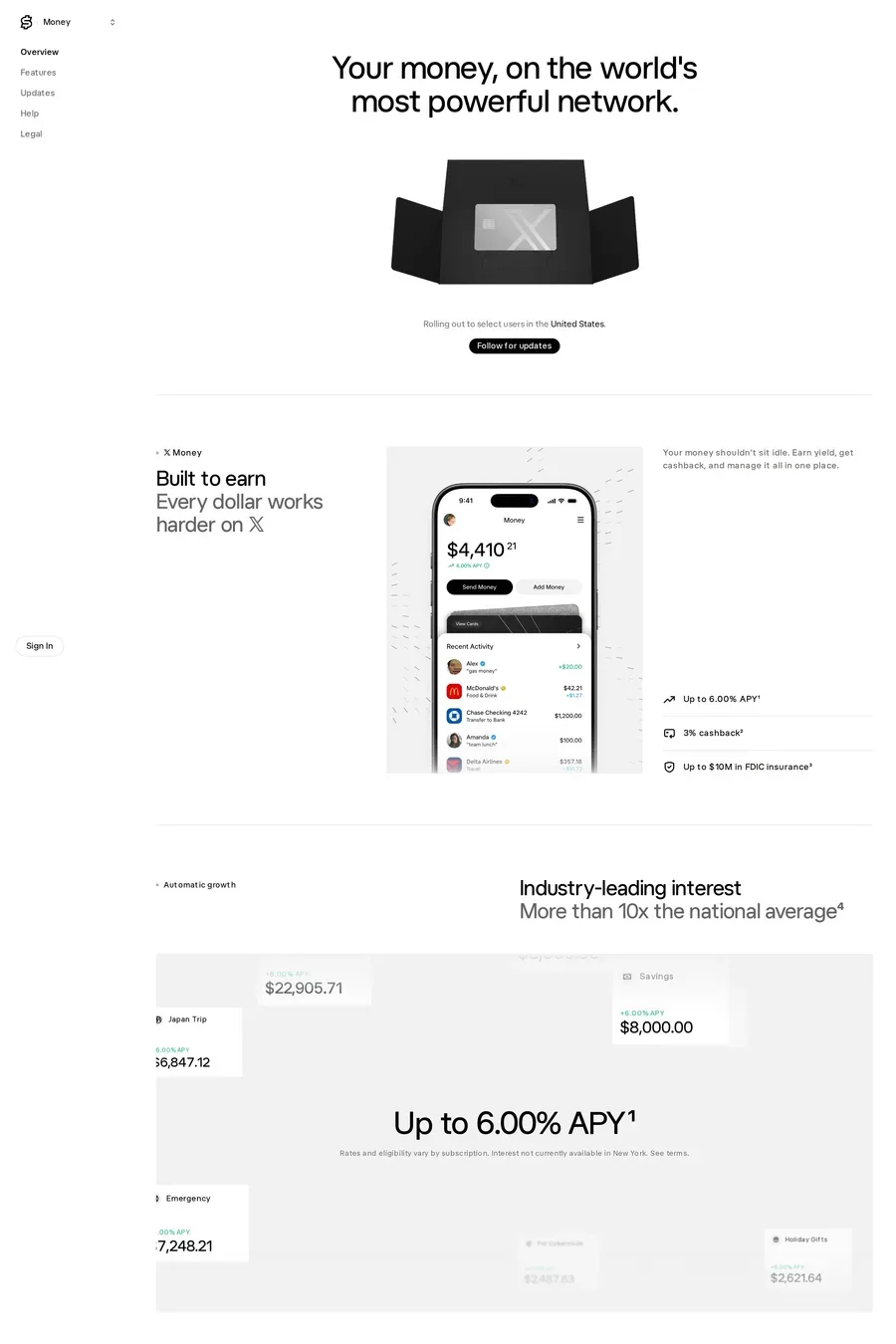
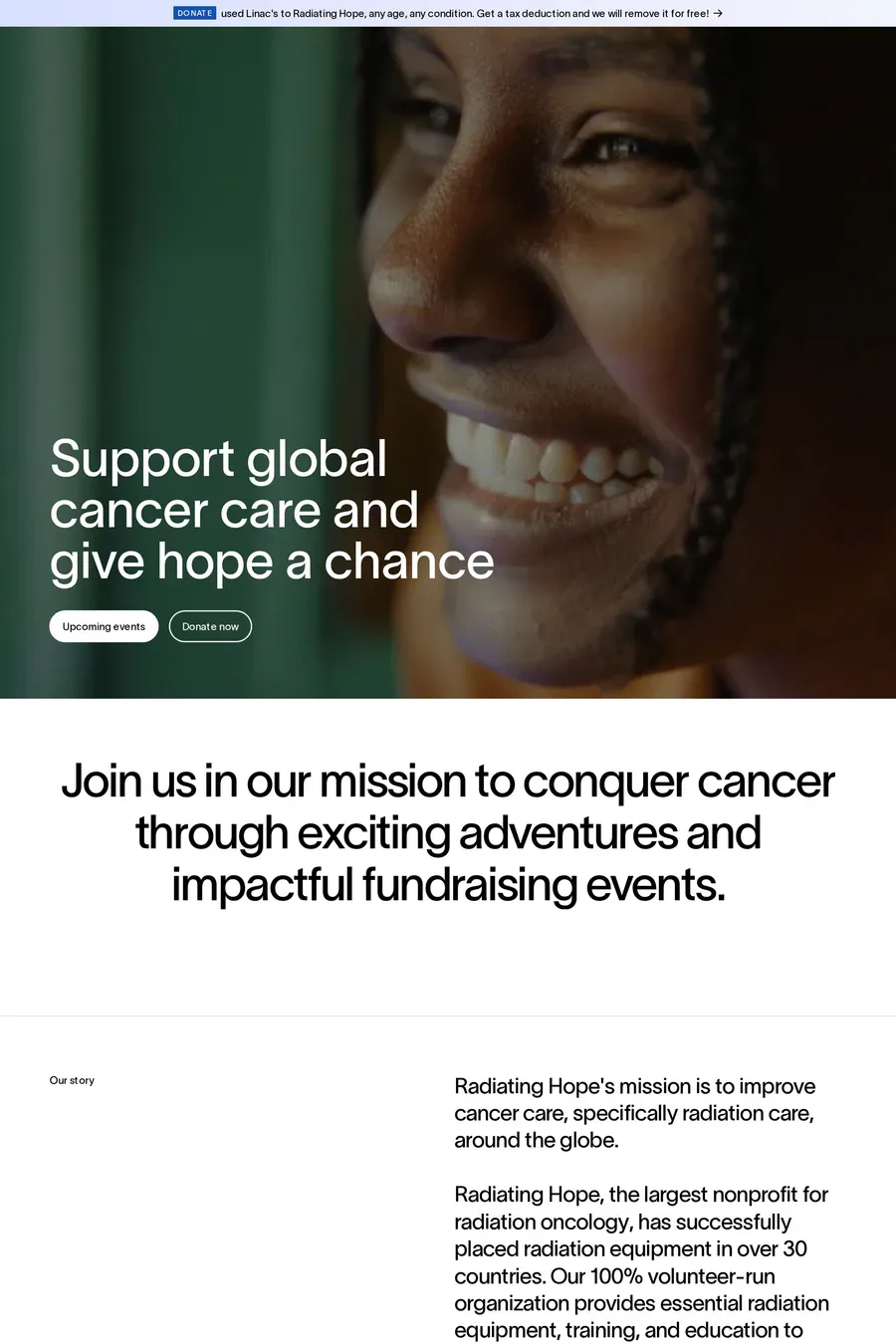
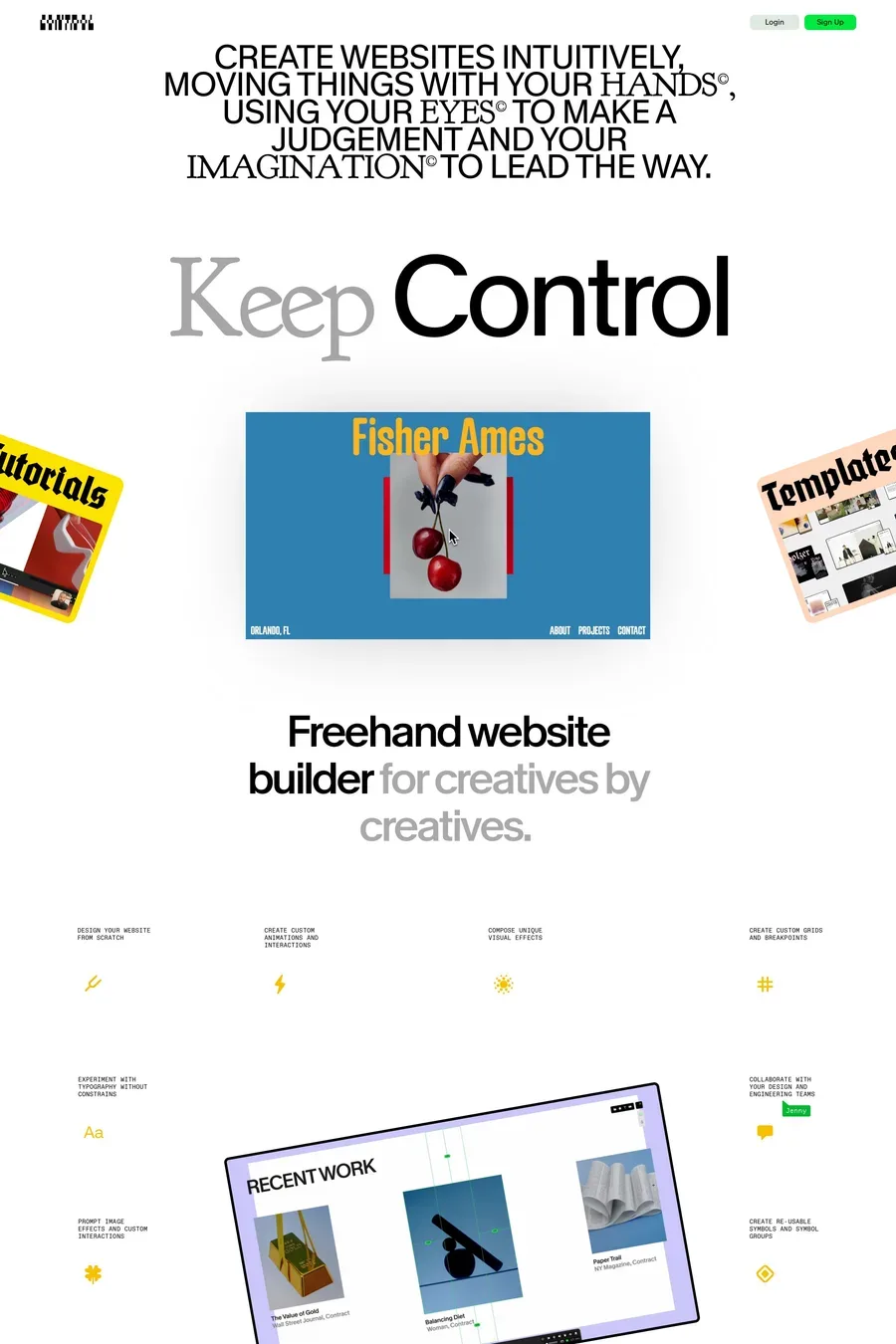
Specificity in the headline and discipline in the structure. A high-converting landing page makes a concrete, falsifiable promise in the first three seconds — "send invoices in 30 seconds", "deploy your app in one command", "find your apartment in two weeks" — and then spends the rest of the page proving the promise is real. Mediocre landing pages substitute abstract value propositions ("streamline your workflow", "supercharge your team") for concrete promises, which is a tell that the team couldn’t agree on what the product actually does. The headline is the single most important element on the page. Most teams under-invest in writing it.
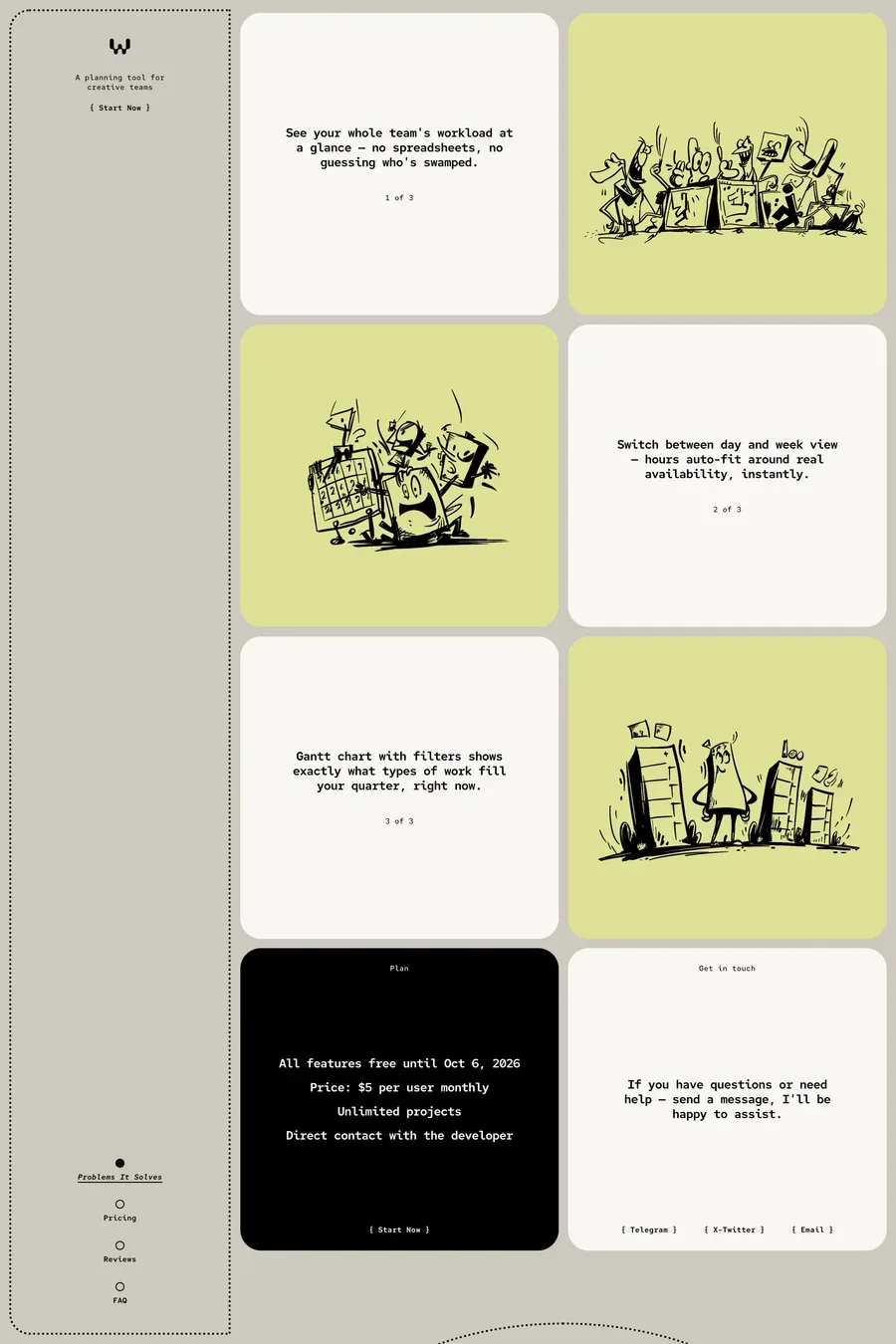
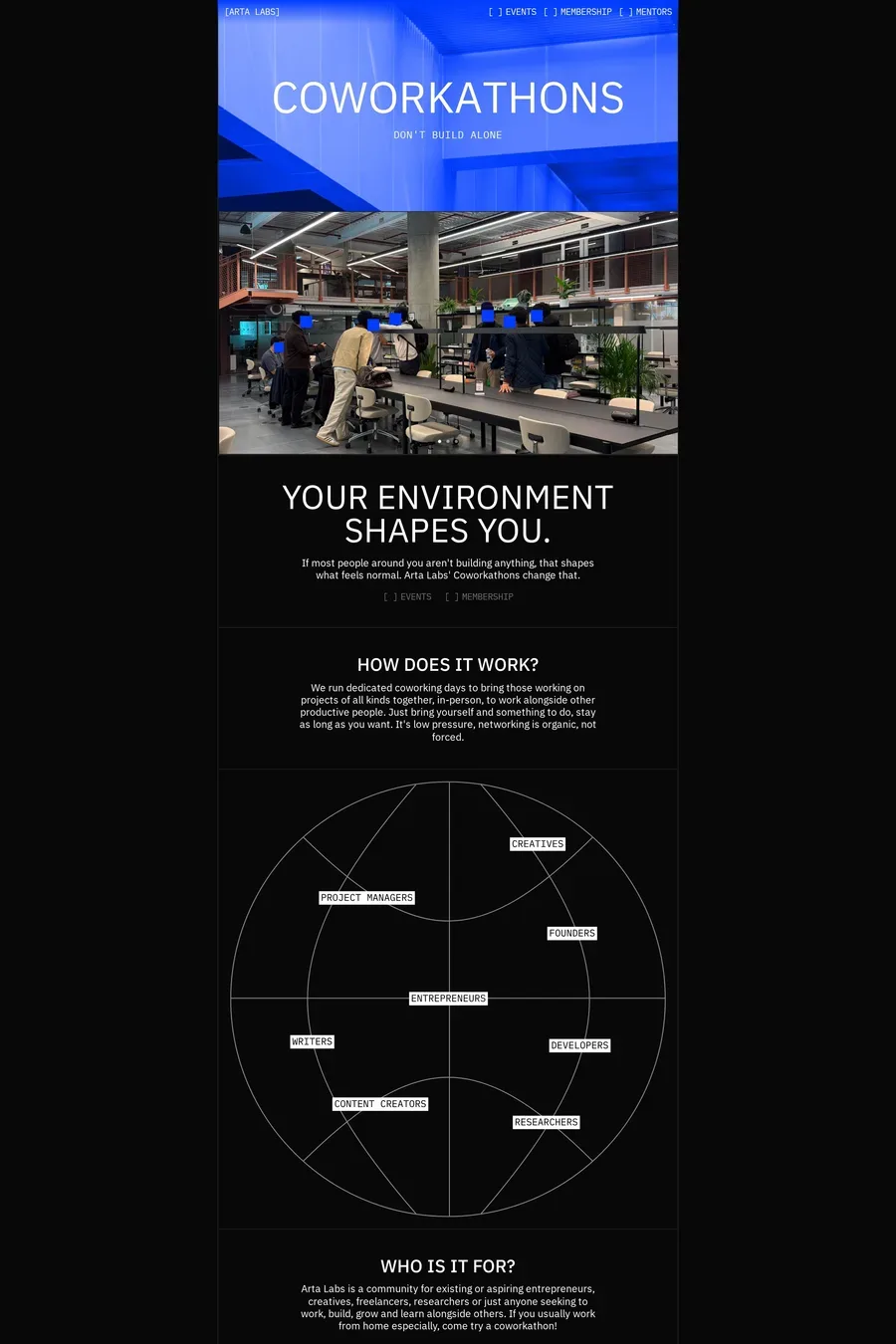
As long as the offer demands and not a screen-height longer. A free tool with a 30-second sign-up flow needs one screen — hero, value prop, button. A $30k/year enterprise contract needs ten screens — hero, social proof, three feature deep-dives, security details, pricing, FAQs, comparison, final CTA. The mistake most teams make is splitting the difference: a four-screen landing page for a one-screen product, padded with stock illustrations and "trusted by" logos that don’t earn their place. Length should match the size of the decision being asked.
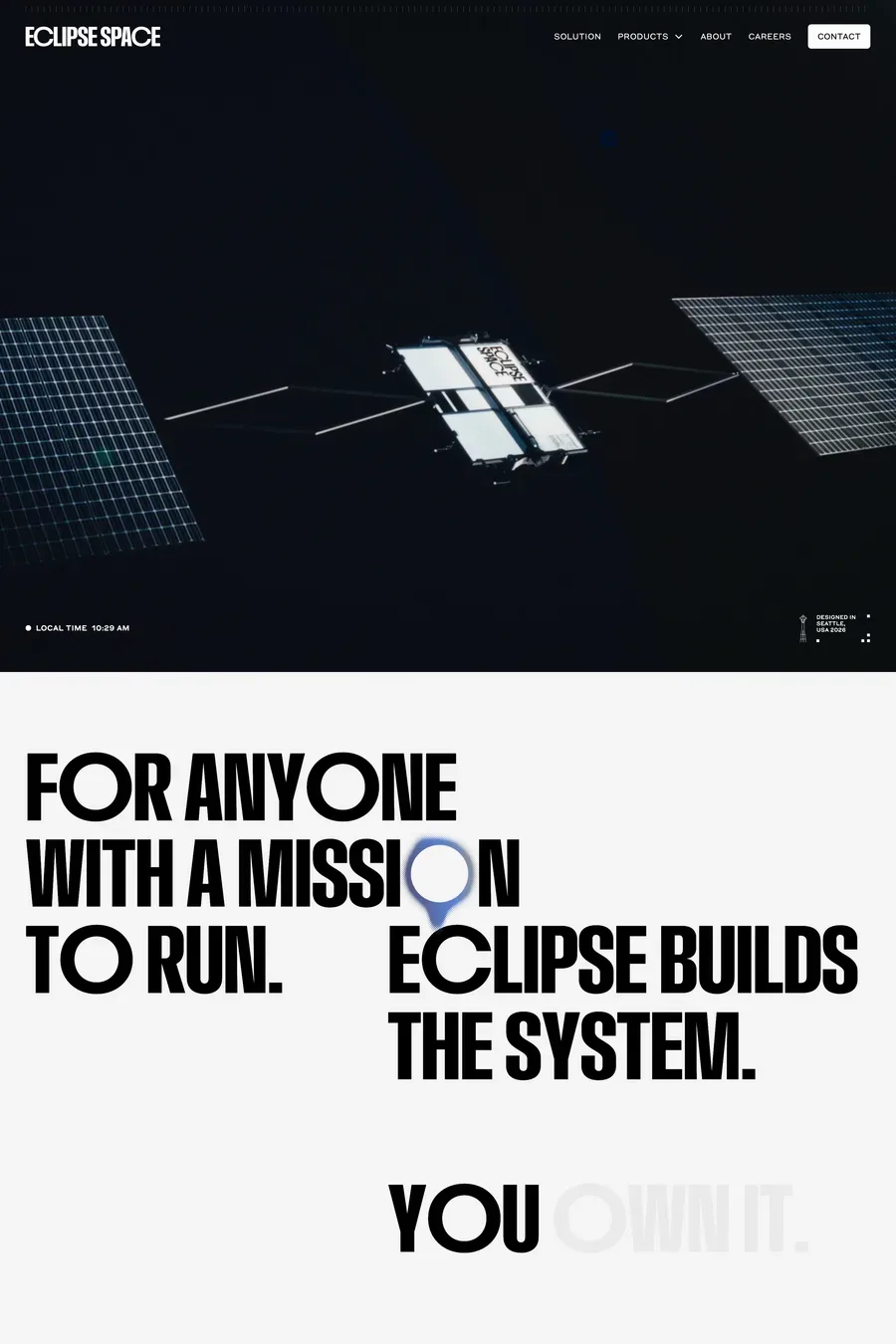
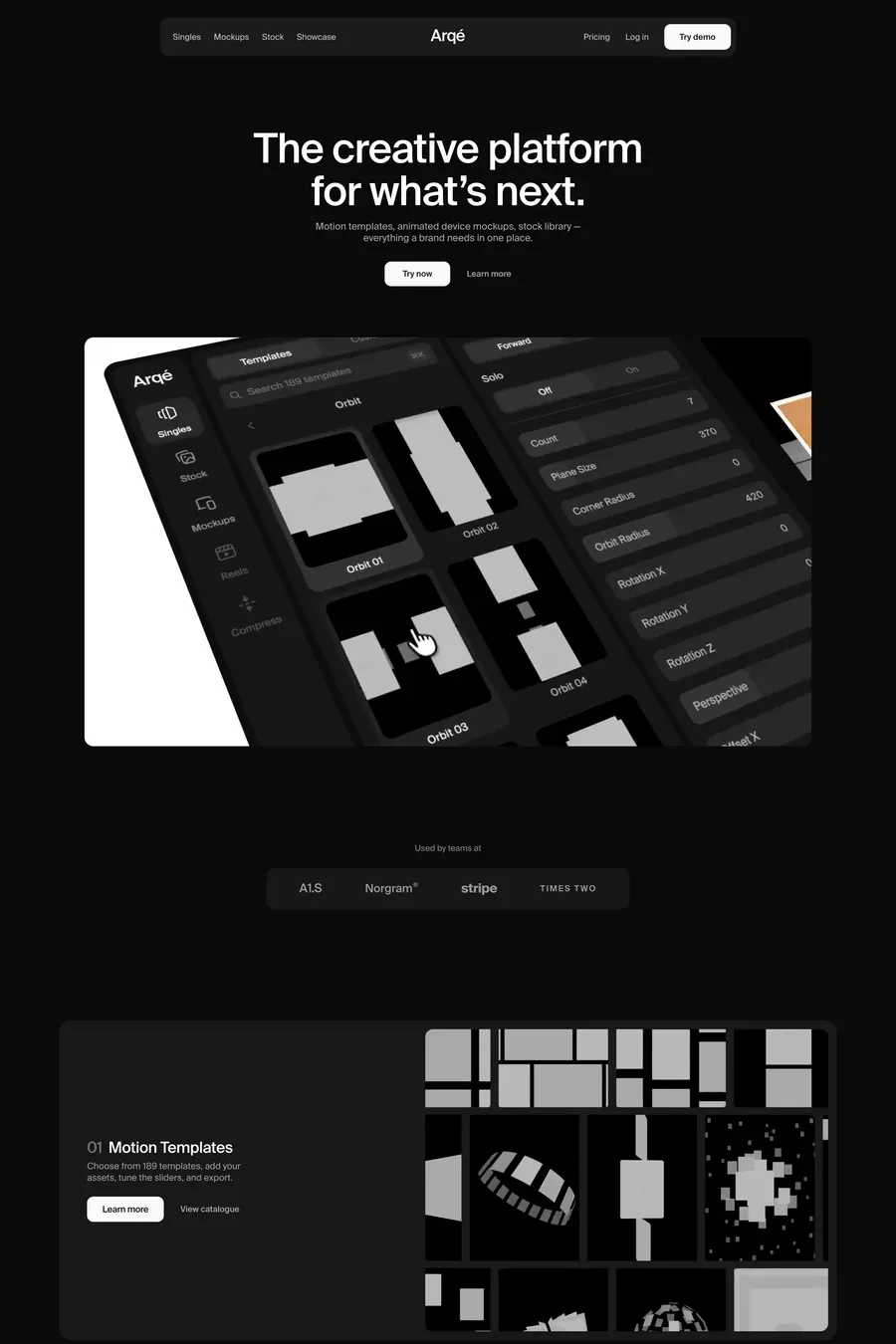
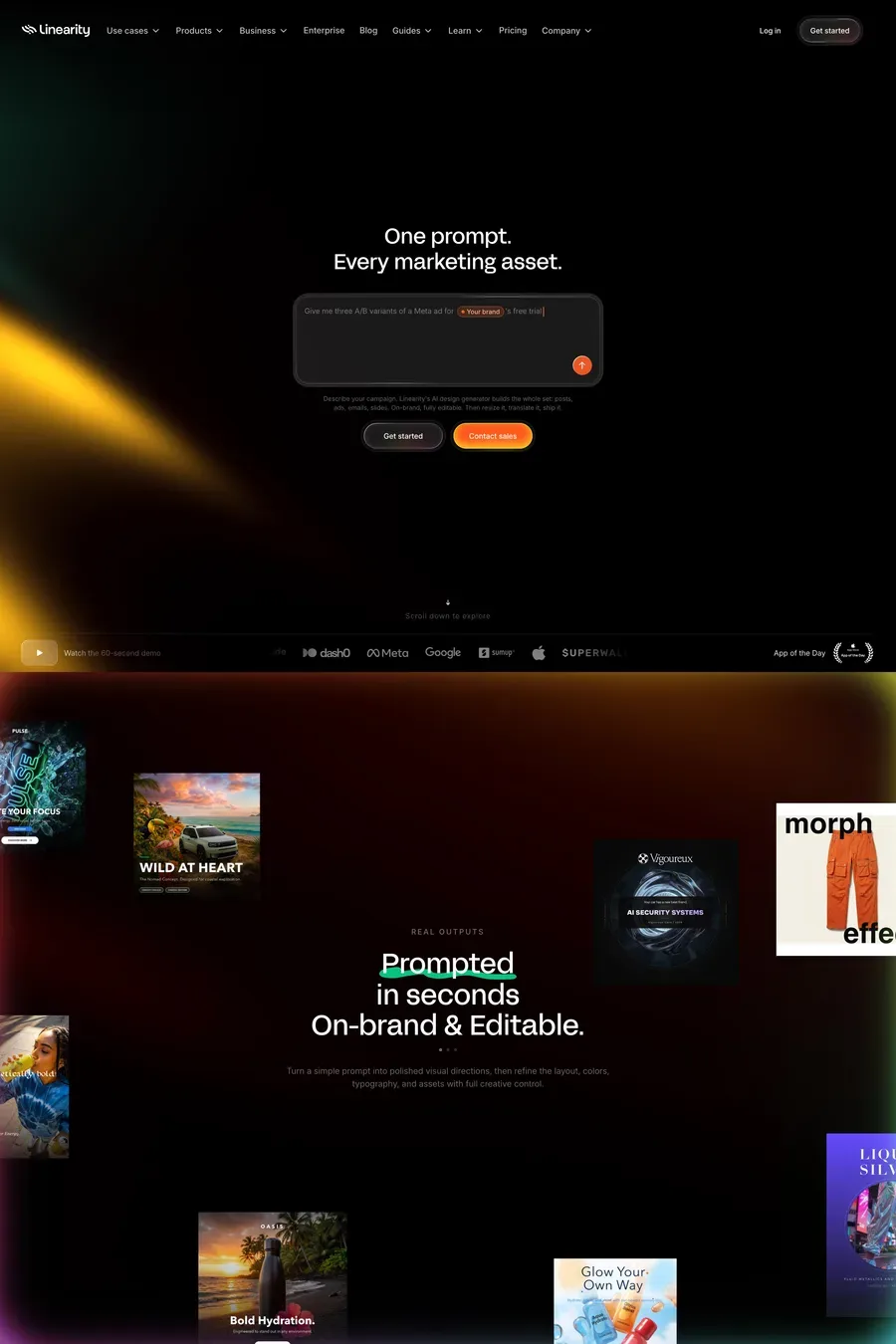
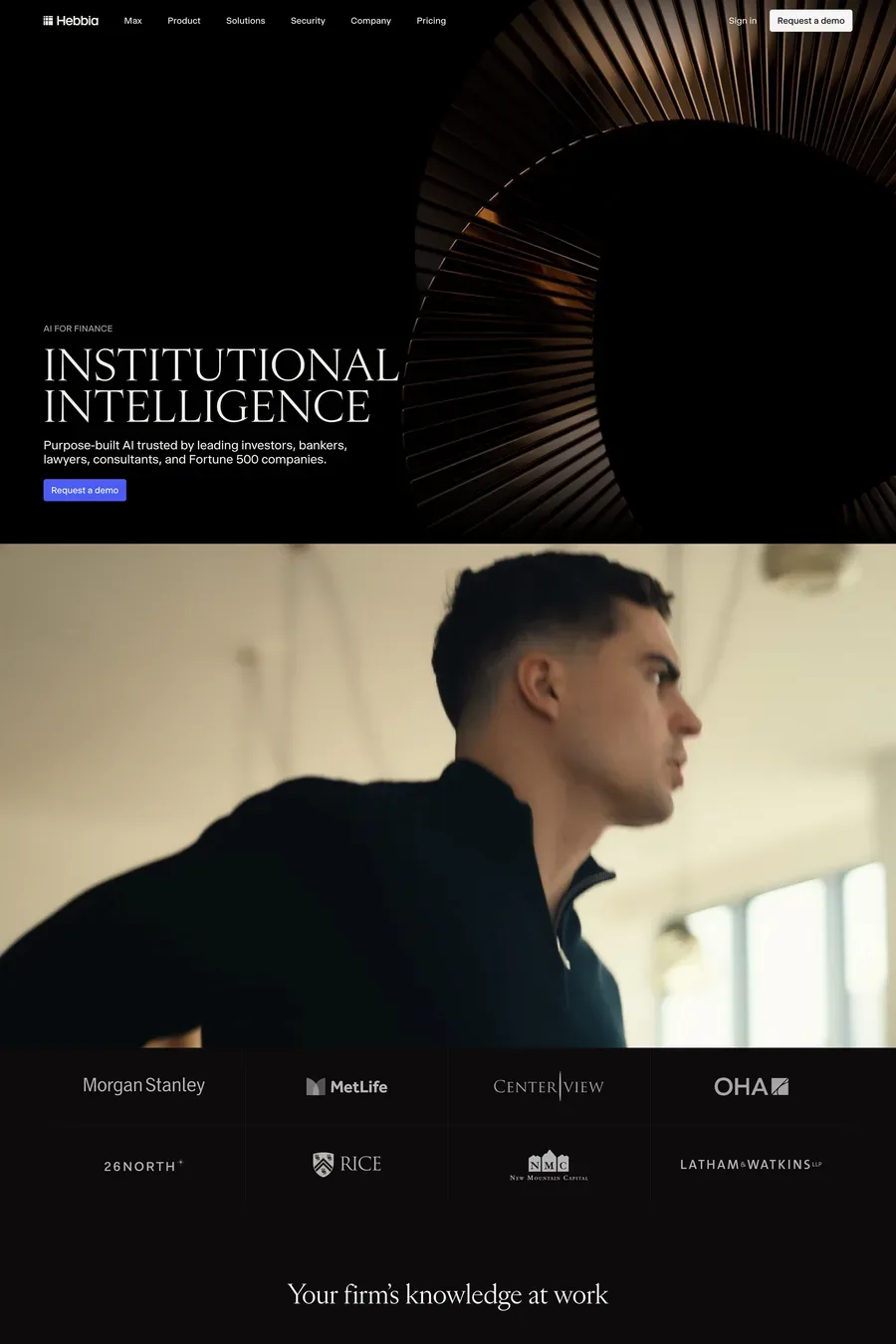
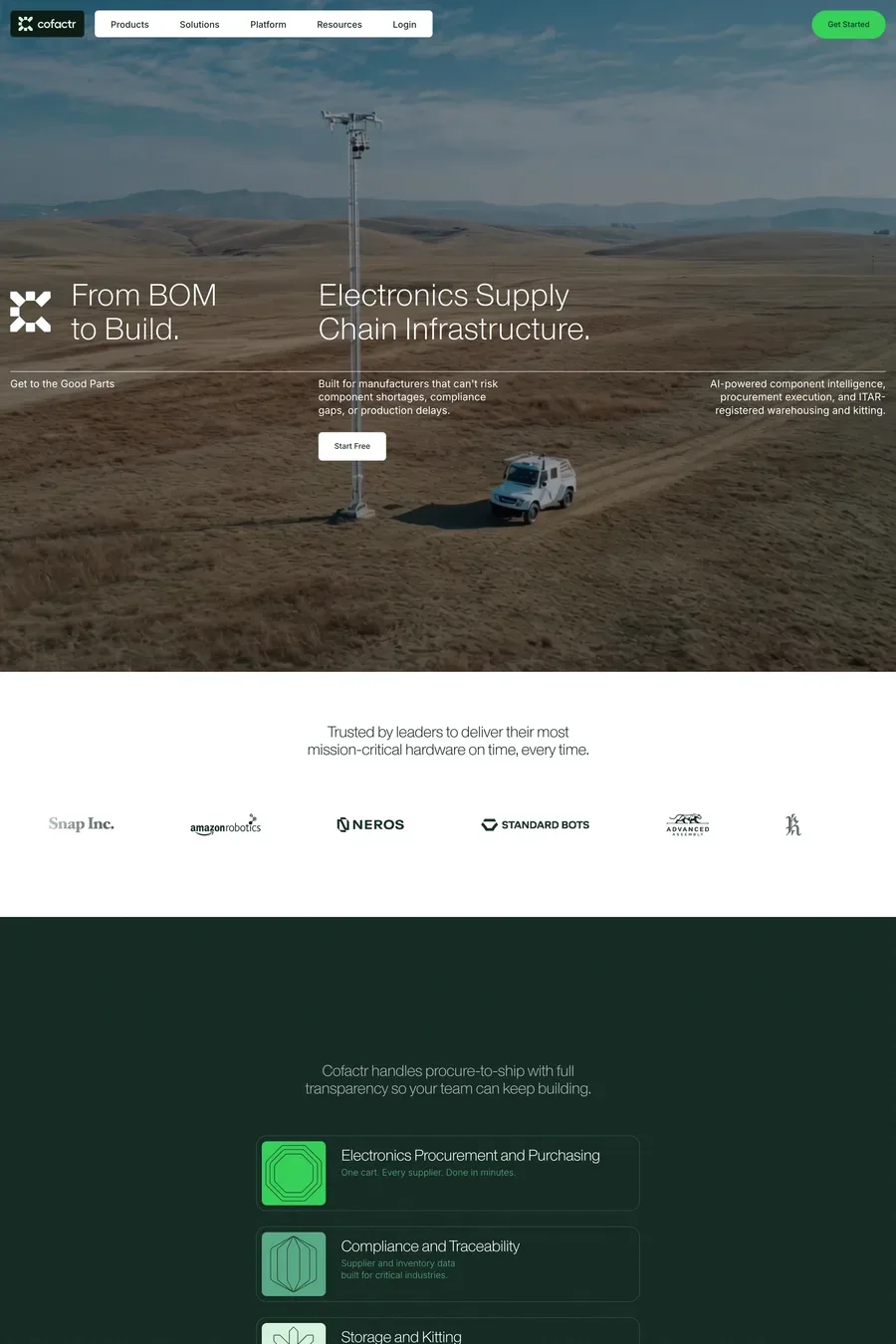
Headline, sub-headline, primary CTA, and one piece of visual proof — usually a product screenshot, demo video, or product UI. That’s it. The strongest hero sections in this collection resist the temptation to add a secondary CTA, social proof logos, navigation, or feature highlights above the fold. Every additional element dilutes the conversion ask. The hero exists to make one decision easy: do I want to keep scrolling? Everything else is downstream.
More important than the colour, the size, or the position. "Get started" and "Sign up" are the default, weak choices — they describe the action from the company’s perspective rather than the visitor’s. The strongest CTAs describe the *outcome*: "Send my first invoice", "Deploy my app", "Try Linear free". The shift from "get started" to a first-person outcome statement consistently moves conversion in A/B tests because it makes the next click feel like a step toward something specific rather than entering a generic funnel. Test it. The lift is usually meaningful.
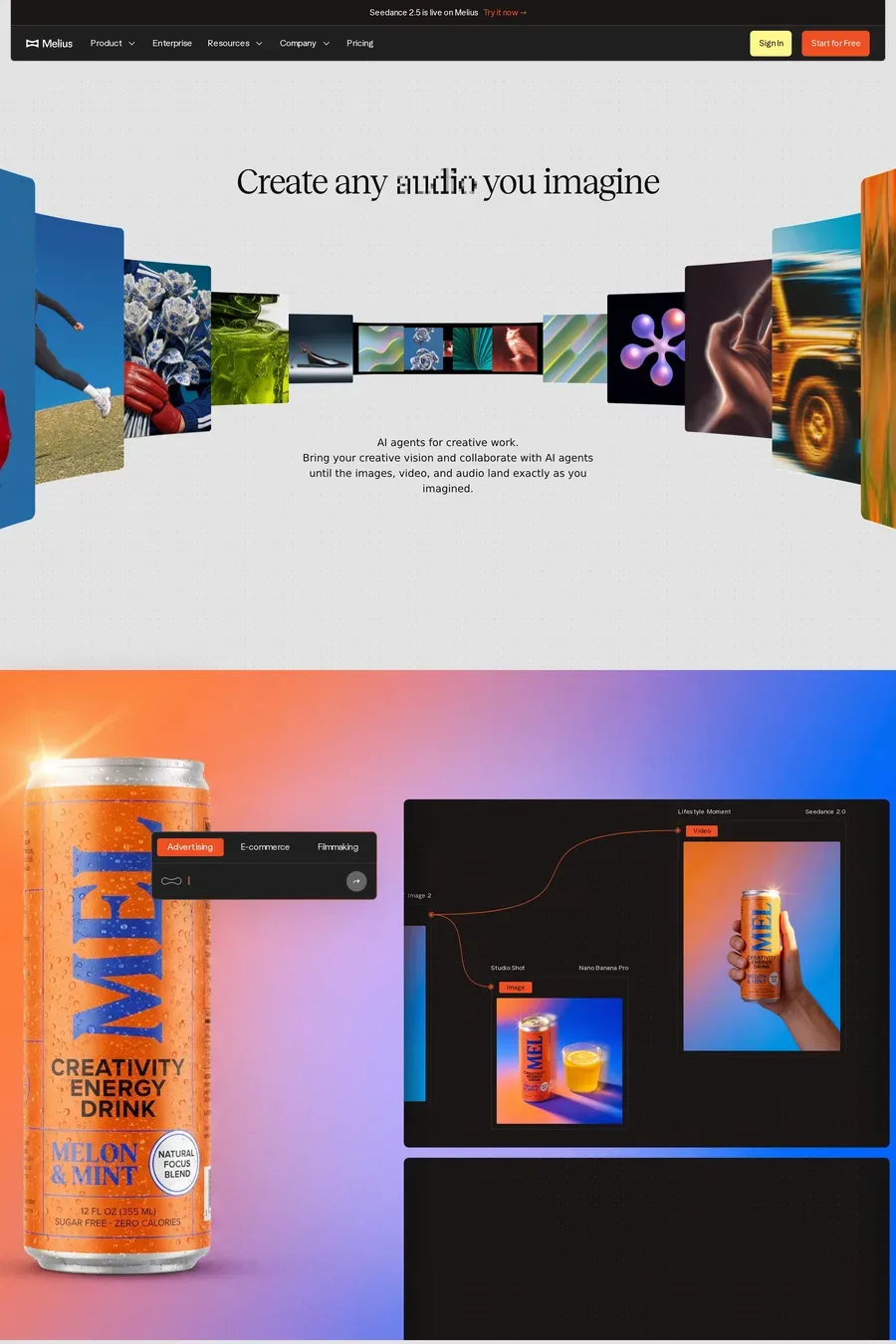
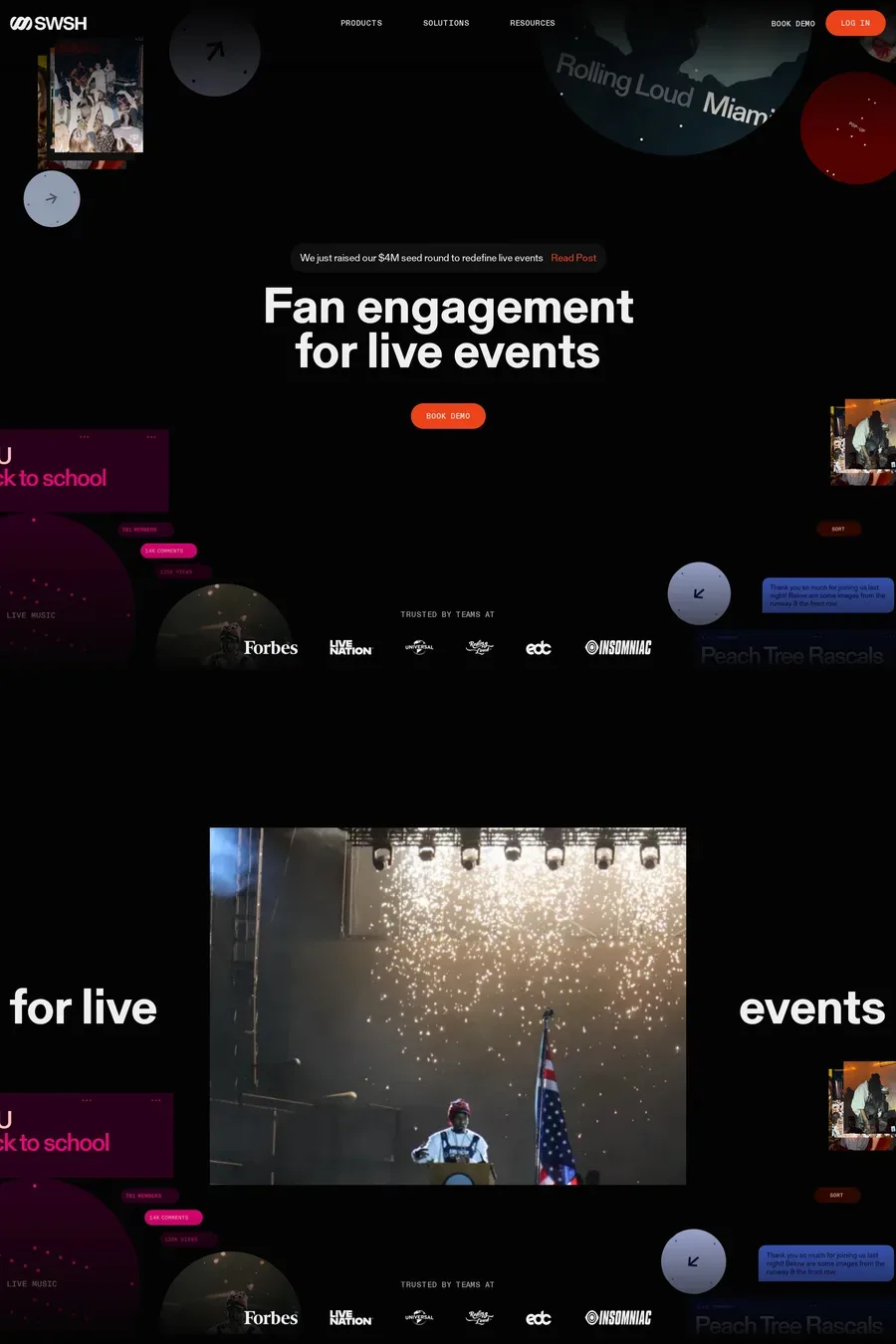
Animation should *demonstrate* the product, not decorate the page. The strongest landing pages in this collection use motion to show how the product works — a video of an actual interaction, an animated diagram of a flow, a sequence that explains a concept too complex for static images. The weakest ones use animation as eye candy: parallax sections that don’t communicate anything, scroll-triggered fade-ins that interrupt the reading flow, hero animations that loop forever and burn battery. If the animation can be removed without losing meaning, it should be. Browse animated landing pages for examples of motion used to teach rather than decorate.
Framer and Webflow dominate this category for marketing-led landing pages — they’re fast to build, designer-friendly, and produce clean output. Next.js is the standard for landing pages that need to integrate tightly with a product (sign-up flows, interactive demos, A/B testing infrastructure). The choice usually comes down to who’s shipping the page: marketing teams pick Framer or Webflow, product teams pick Next.js. Both can produce excellent results; neither is automatically better.