Updated
Curated inspiration sent every Tuesday
Unsubscribe at any time


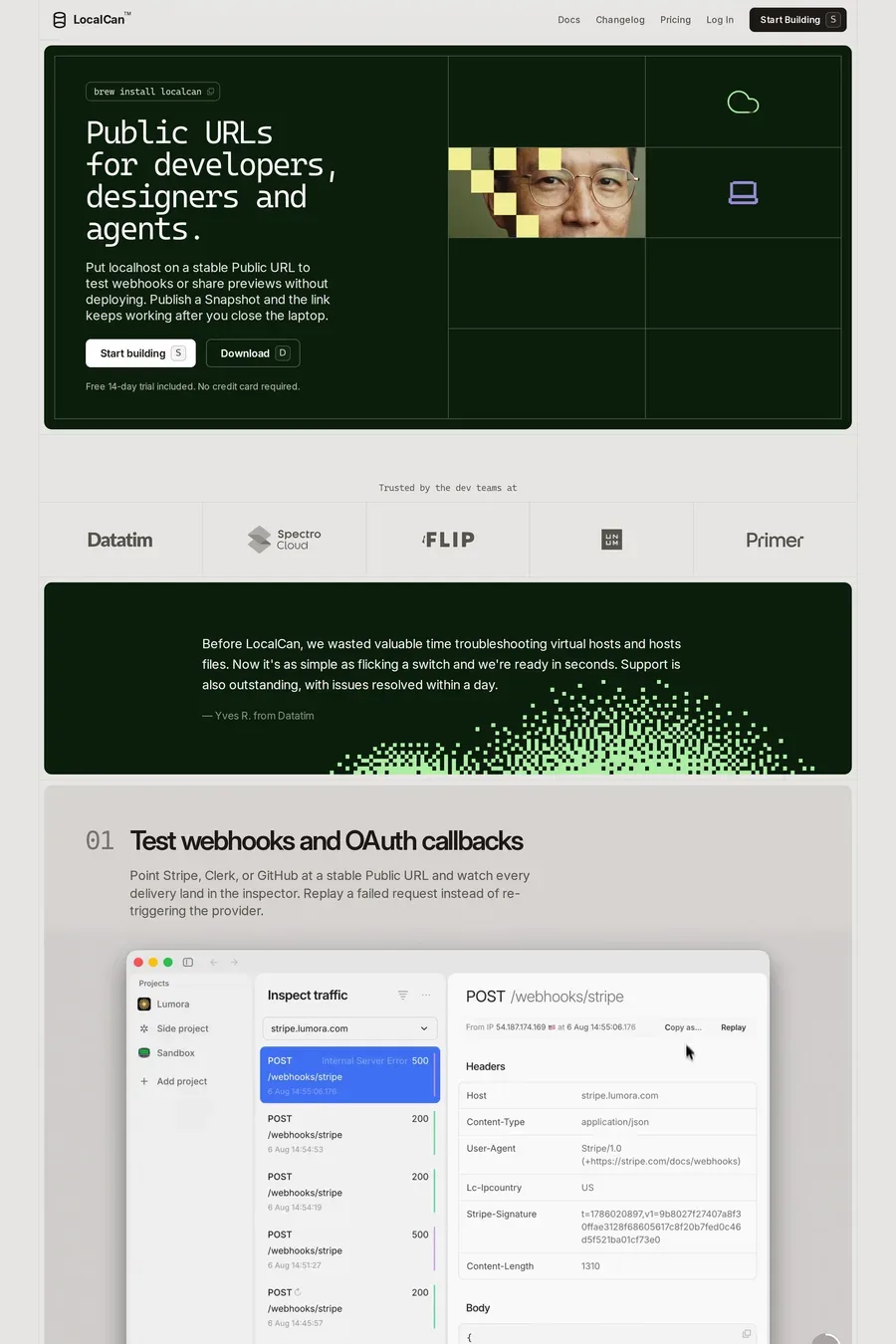
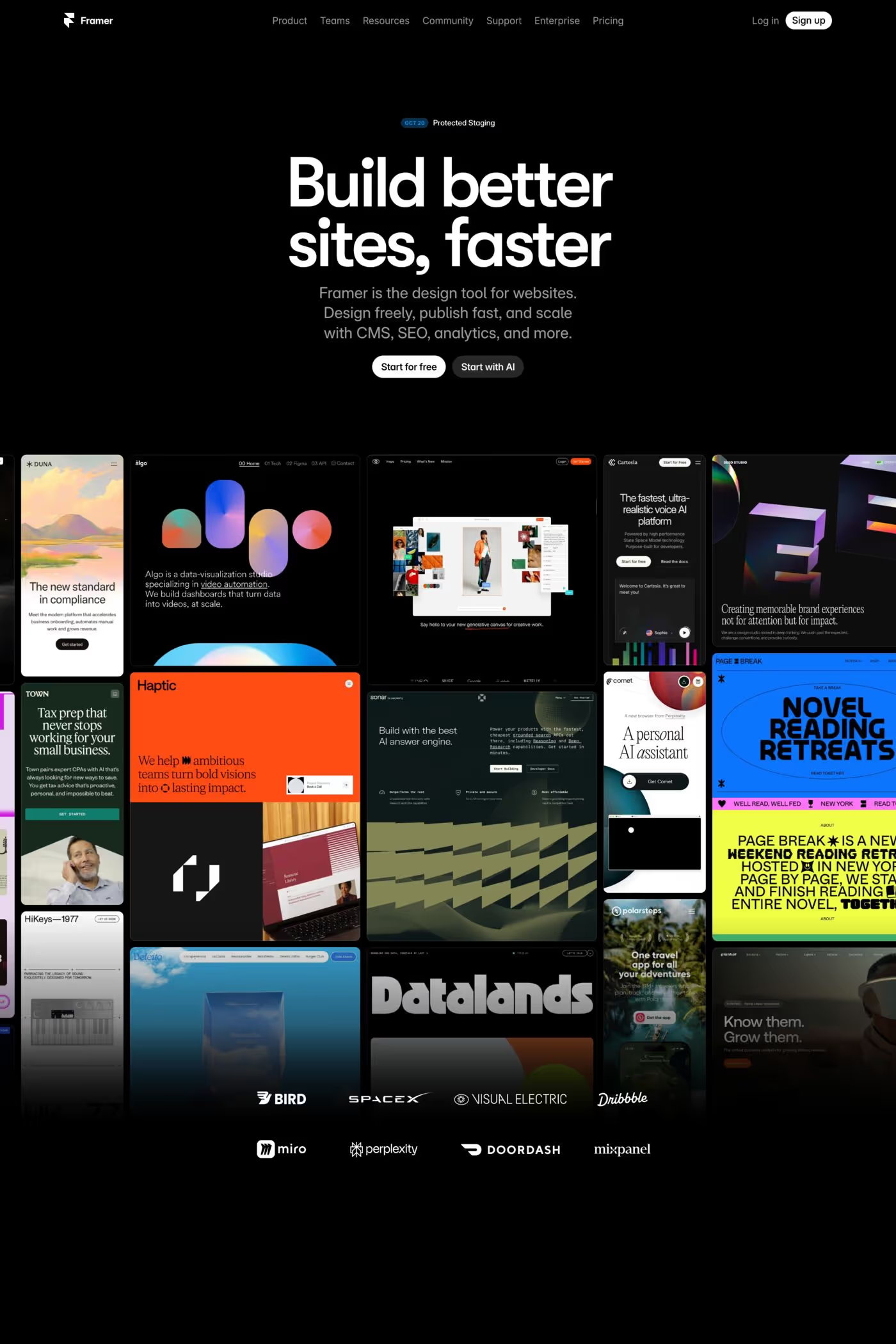
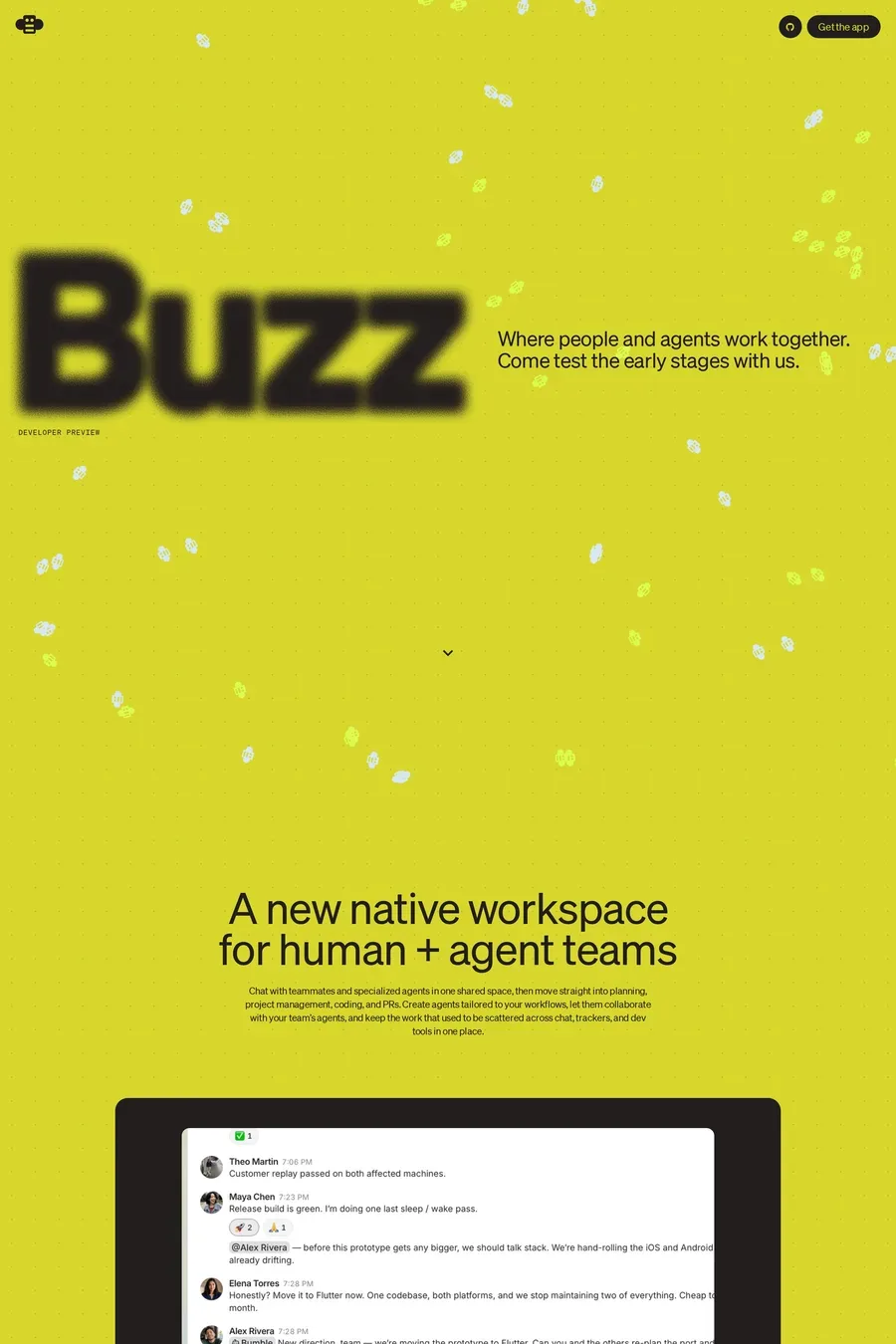
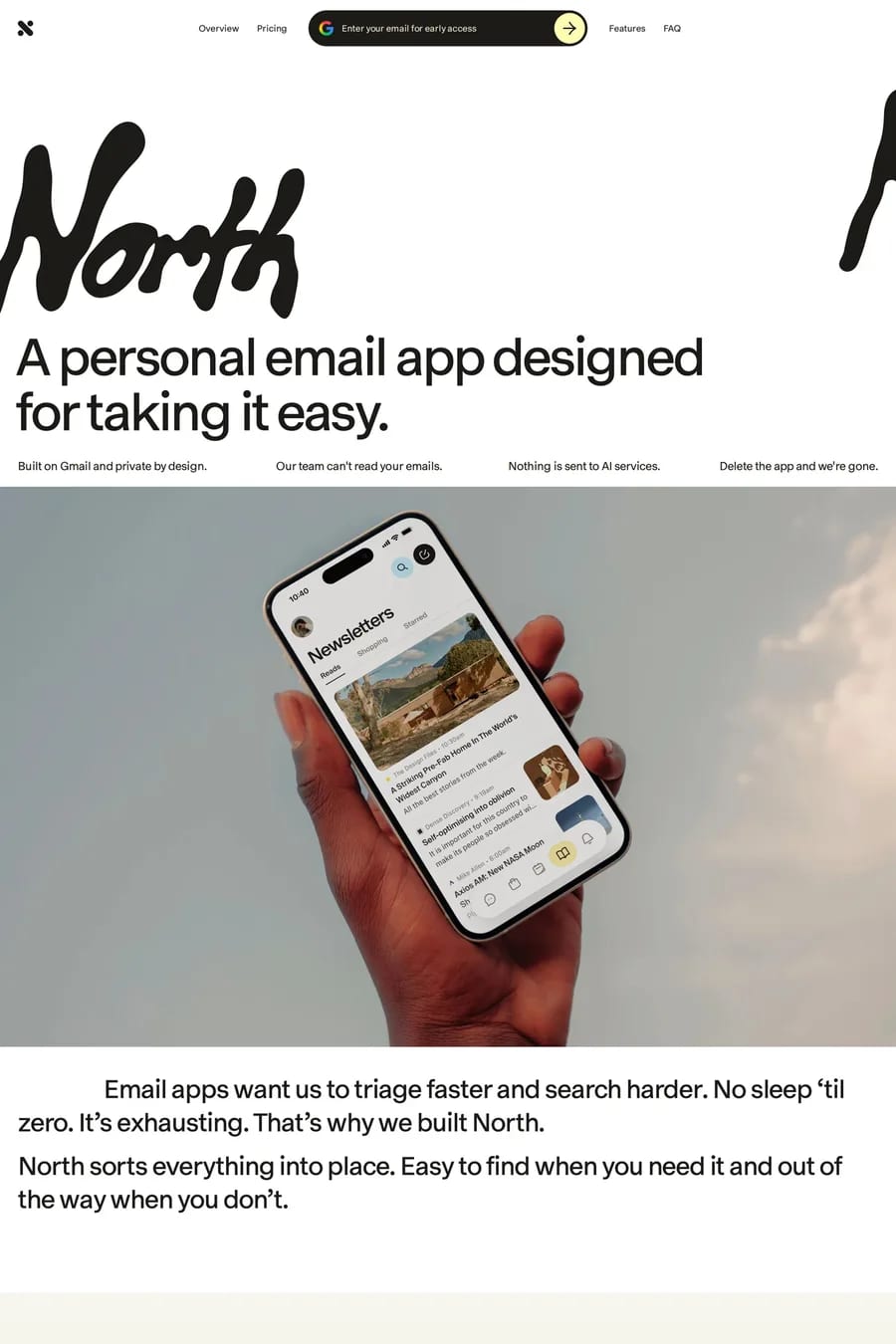
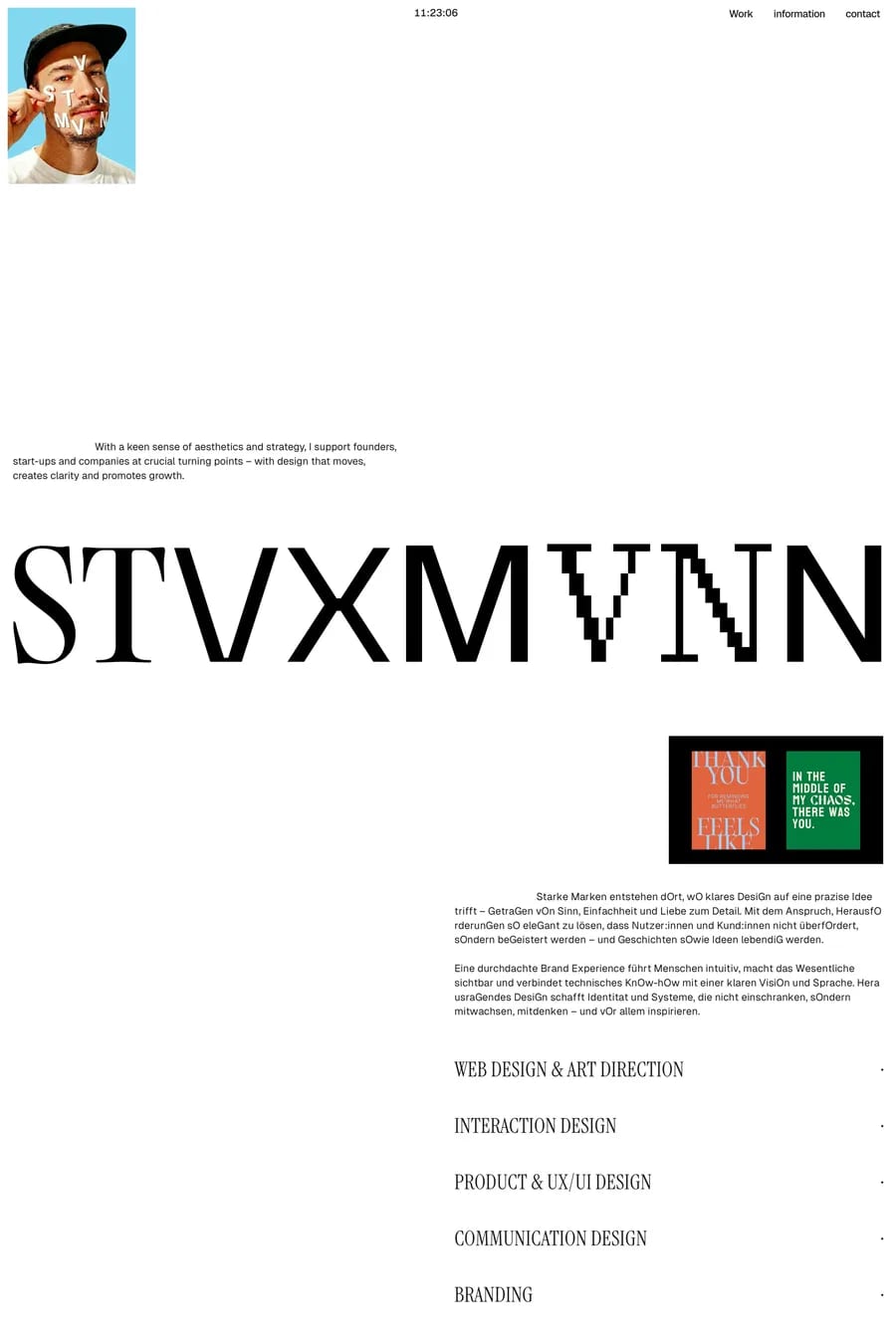
On white, no — it fails contrast at every size. On black or dark grey, bright yellow works for headings and buttons but tires quickly as body text. The safe move is the reverse: black text on a yellow background, which passes contrast easily and is how most of the sites here use it. If you need yellow text on a light background, darken it to amber or mustard.
Black, first and always. Black on yellow is the highest-energy pairing on the web. Then warm neutrals — cream, sand — for a softer version. Navy or dark blue for a classic contrast. Avoid pairing bright yellow with other bright colours unless the whole brand is loud; one primary is enough. Most sites here use yellow plus black plus one neutral and stop.
Depends on the job. Pure, bright yellow for a bold identity — think signage, sports, youth brands. Mustard or ochre for editorial and lifestyle sites that want warmth without the shout. A slightly green yellow as an accent on a dark technical site. Avoid pale, washed-out yellows; they look like the page hasn’t loaded.
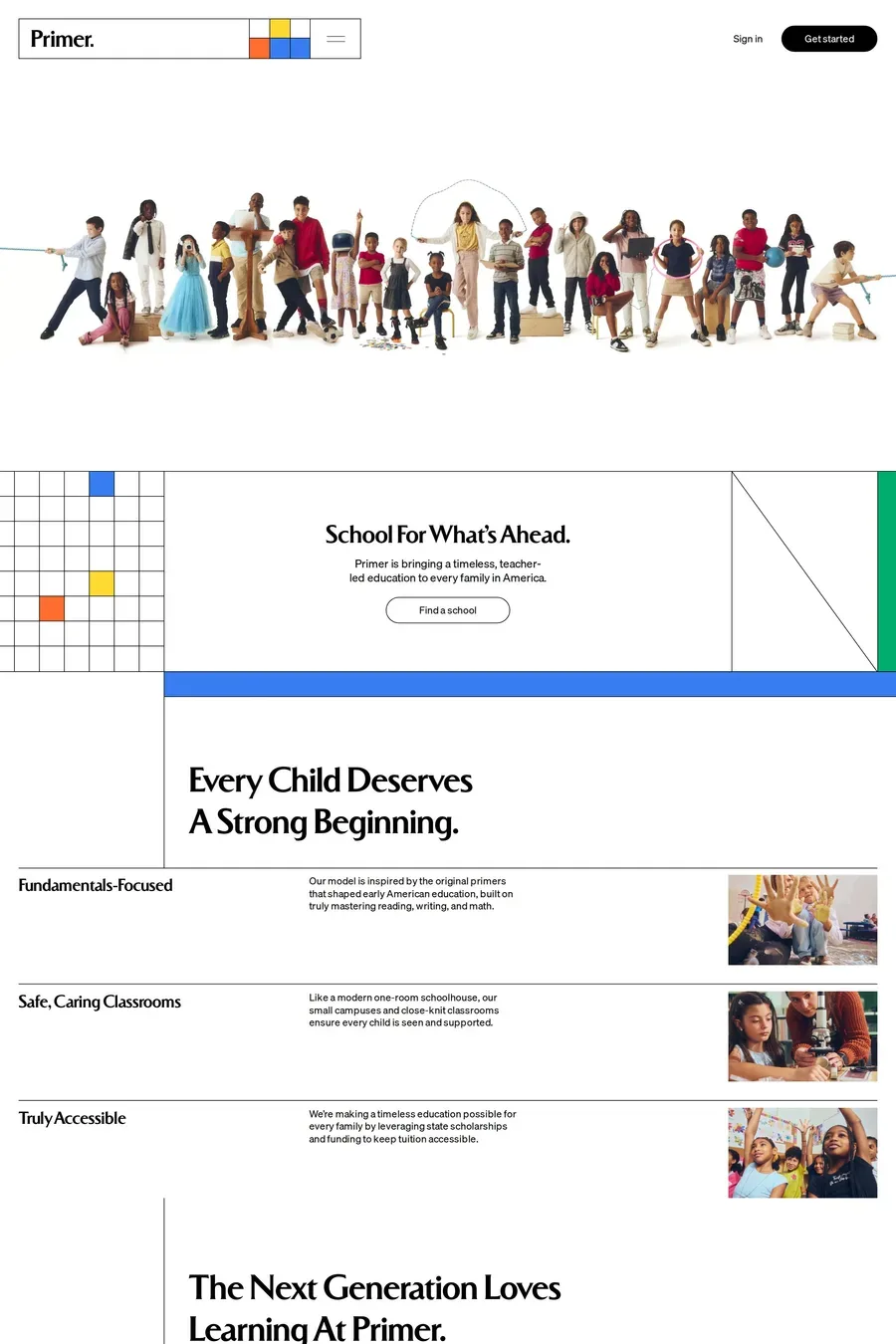
Creative agencies and portfolios, where standing out is the point. Education and kids. Food and drink. Some developer tools, as a lime-yellow accent on dark. And challenger brands in any category that want to look unlike the incumbents — yellow is rarely the safe choice, so it signals confidence.
Use it in blocks, not everywhere. A yellow hero, then white or cream sections, then yellow again for the footer. Give it a lot of space — yellow with dense content is exhausting. Keep type in black at a heavy weight so it holds its own. And grade any photography warm so it doesn’t fight the colour.