
Updated
Curated inspiration sent every Tuesday
Unsubscribe at any time


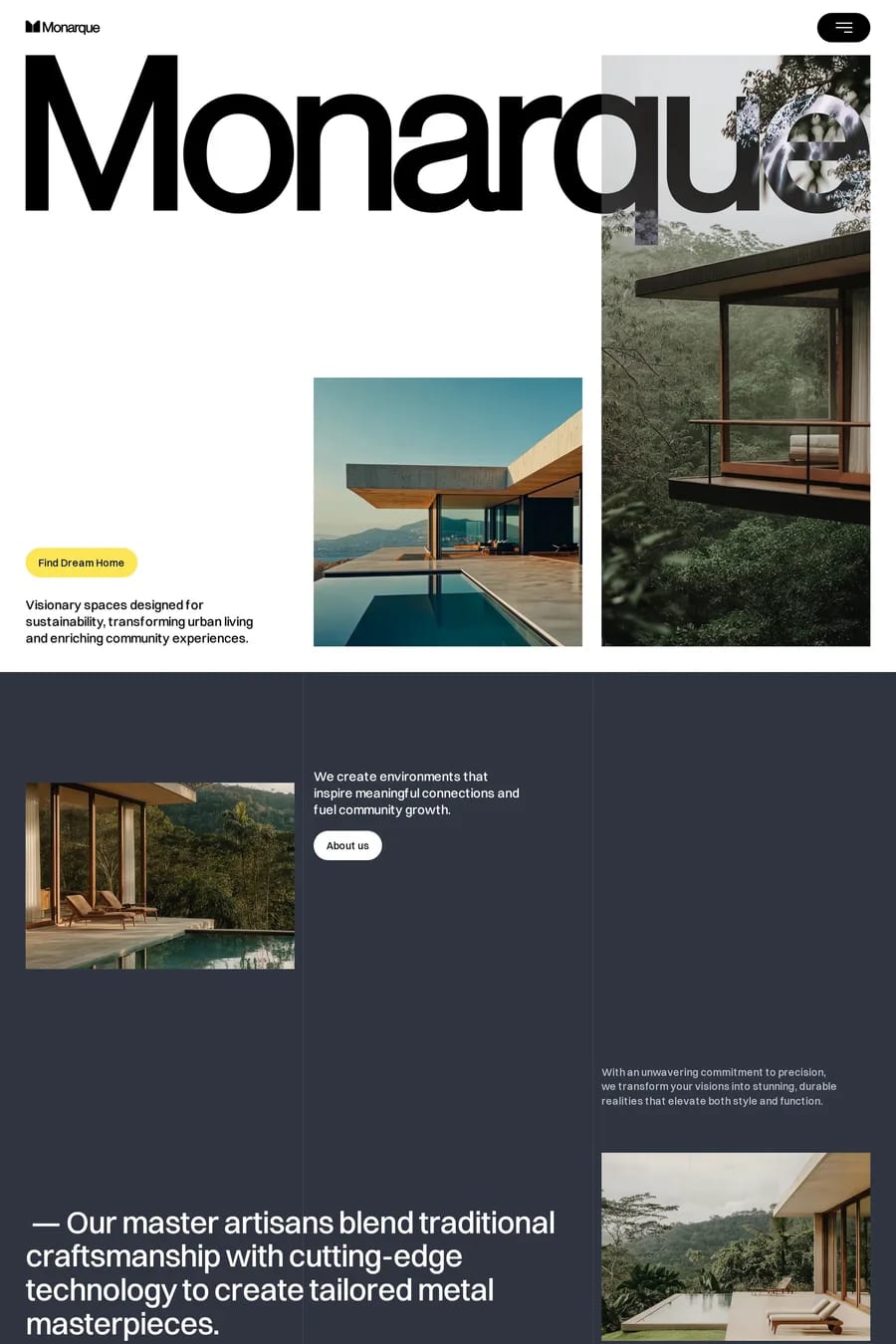
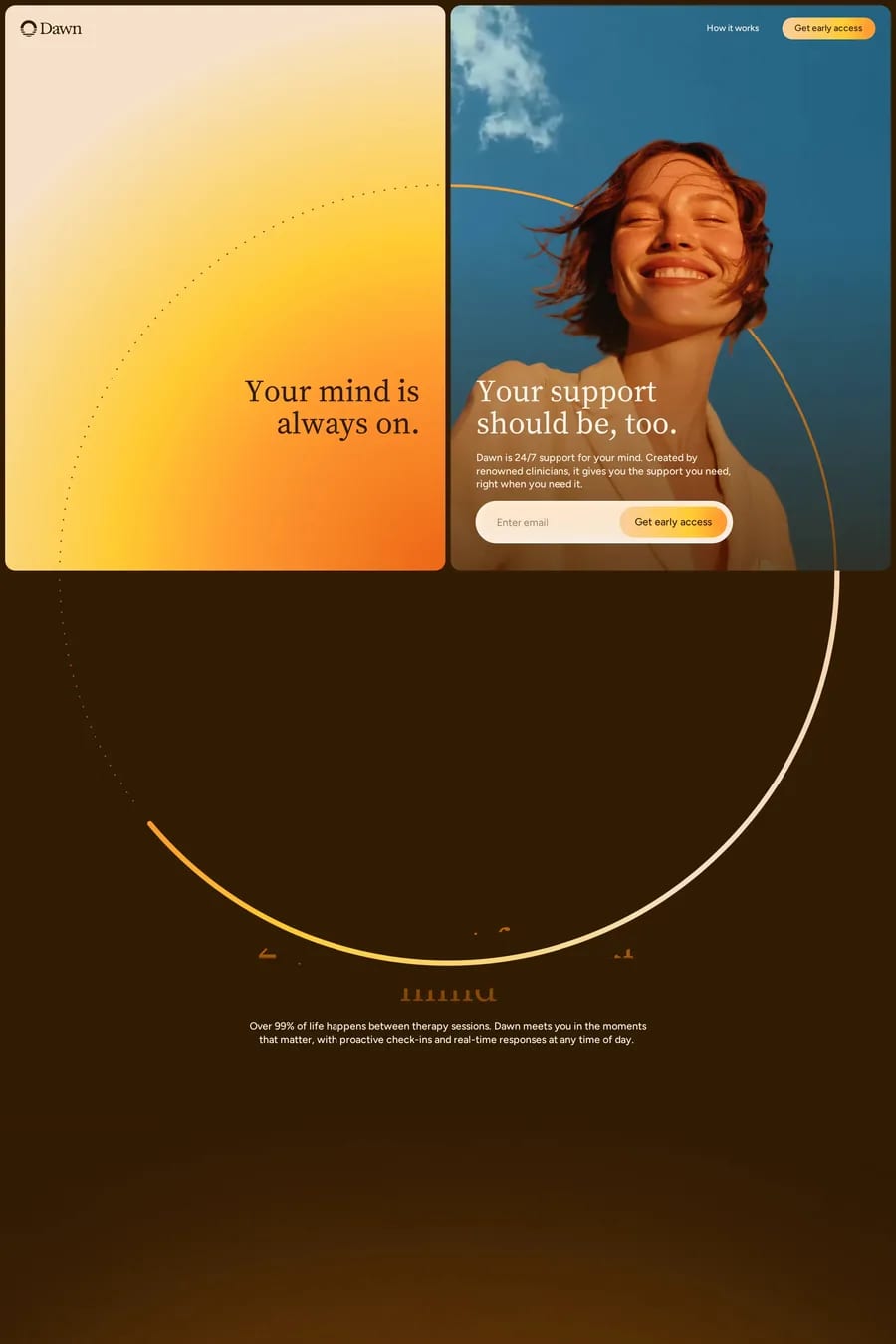
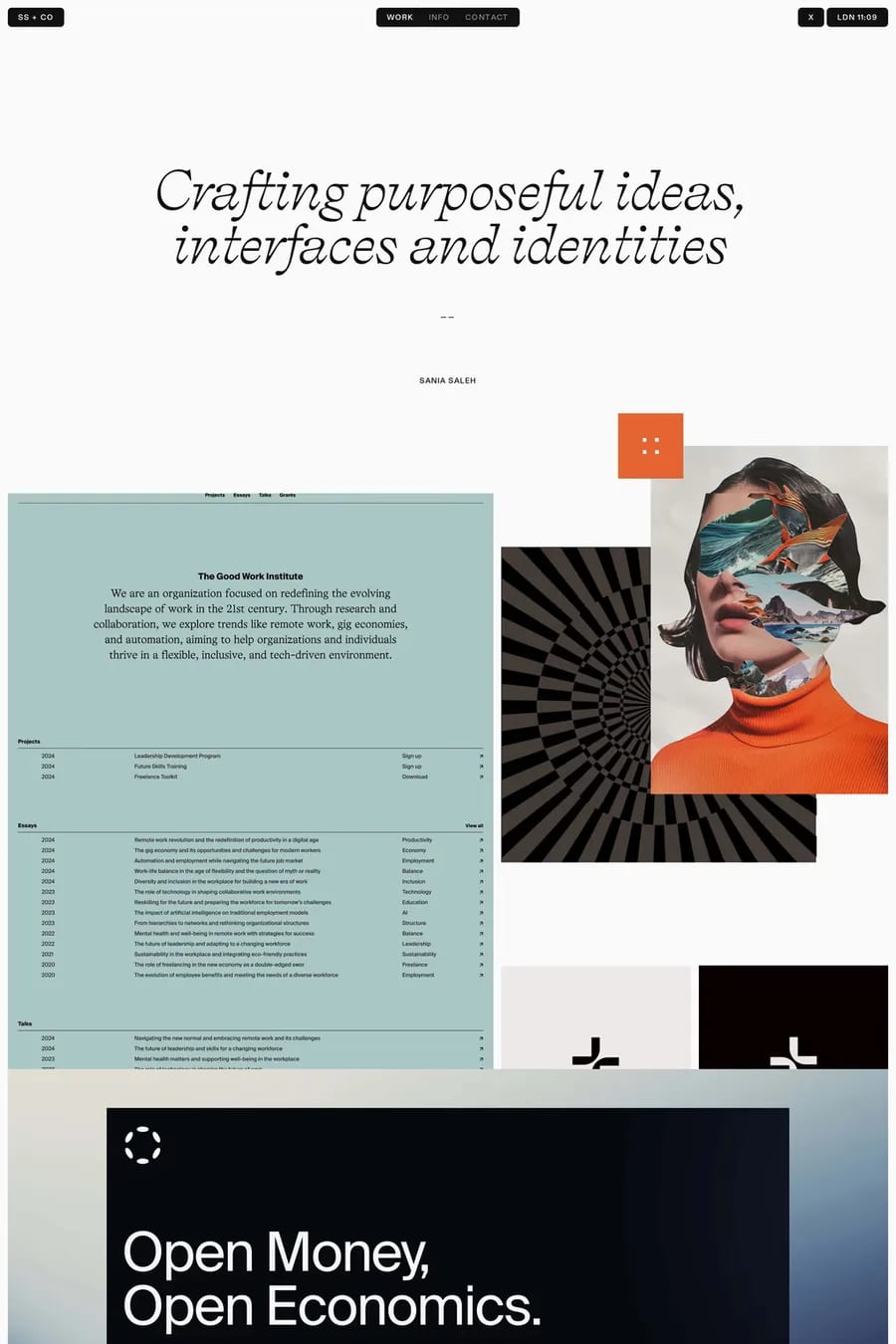
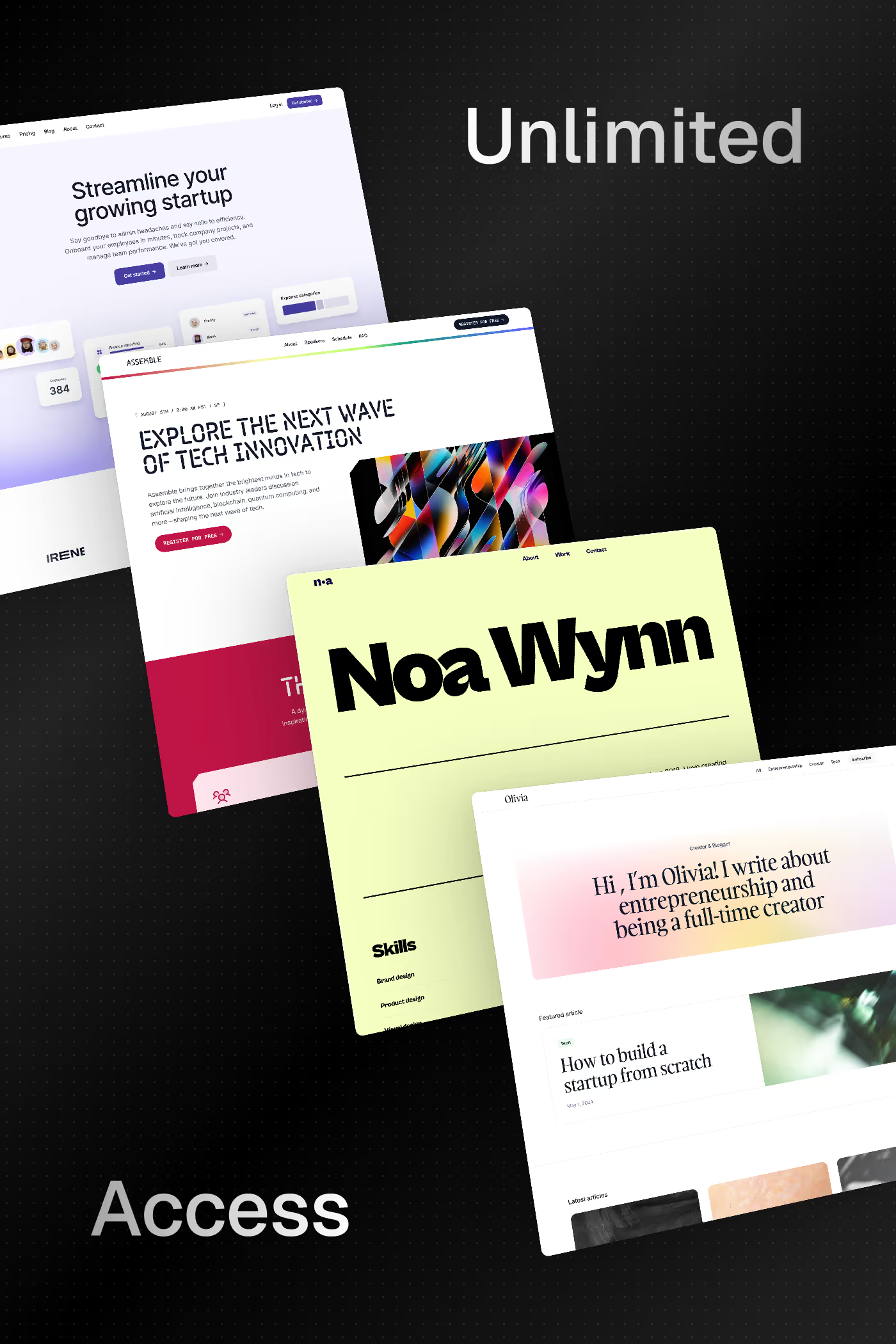
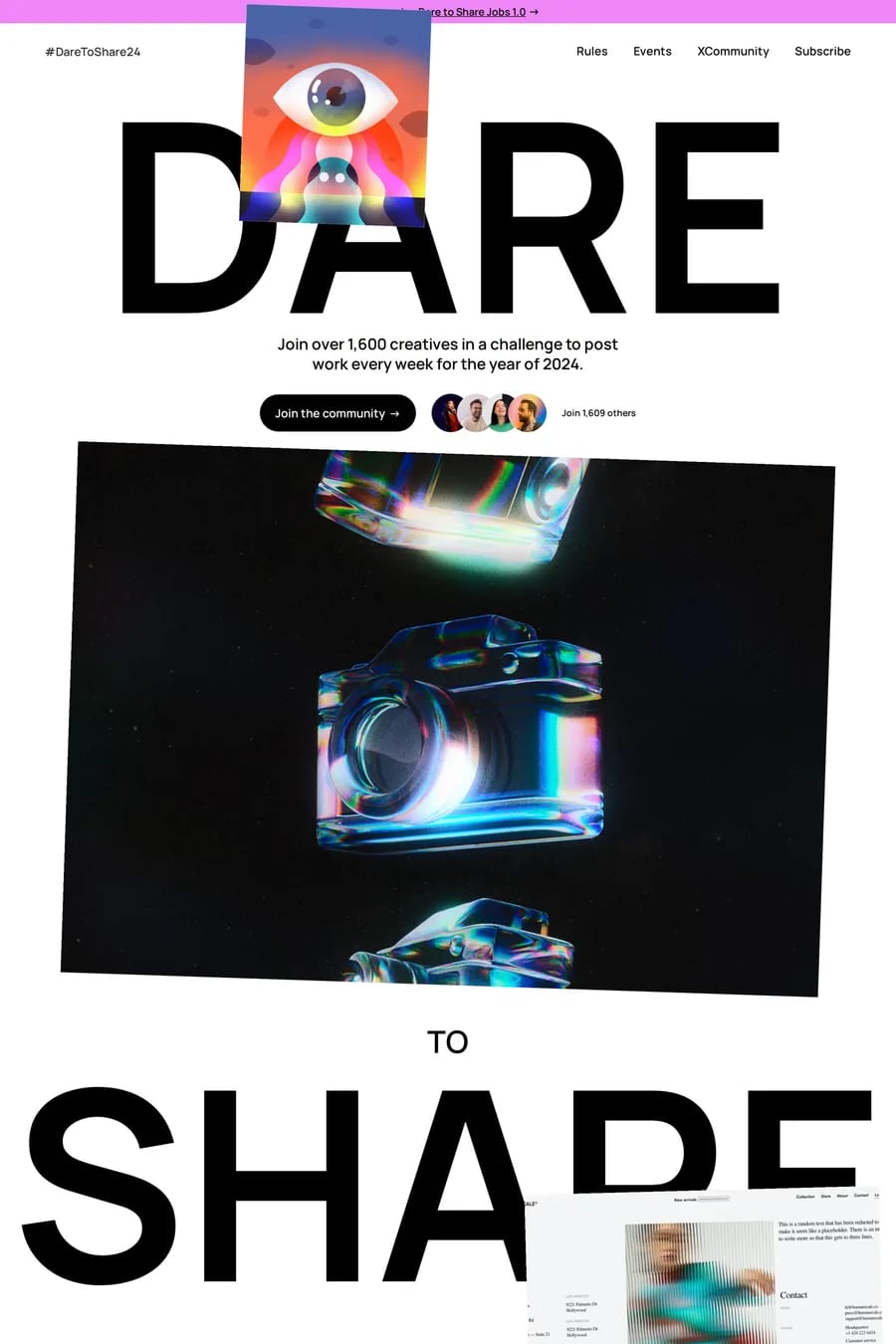
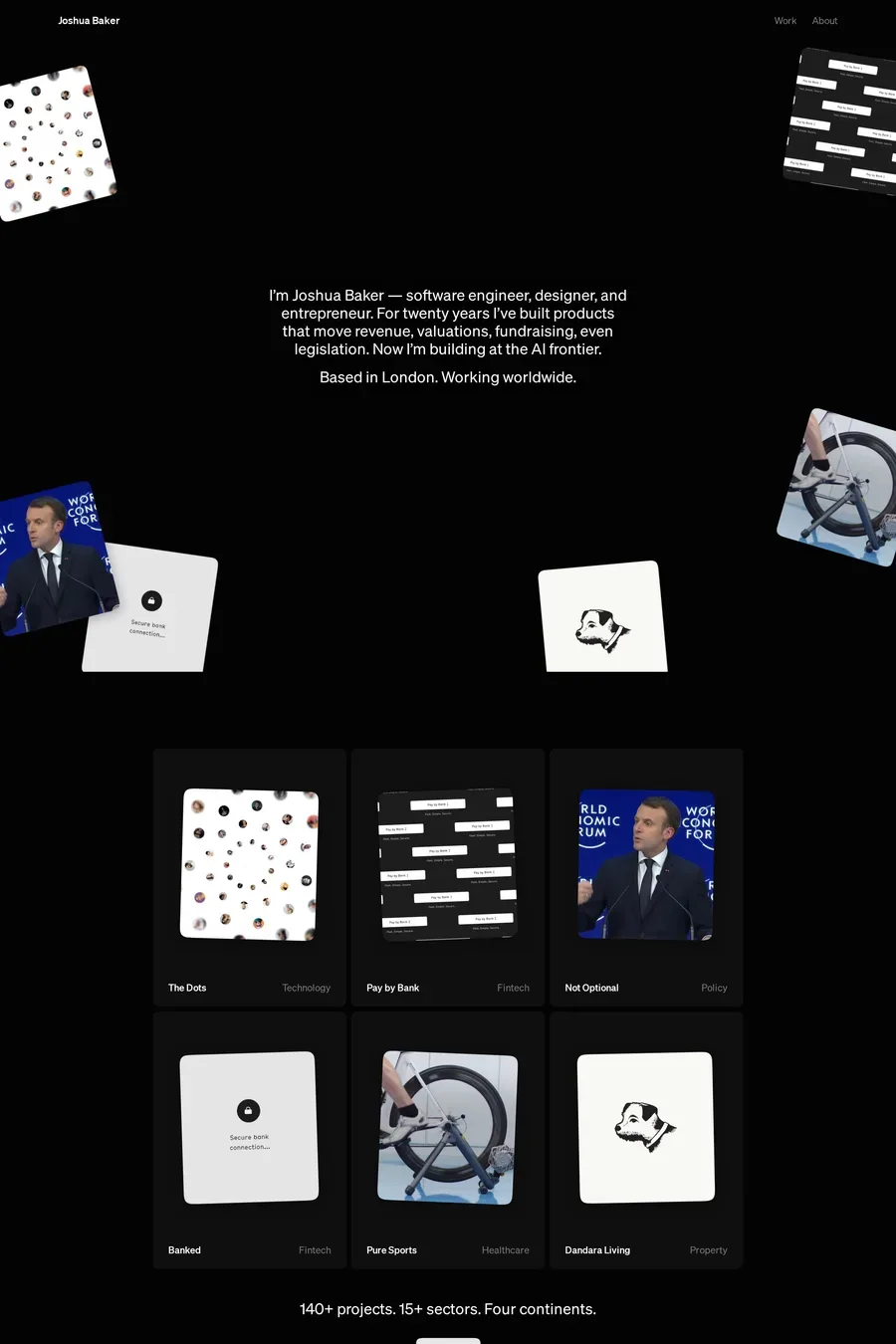
Negative margins, CSS Grid with overlapping track assignments, absolute positioning within relative containers, and CSS transforms all enable overlapping. Z-index management becomes critical to control the stacking order and ensure key content remains accessible.
Overlapping creates dynamic energy and a sense of physicality — elements feel like they exist in real space rather than being confined to separate boxes. It breaks visual monotony, creates focal points at intersection areas, and suggests movement and forward momentum.