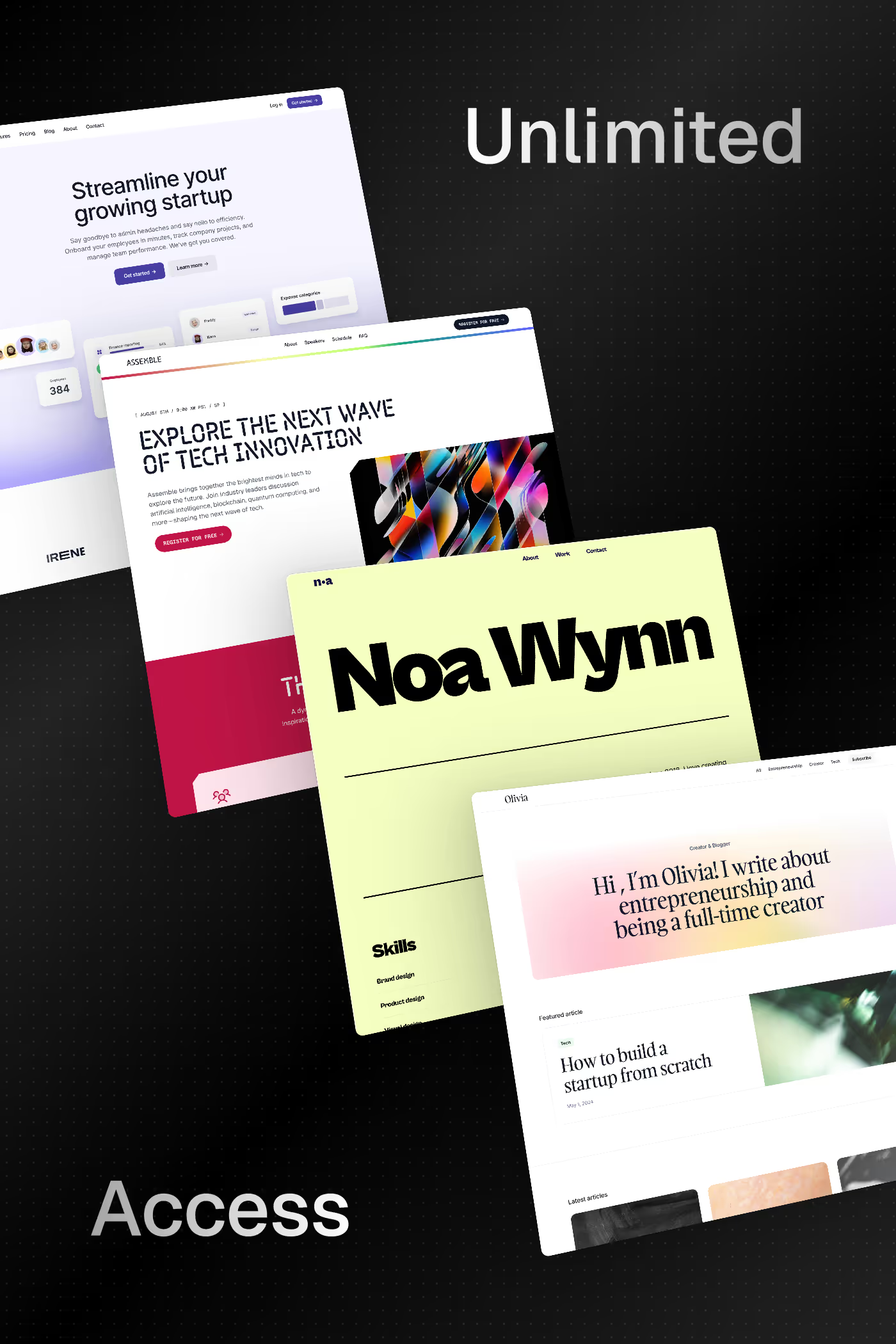
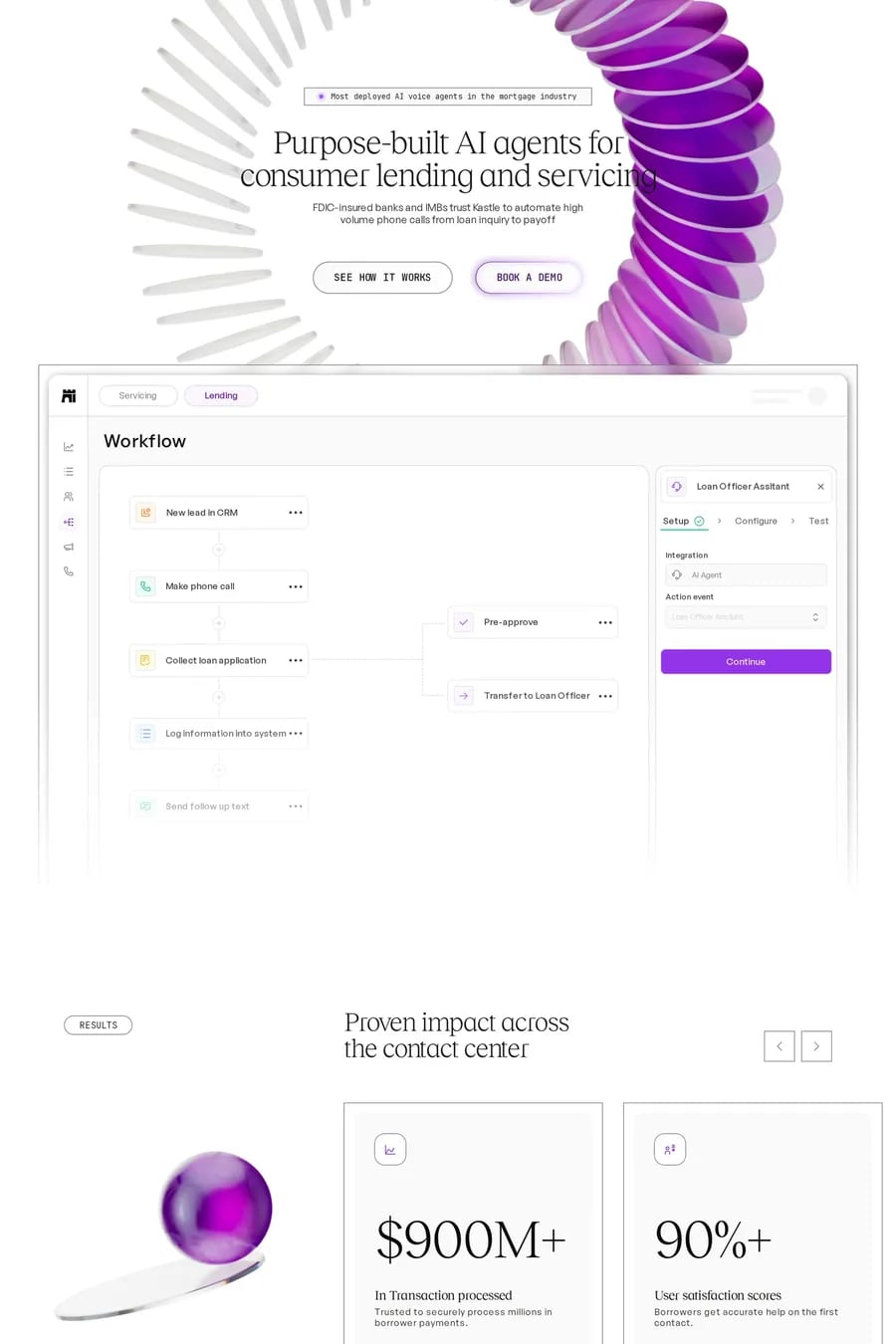
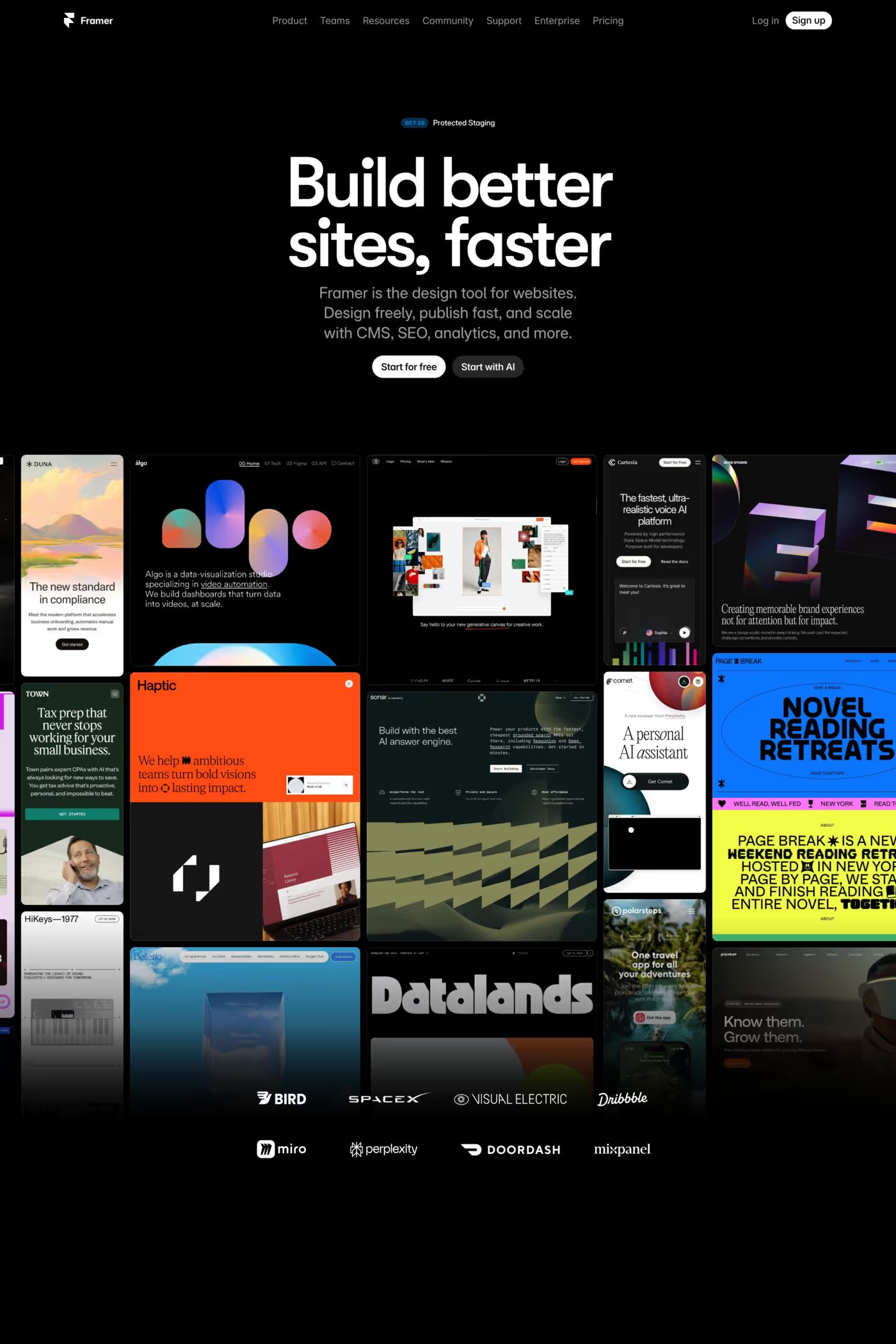
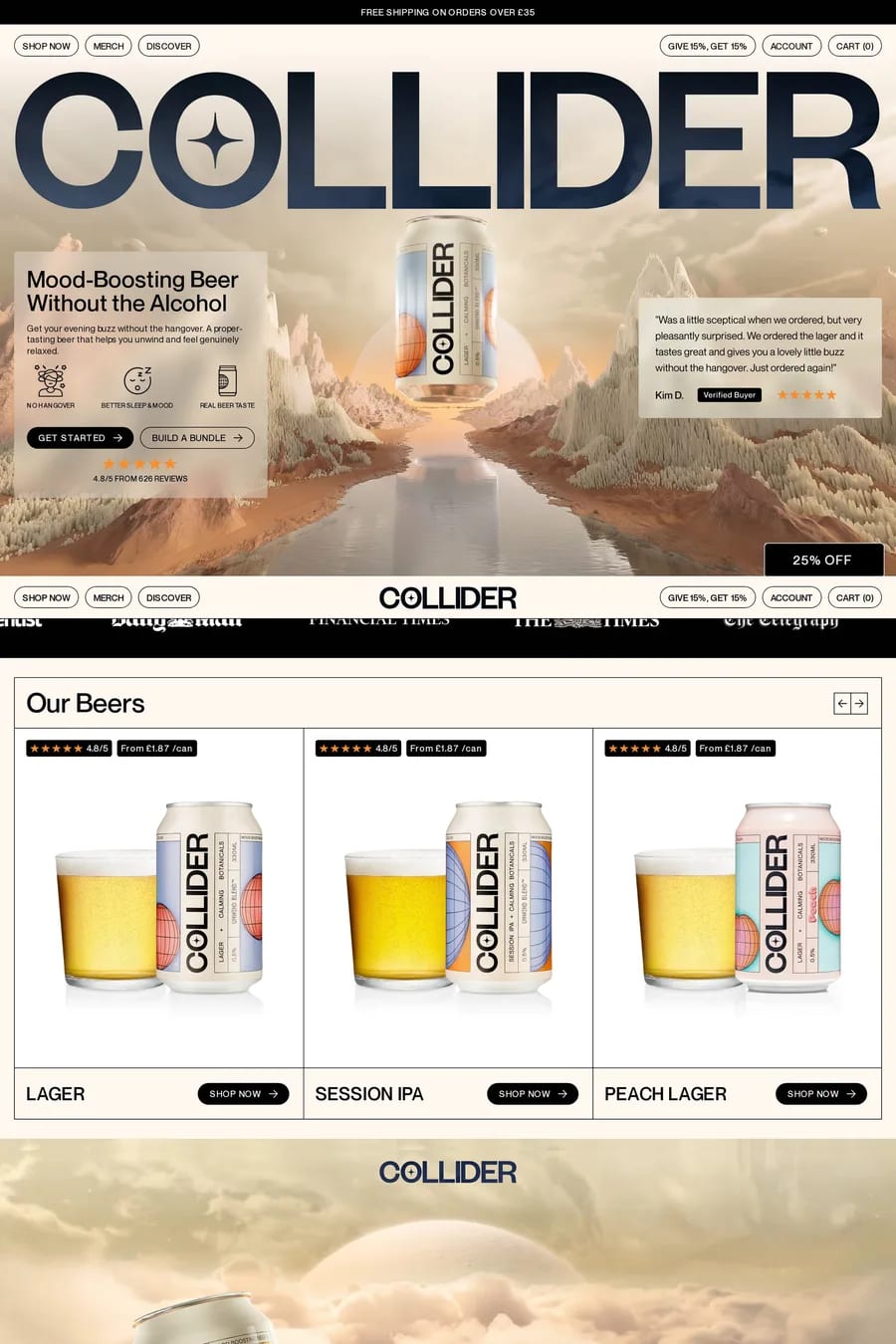
3D on the web went from a party trick to a normal tool in about two years. The sites here — Clay, Legora, Tokens Studio — use rendered objects, depth and perspective to make something abstract feel physical. A product you can rotate. A hero object that responds to the cursor. Layered scenes that shift as you scroll. The tell for a good 3D site is that the object means something. It’s the product, or a metaphor for the product that the copy picks up on. The tell for a bad one is a floating blob that could belong to any company. The second tell is load time. A good 3D site is interactive within a couple of seconds on a laptop, because the model is small and the scene is lit cheaply. A bad one shows a loading bar. Most sites here use Three.js directly or through React Three Fiber. Spline is common for designer-built scenes with no code. CSS 3D transforms cover the simpler perspective effects and cost nothing. Almost all of them ship a still image or a lighter scene on mobile. The GPU in a phone can render the scene, but the battery and the heat say otherwise. See 3D landing pages for the narrower cut, or interactive sites for the same energy without the rendering budget.