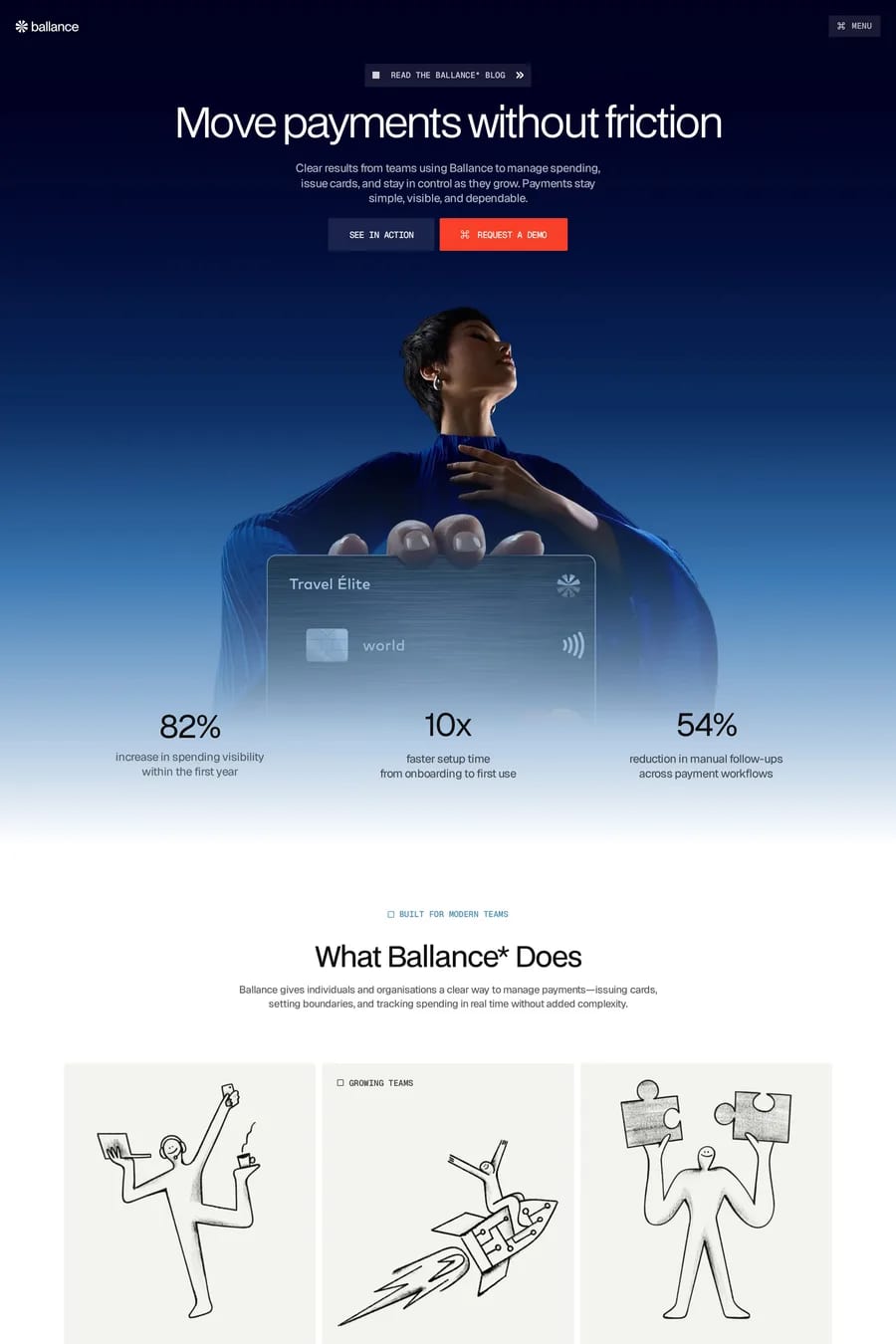
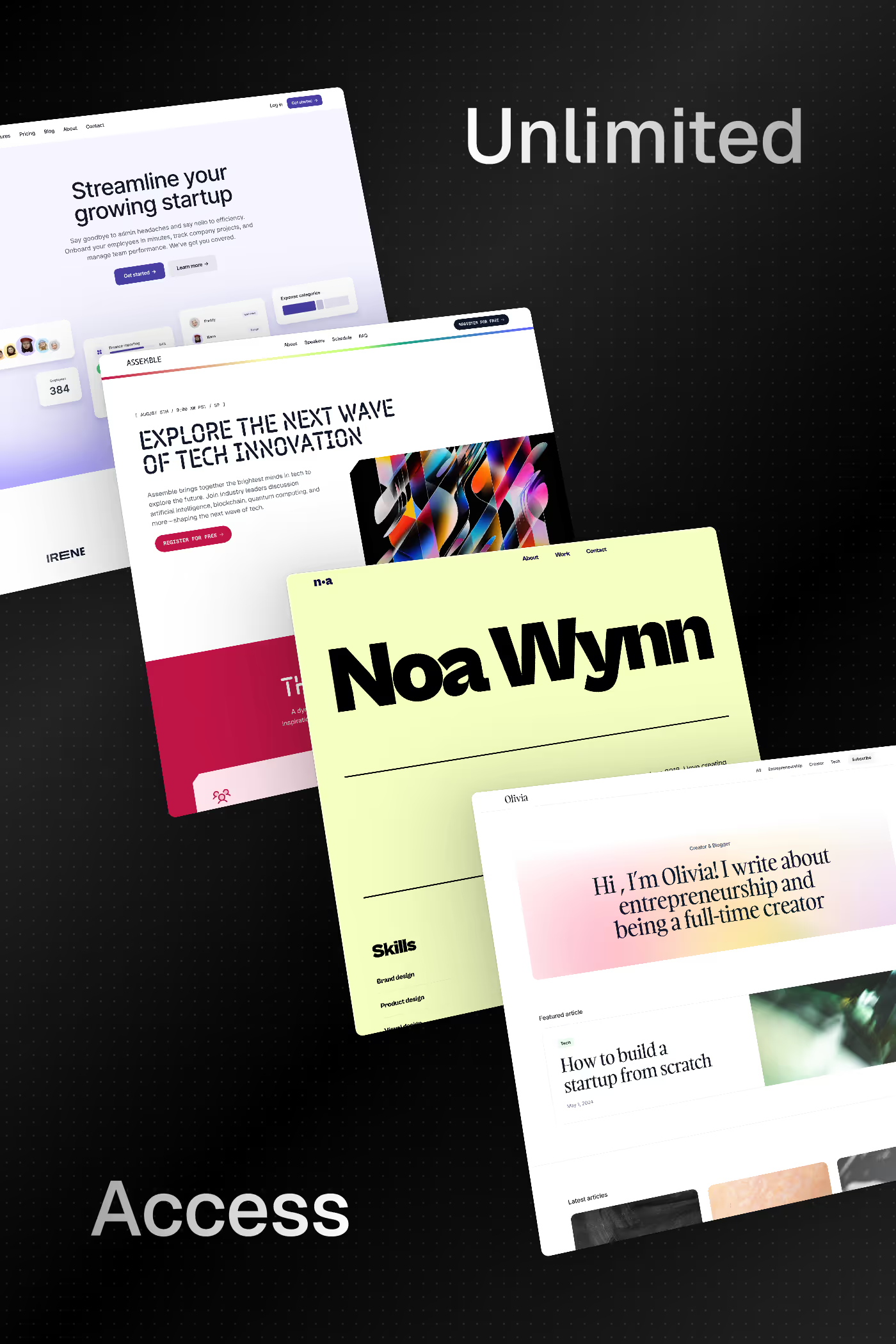
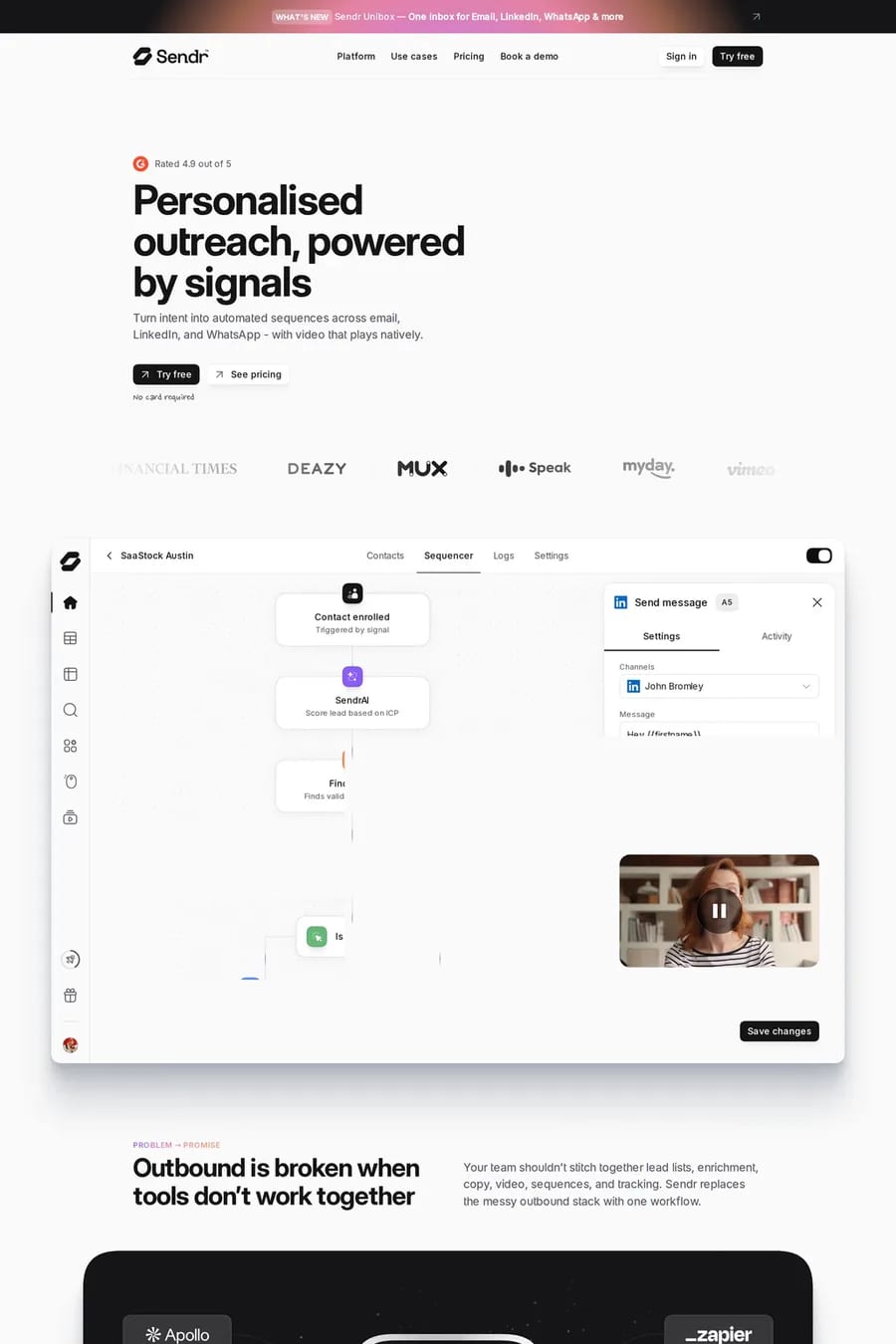
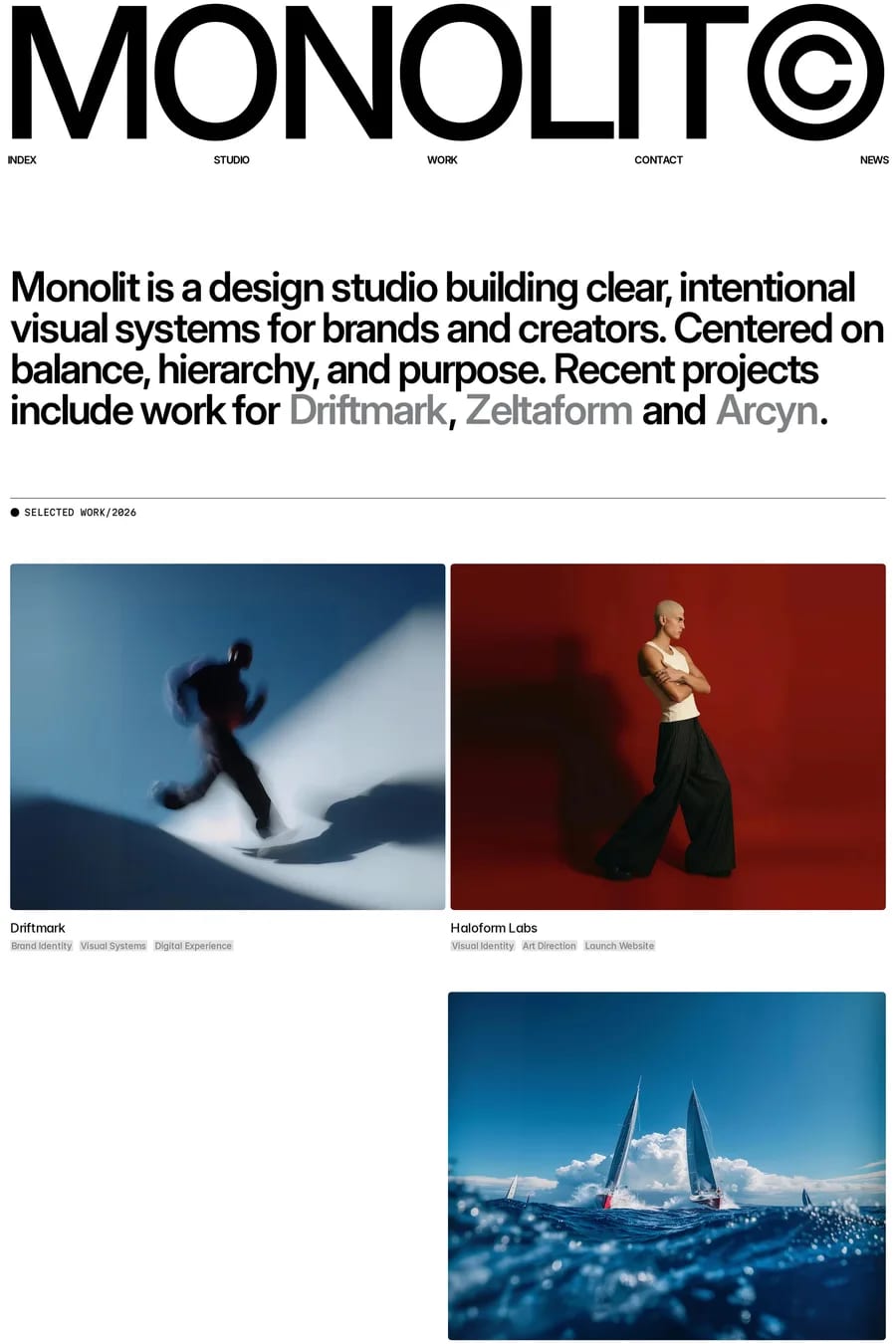
Framer is the platform that ate design-tool muscle memory. Built on React and modelled closely on the Figma interaction paradigm, it gives product designers a way to build production websites using the same mental models they already use to design them — components, variants, auto layout, interaction states. That alignment is why Framer has grown faster than any other platform in this collection through 2025 and 2026, particularly among product designers building portfolios, agencies shipping landing pages, and startups launching marketing sites. The best Framer sites in this collection don’t look like Framer sites — they look like custom-coded React apps with rich animation and component-driven design systems. The weakest ones use Framer’s template defaults too literally and end up looking like every other Framer template. The differentiator is rarely the platform; it’s how aggressively the designer escapes the template feel. Look at how the strongest Framer sites handle animation. Framer’s native animation system is the platform’s standout feature — it’s closer to After Effects than to CSS keyframes, with a timeline, easing curves, scroll-triggered sequences, and component-state transitions that would take significant code to replicate elsewhere. The strongest sites use it as *narrative* (motion that explains the product) rather than decoration (motion that just moves things around). The CMS has matured significantly since 2024 — it now handles content-heavy sites that would have been awkward two years ago. Localisation is solid. Performance is generally good, though heavy animation can hurt mobile scores if not controlled. Browse Framer landing pages, Framer design portfolios, Framer agency sites, or all Framer templates for the dominant patterns.