
Updated
Curated inspiration sent every Tuesday
Unsubscribe at any time
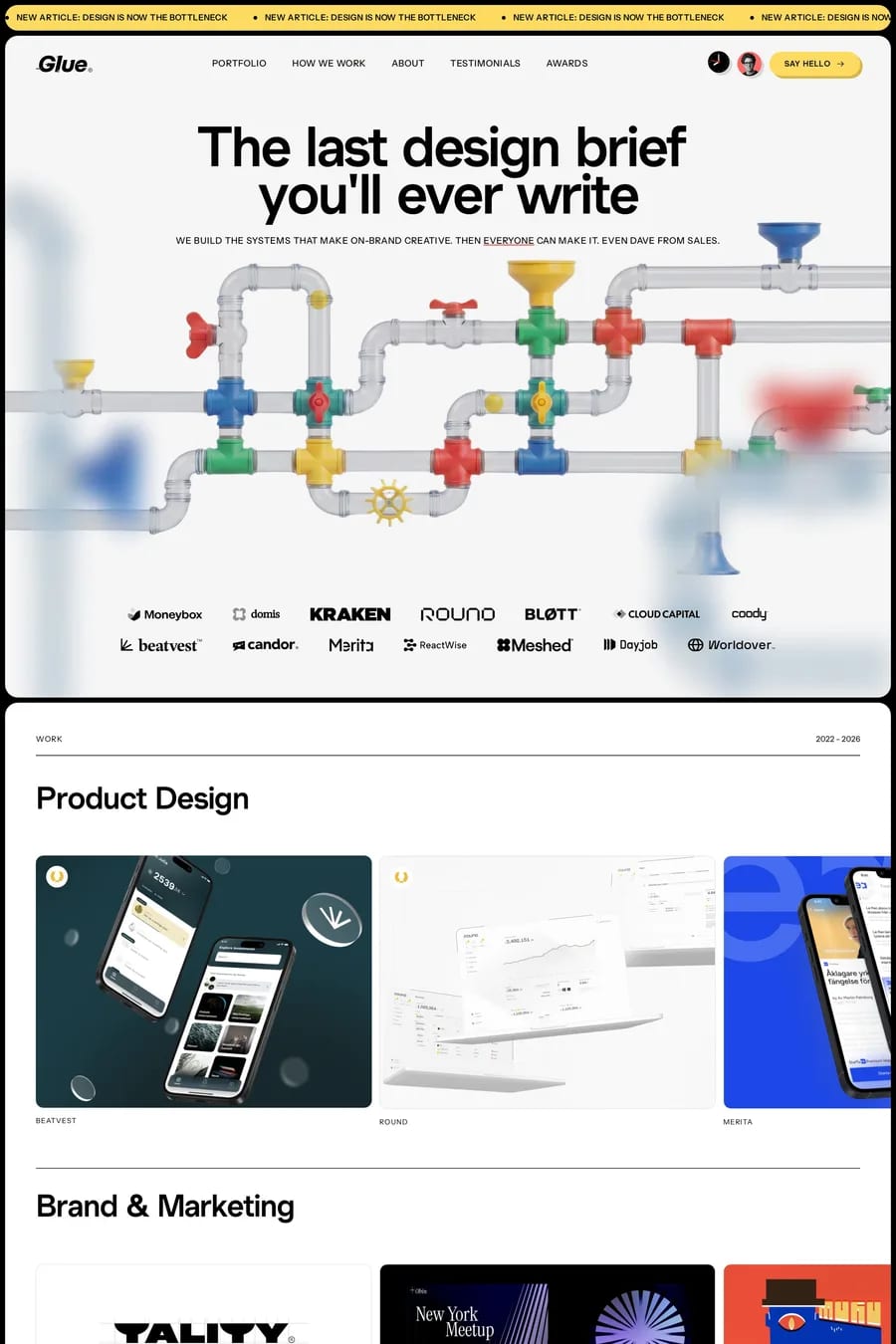
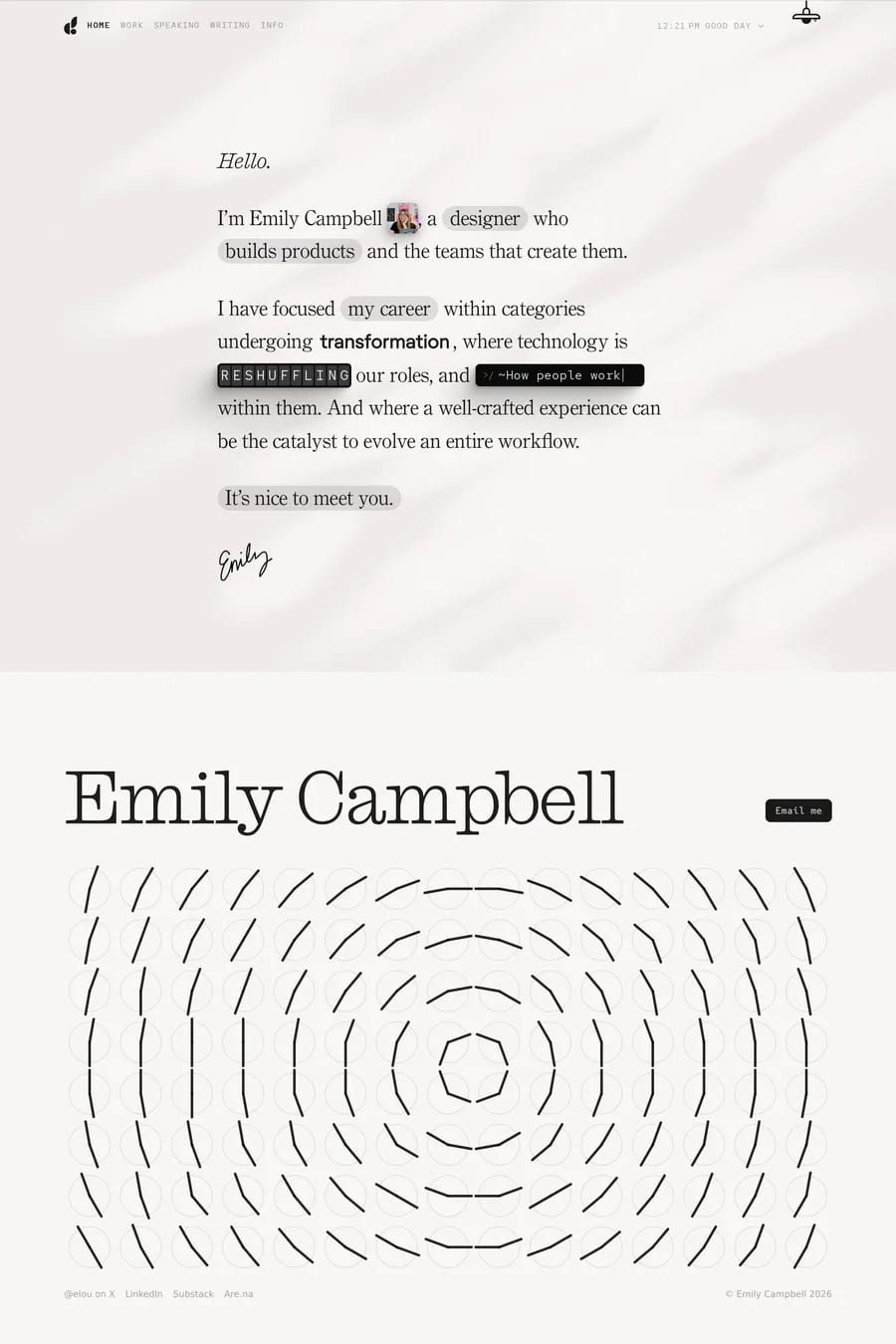
Common approaches include enlarged dot cursors that scale on hover, text-label cursors that change messaging contextually, cursor trails with physics-based motion, and blend-mode cursors that invert or highlight underlying content as they move.
Custom cursors must remain clearly visible and responsive — any lag or loss of precision frustrates users. They should enhance rather than replace native cursor affordances, and designers should ensure the custom cursor degrades gracefully on touch devices where cursors are absent.