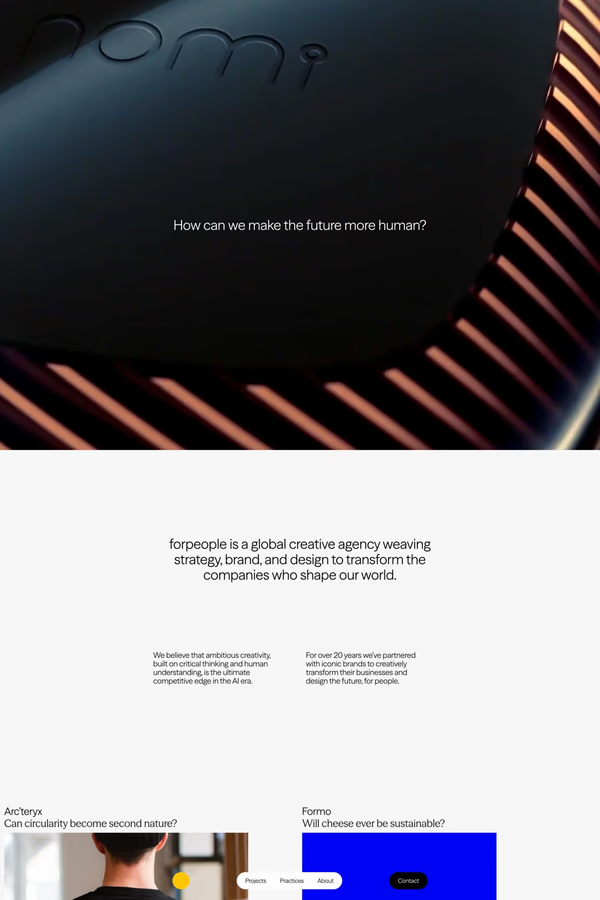

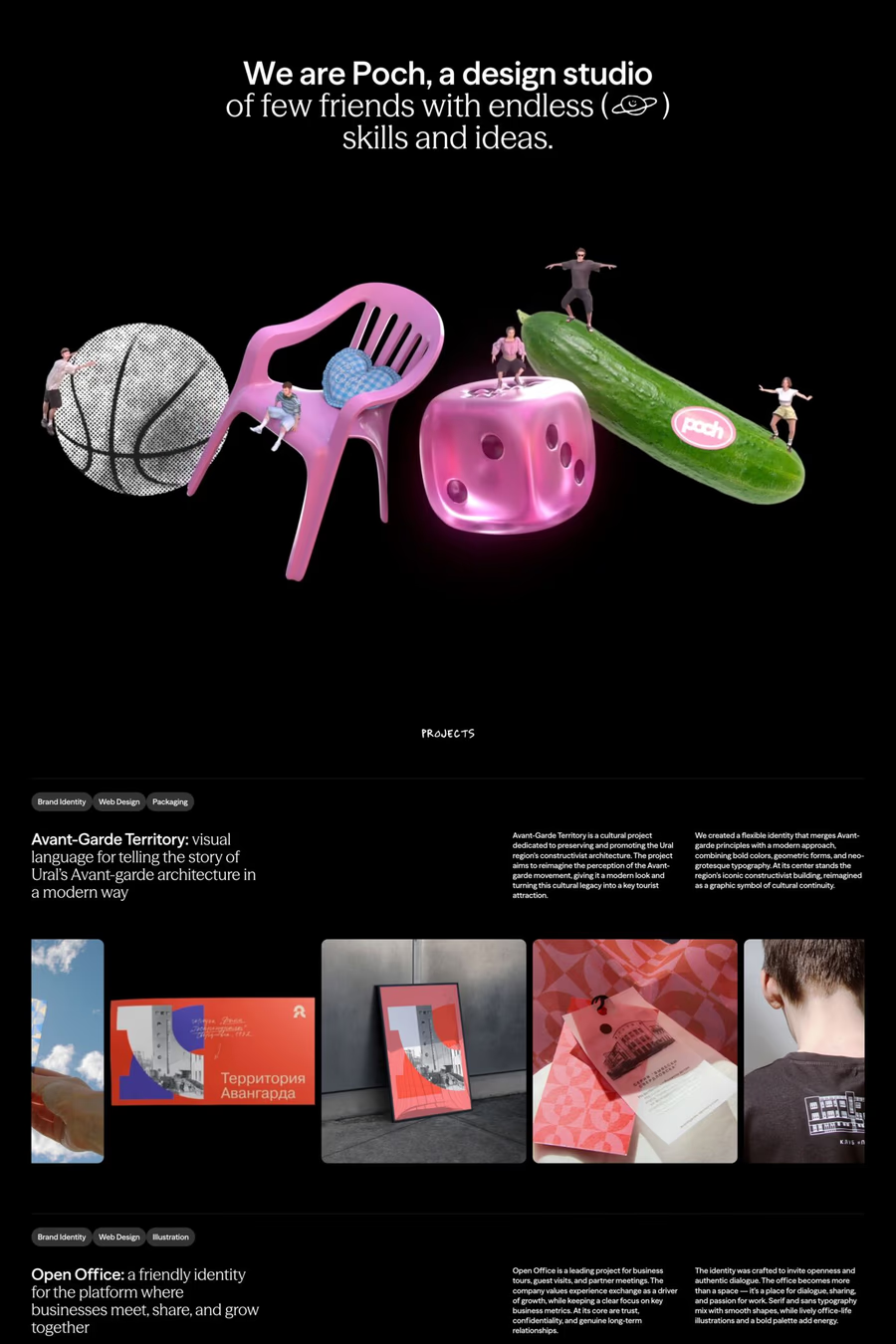
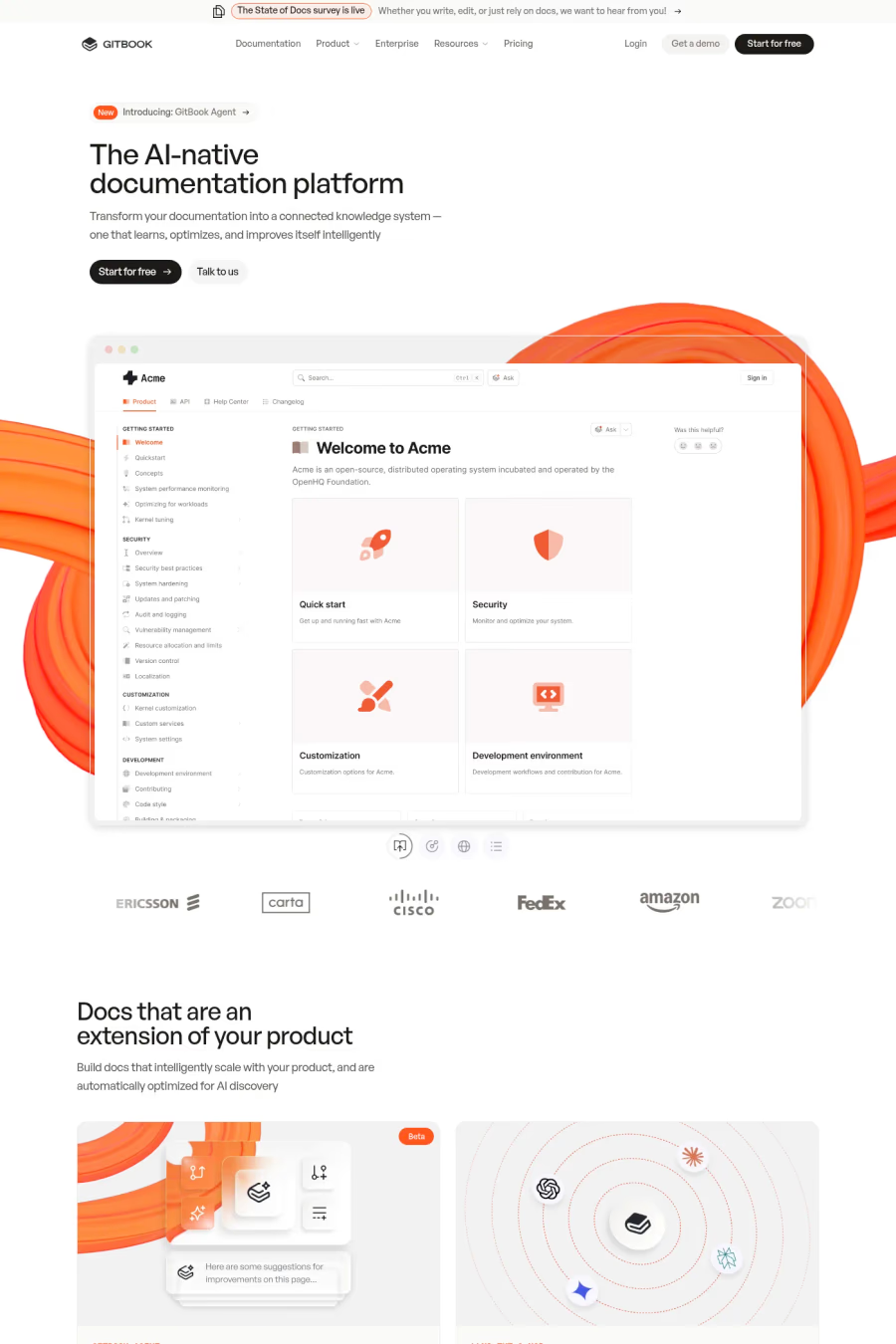
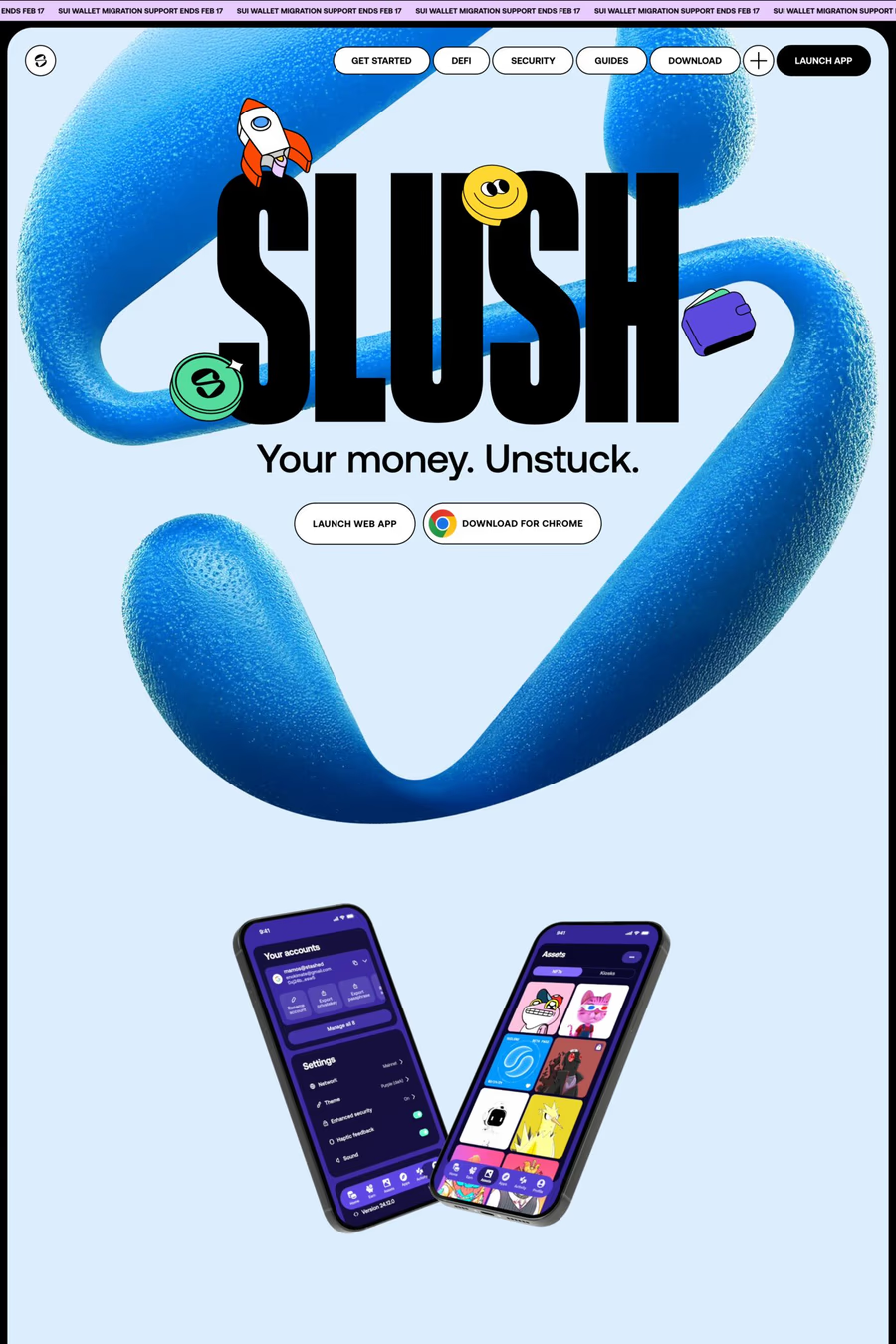
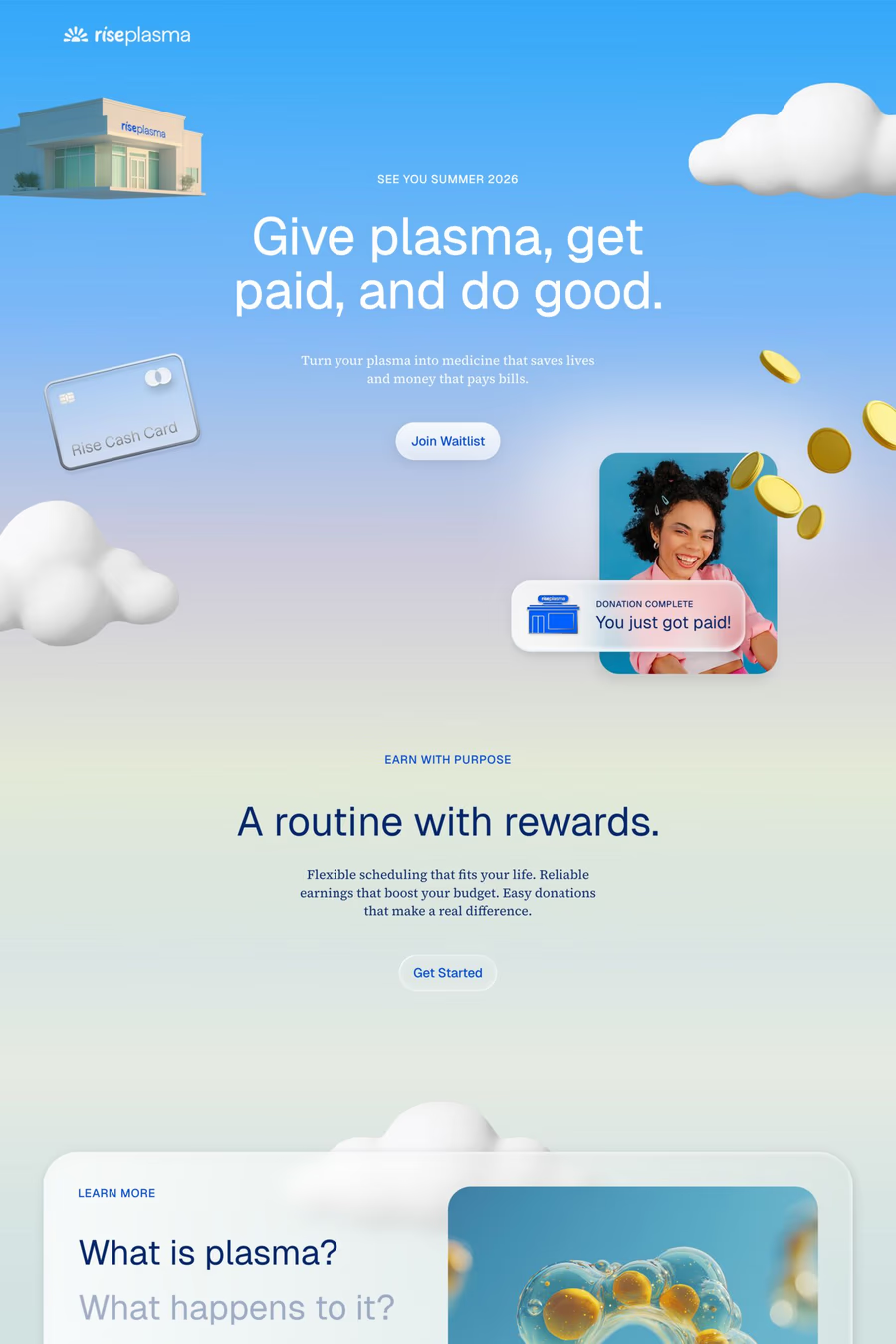
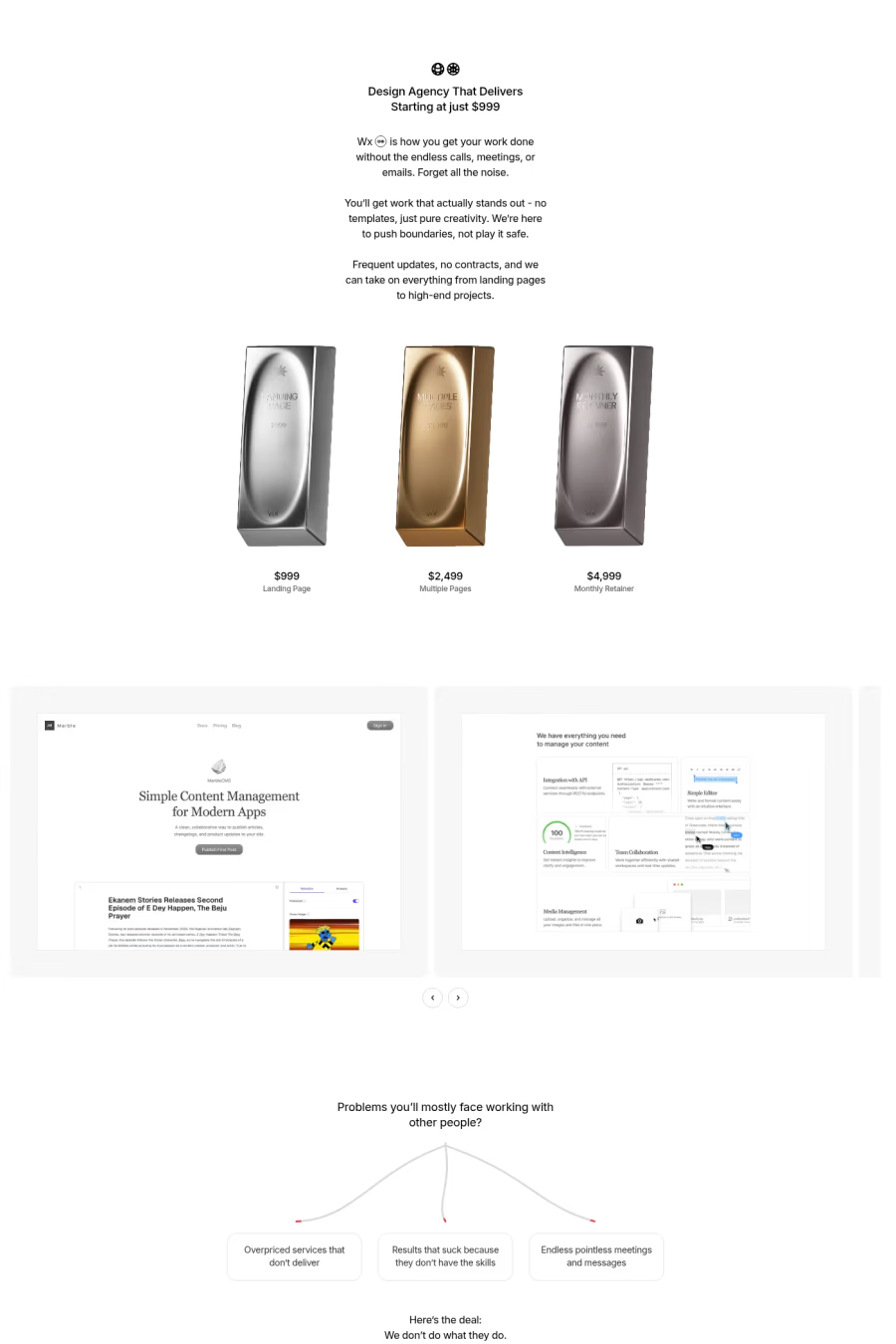
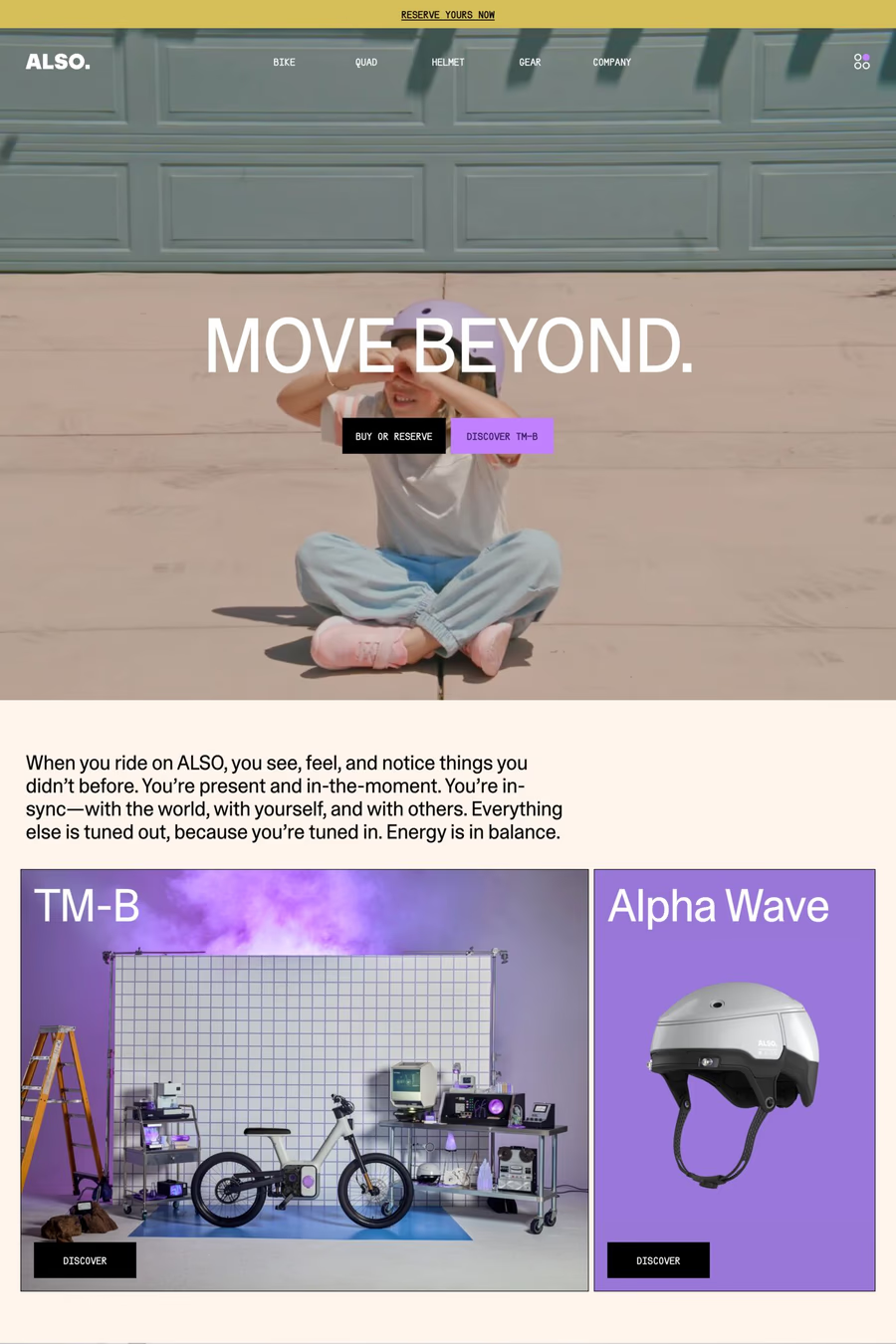
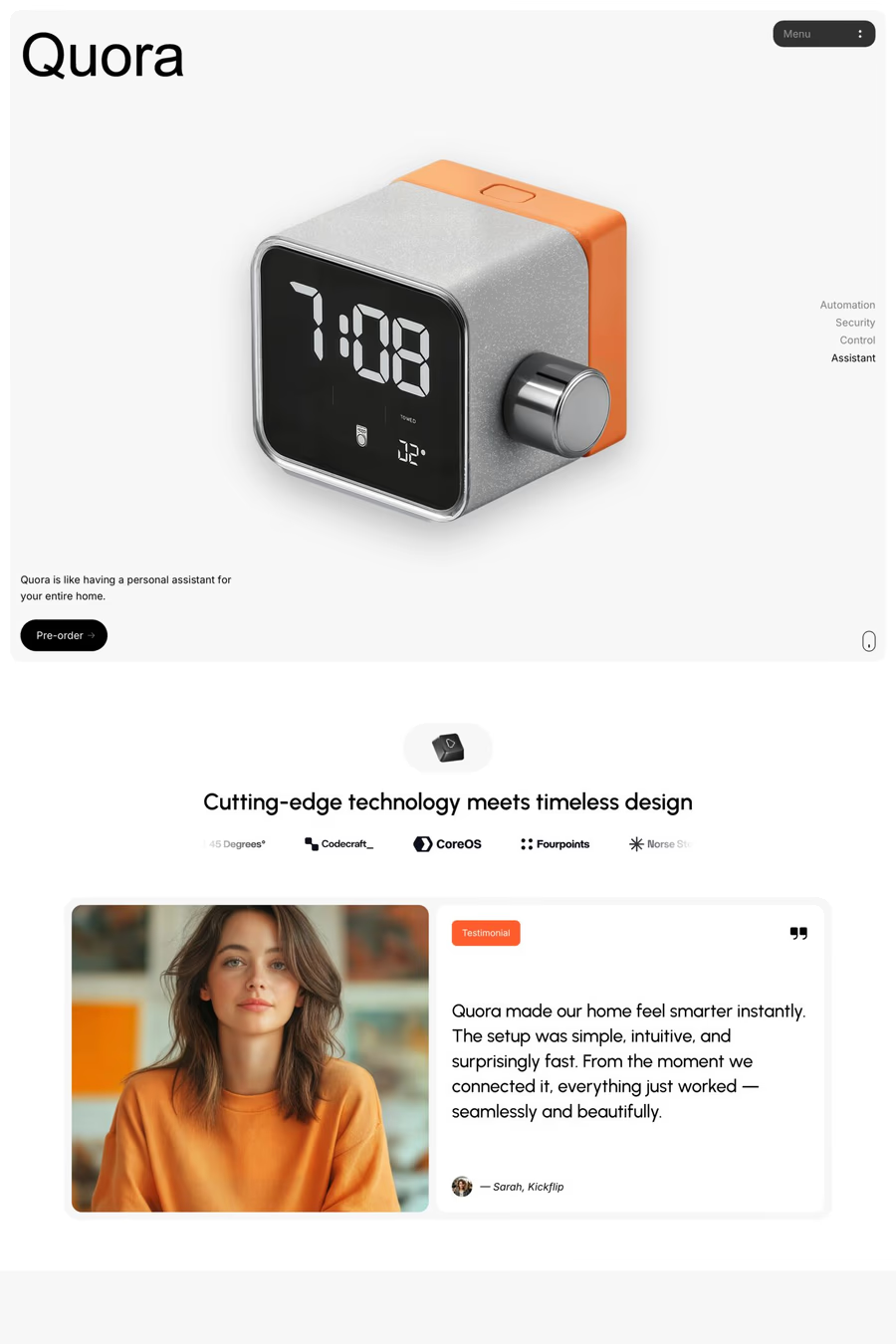
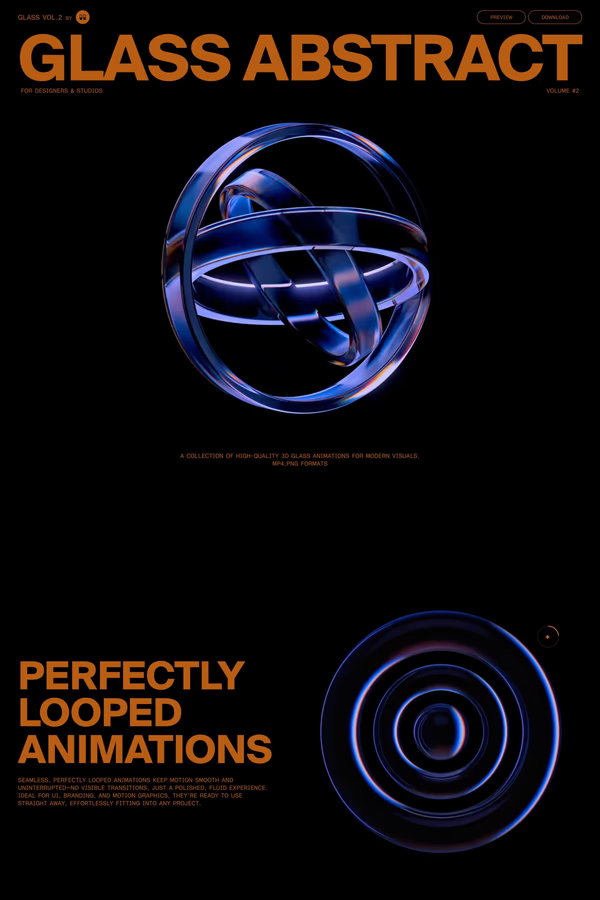
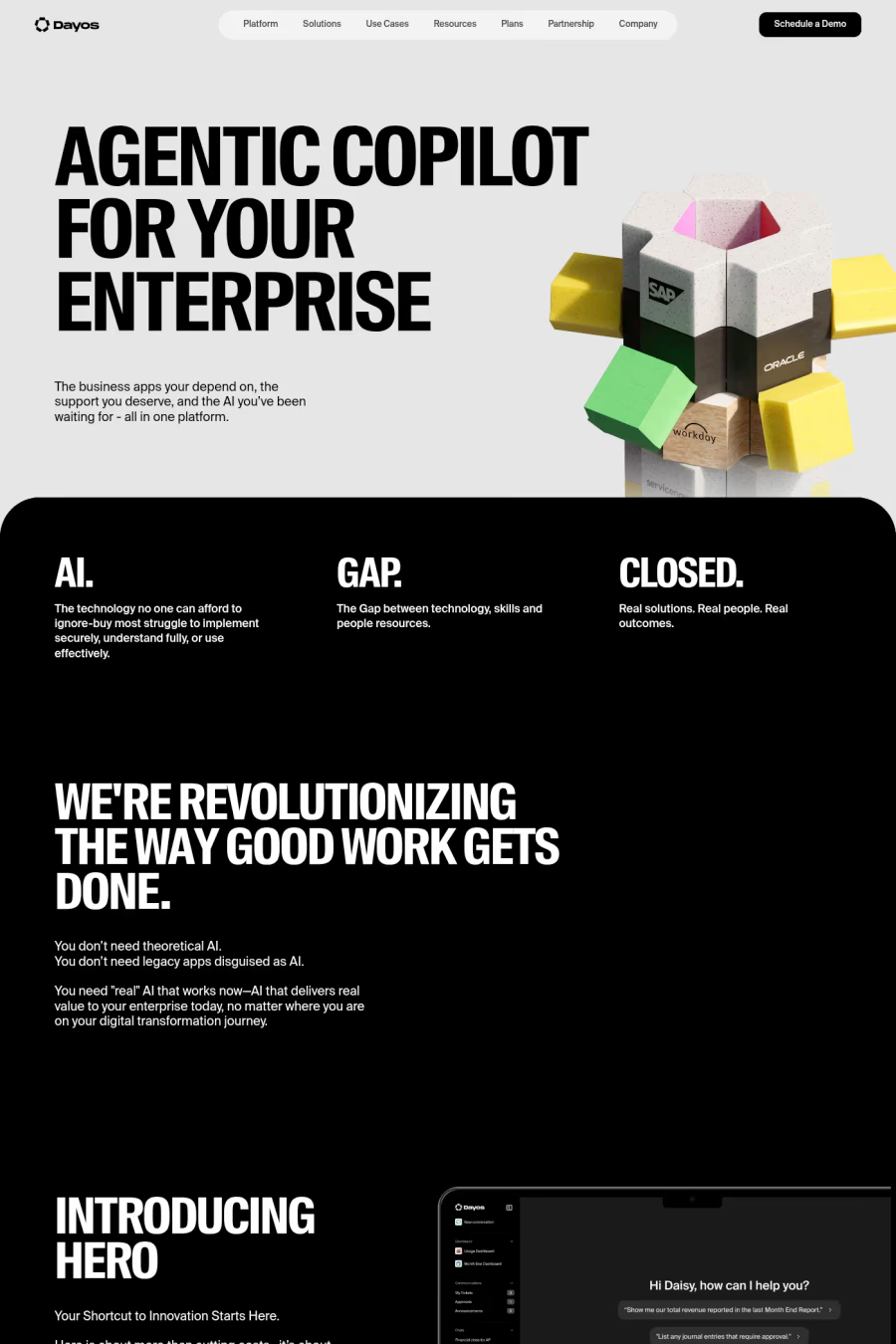
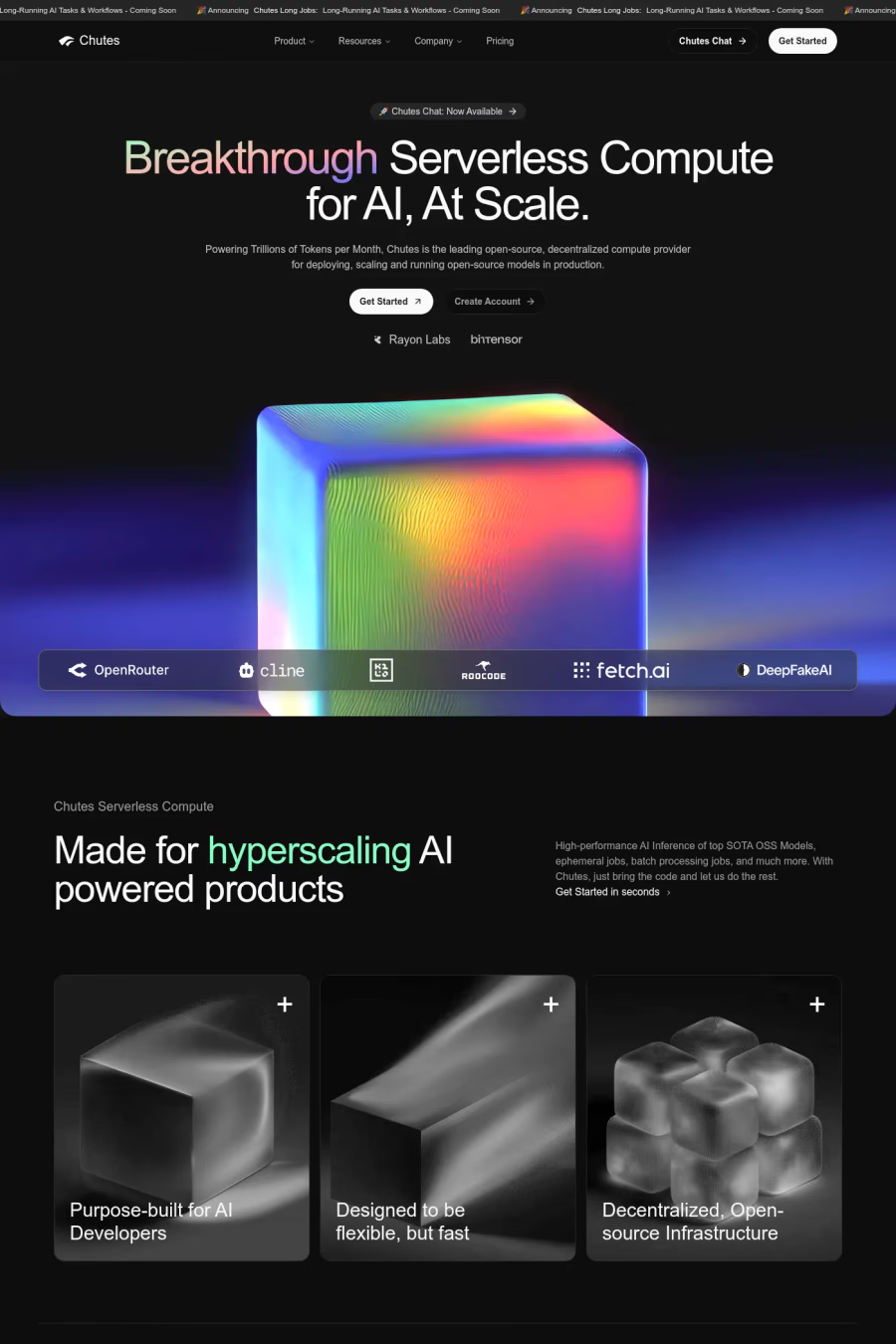
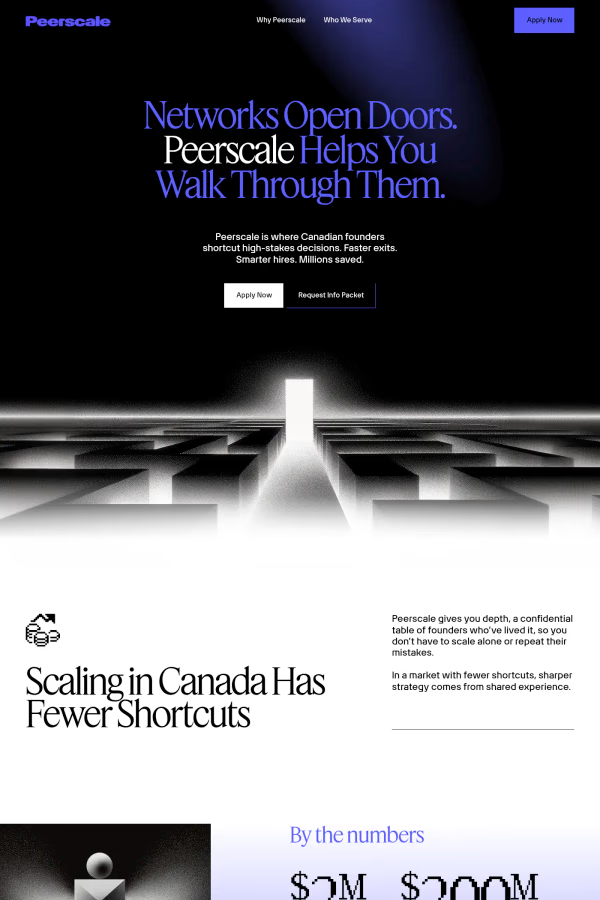
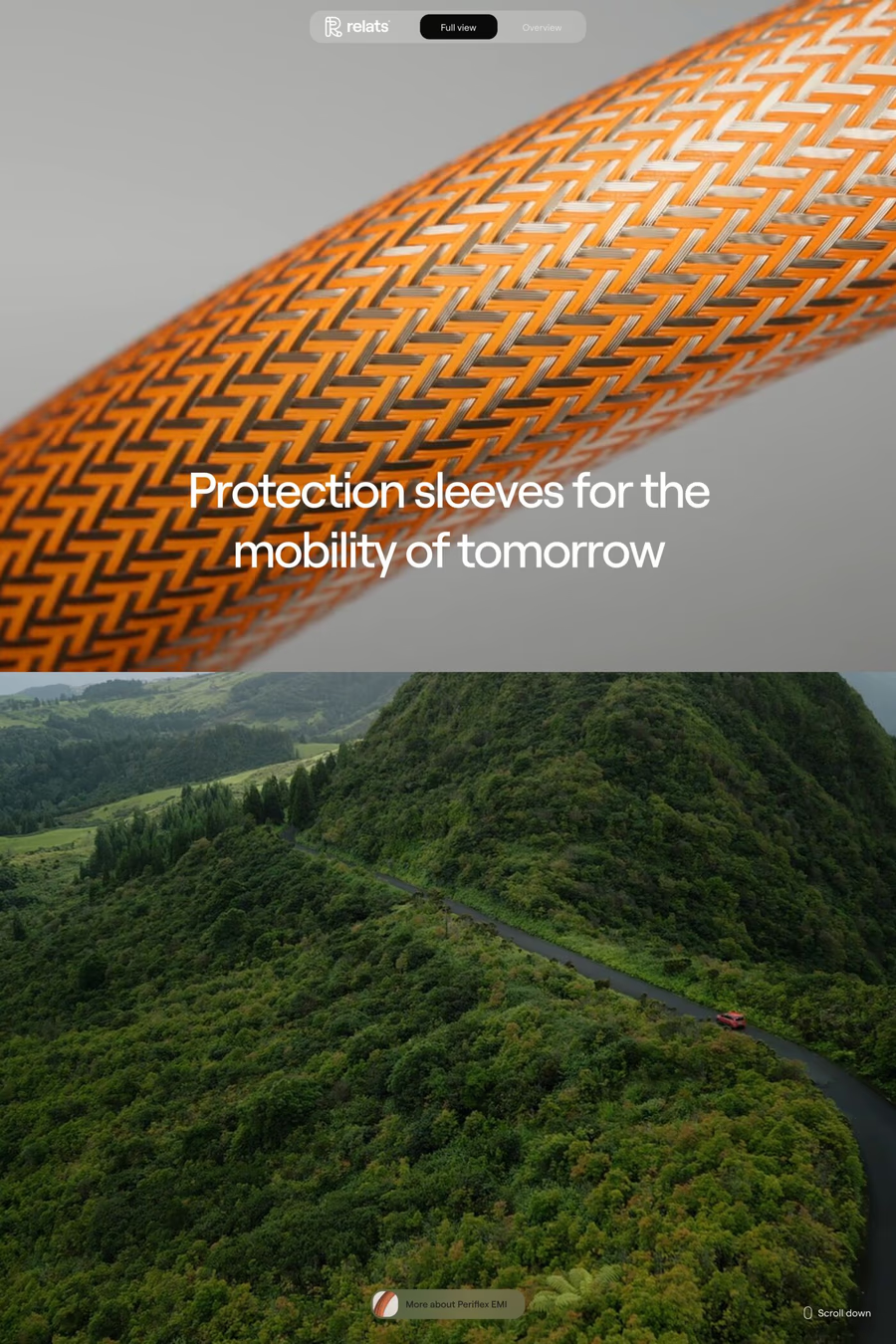
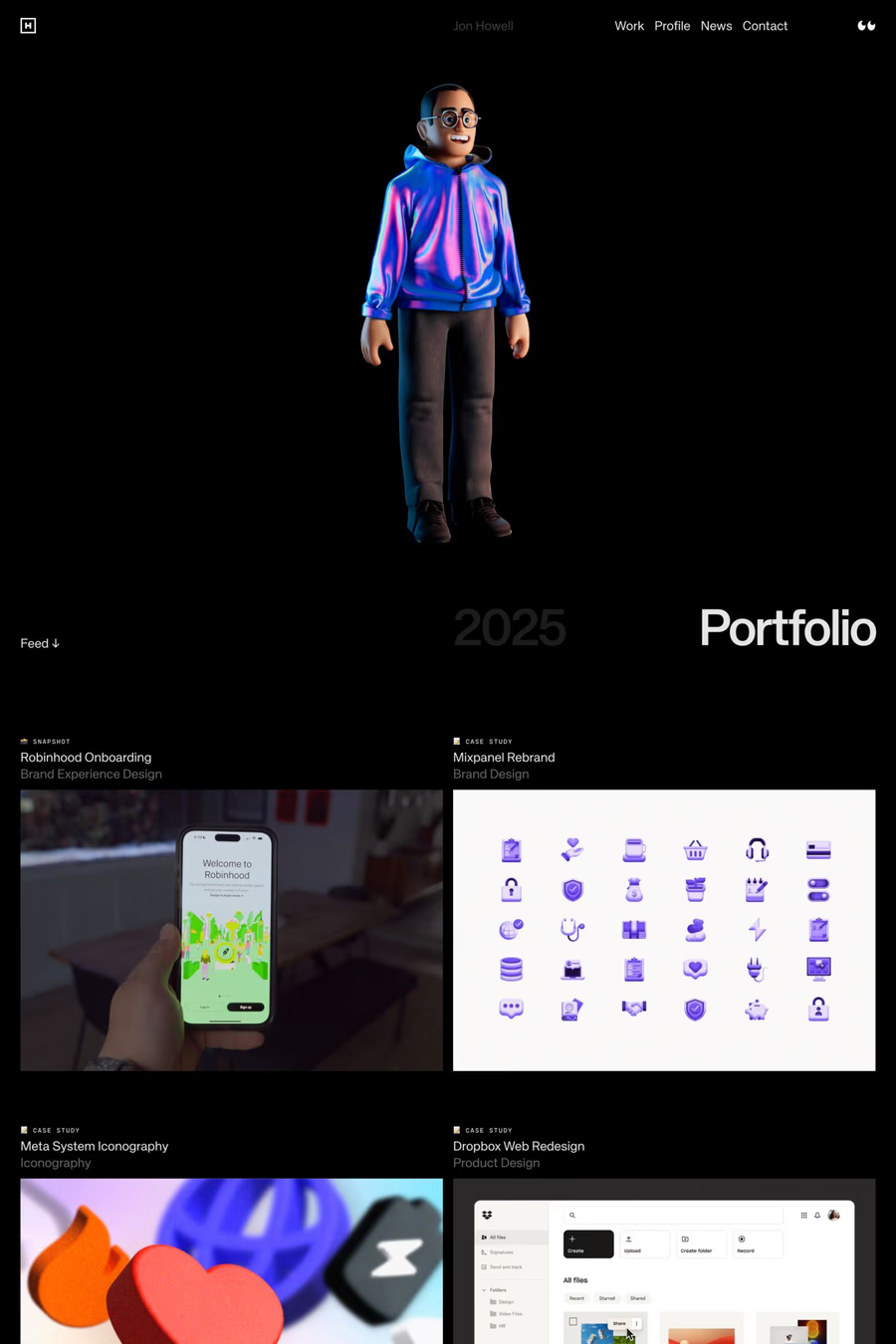
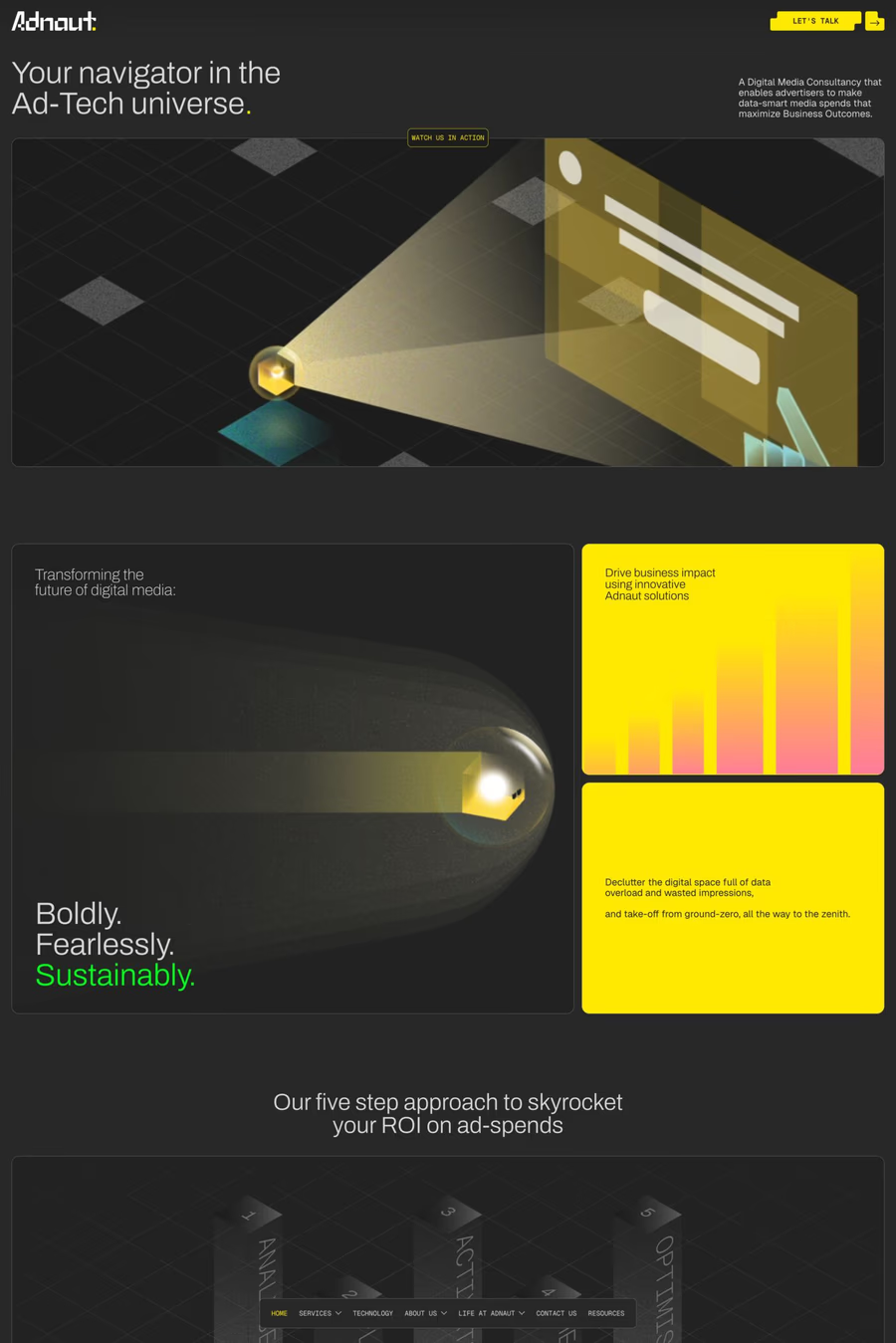
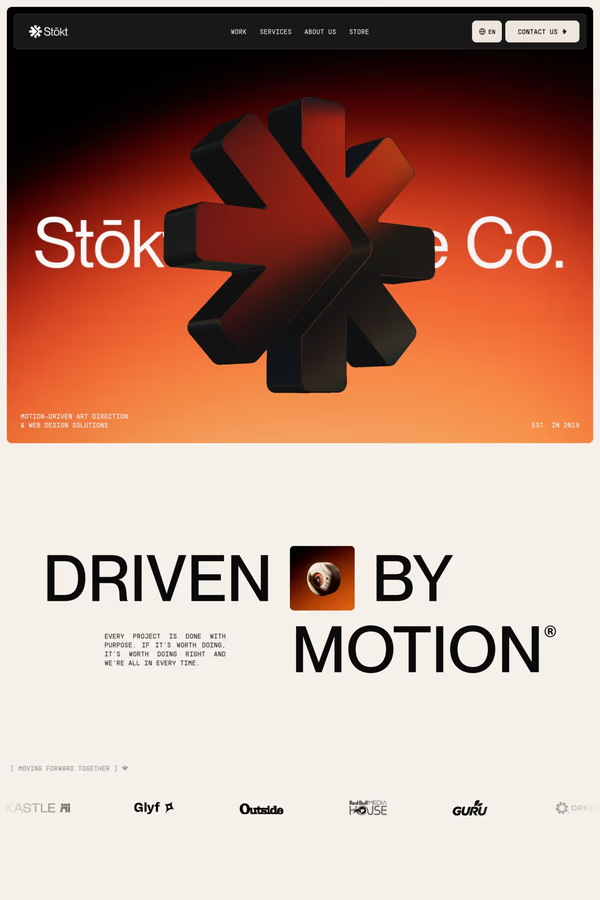
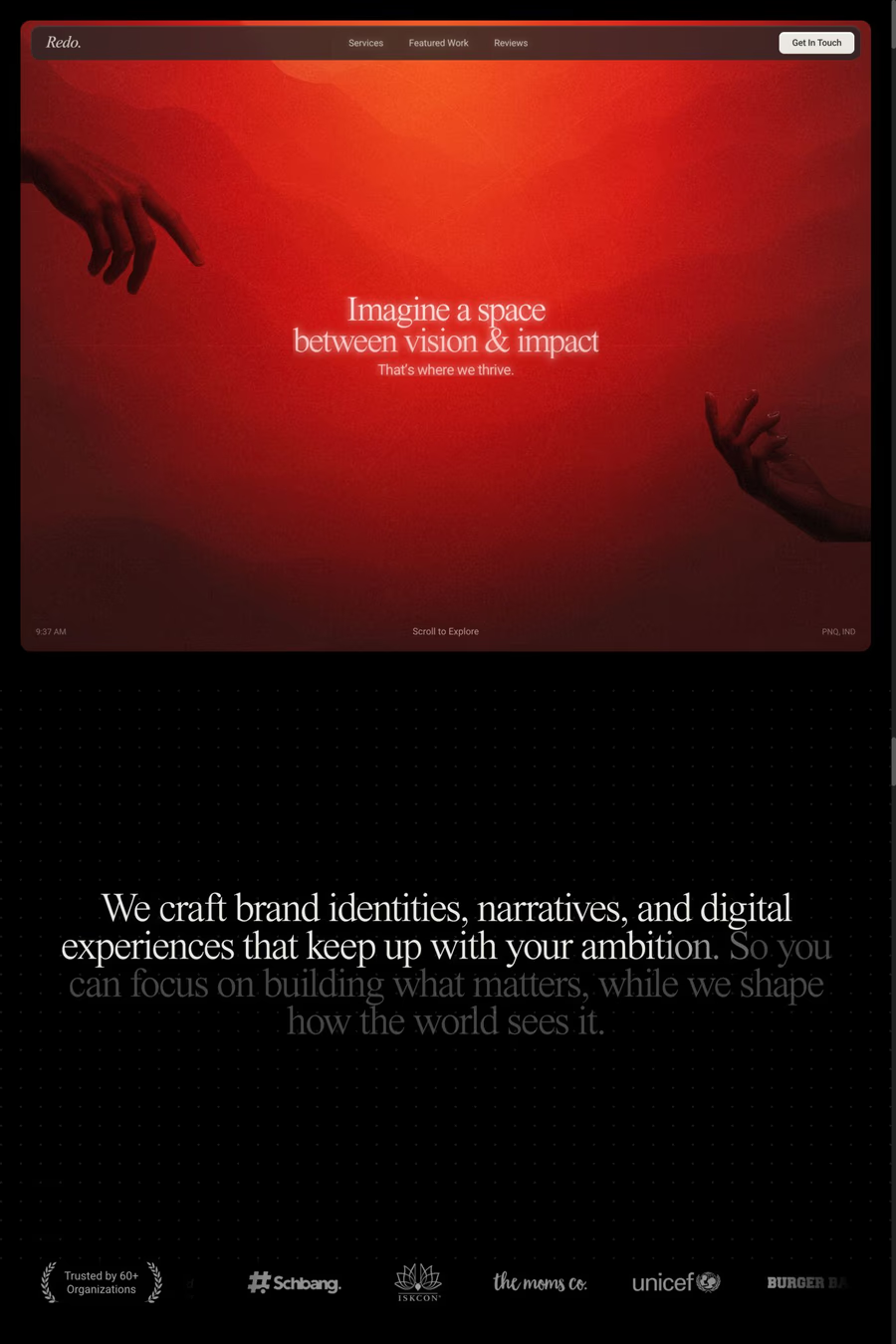
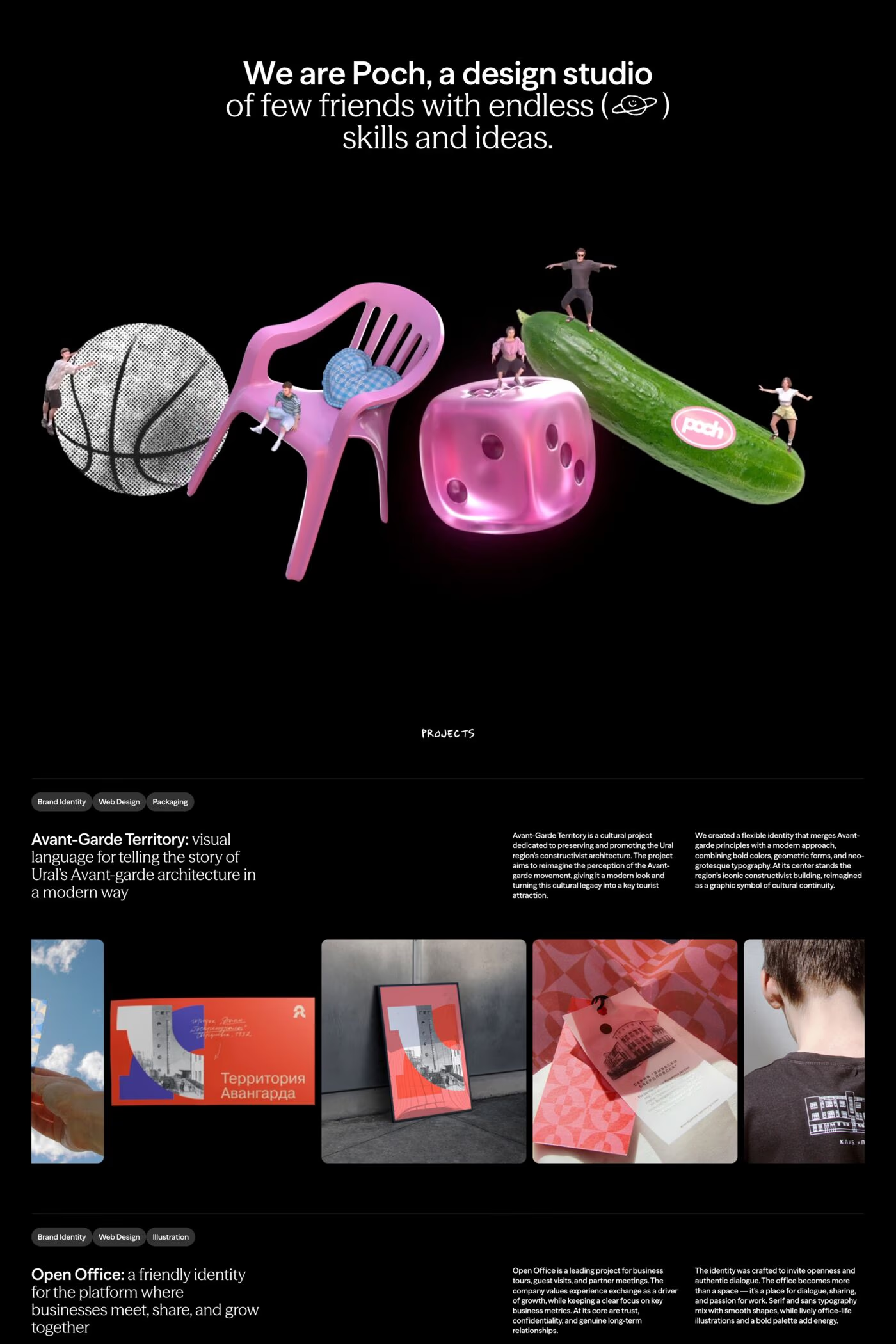
3D web design brings depth and dimension to the browser through rendered objects, spatial interfaces, and perspective-driven layouts. These sites often use WebGL or CSS 3D transforms to create immersive environments that invite exploration beyond the flat plane.




Curated inspiration sent every Tuesday
Unsubscribe at any time

Most 3D web experiences rely on WebGL through libraries like Three.js, React Three Fiber, or Spline. CSS 3D transforms handle simpler perspective effects, while newer WebGPU capabilities are opening up even more performant real-time rendering in the browser.
Optimising 3D for the web involves reducing polygon counts, compressing textures, using level-of-detail techniques, and lazy-loading heavy assets. Progressive enhancement ensures users on lower-powered devices still get a functional experience.