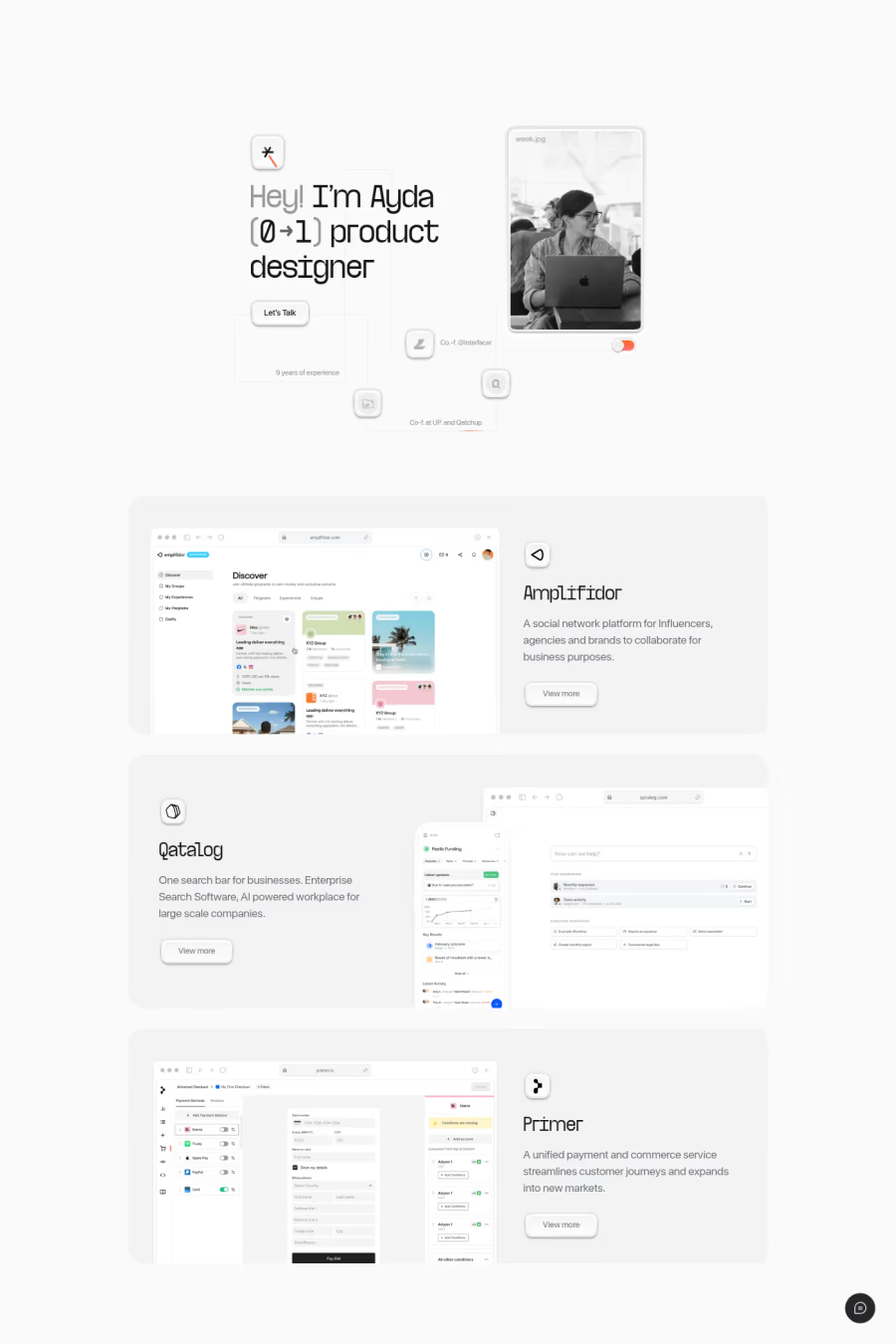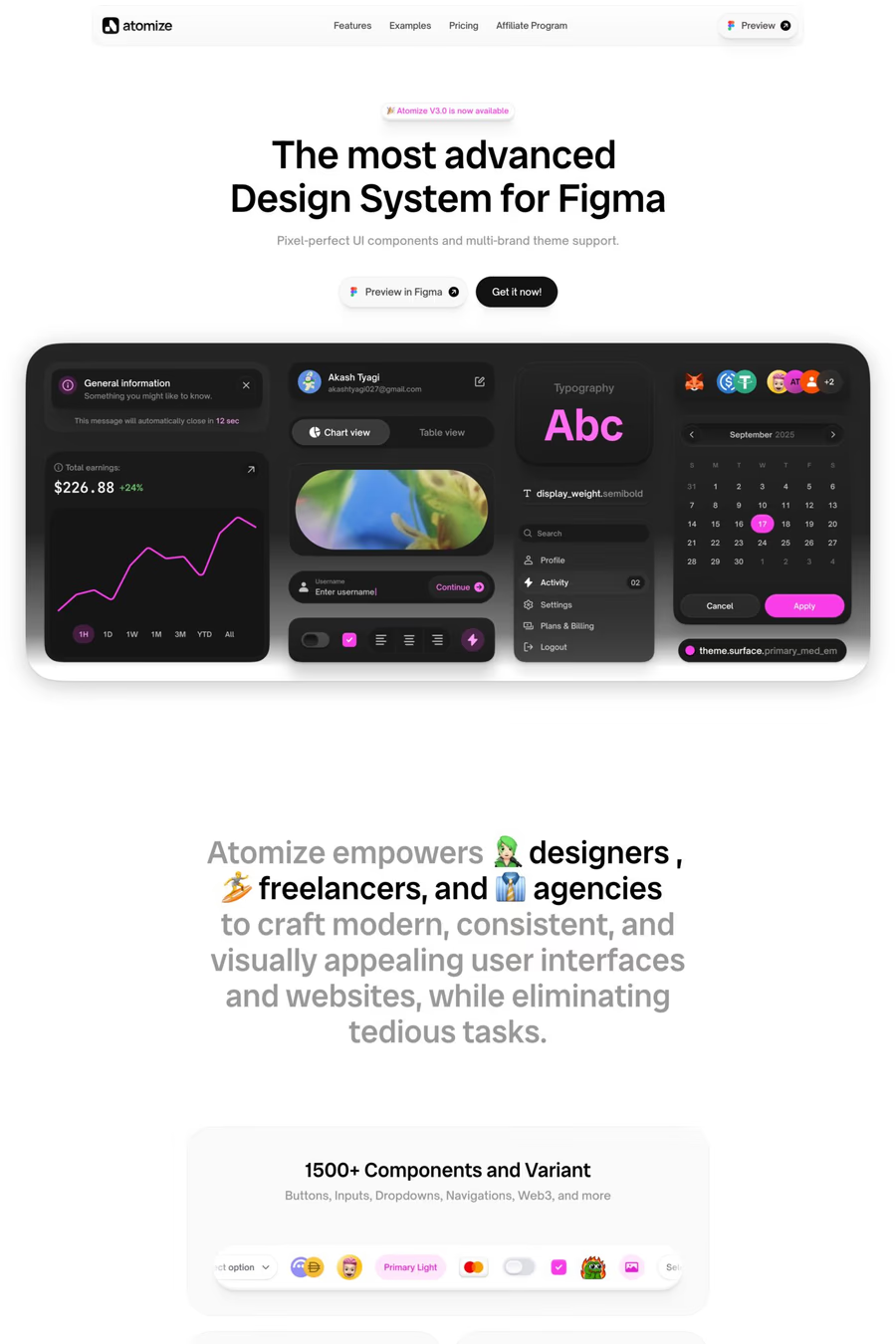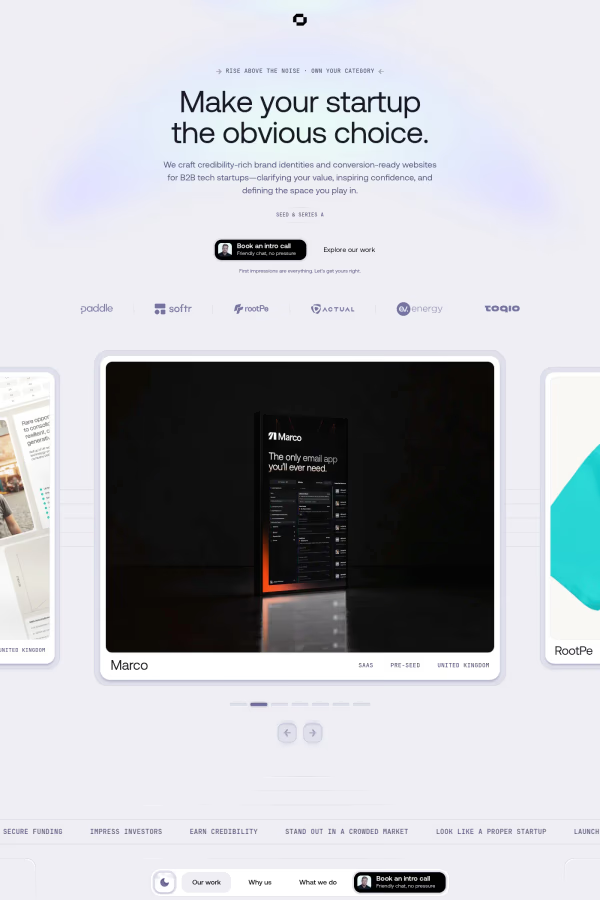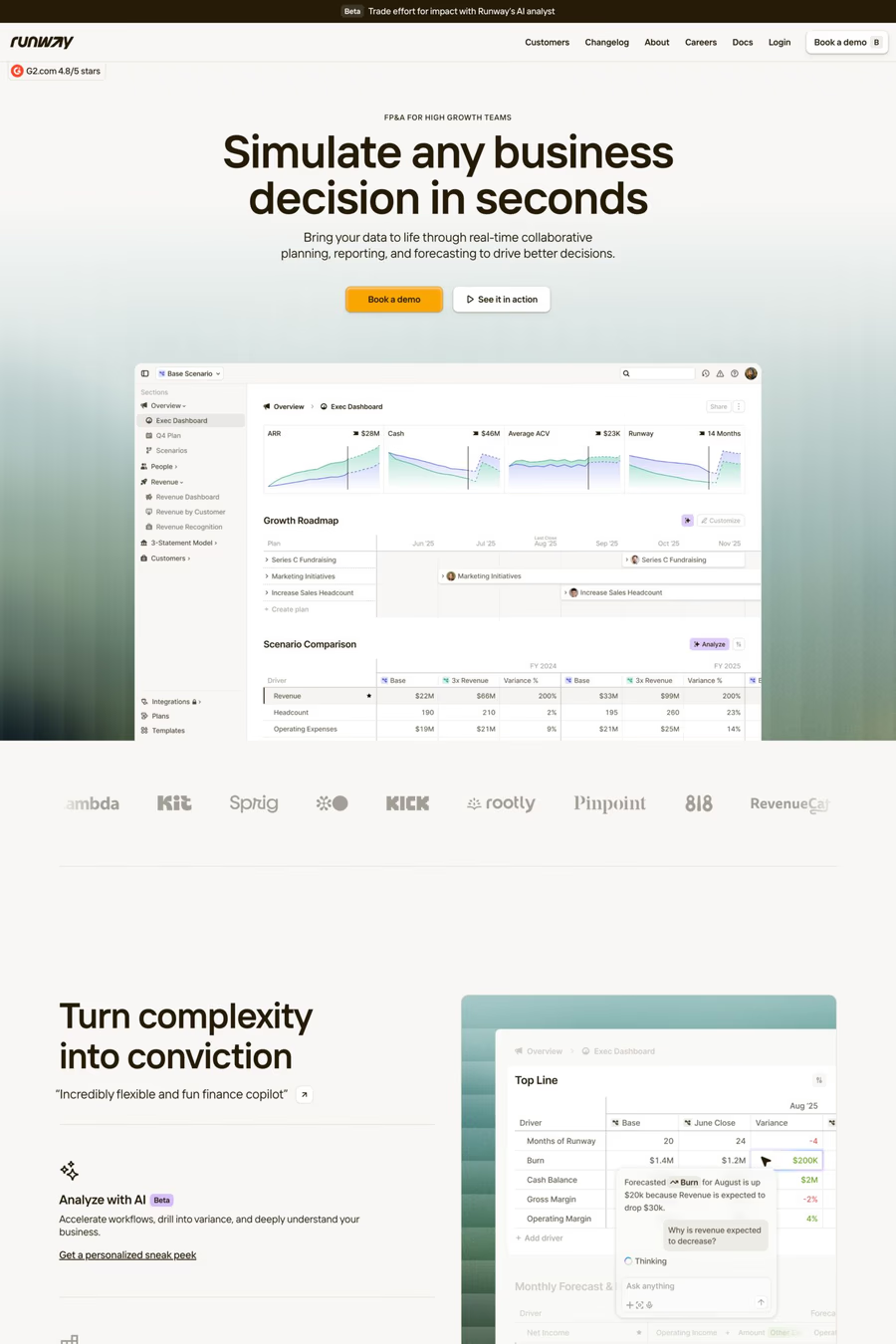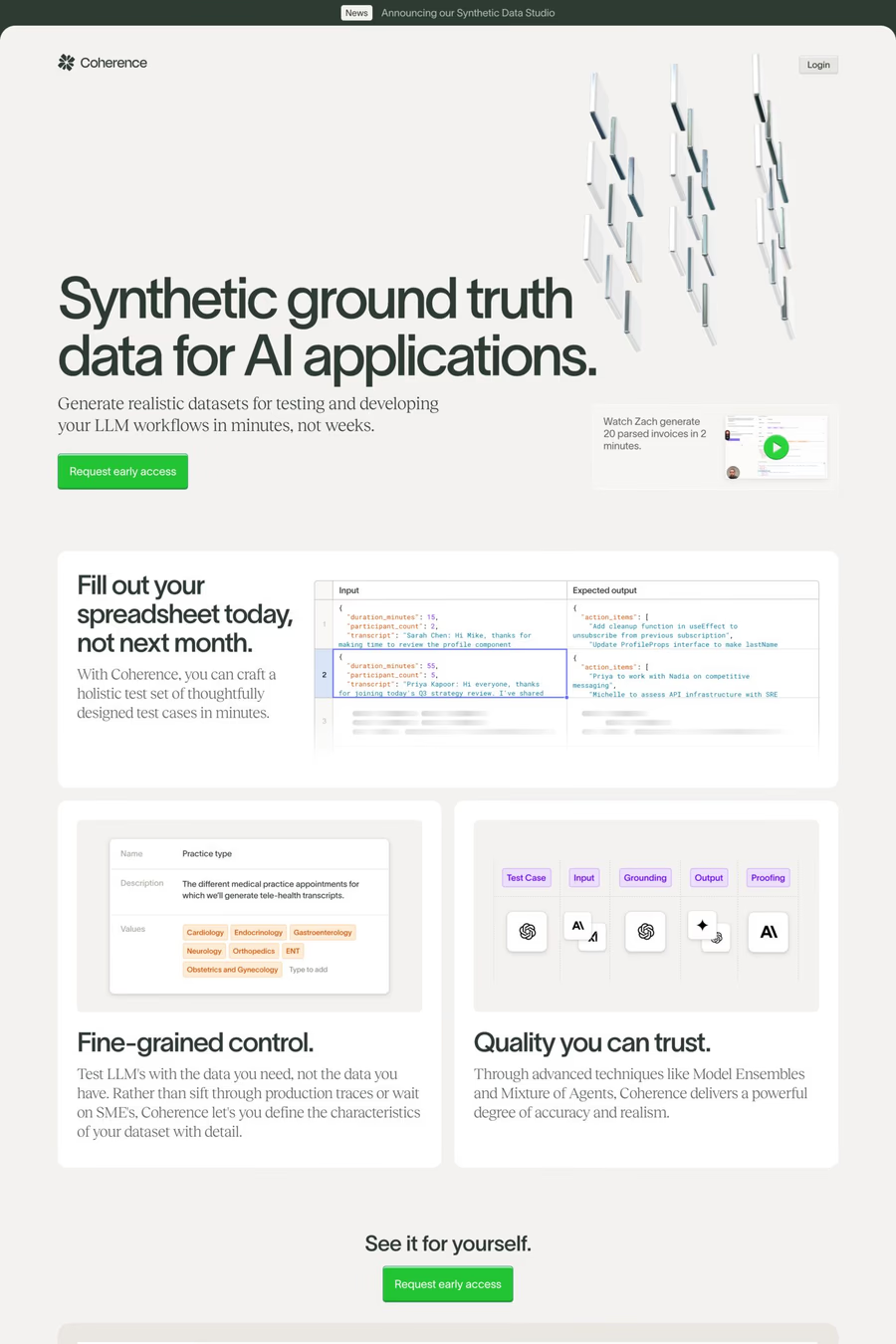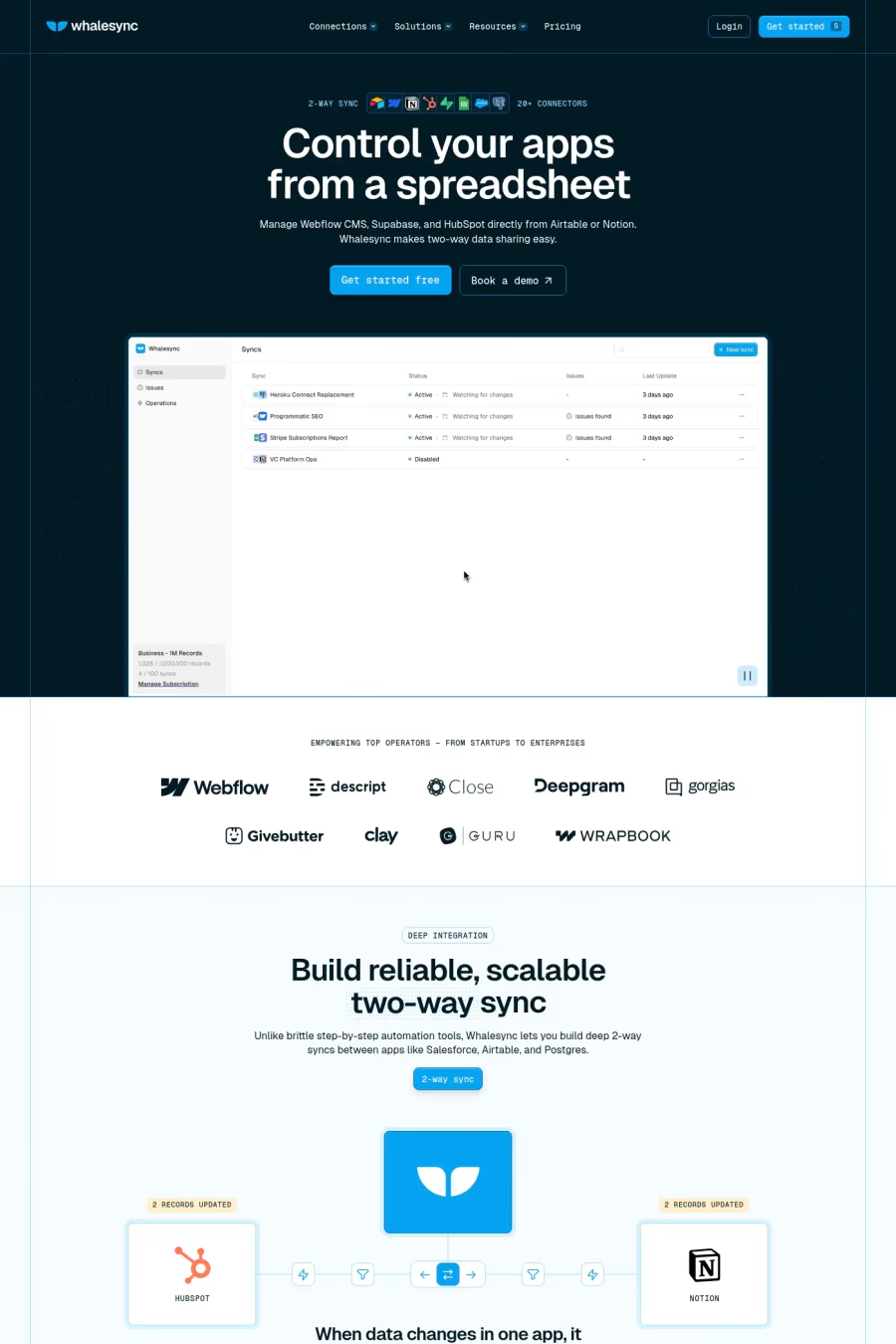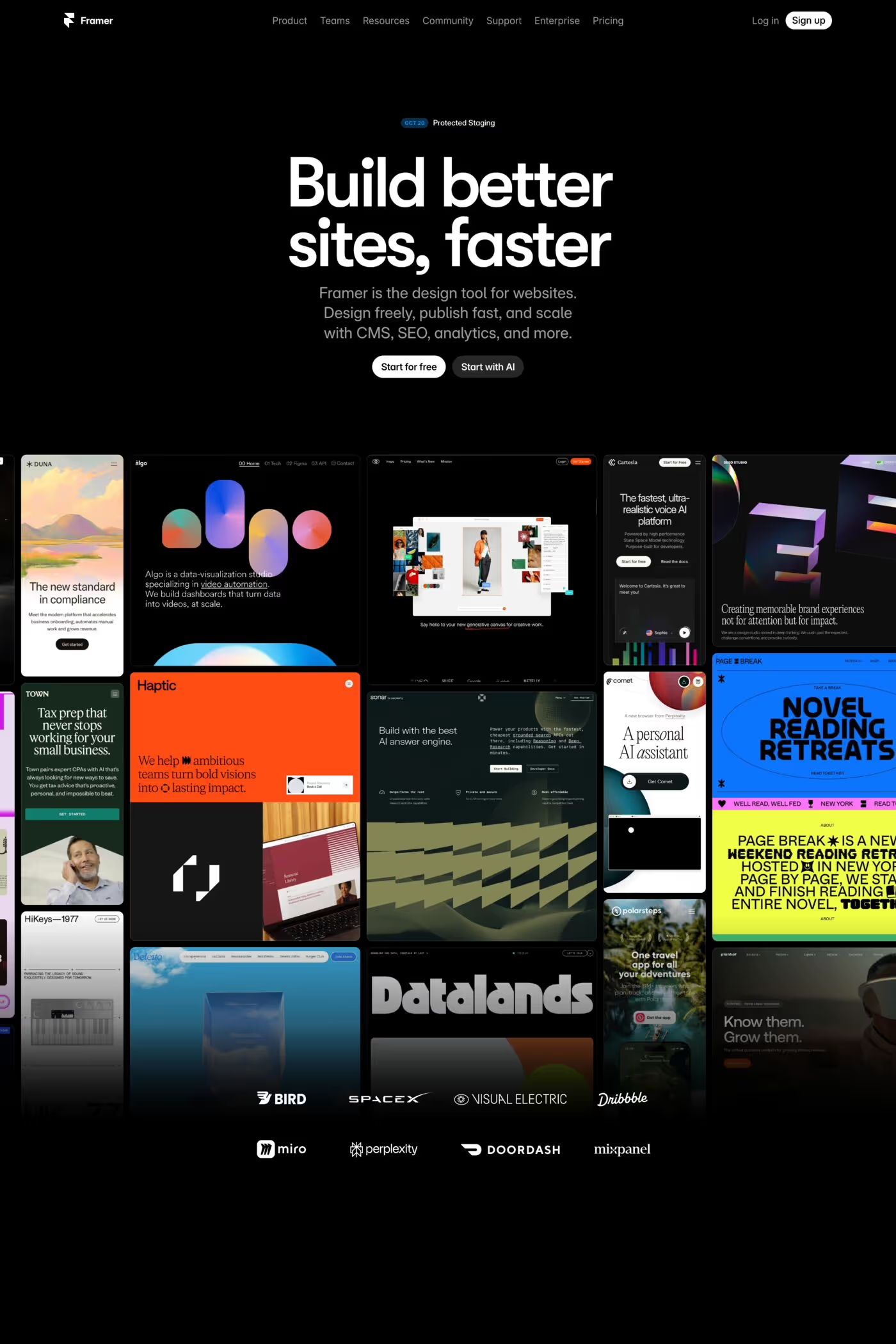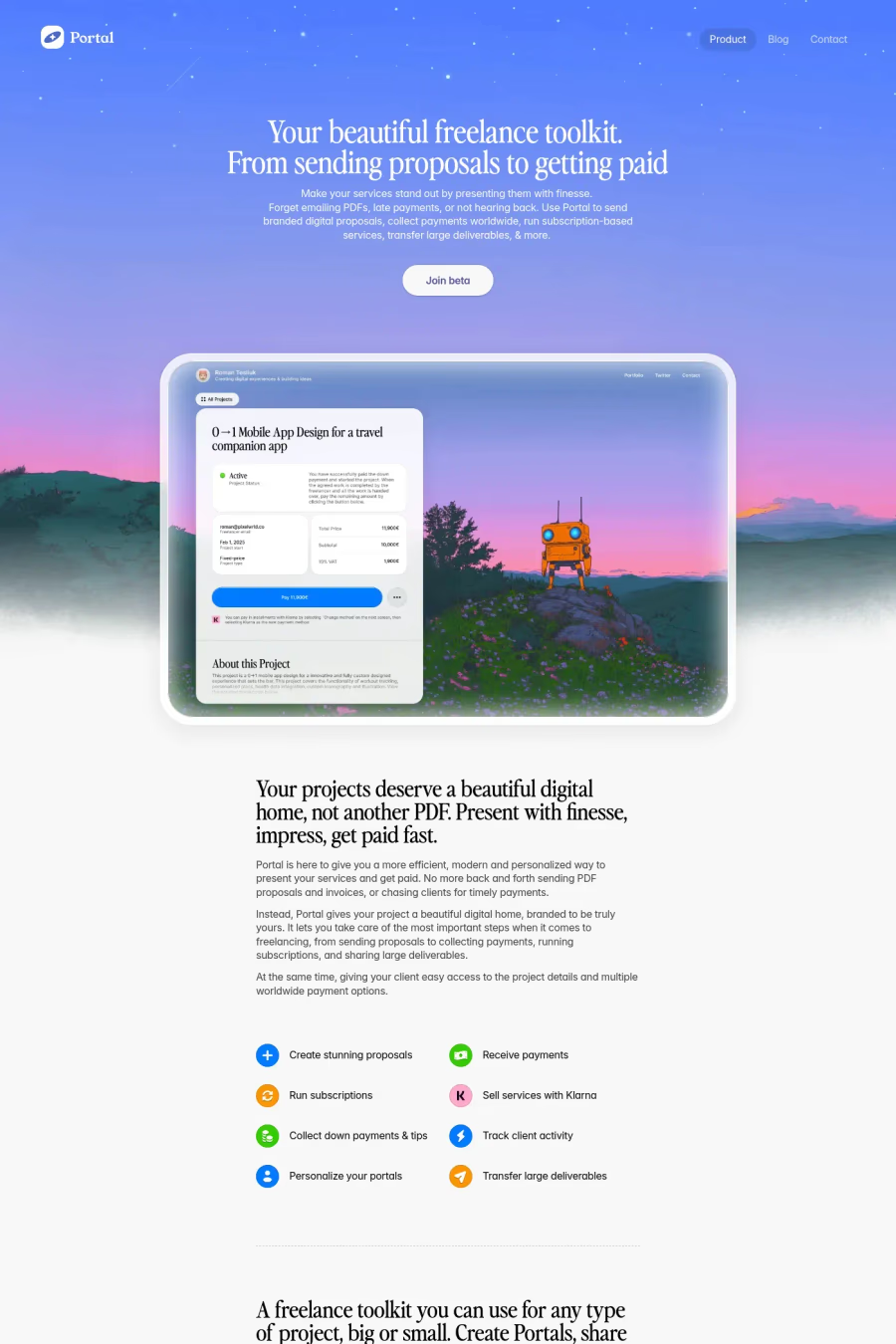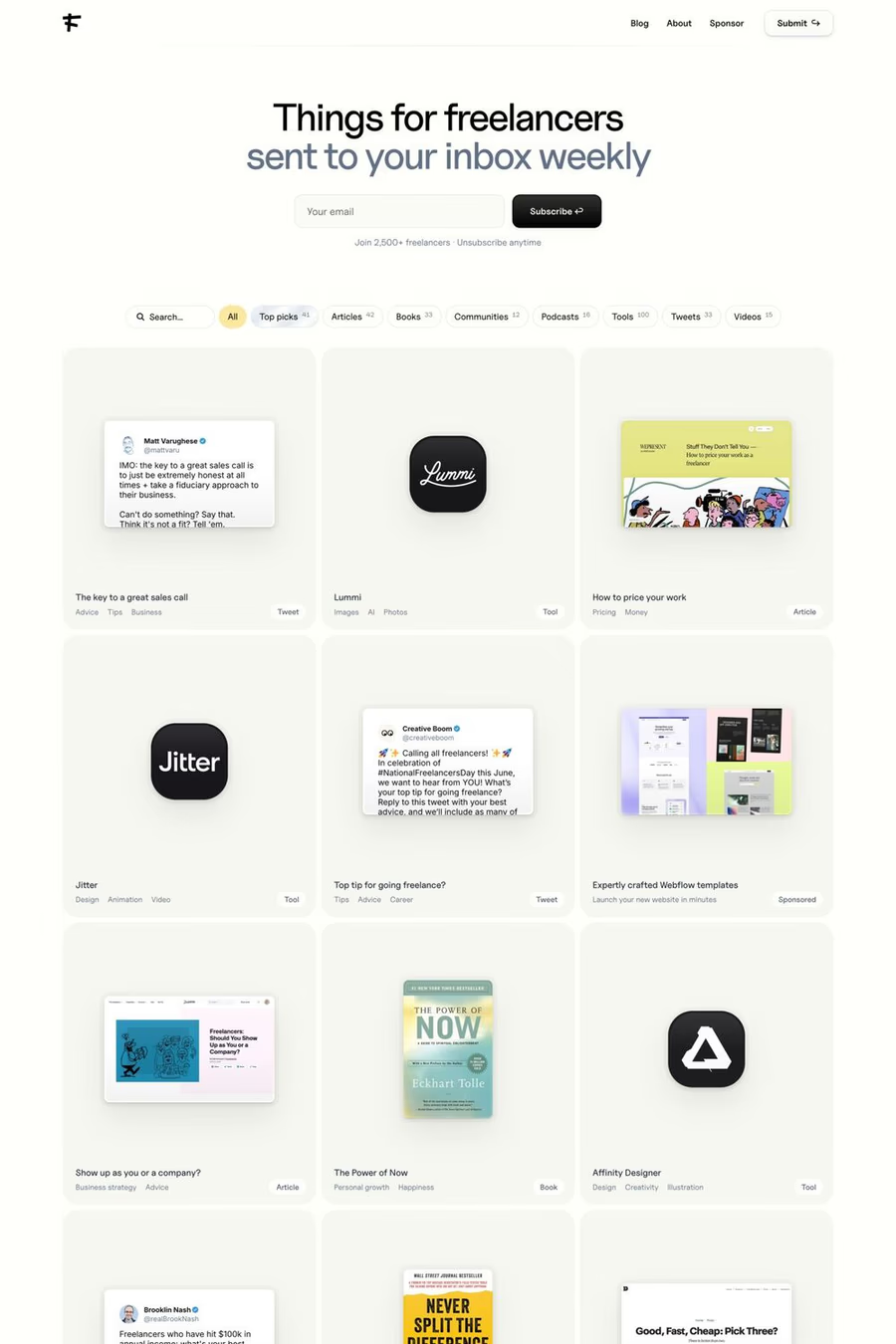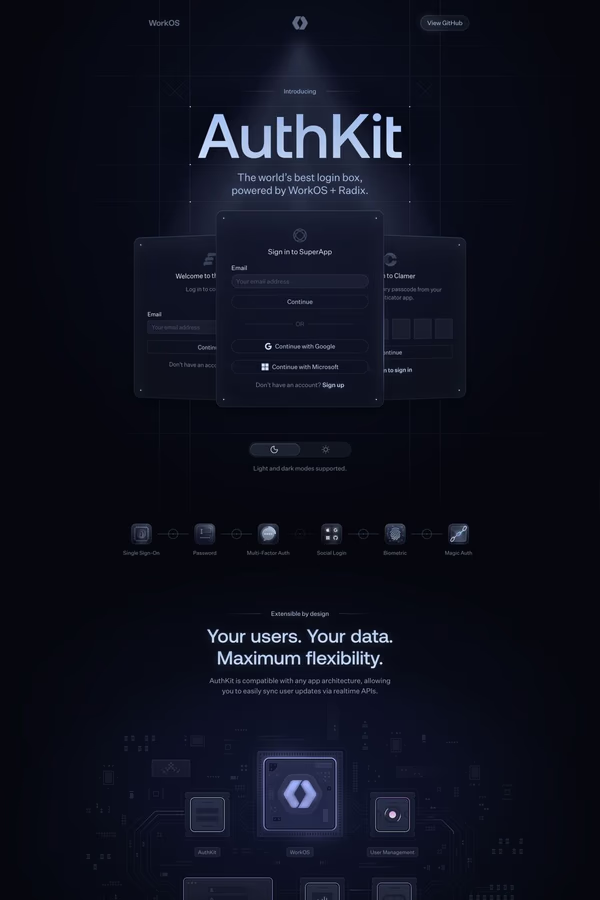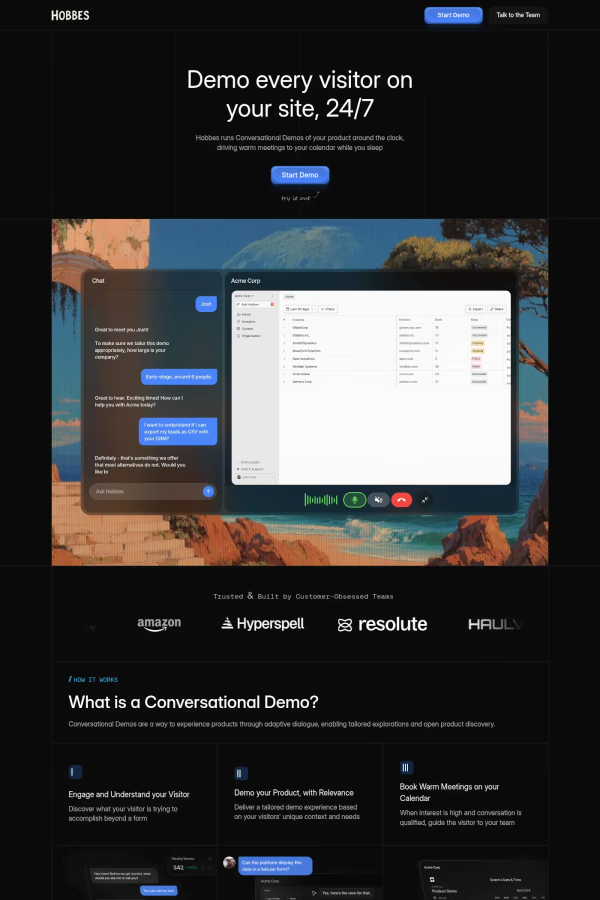

Skeuomorphic web design mimics the appearance and behaviour of physical objects — leather textures, metallic buttons, paper edges, and realistic shadows that simulate real-world materials. This approach creates familiar, tactile interfaces that reference physical counterparts users already understand.
Curated inspiration sent every Tuesday
Unsubscribe at any time
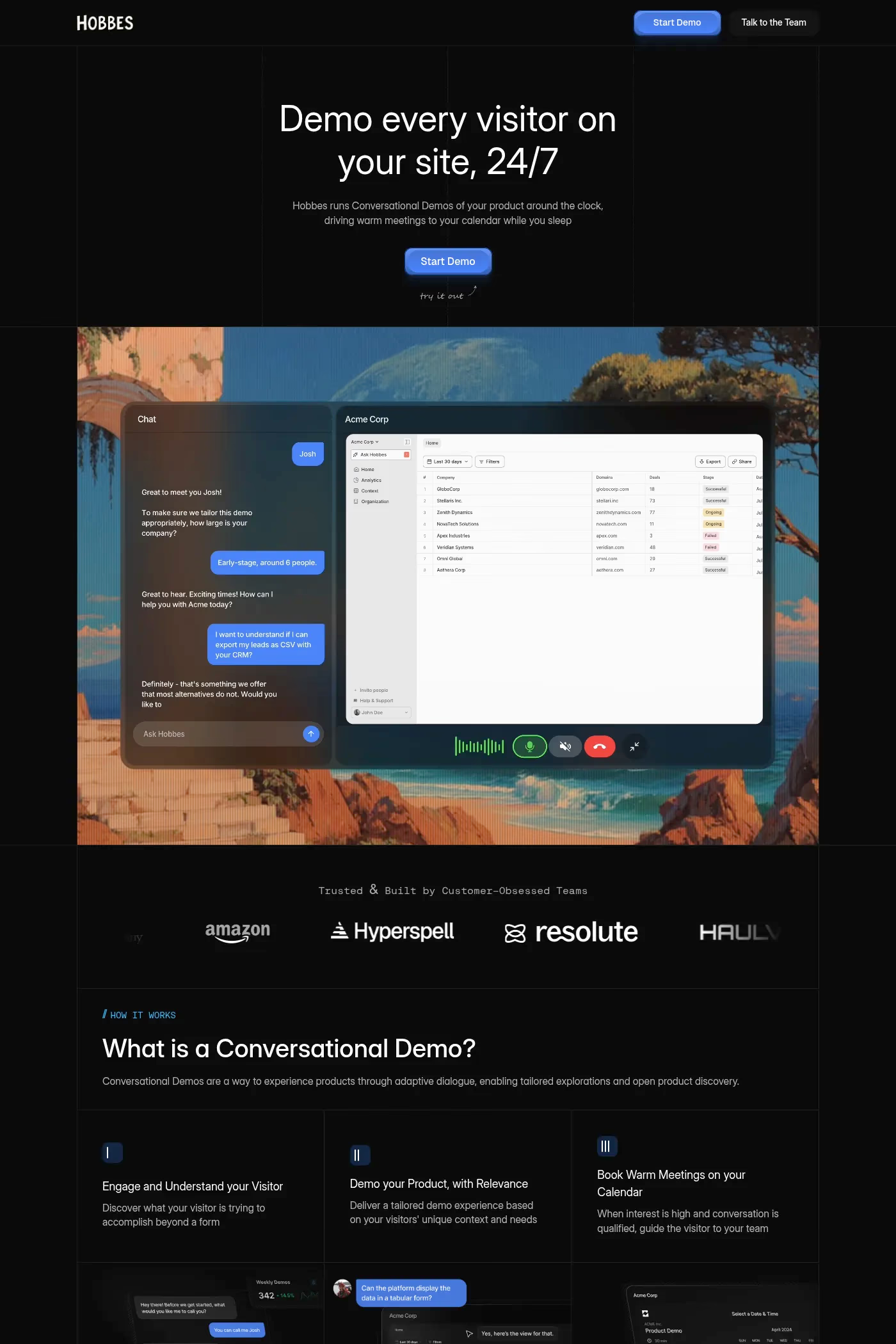

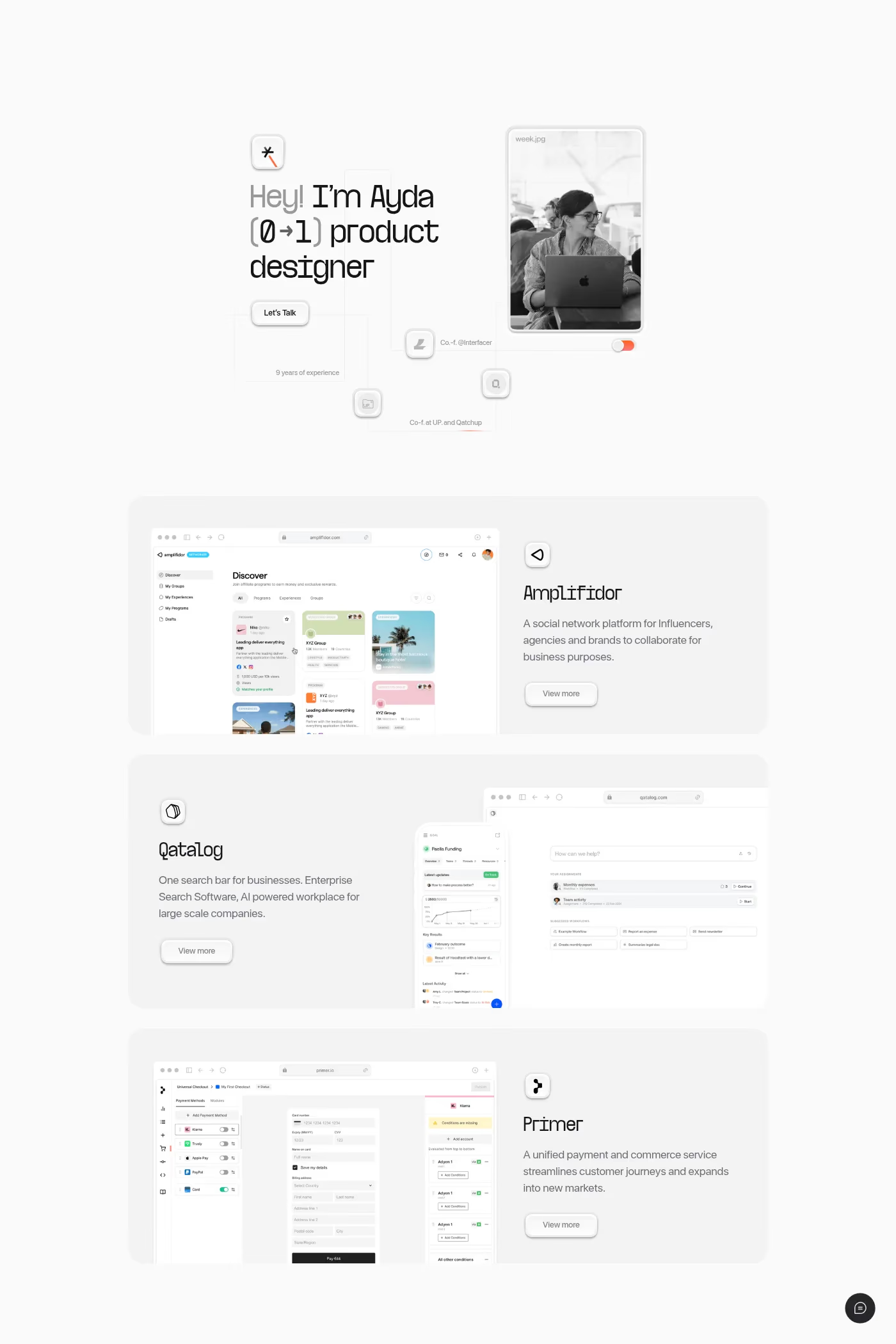
After years of flat design dominance, skeuomorphic elements are returning in refined forms — sometimes called "new skeuomorphism" or neumorphism. Modern takes are more subtle, using realistic materials selectively rather than as a wholesale interface philosophy, blending physical textures with clean digital layouts.
Skeuomorphism provides strong affordances — users intuitively understand how to interact with elements that look like physical objects. However, it can feel dated if overdone, requires significantly more detailed visual assets, and may not scale well across different screen sizes and densities.