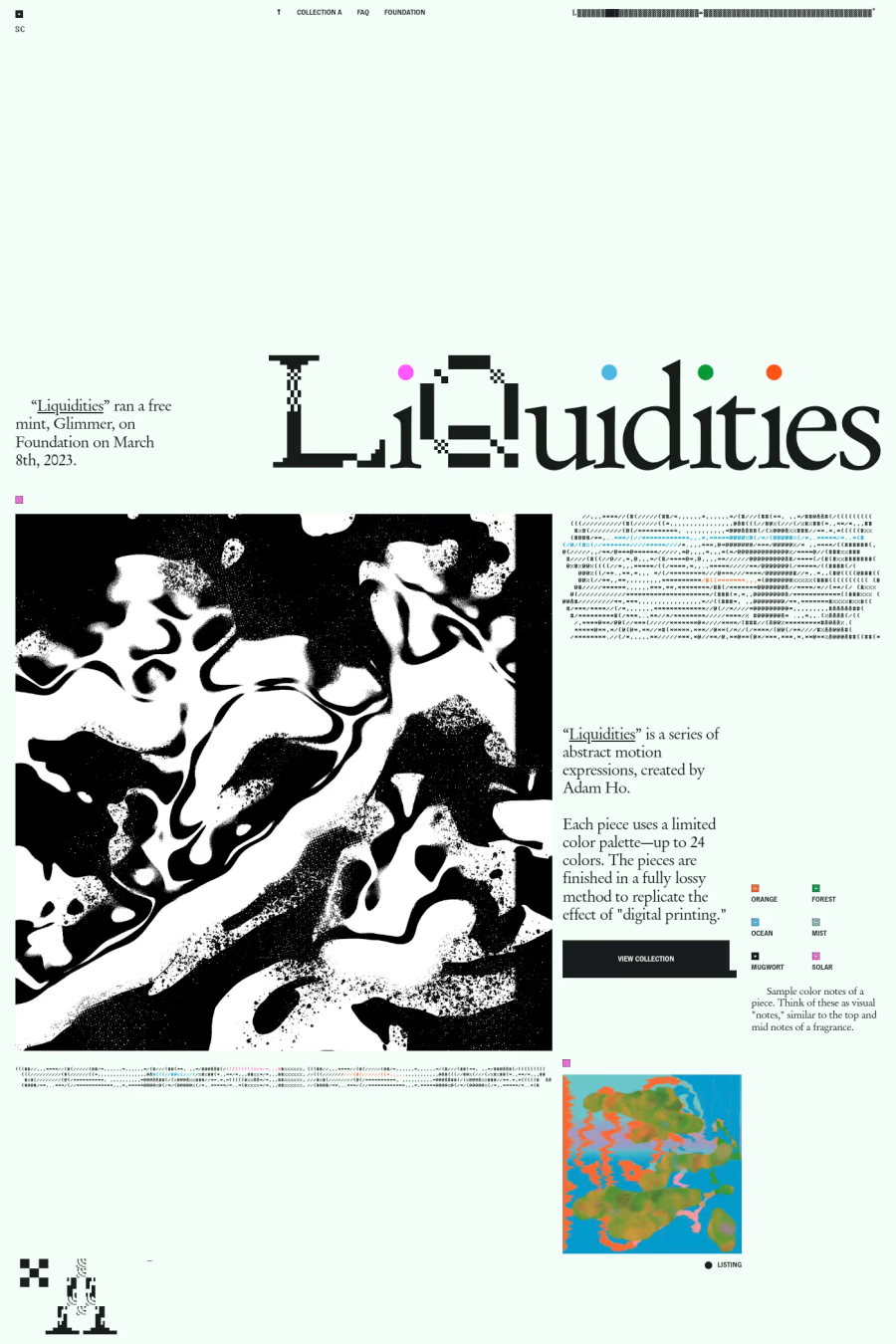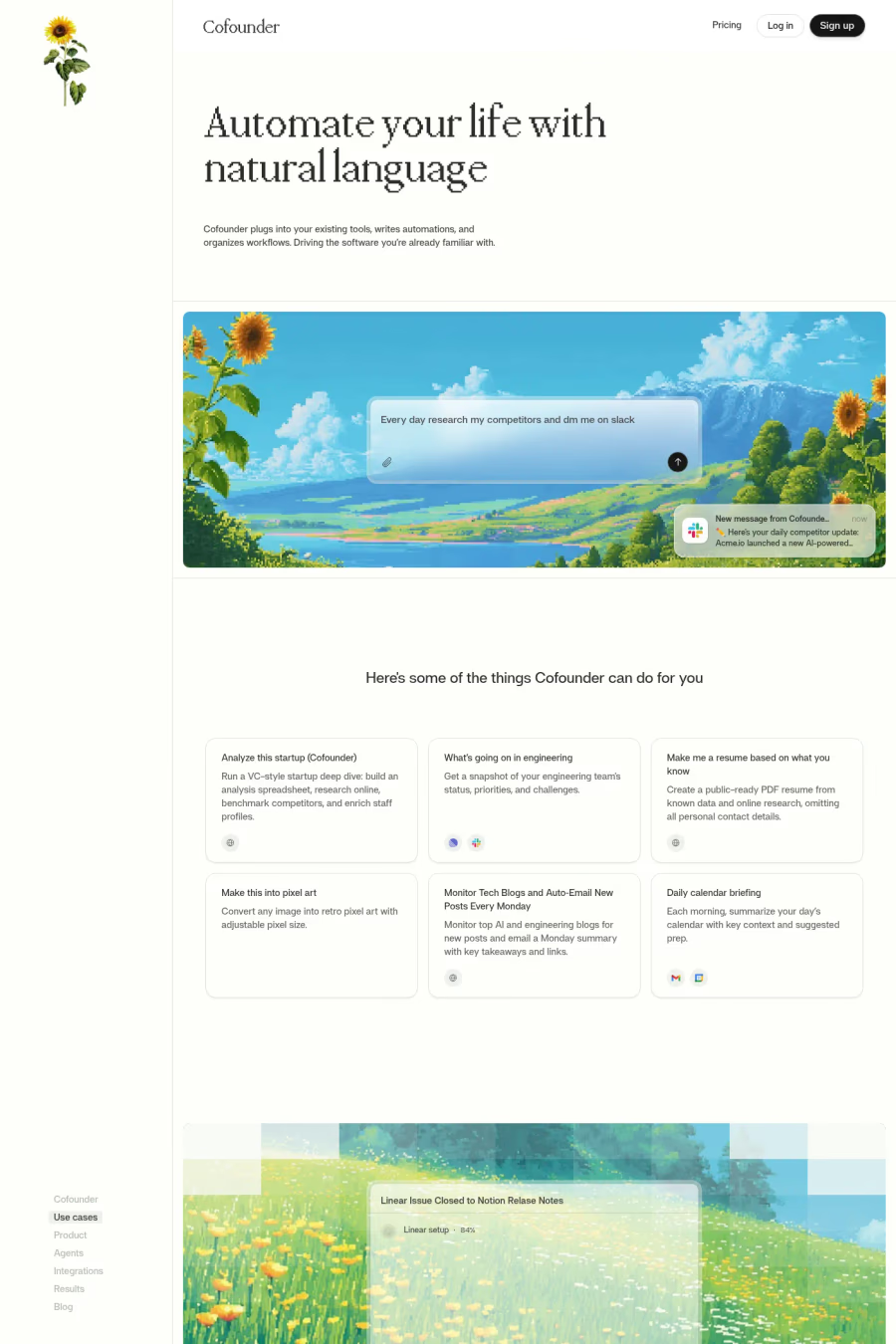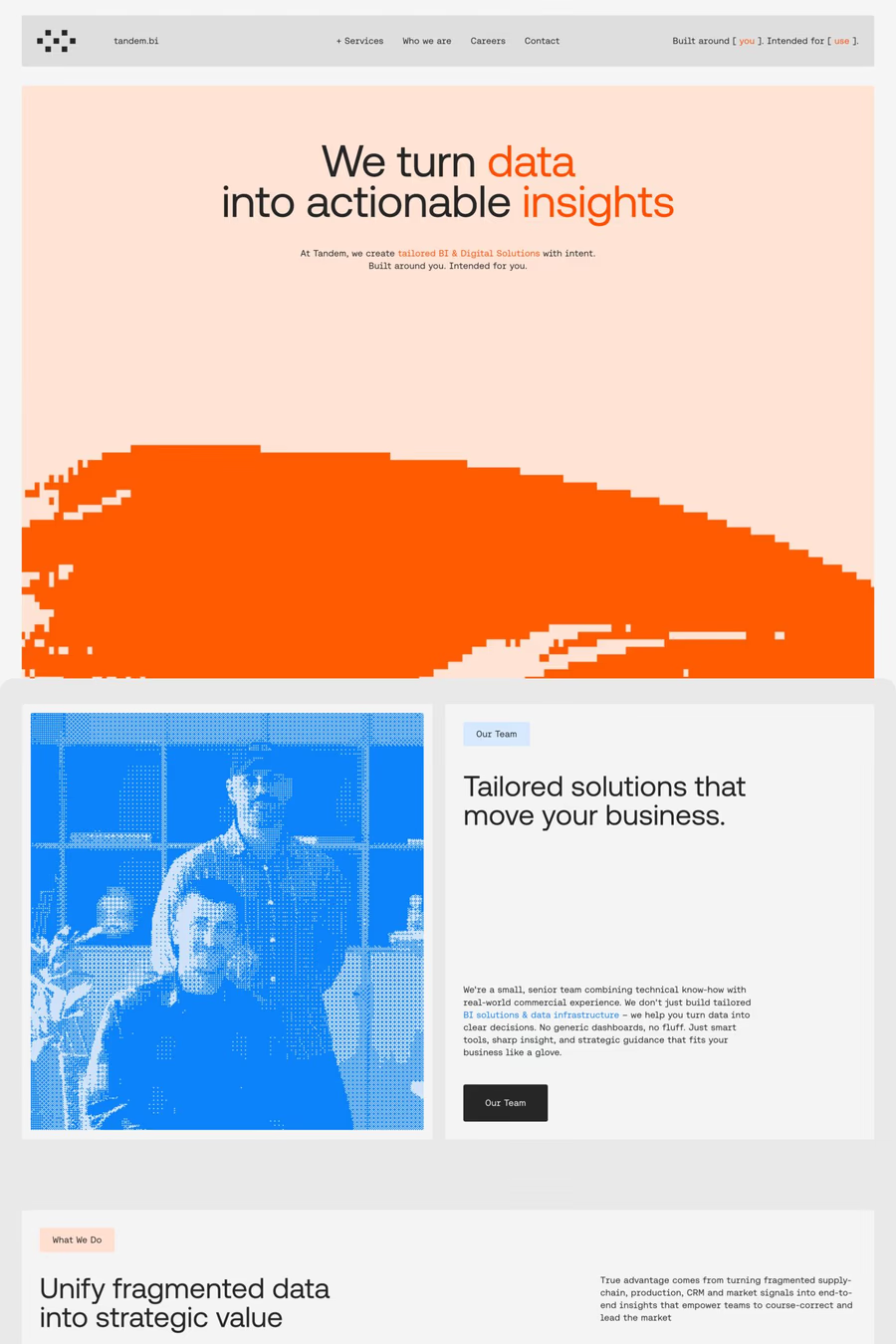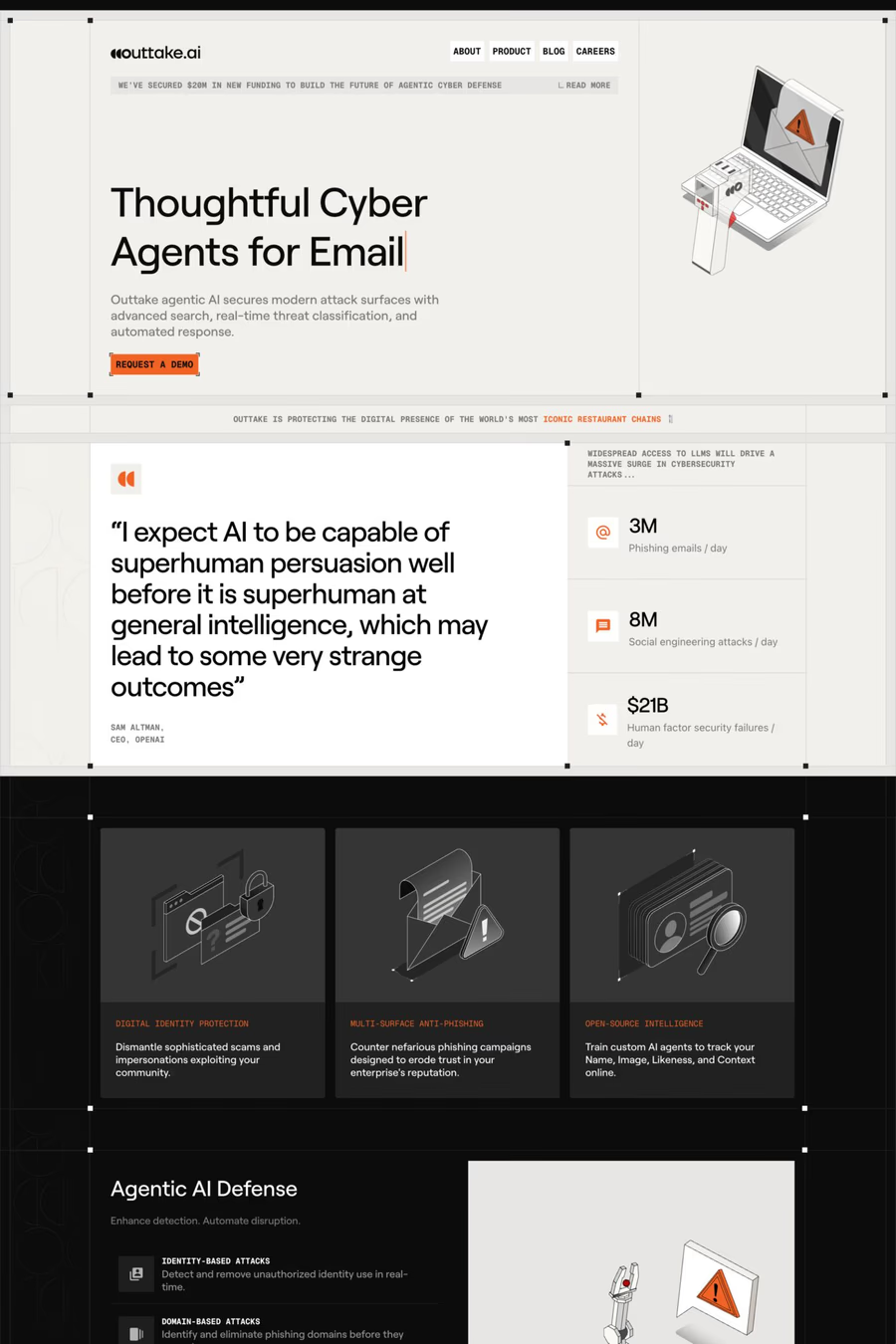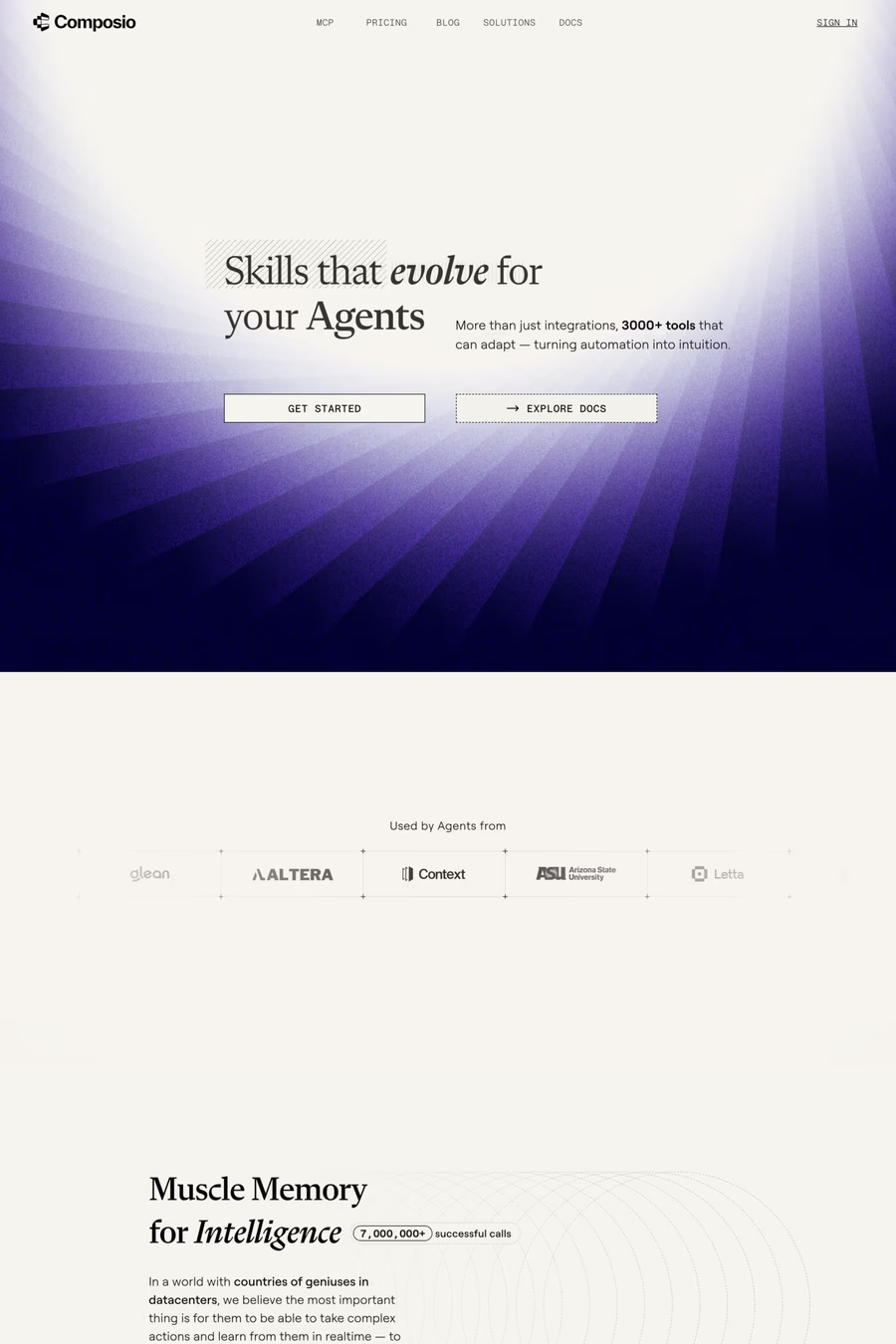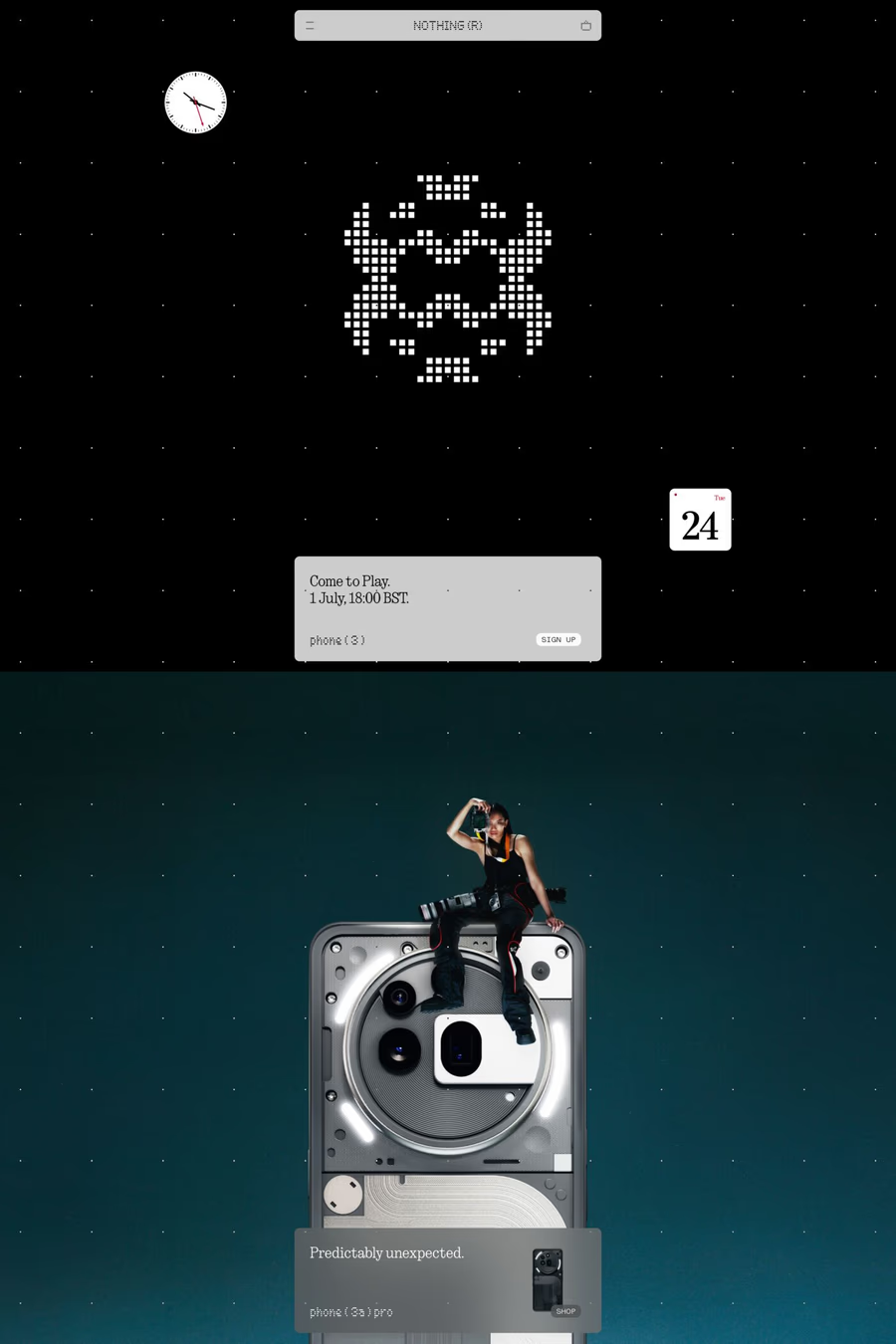

Pixelated web design embraces the visible pixel grid as an aesthetic choice, using low-resolution imagery, pixel art, bitmap fonts, and deliberately aliased graphics. This retro-digital style celebrates early computing aesthetics and creates a nostalgic, playful visual identity.
Curated inspiration sent every Tuesday
Unsubscribe at any time



The CSS property image-rendering: pixelated (or crisp-edges) prevents browsers from smoothing scaled-up pixel art. Designing at the native pixel scale and then enlarging with this property ensures each pixel remains a sharp, visible square on any display.
Pixelated aesthetics reference early video games, 8-bit computing, and the raw digital culture of the 1980s and 1990s. This nostalgia carries a sense of playfulness and authenticity, appealing to audiences who value retro culture and the deliberate imperfection of early digital media.