
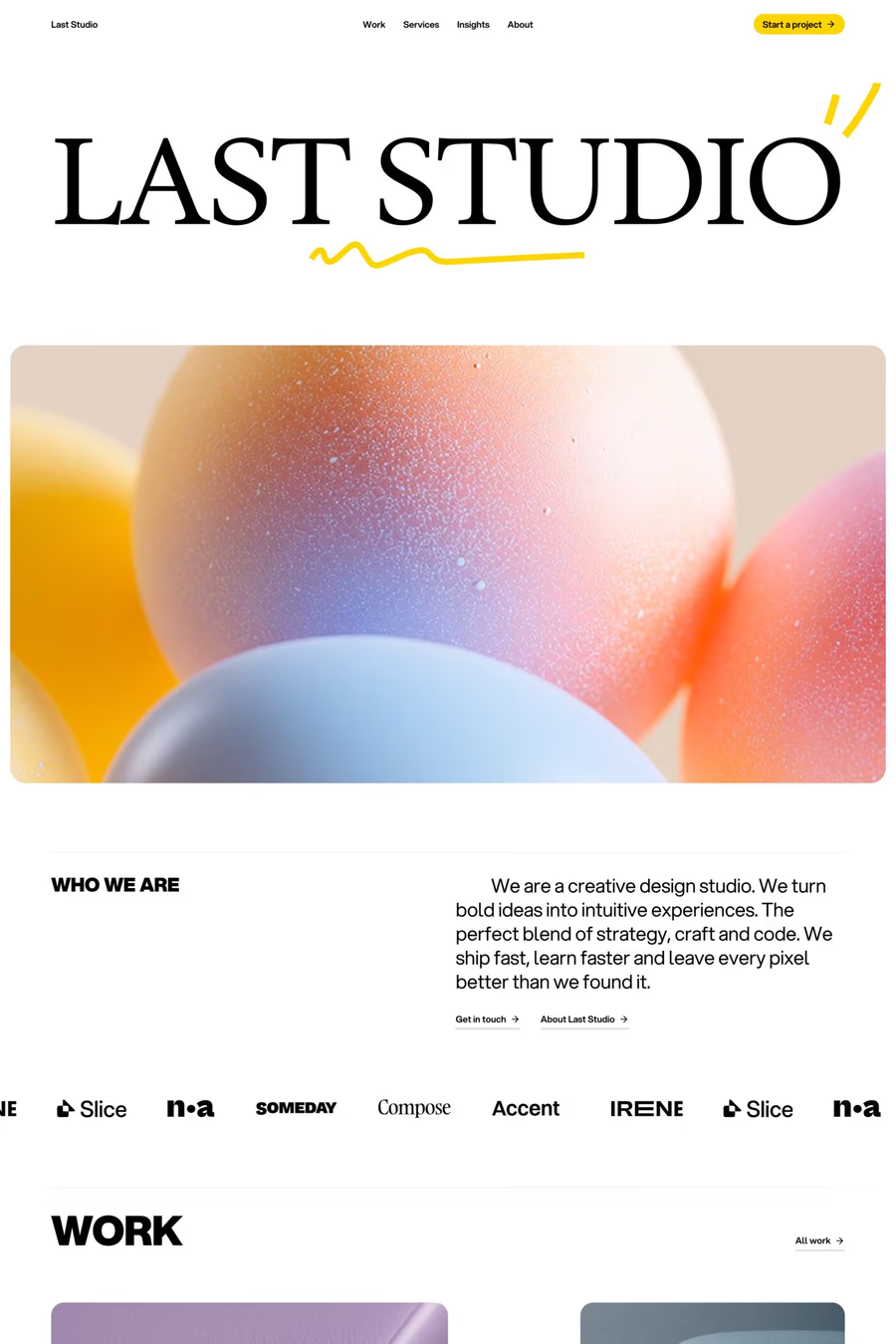
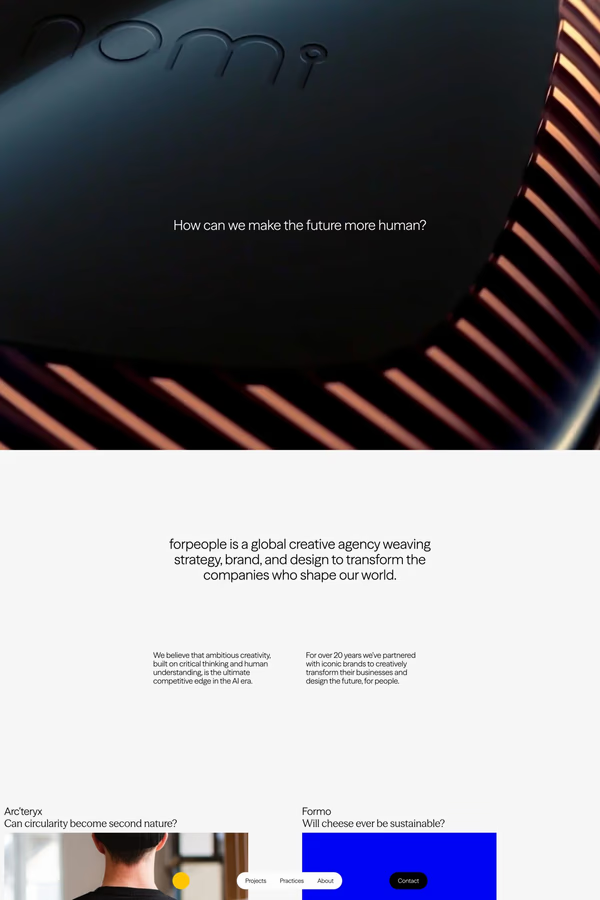
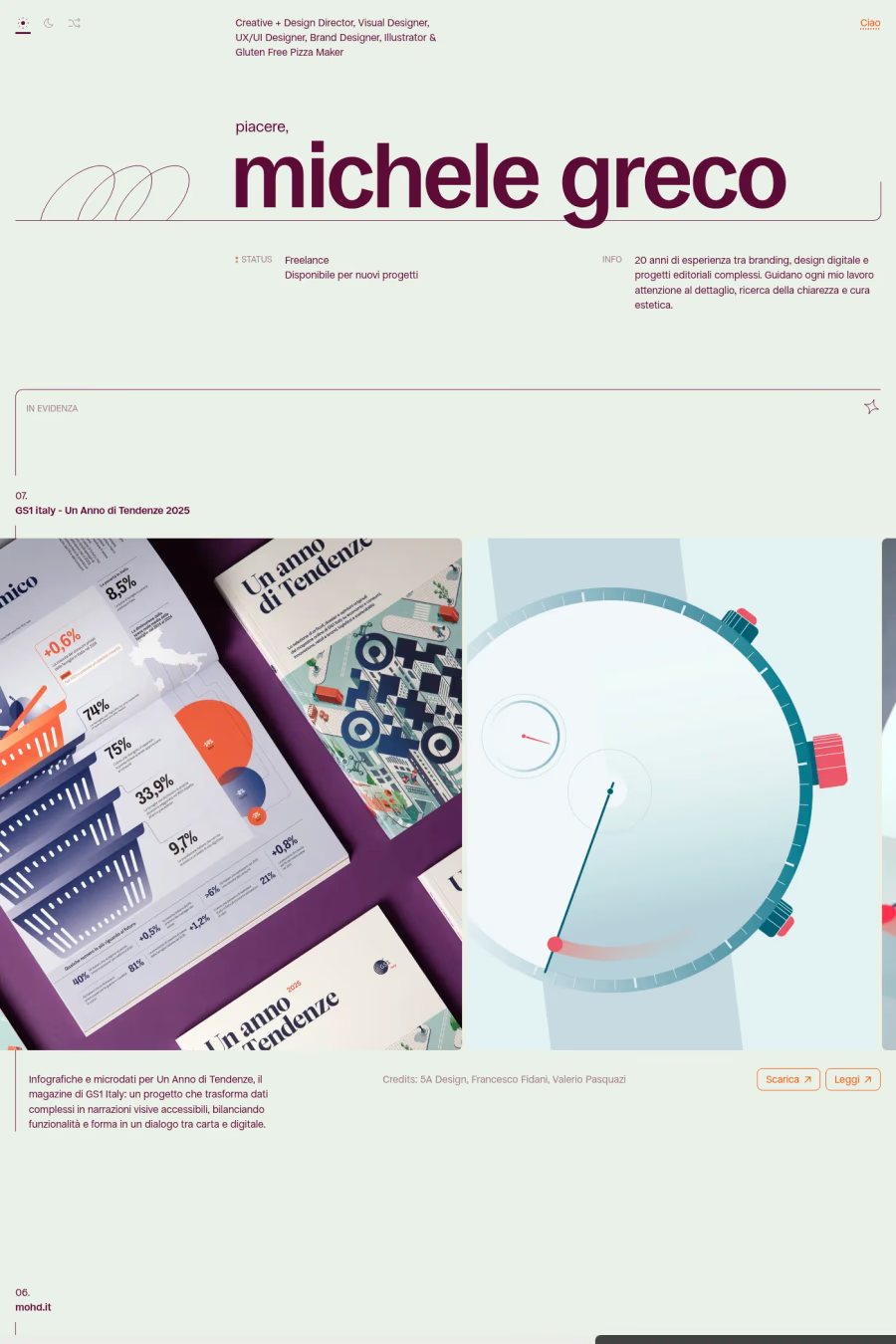
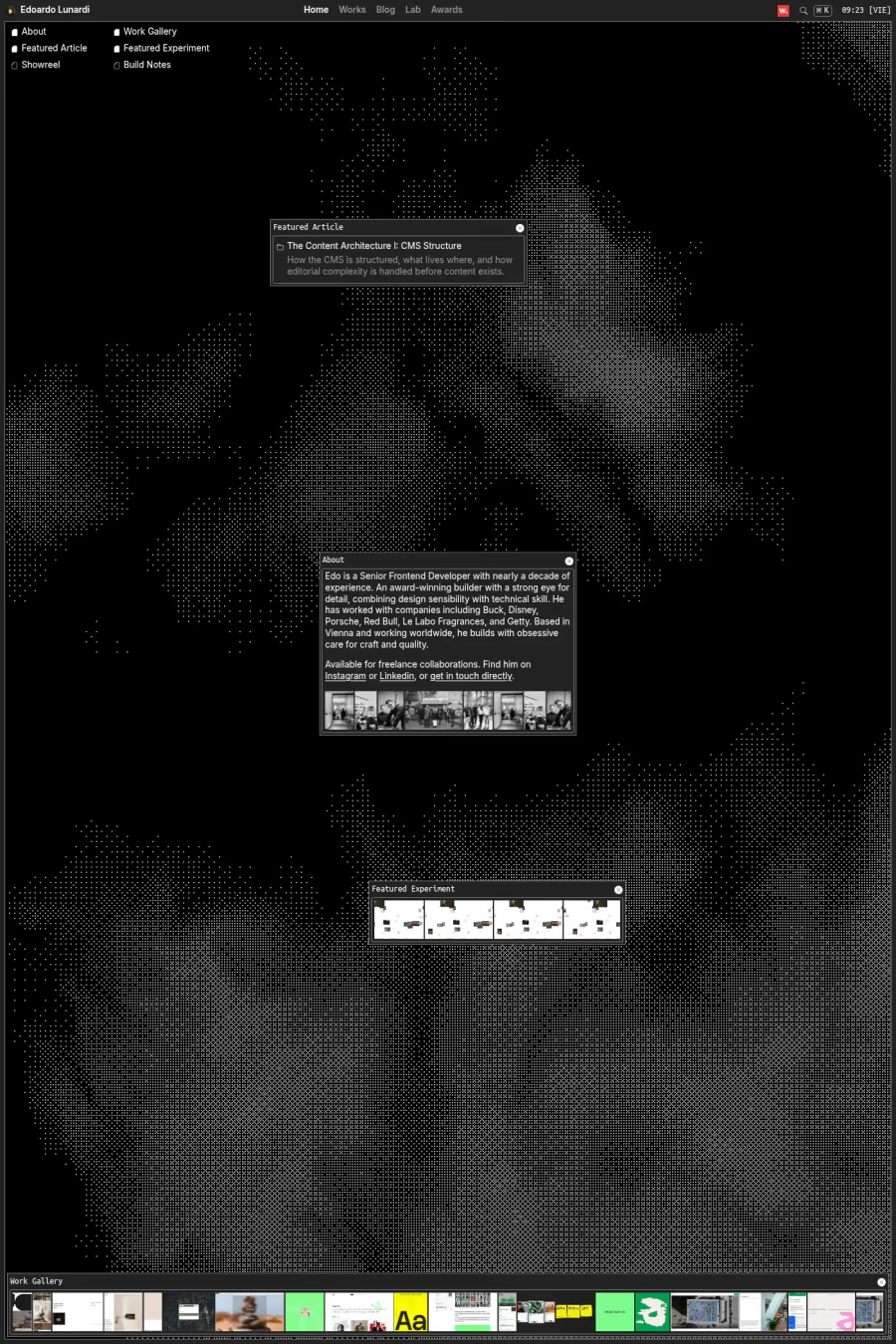
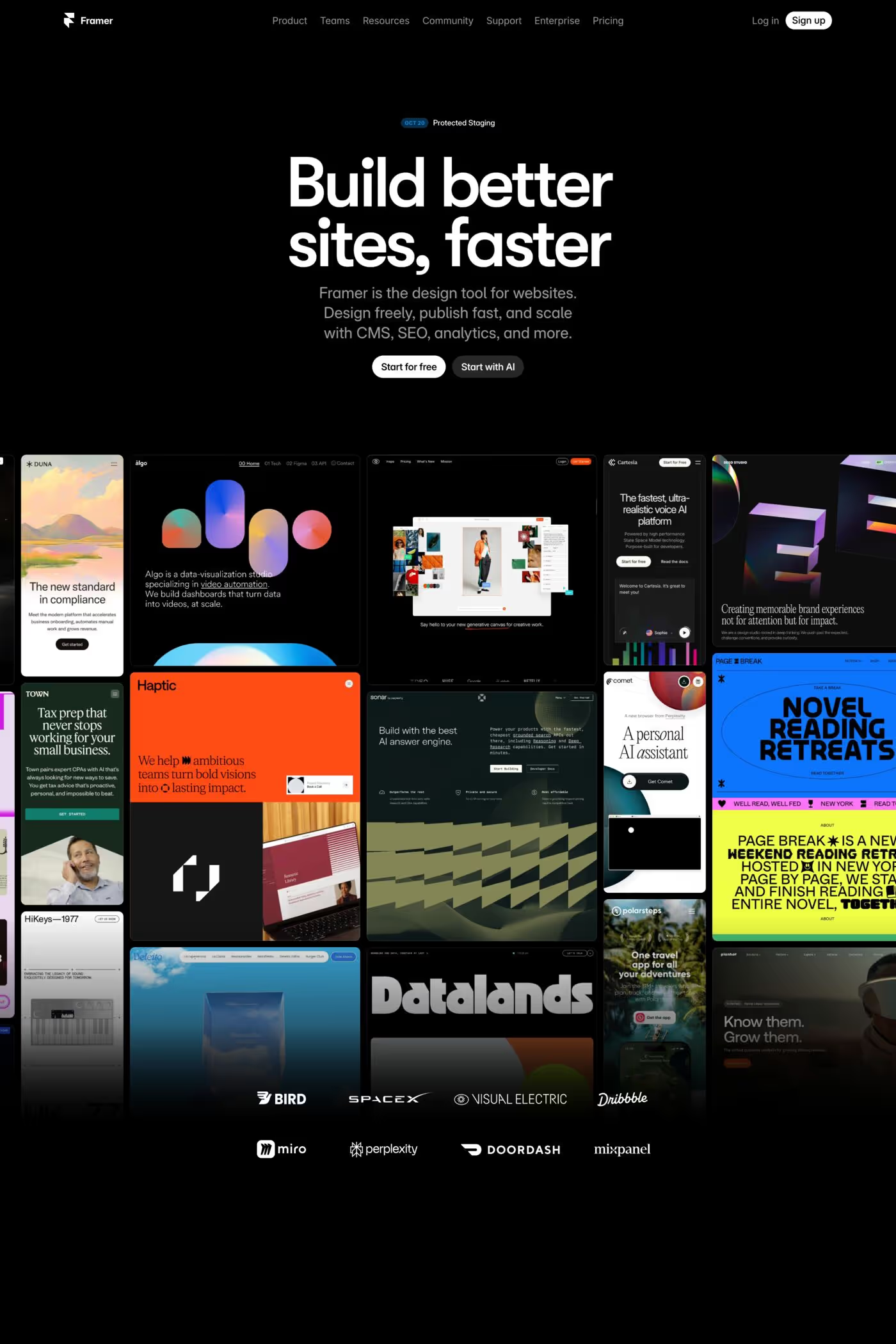
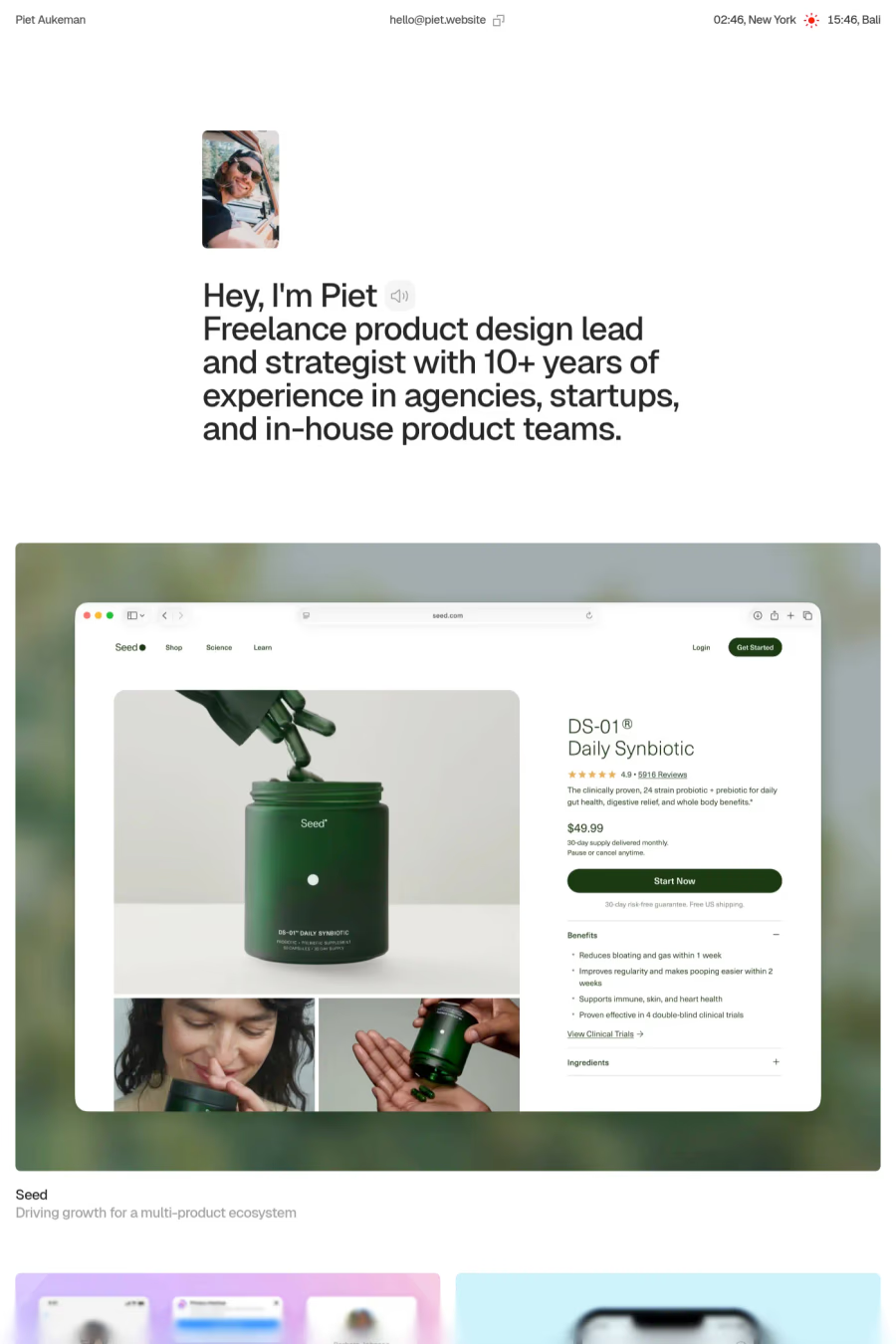
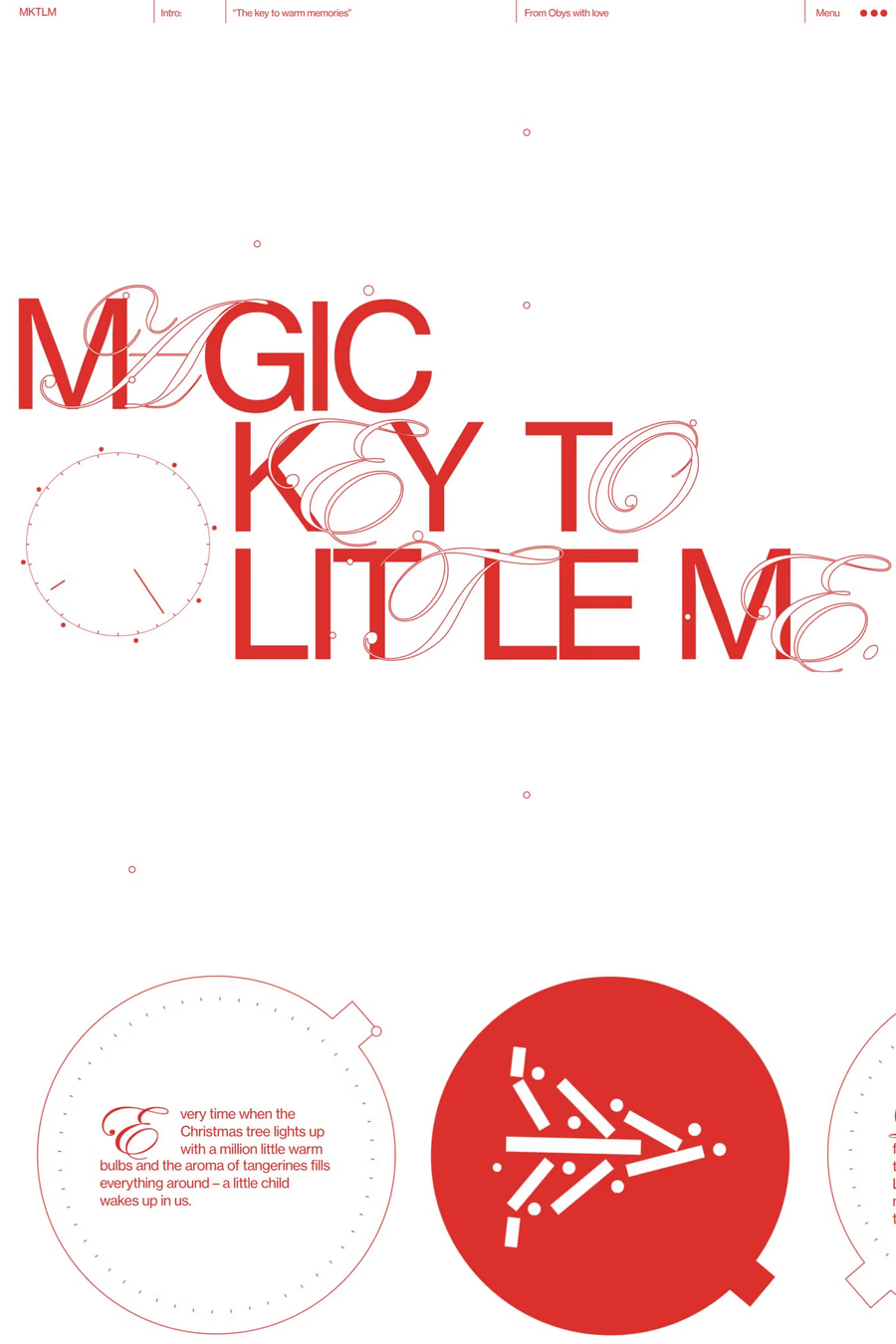
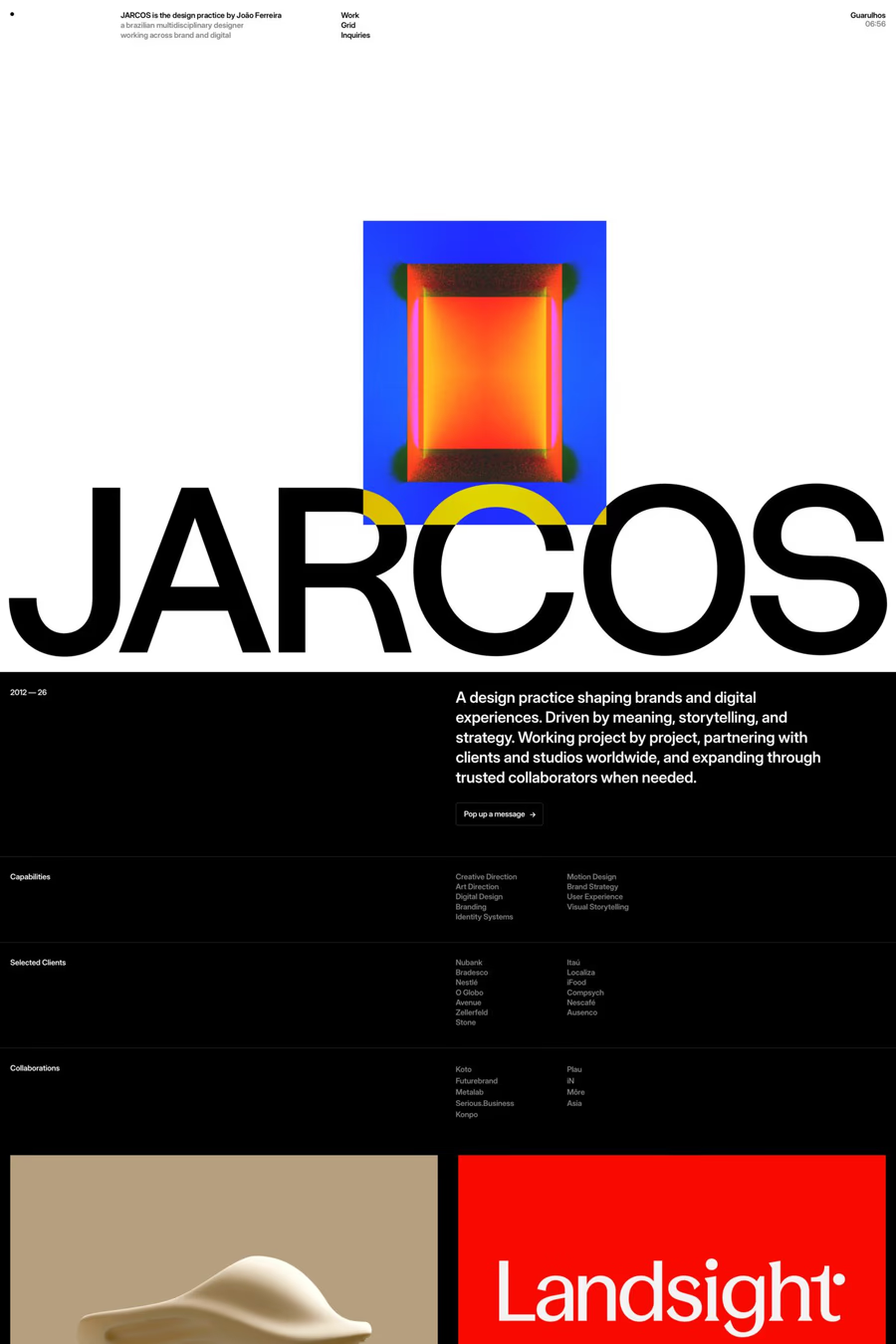
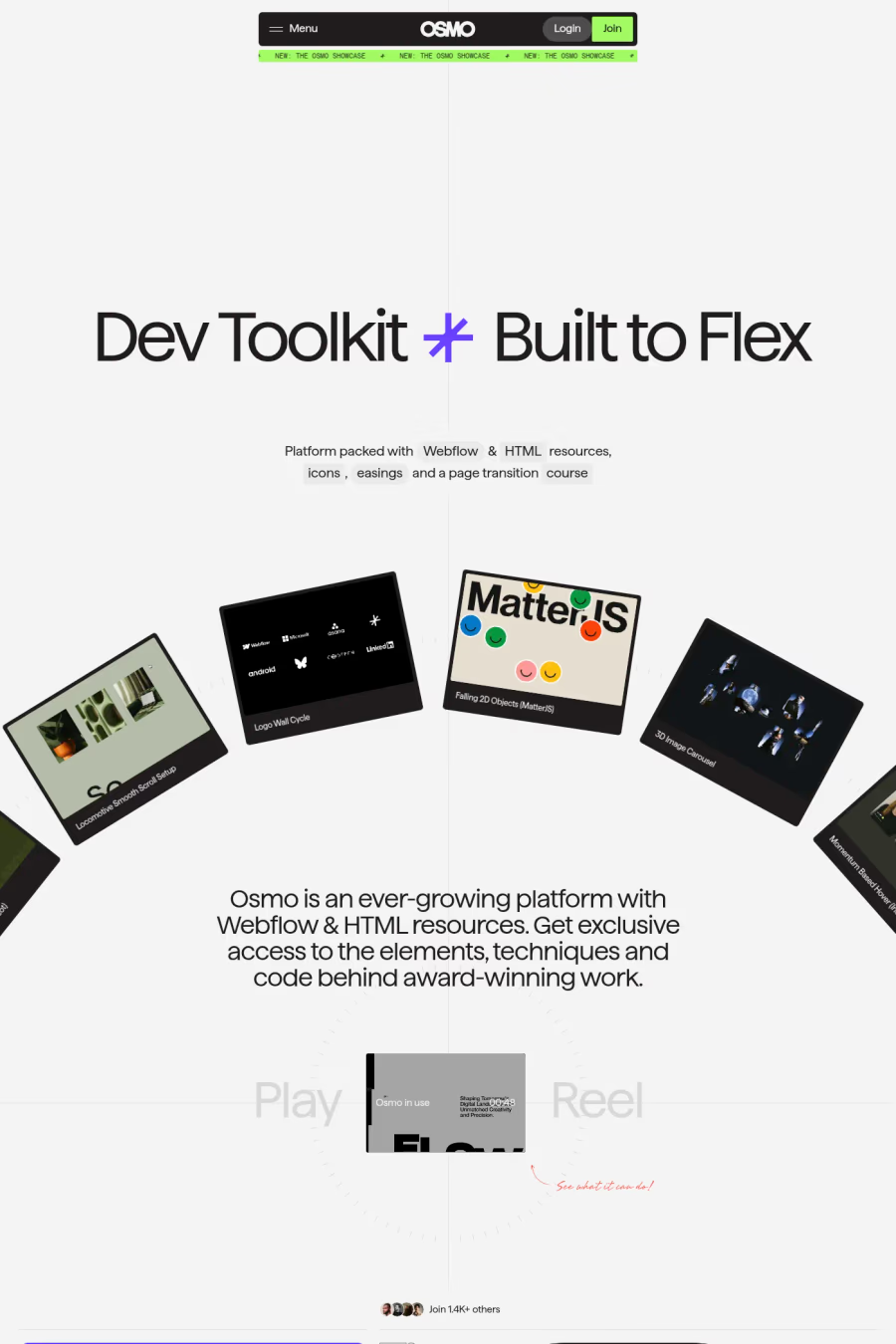
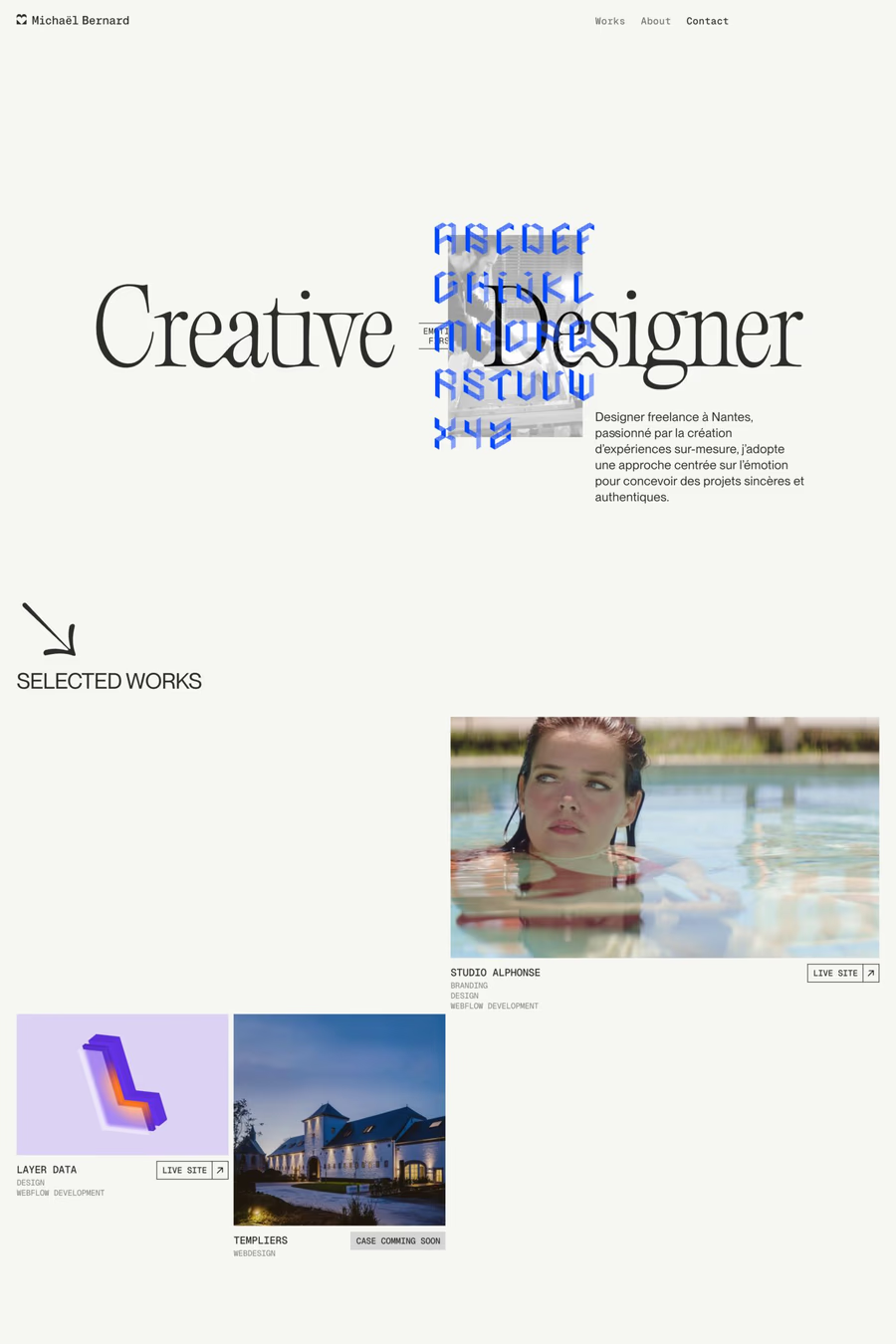
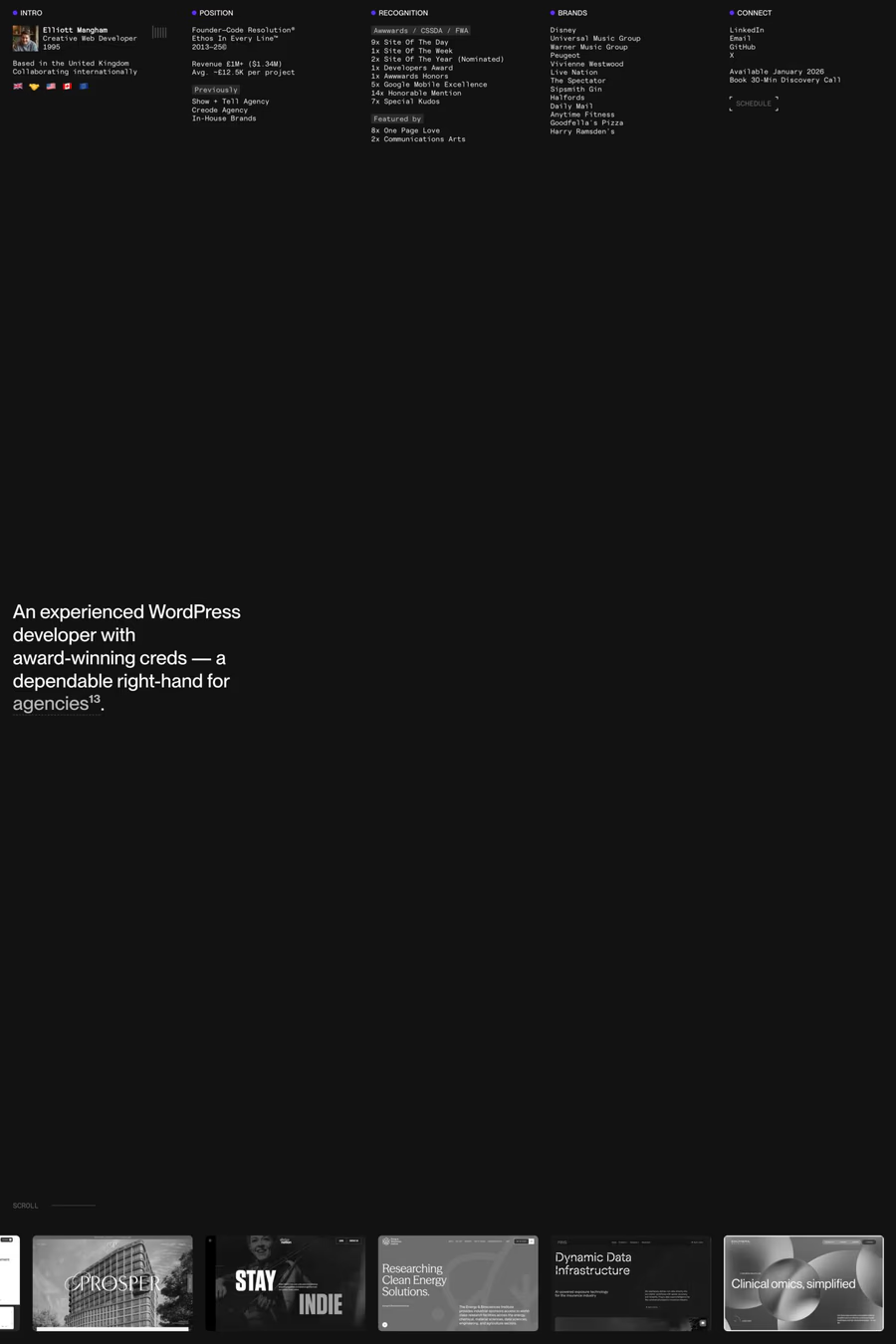
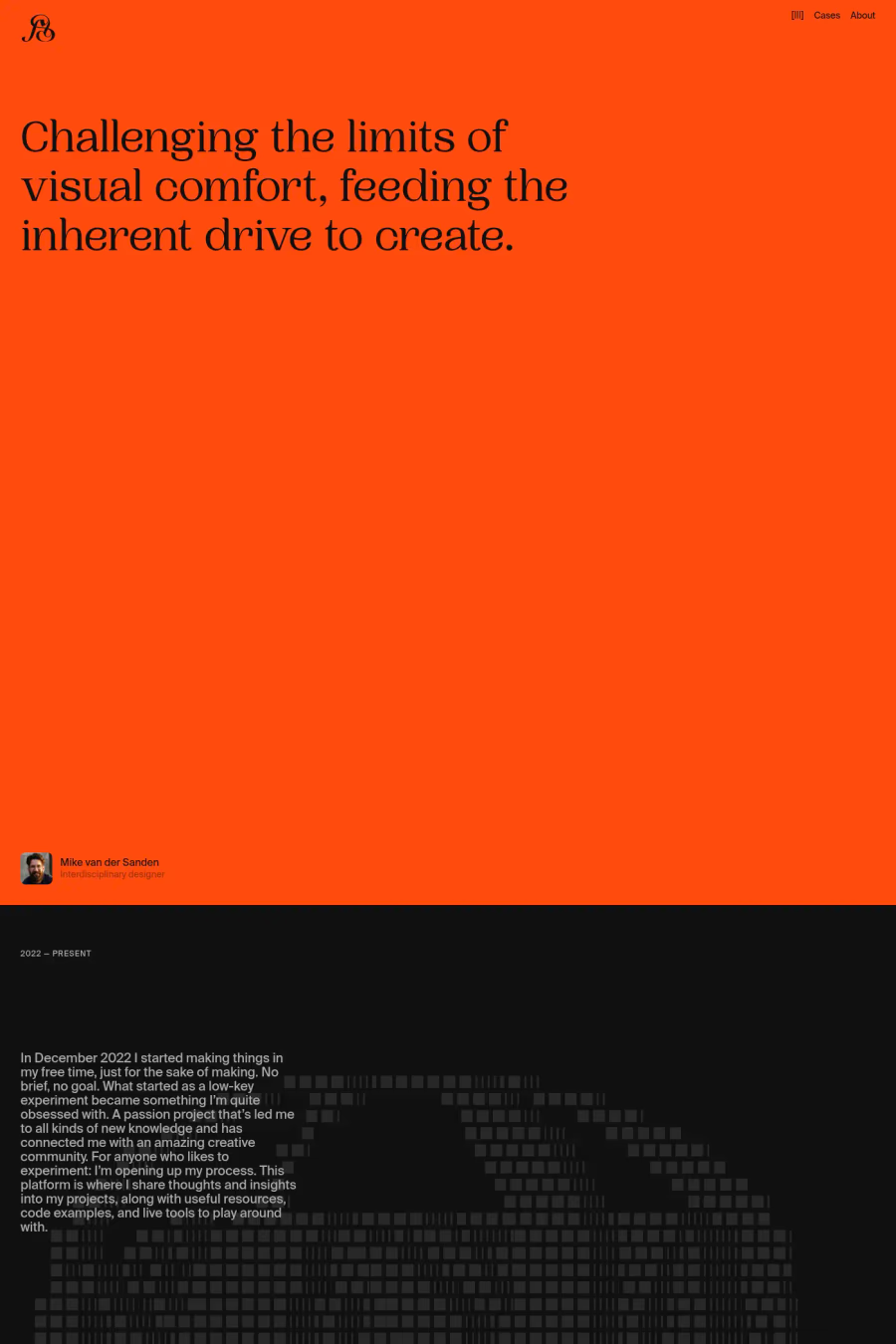
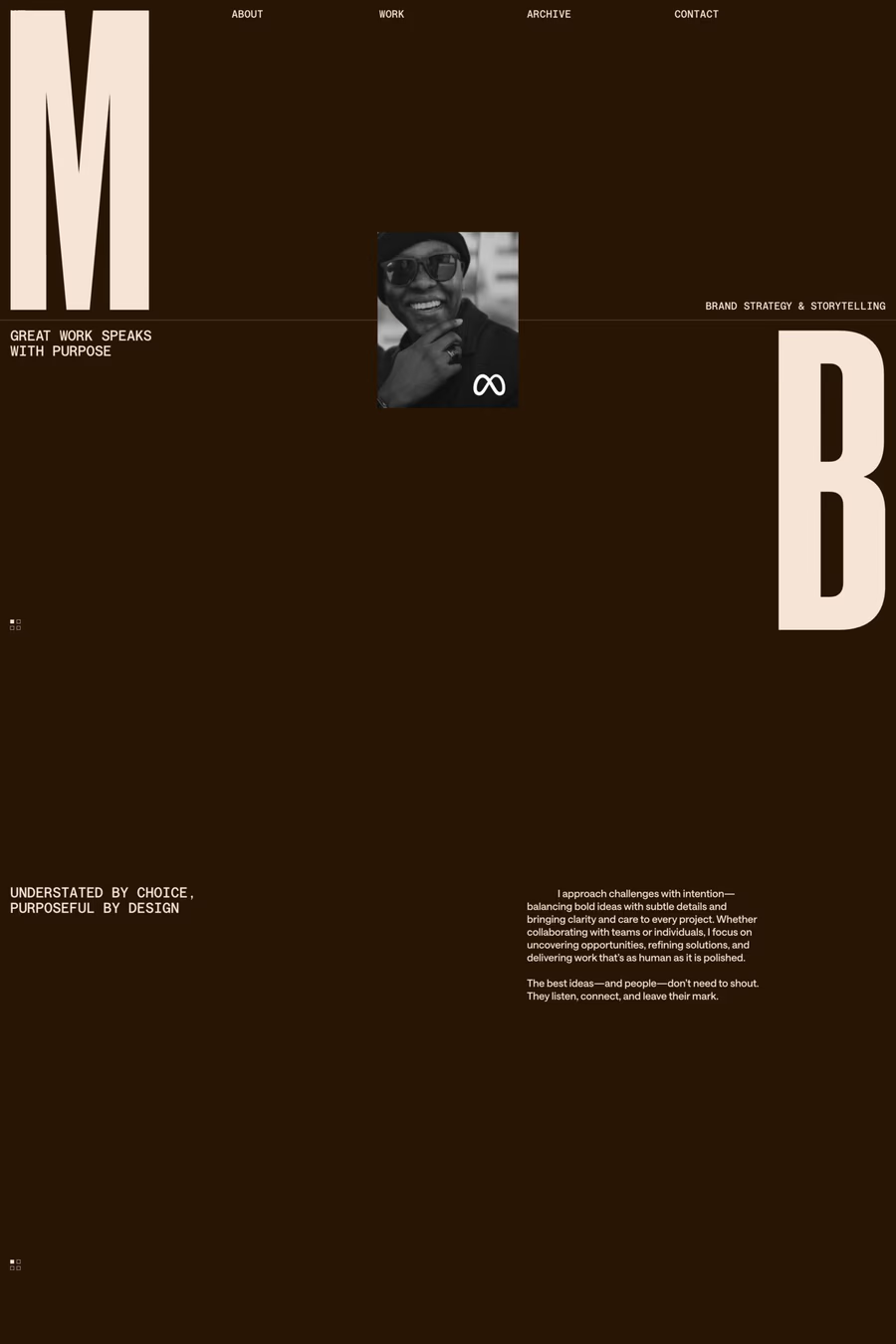
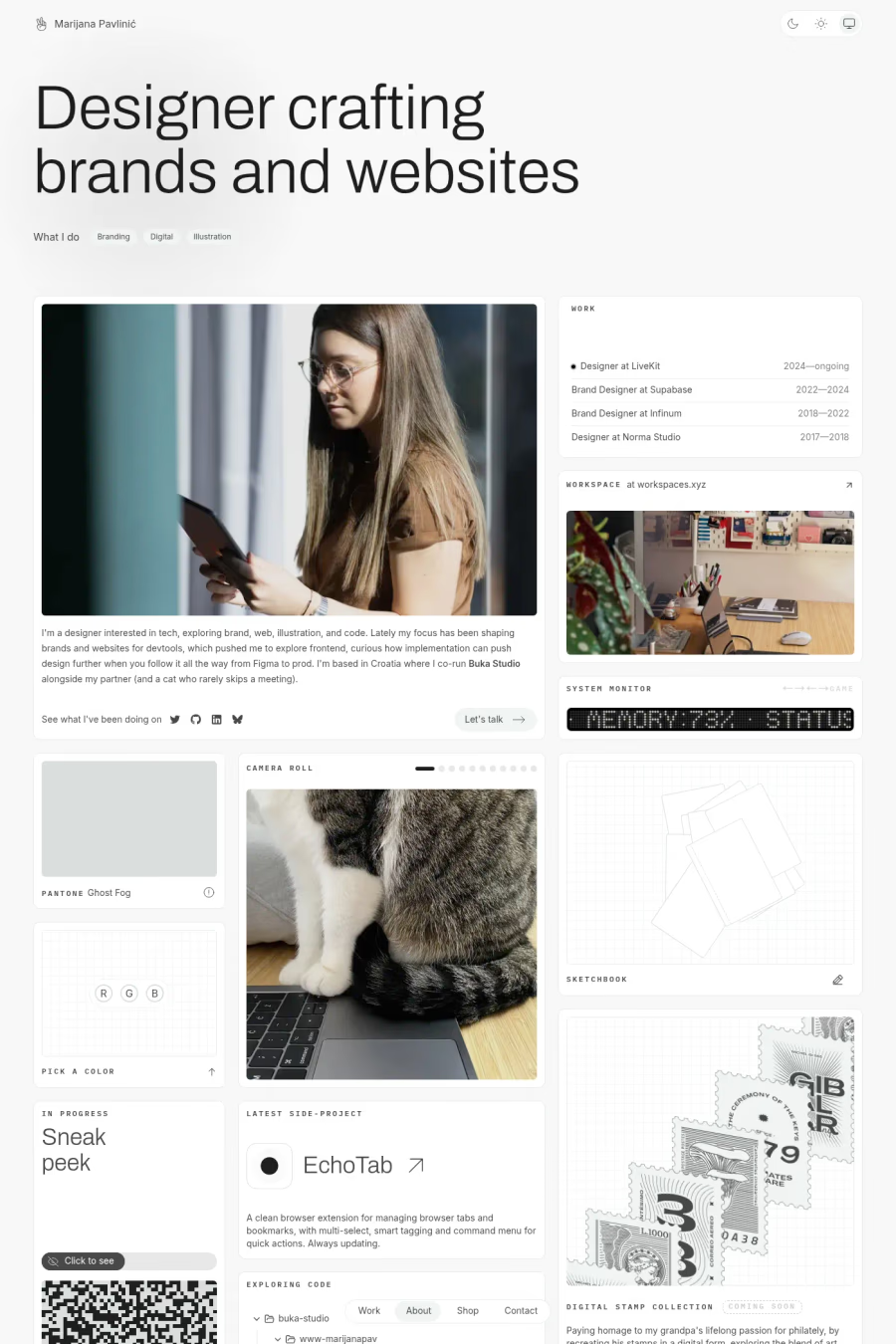
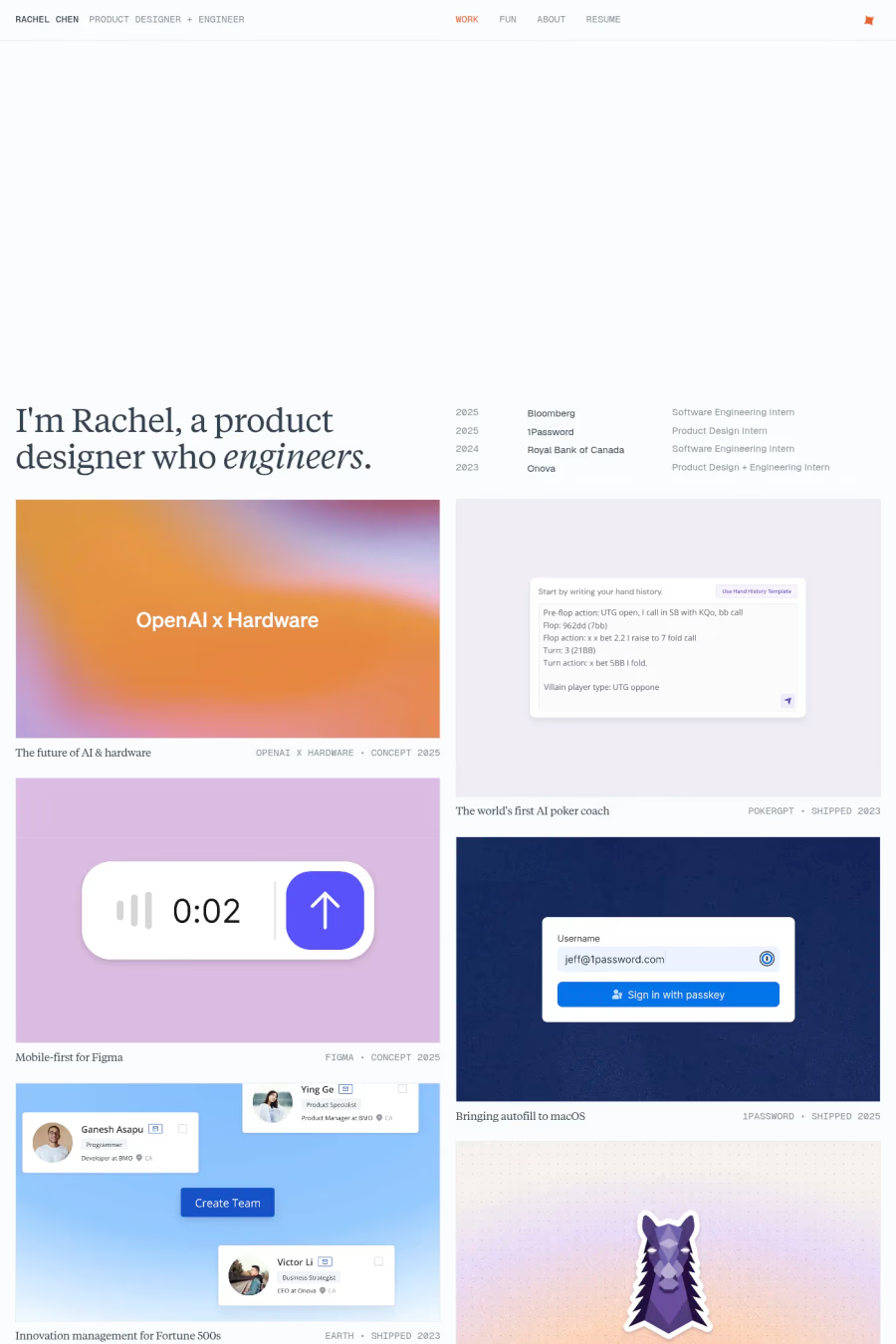
Interactive web design centres the experience around user participation — hover effects, draggable elements, scroll-triggered sequences, and real-time visual feedback. These sites transform passive browsing into active exploration, making the user an essential part of the visual outcome.


Curated inspiration sent every Tuesday
Unsubscribe at any time
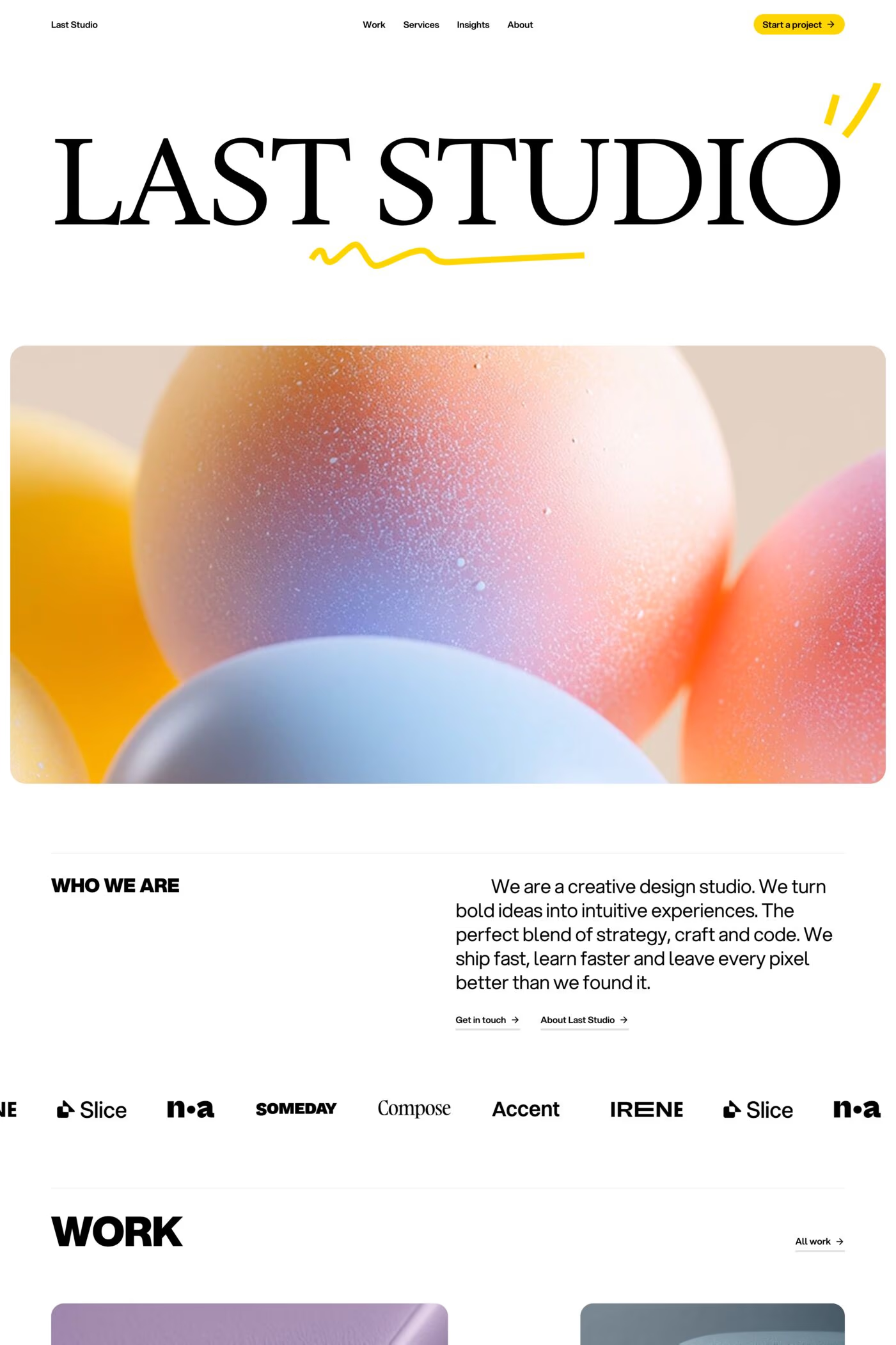
All websites have basic interactivity through links and buttons, but interactive-style sites make user engagement the core experience. Cursor movement affects visuals, scrolling triggers complex sequences, and user input directly shapes the interface in real-time.
Progressive enhancement is essential — the core content and navigation must function without requiring interaction with experimental features. Providing keyboard alternatives, respecting reduced-motion preferences, and ensuring touch-device fallbacks are all critical considerations.