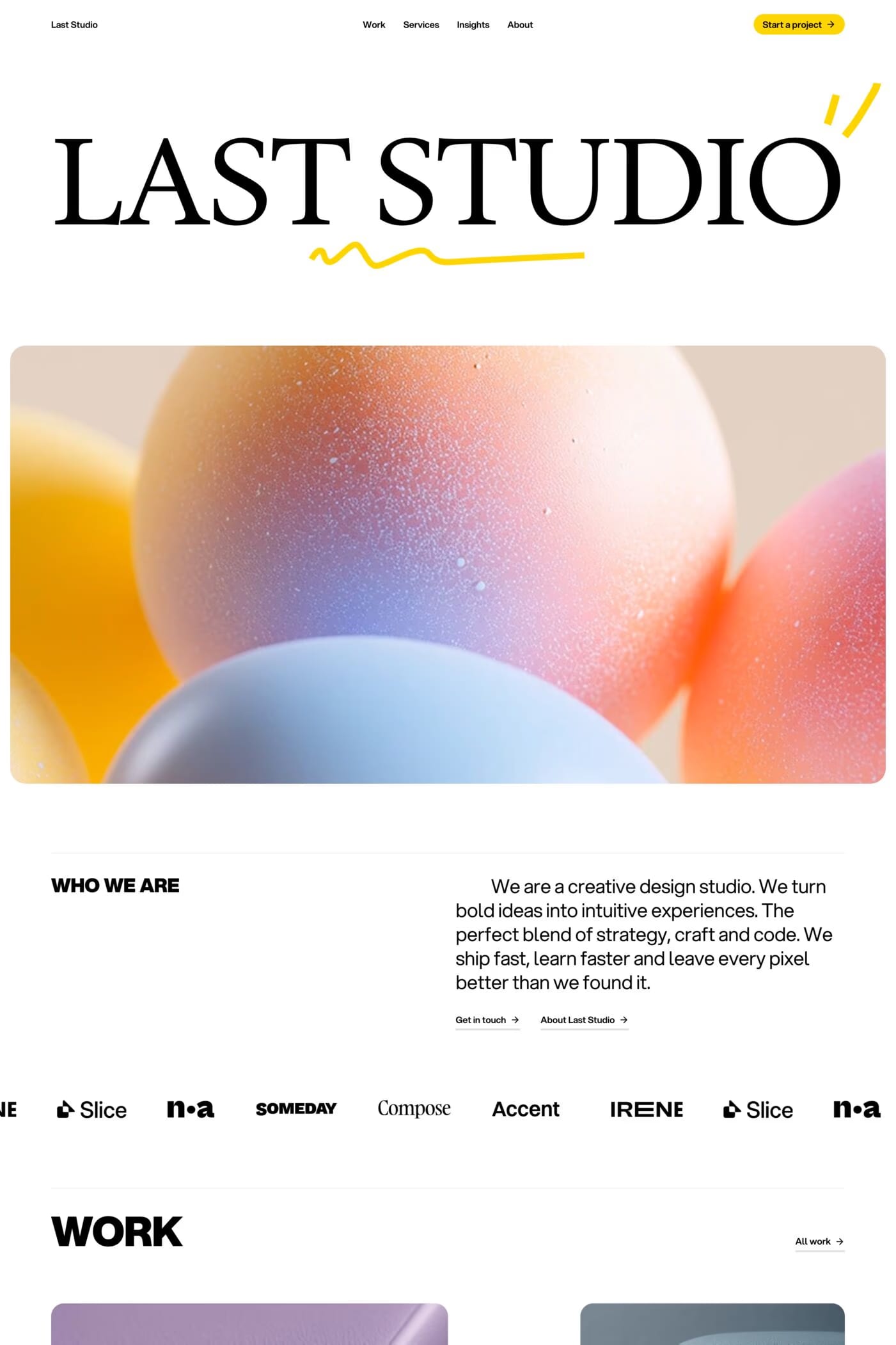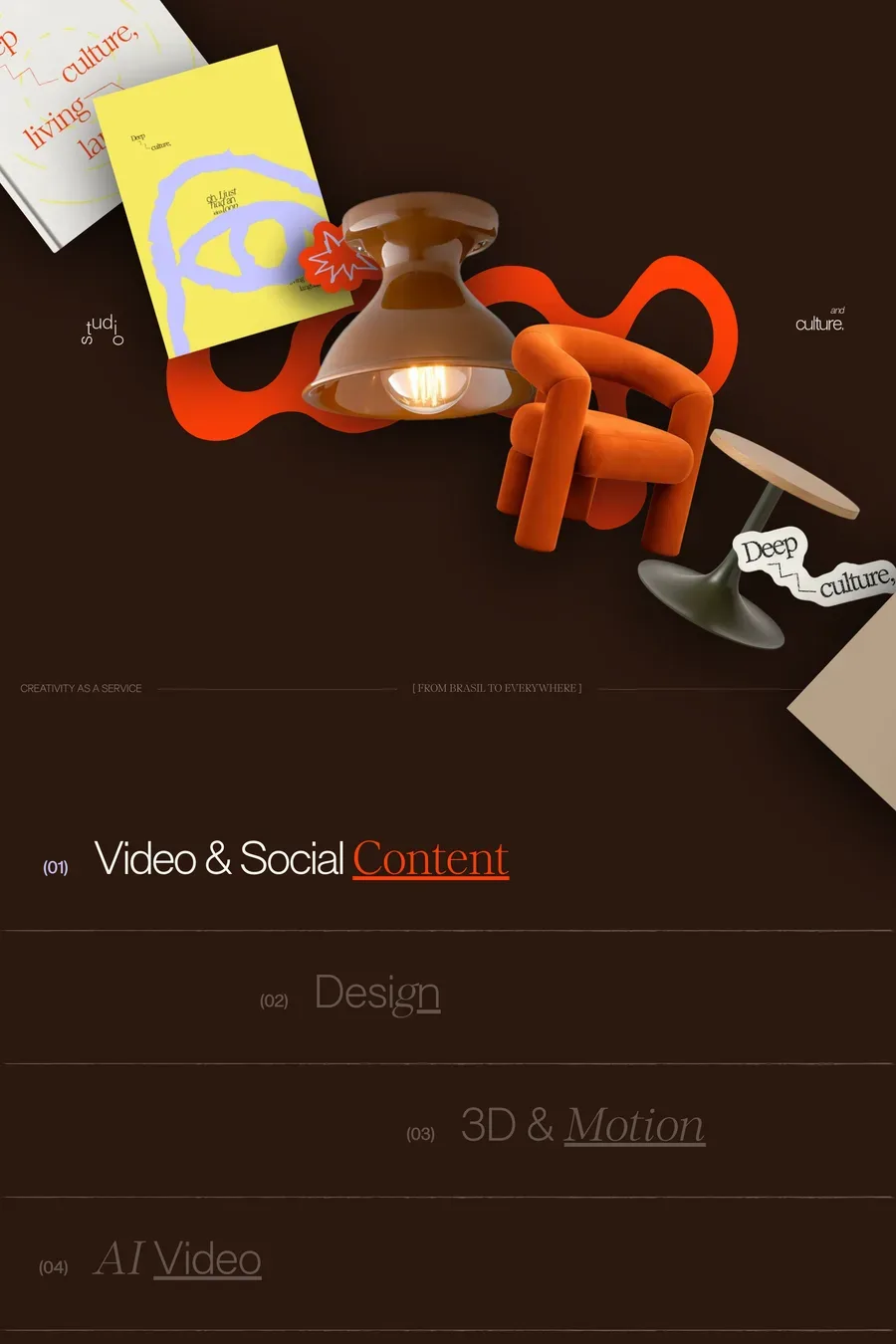


Most designer portfolios are conservative by design — the work is supposed to speak, so the container tries not to. These five take the opposite position: the portfolio itself is the argument. Each one uses personality as a differentiator rather than a risk, in ways that range from typographic conviction to cursor interactions to illustration systems. Browse all designer profiles on A1 for more, or explore colourful landing pages for broader inspiration.
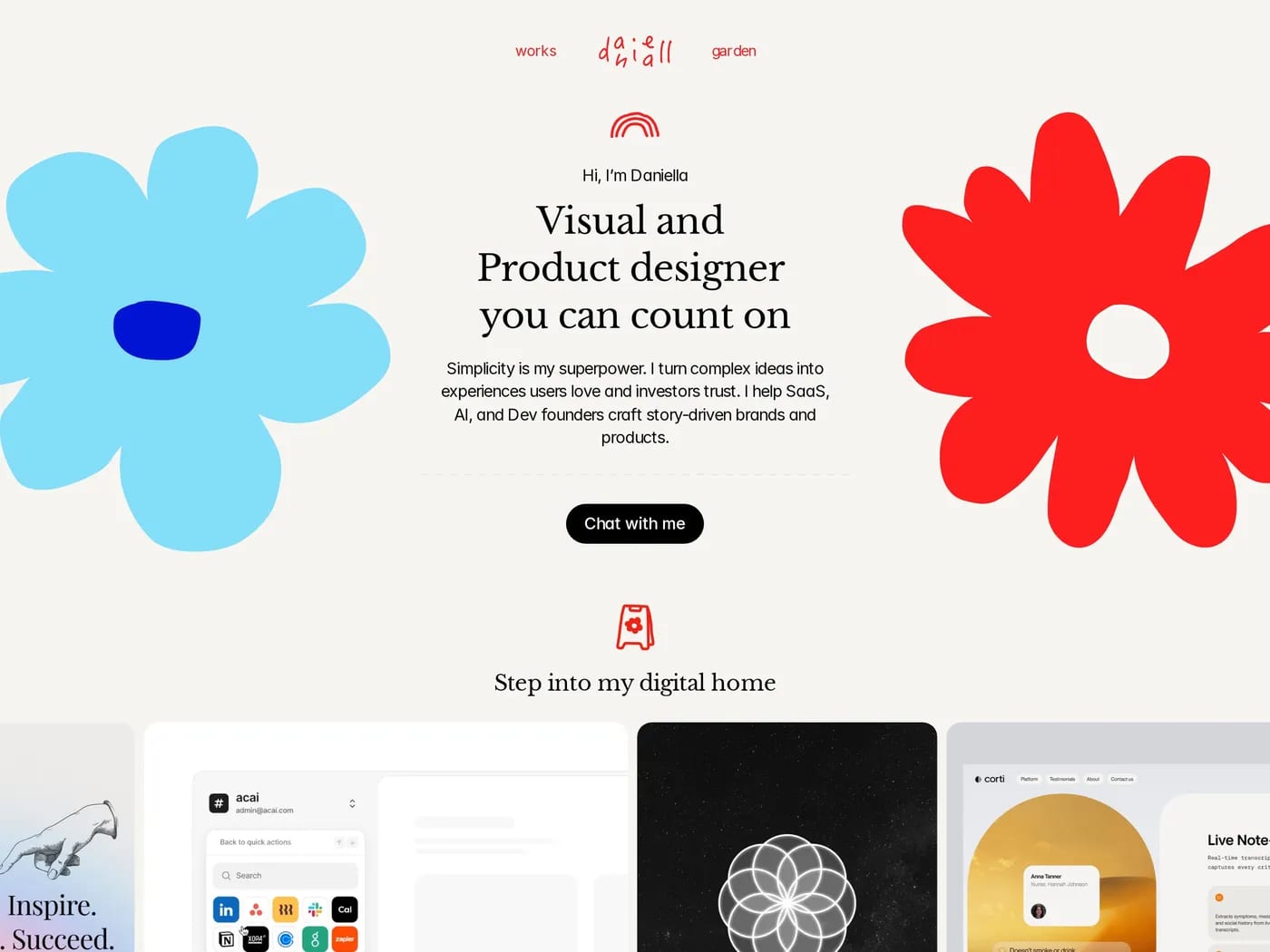

Daniella Marynova
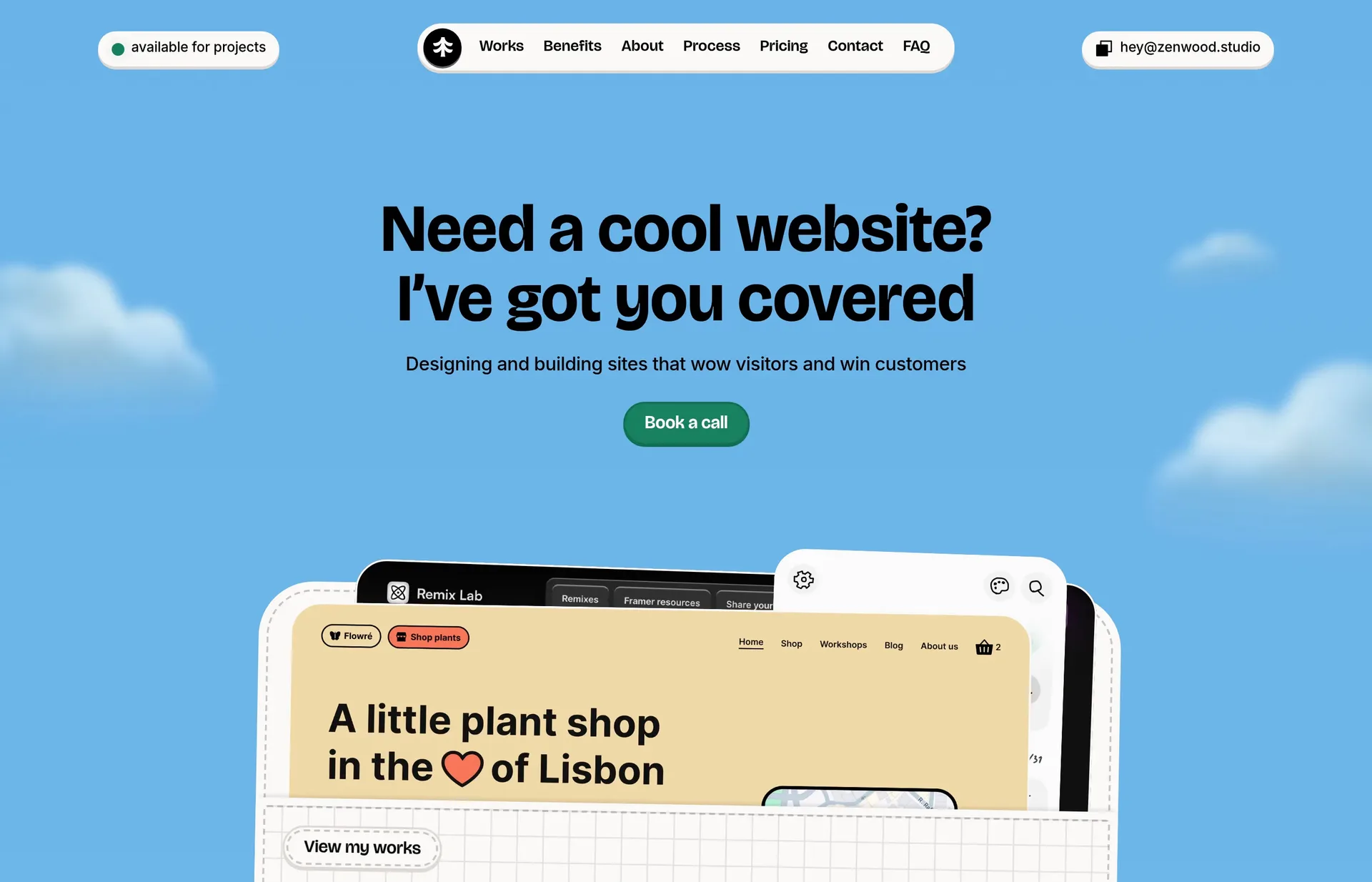
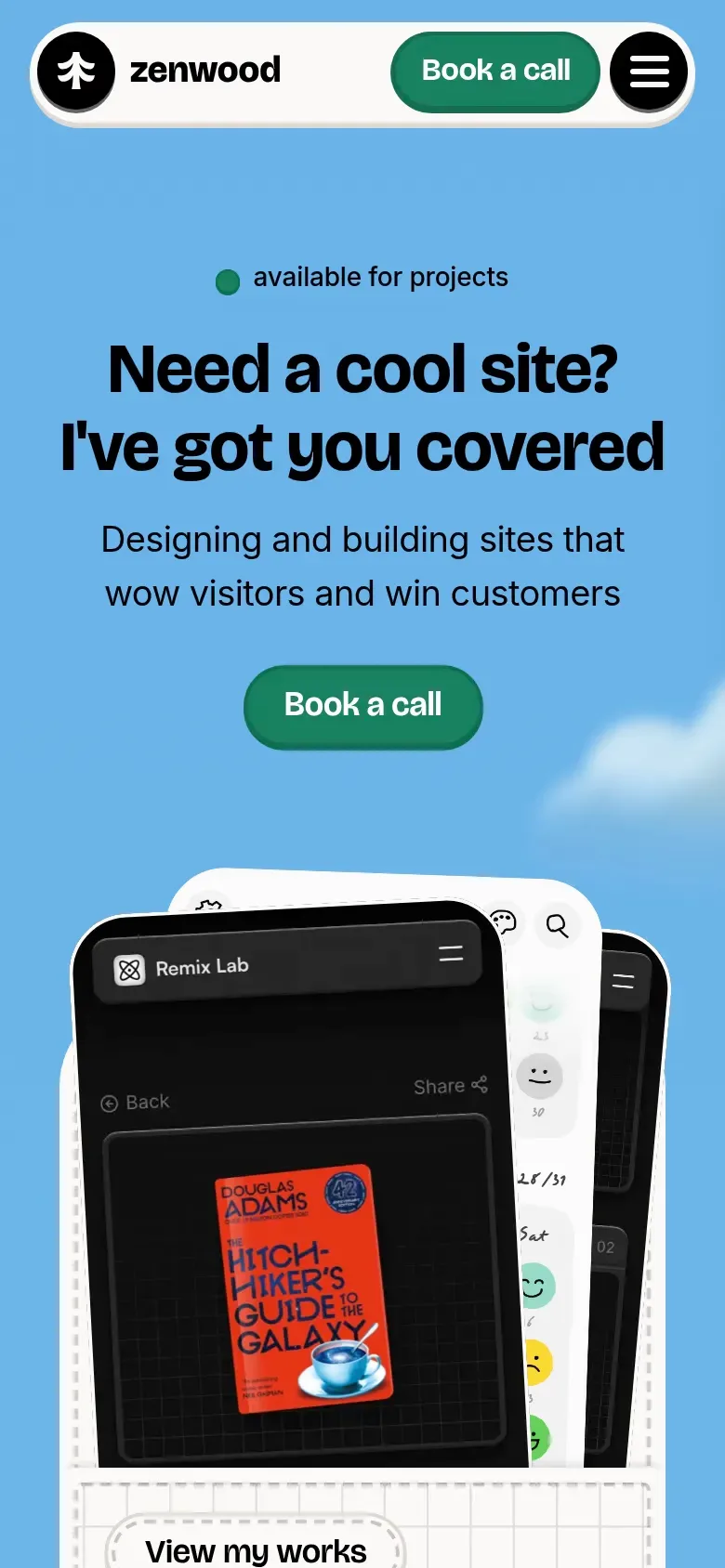
Zenwood Studio
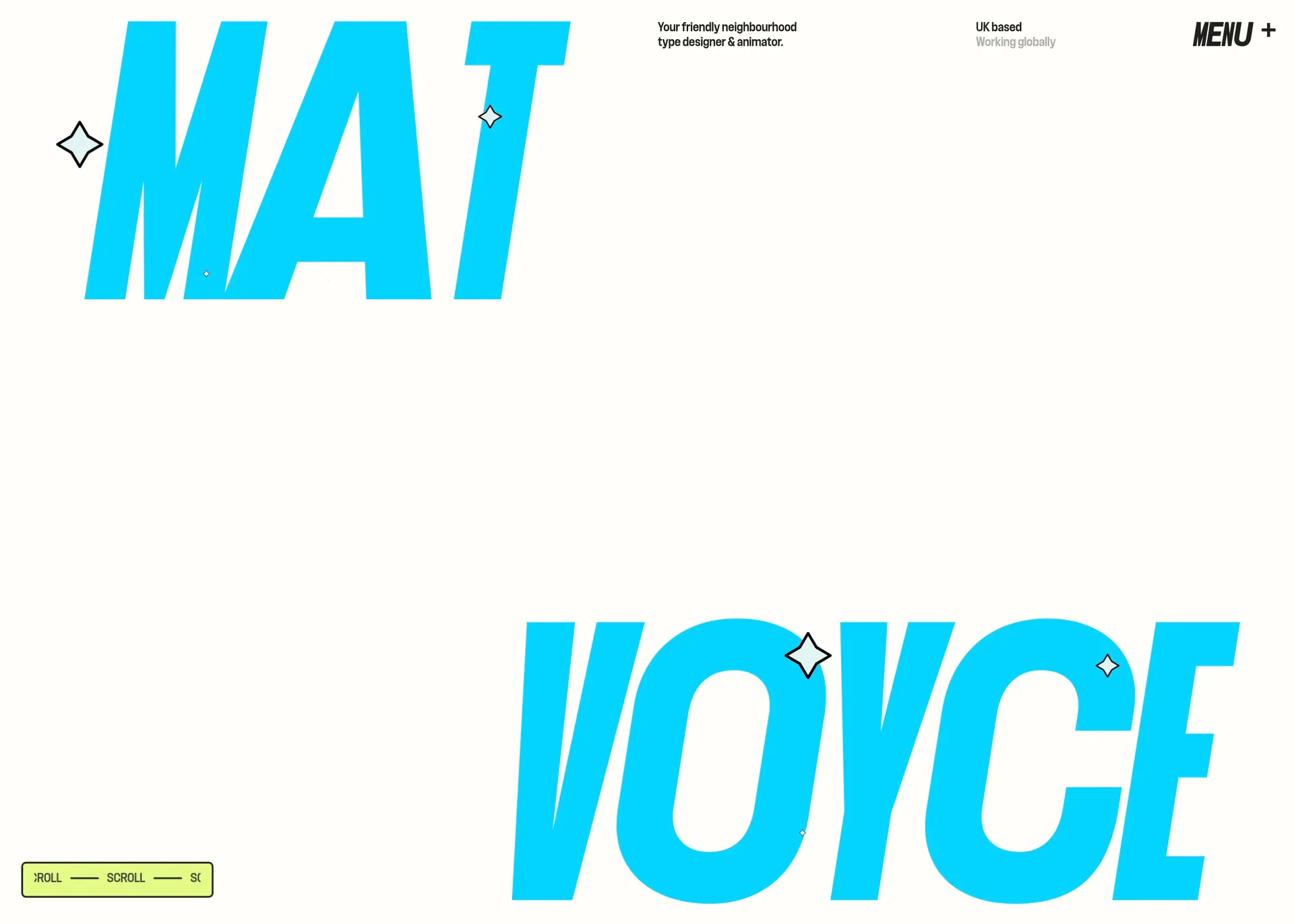
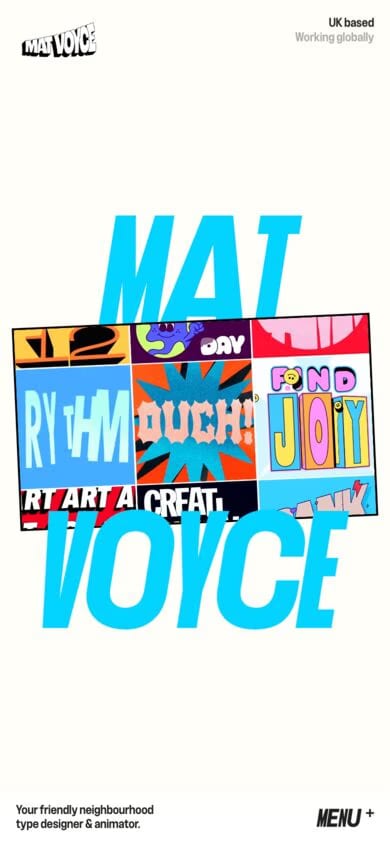
Mat Voyce
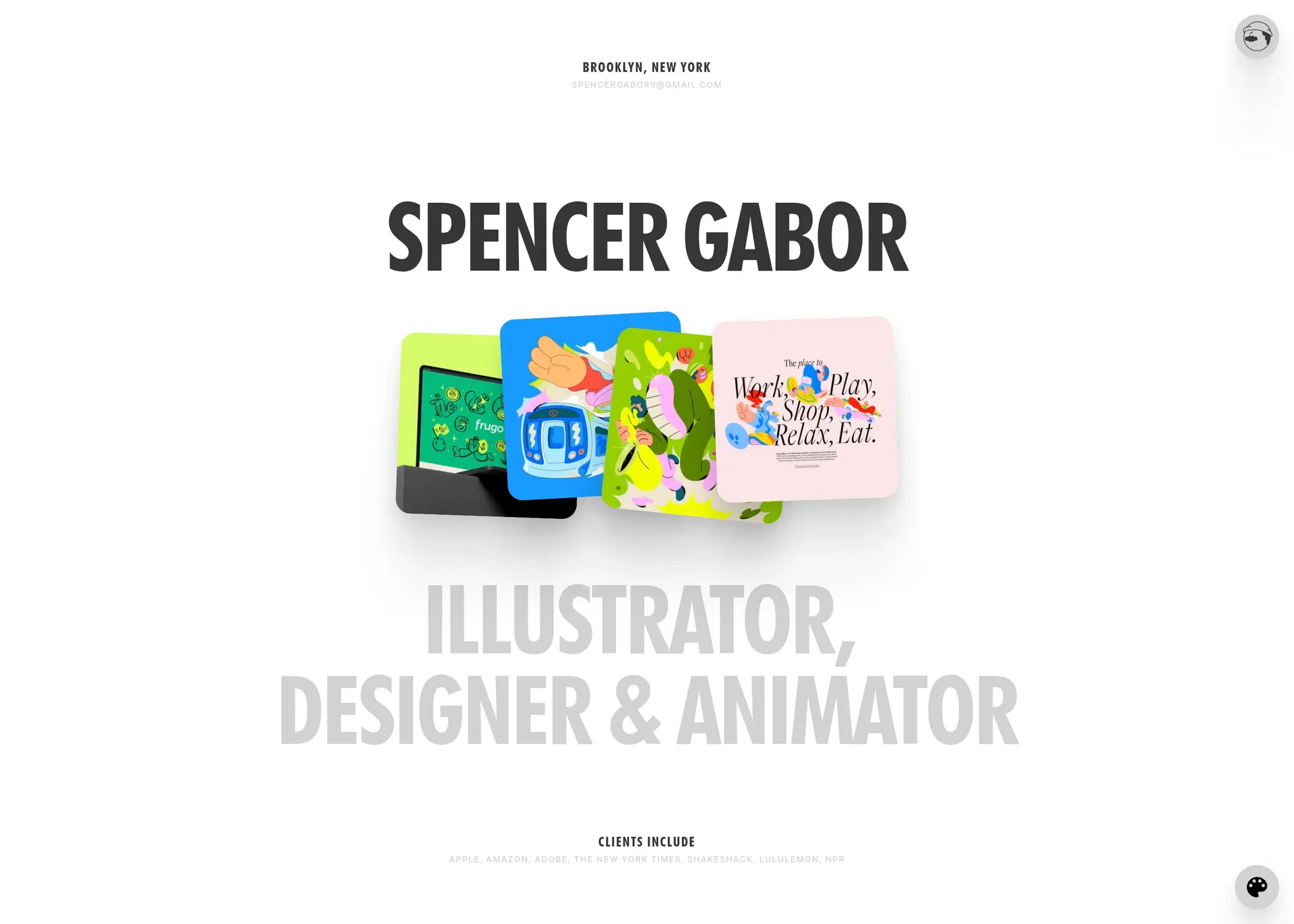

Spencer Gabor
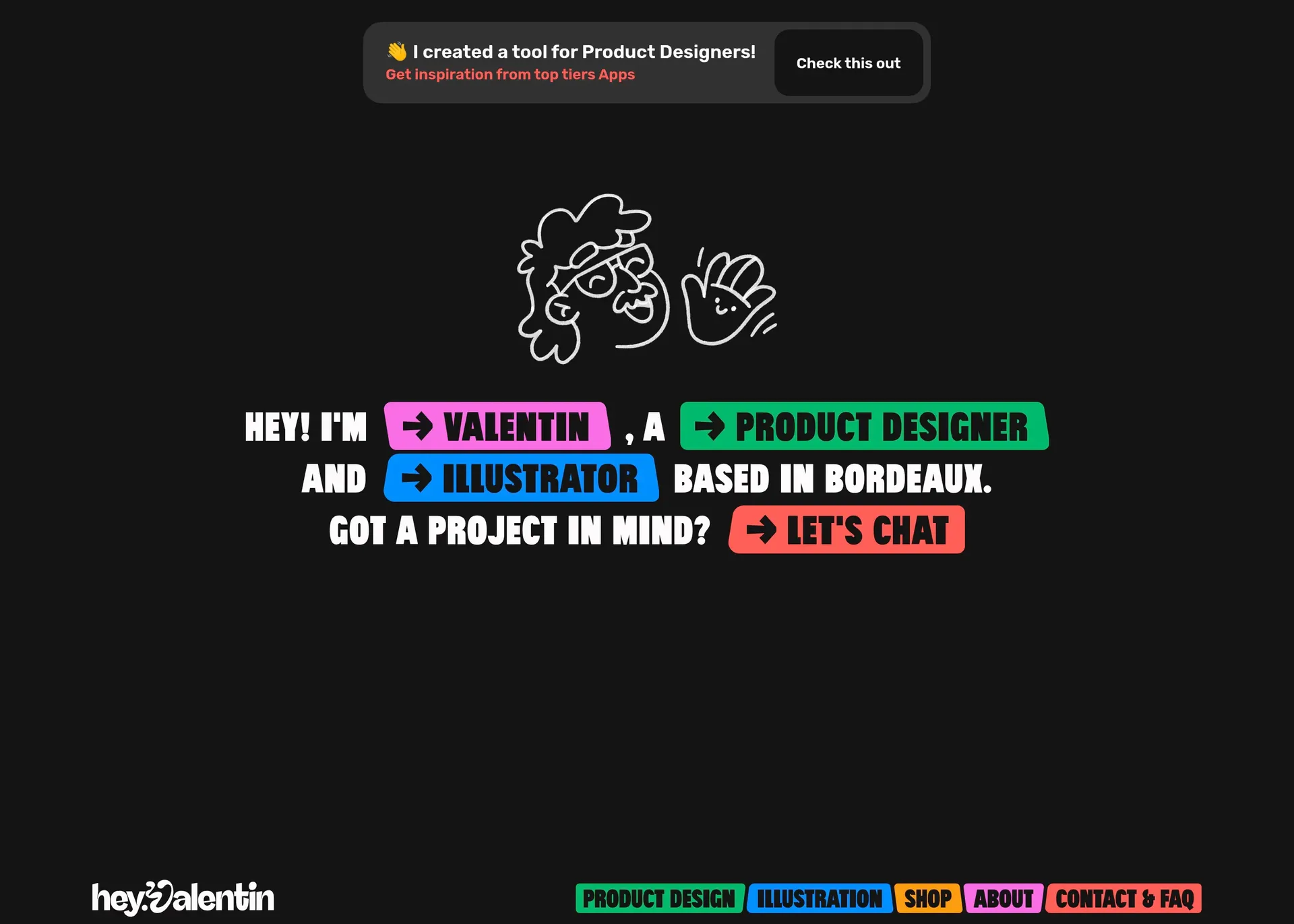

Valentin
These portfolios prove that injecting personality into your work doesn't mean sacrificing professionalism. Whether through animation, colour, or unexpected layouts, each designer has found a way to stand out while still showcasing their skills effectively.
Frequently asked questions
What makes a designer portfolio stand out?
The portfolios that stand out have a visual point of view that runs through every decision — not just the work shown, but how the site itself behaves. Zenwood Studio’s cursor-reactive clouds, Mat Voyce’s type-in-motion as both content and container, Spencer Gabor’s broken grid held together by typographic confidence: each one makes the portfolio the argument rather than the frame. The risk is that personality can overwhelm the work. The ones here earn it because the design conviction is consistent, not scattered.
Should a designer portfolio be playful or professional?
The distinction is a false one. Daniella Marynova’s floral illustration system is playful and the animations are precisely calibrated — that precision is professionalism. Valentin’s dark/neon palette is expressive and the restraint with which it’s applied is disciplined. Personality becomes a liability when it’s inconsistent or when it competes with the work rather than contextualising it. When the visual language is held together with conviction, playful and professional aren’t opposites.
Which designer portfolios are worth studying for animation?
Zenwood Studio for cursor-reactive elements — the clouds respond to movement in a way that feels surprising rather than gimmicky. Daniella Marynova for pacing: the animations are slow enough to feel intentional, which is harder to calibrate than it sounds. Mat Voyce for restraint — the letterforms move, and nothing else does, which means the motion means something. All three use animation to reinforce what the site is about rather than to decorate it.