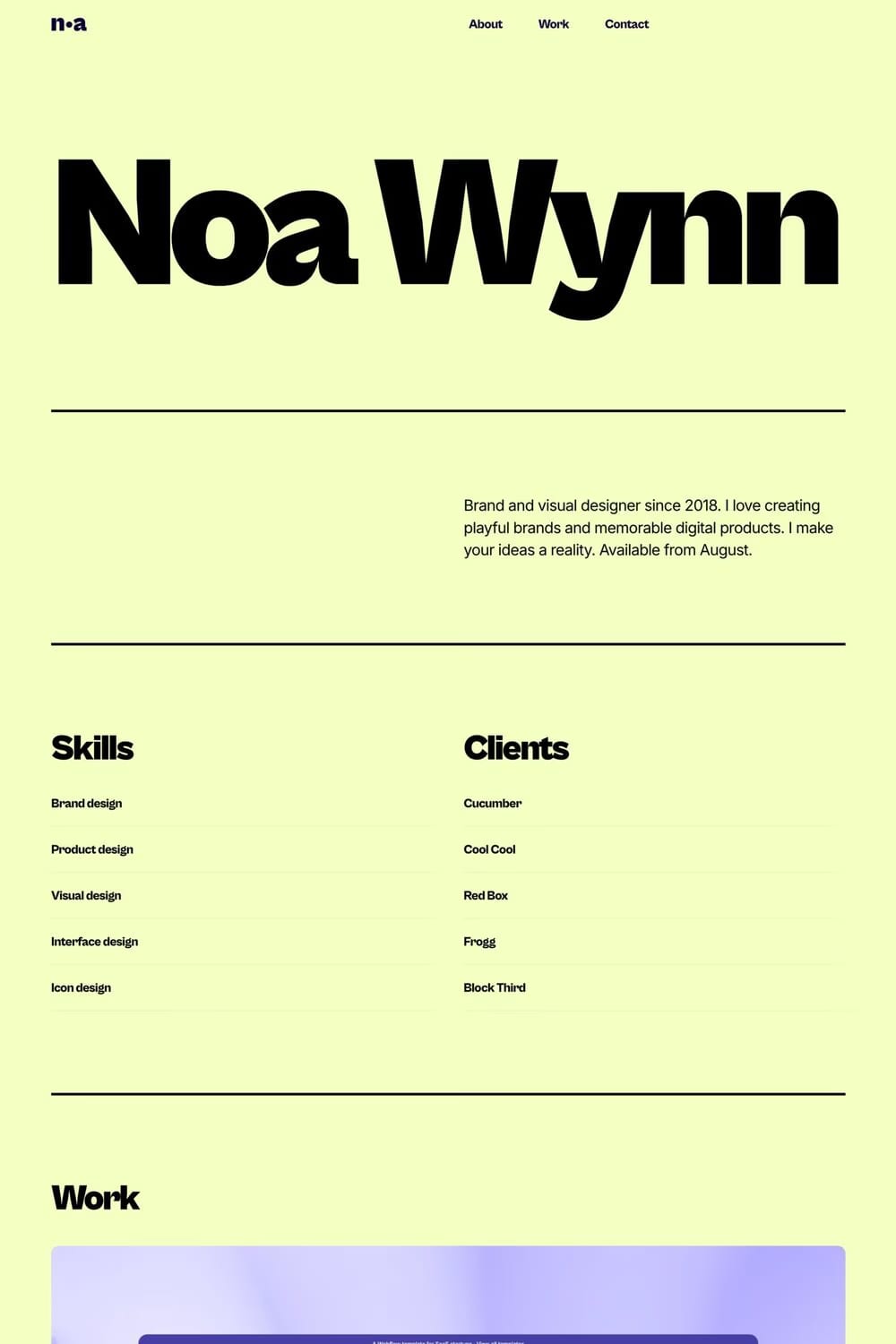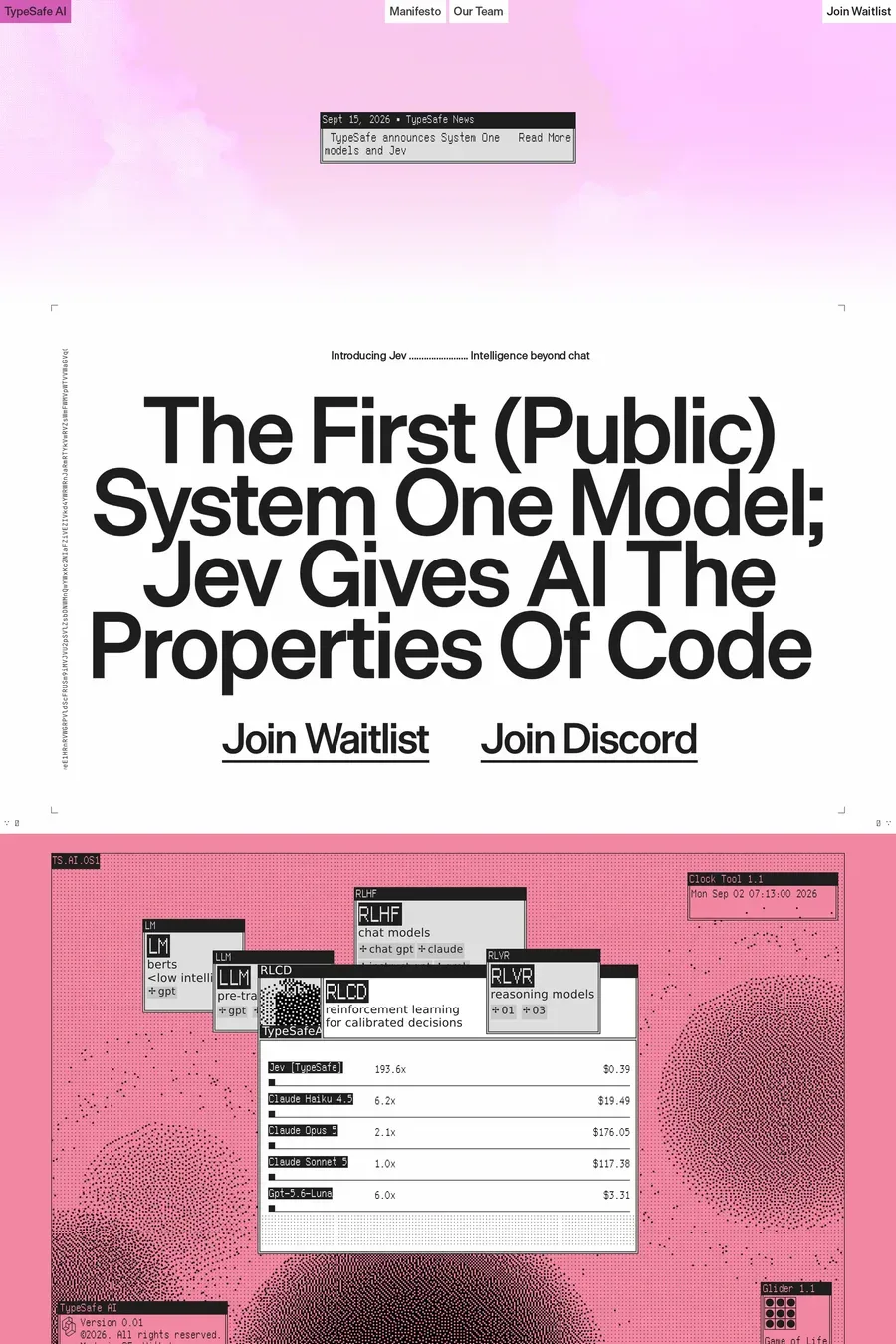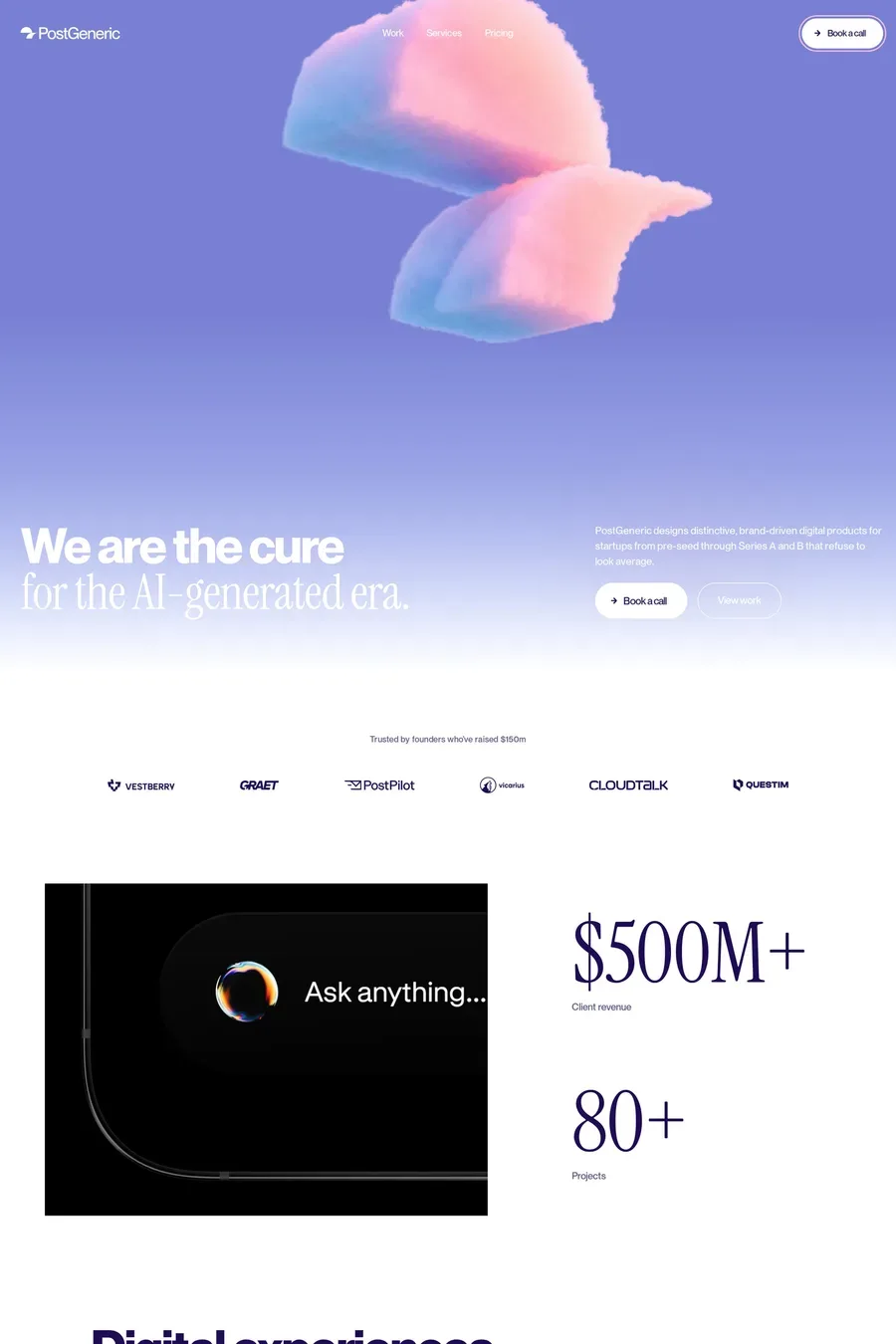

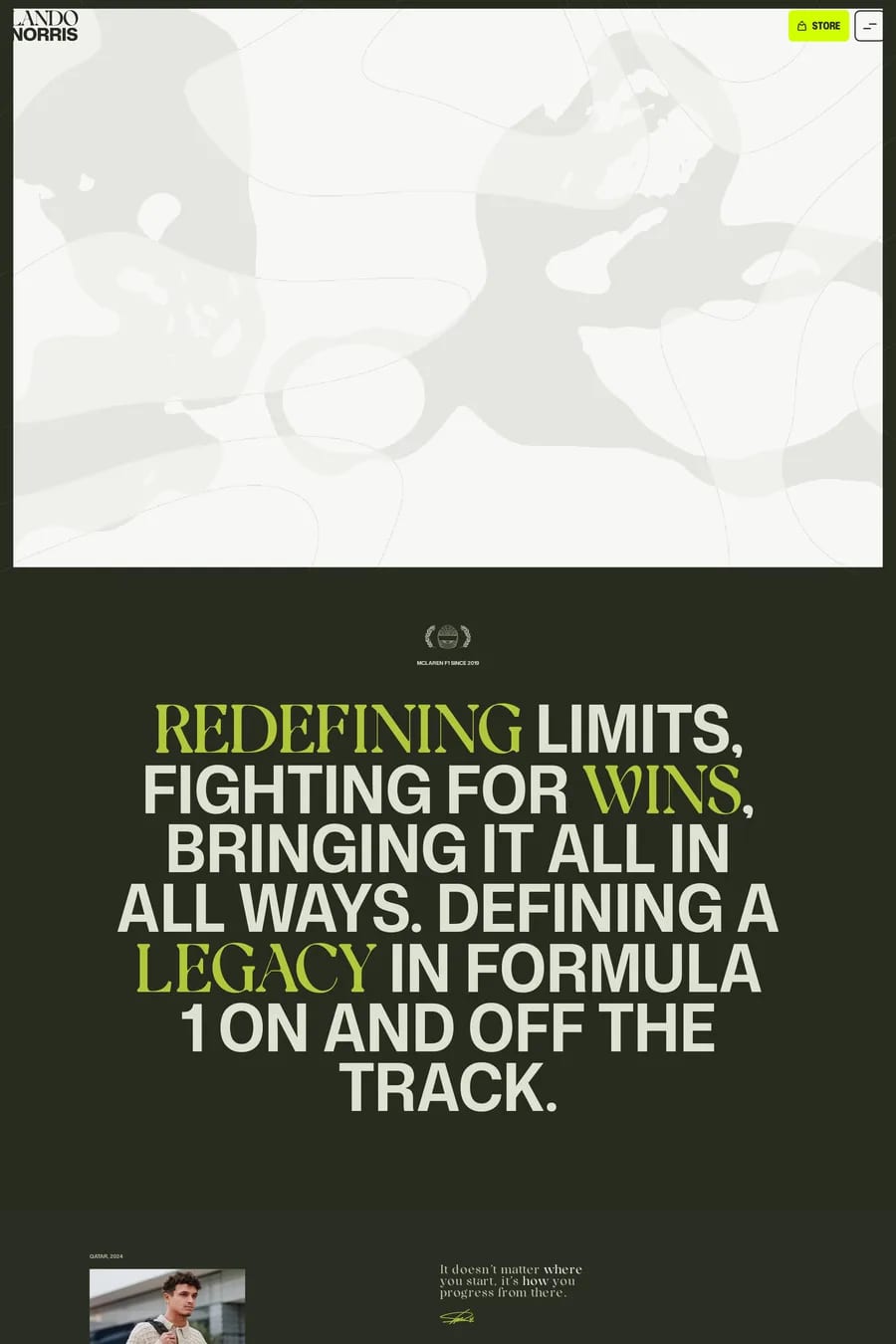
Webflow has a reputation for producing sites that look like templates. The eleven sites in this roundup have earned their way past that: they span F1 driver personal brands, fintech products, a DeFi platform, AI tools, and designer portfolios — all built on Webflow, all worth studying. These are the ones we keep returning to in 2026.
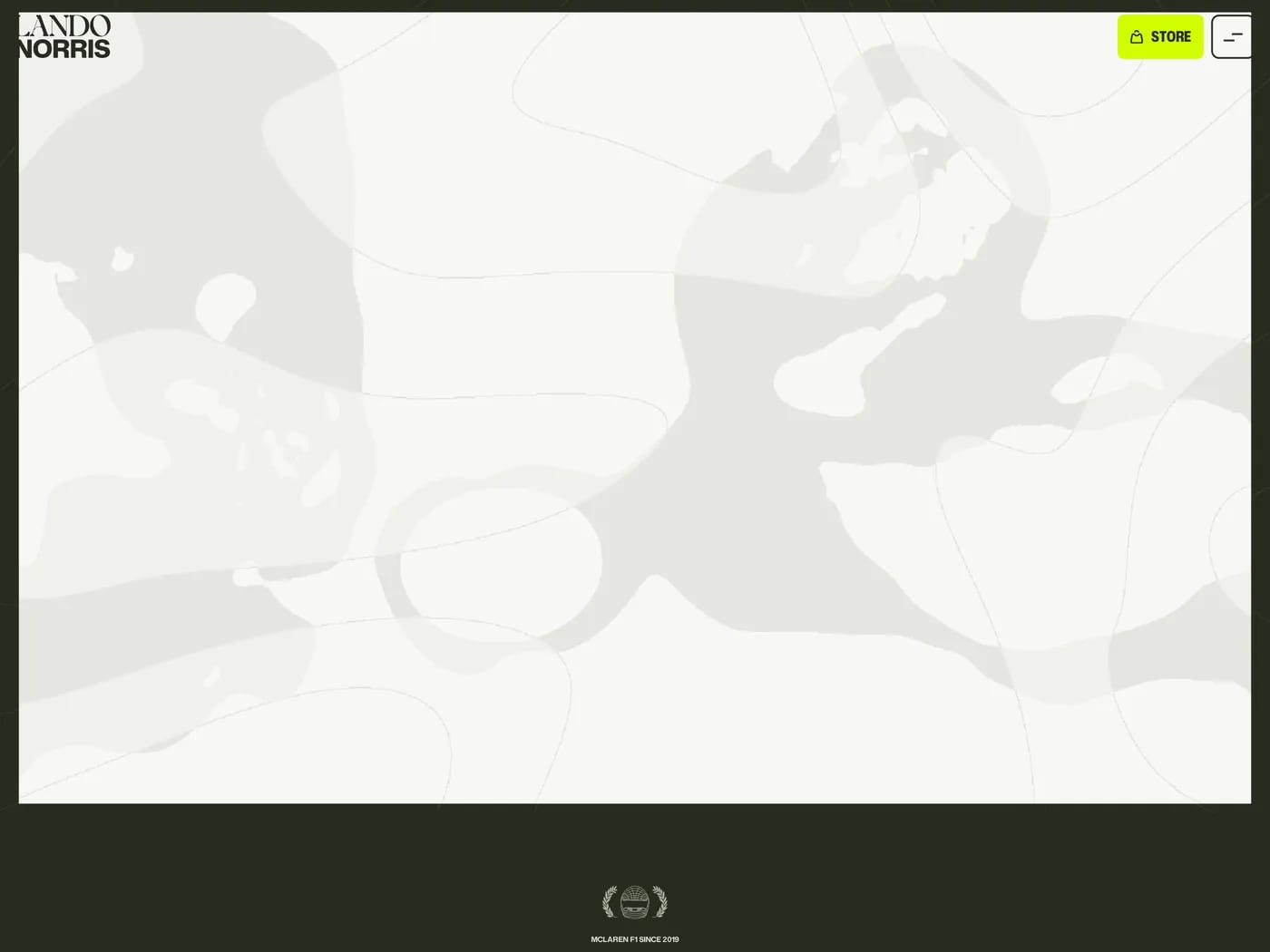

Lando Norris
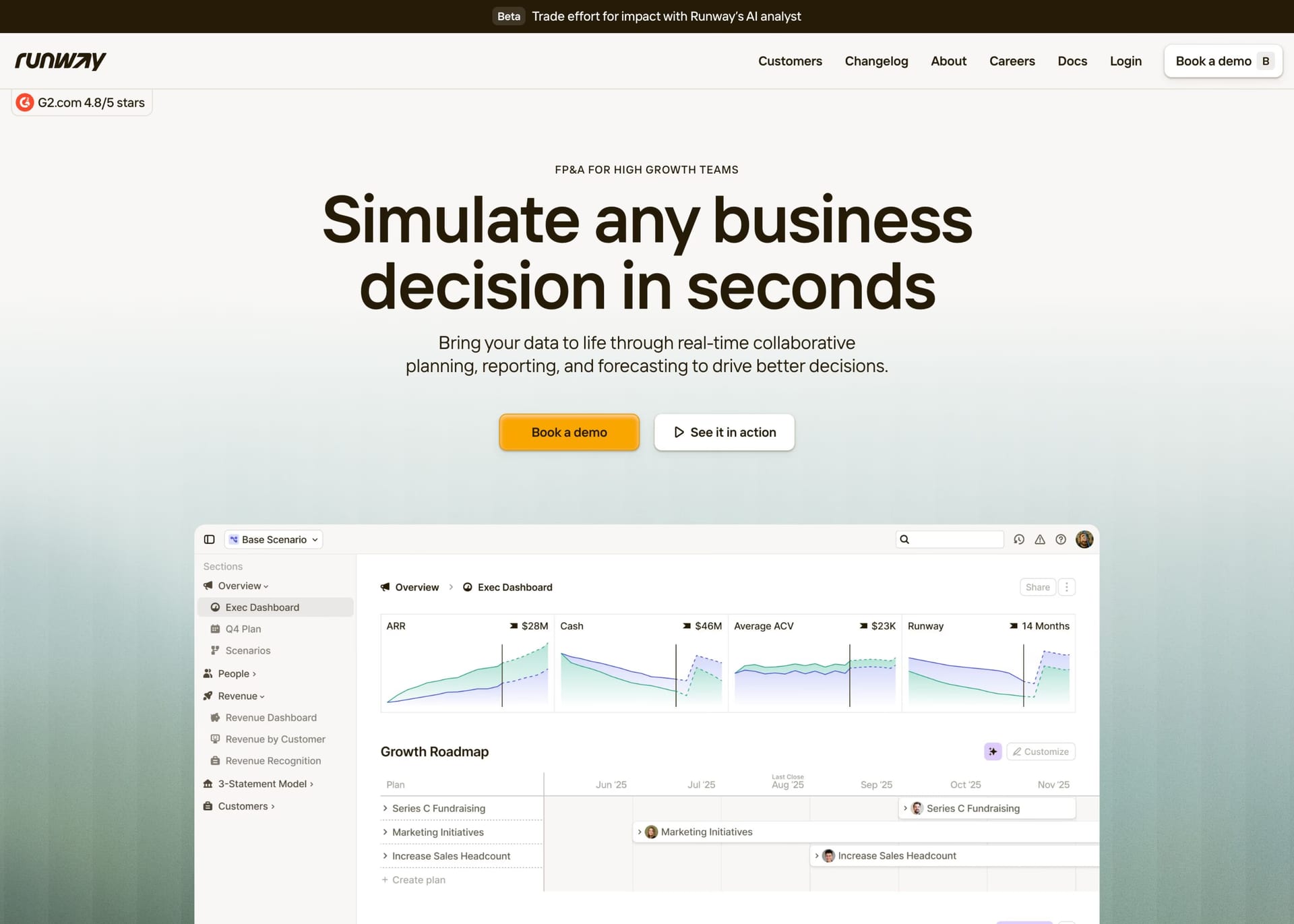
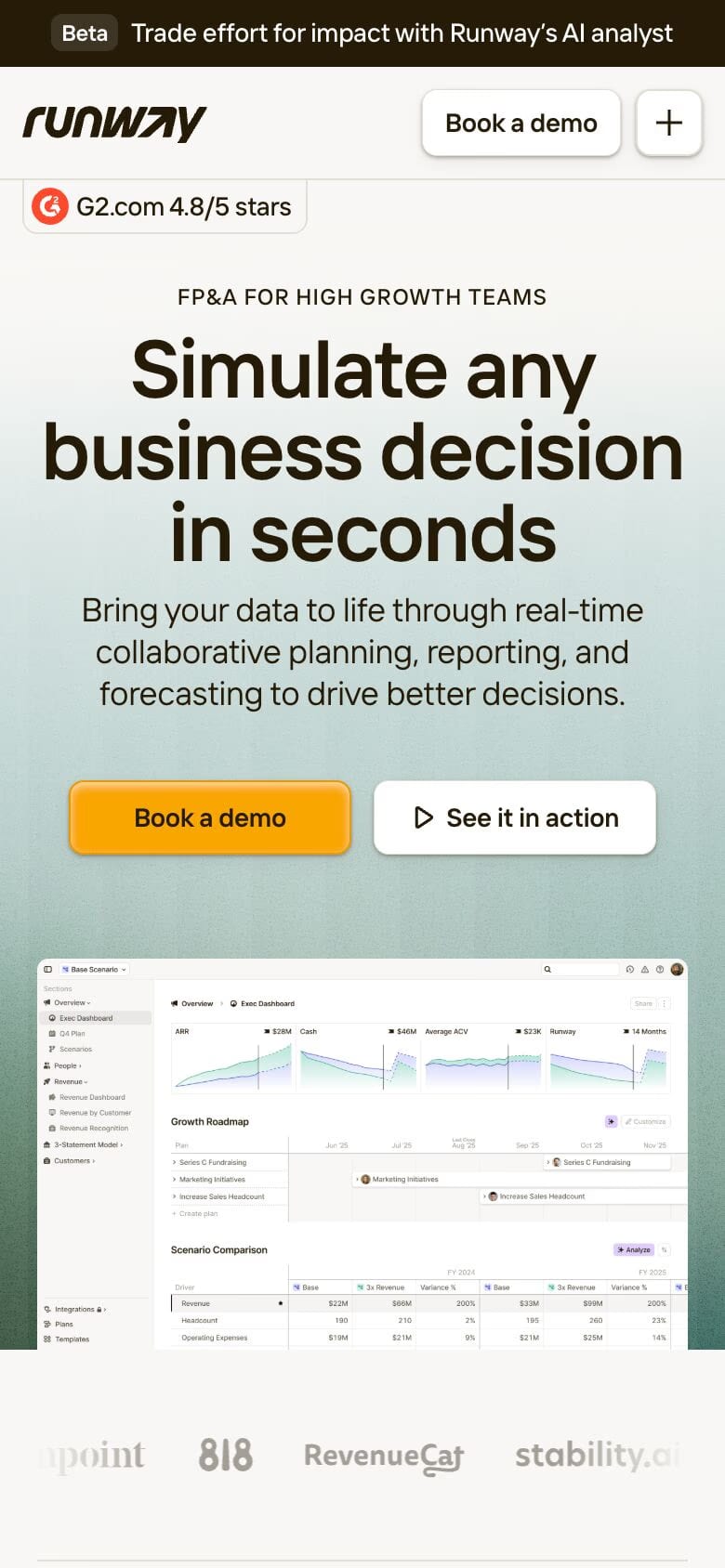
Runway
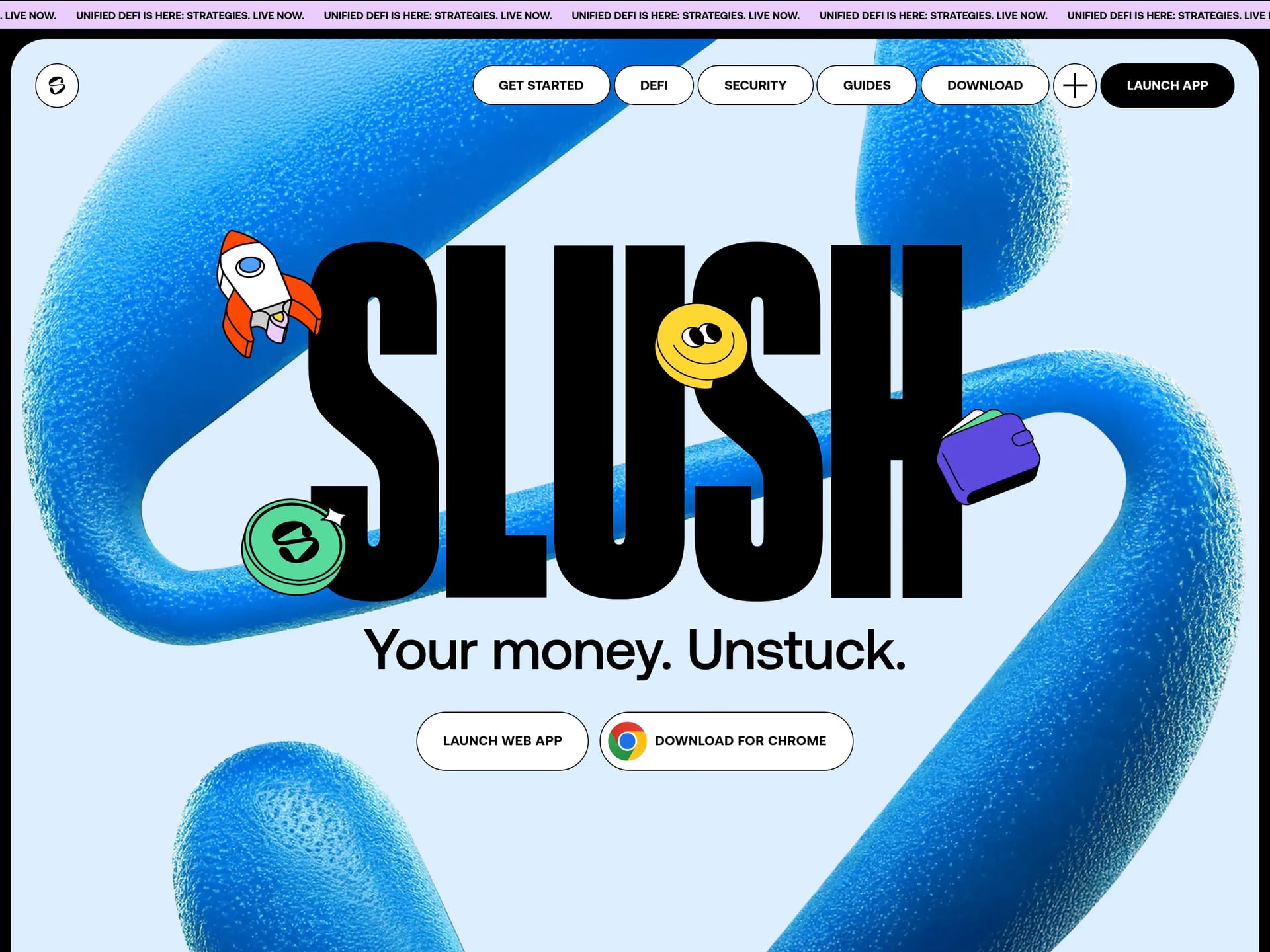
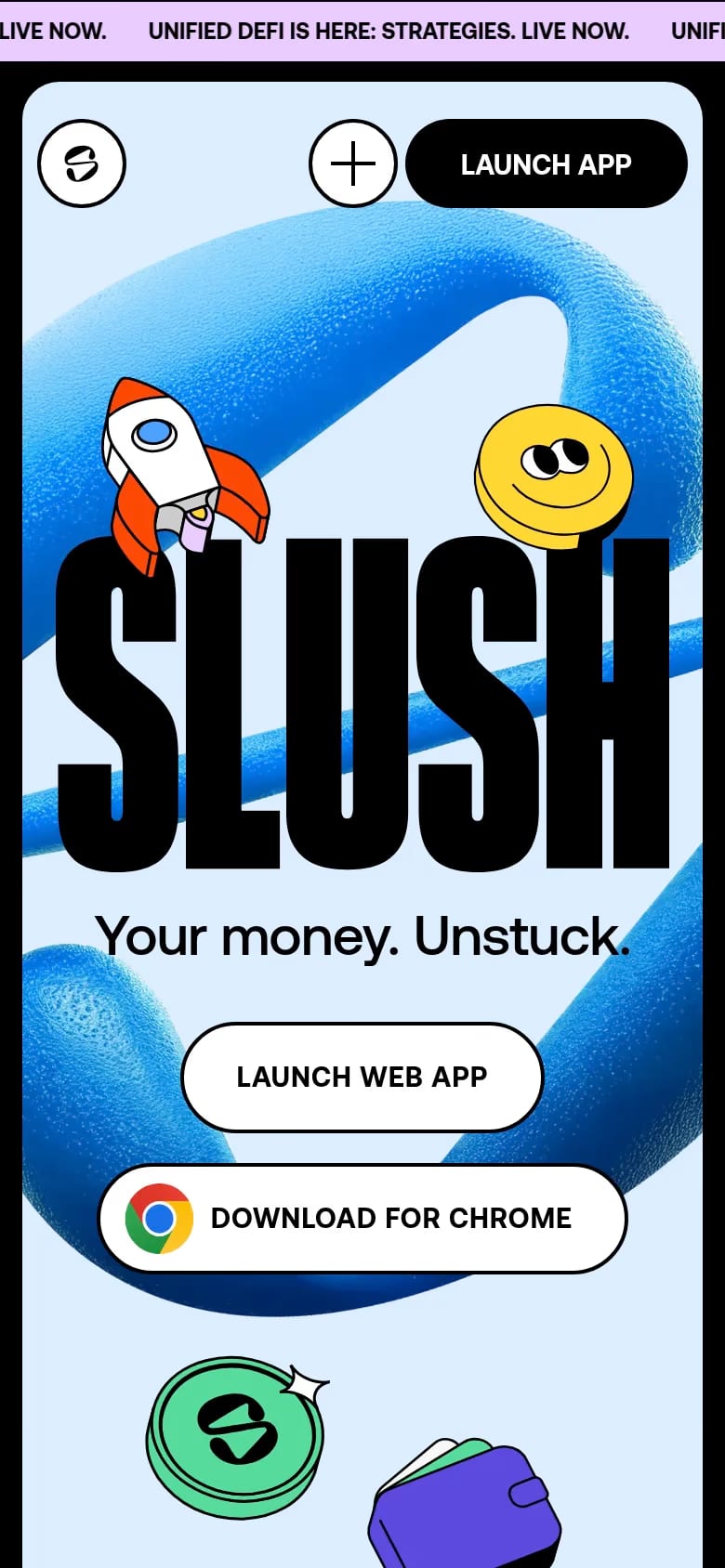
Slush
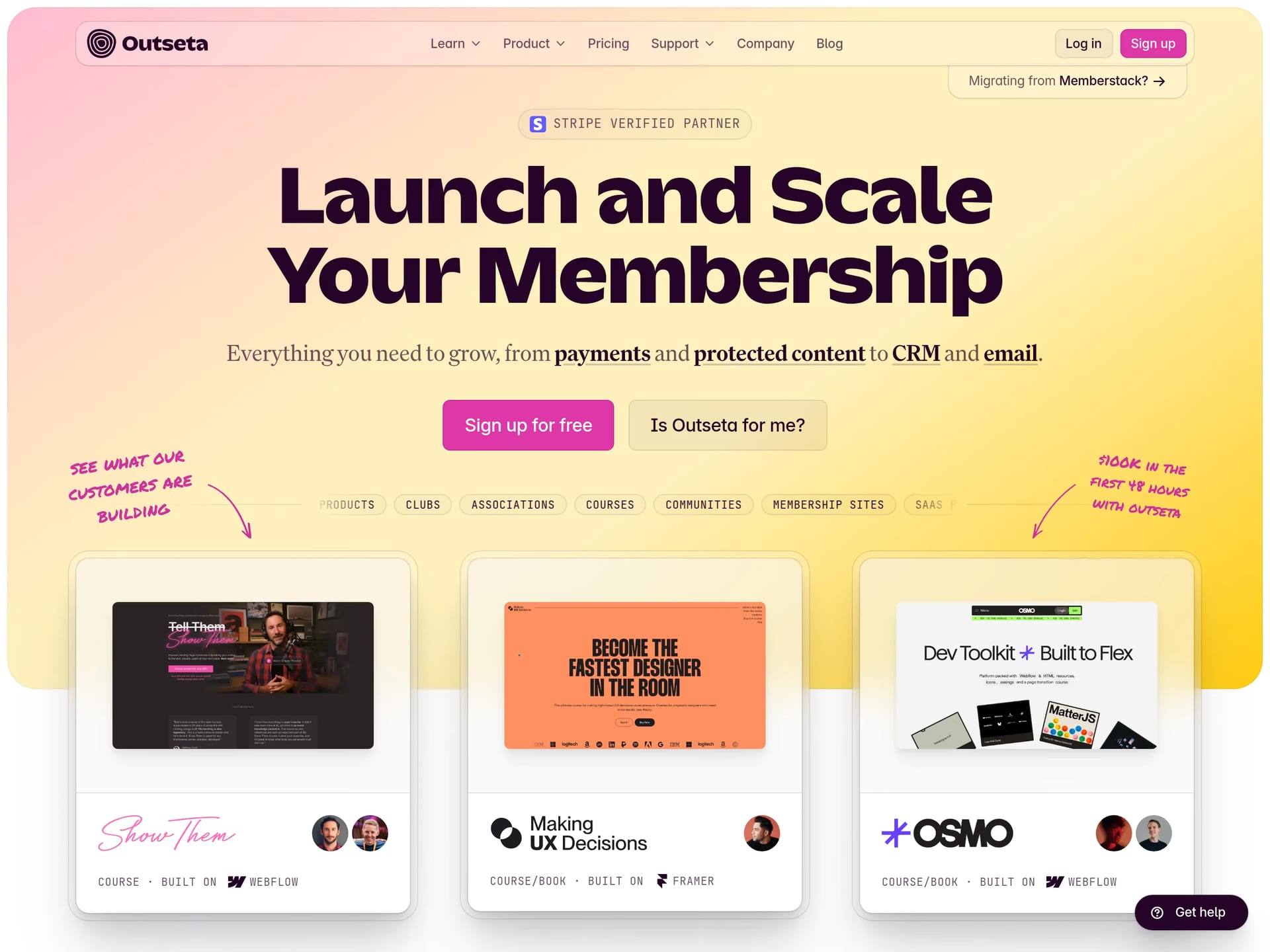
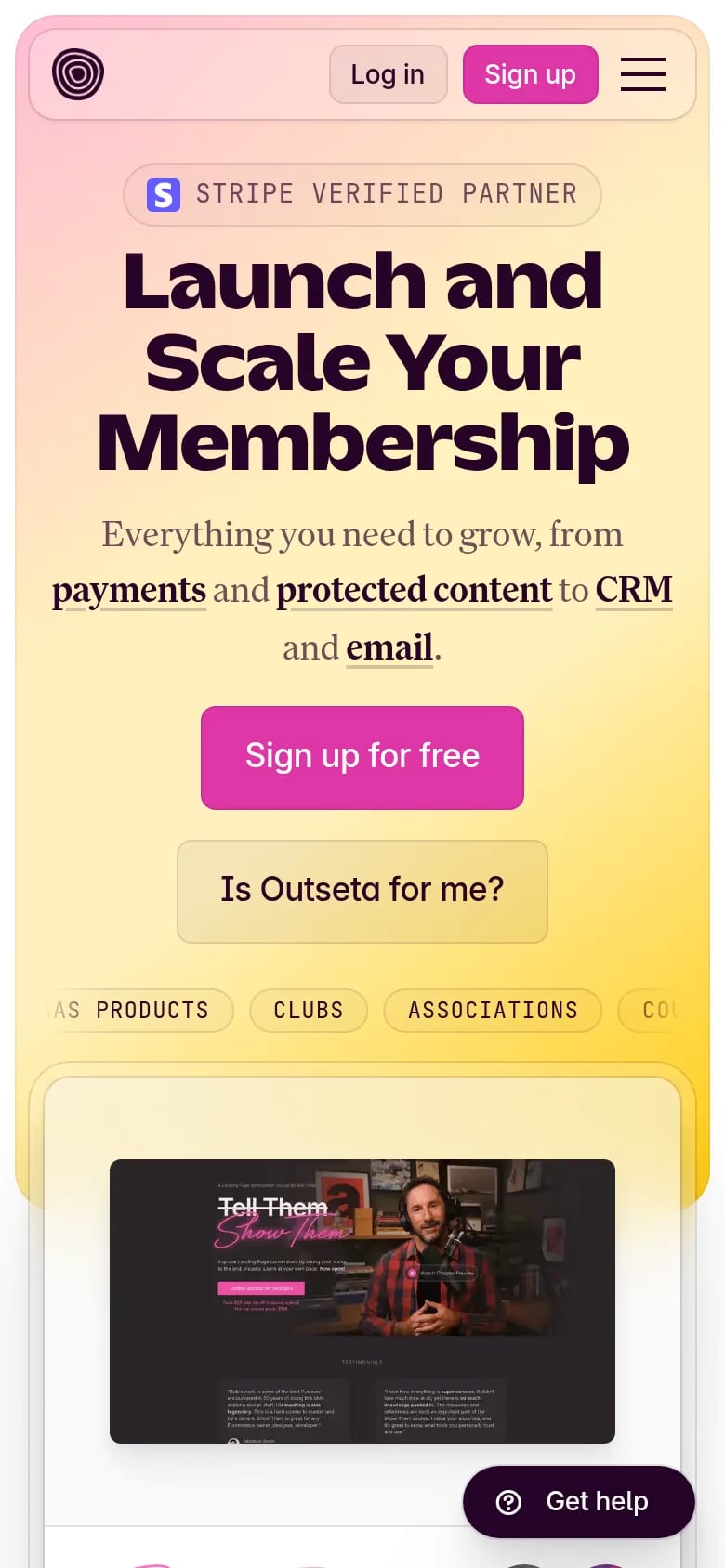
Outseta
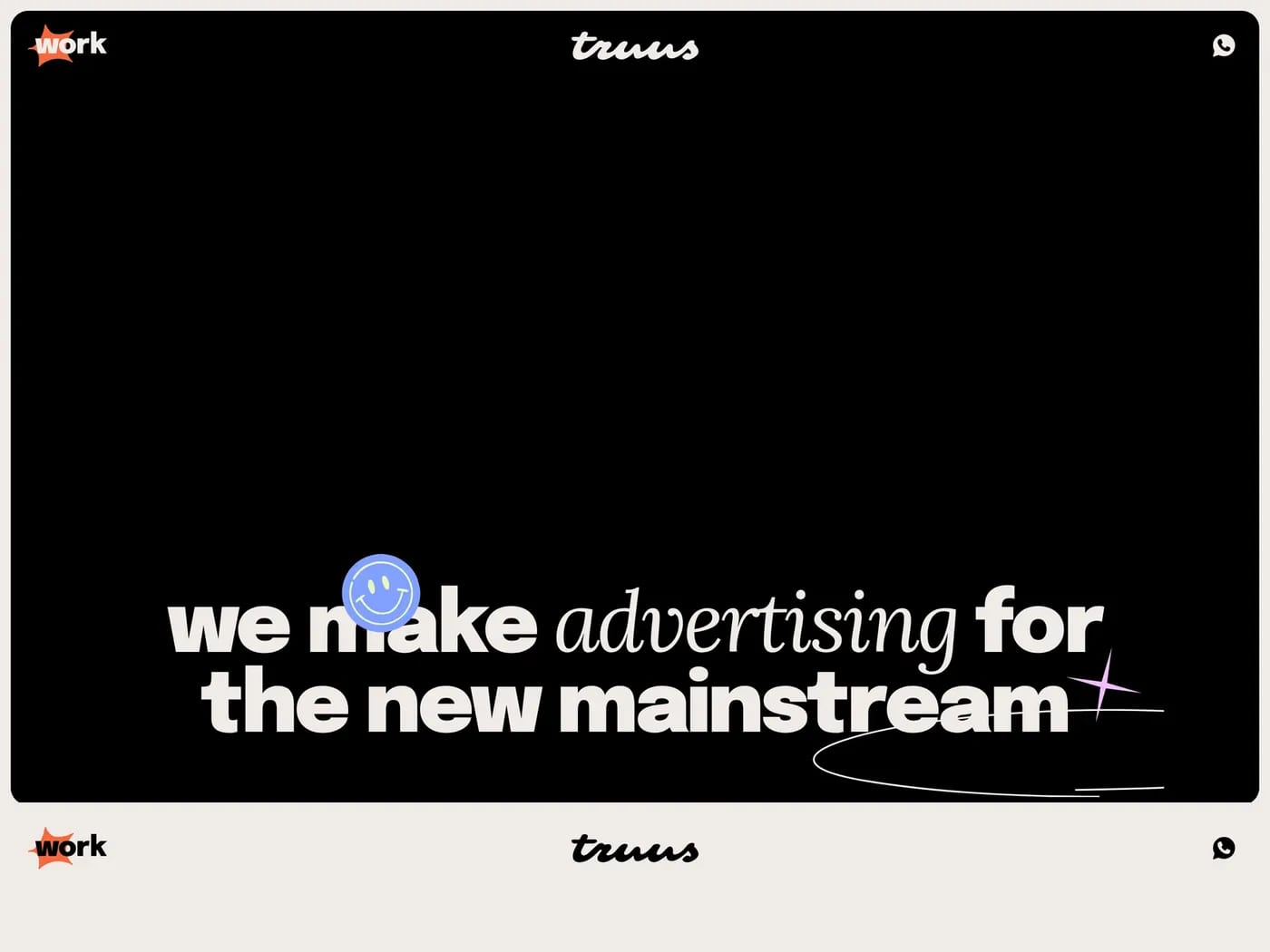
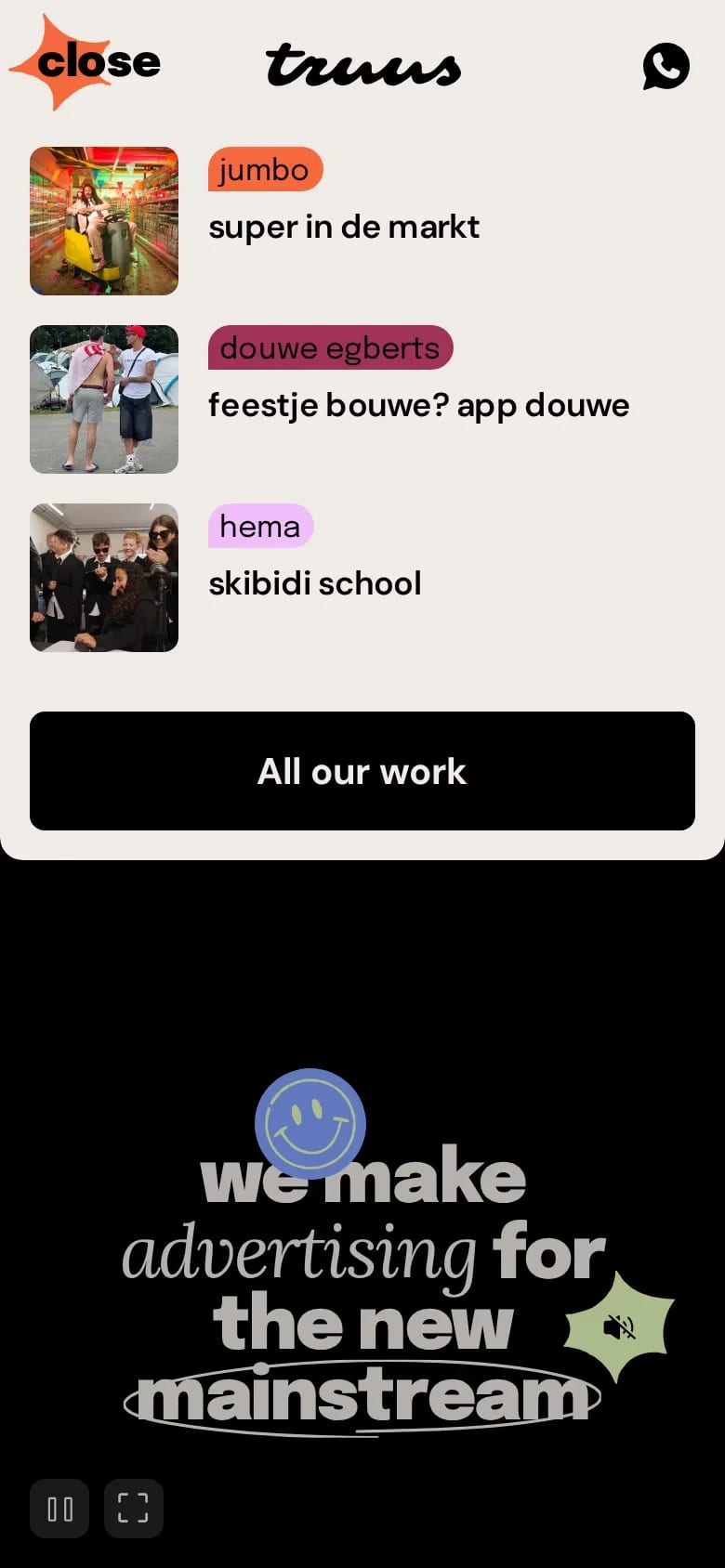
Truus
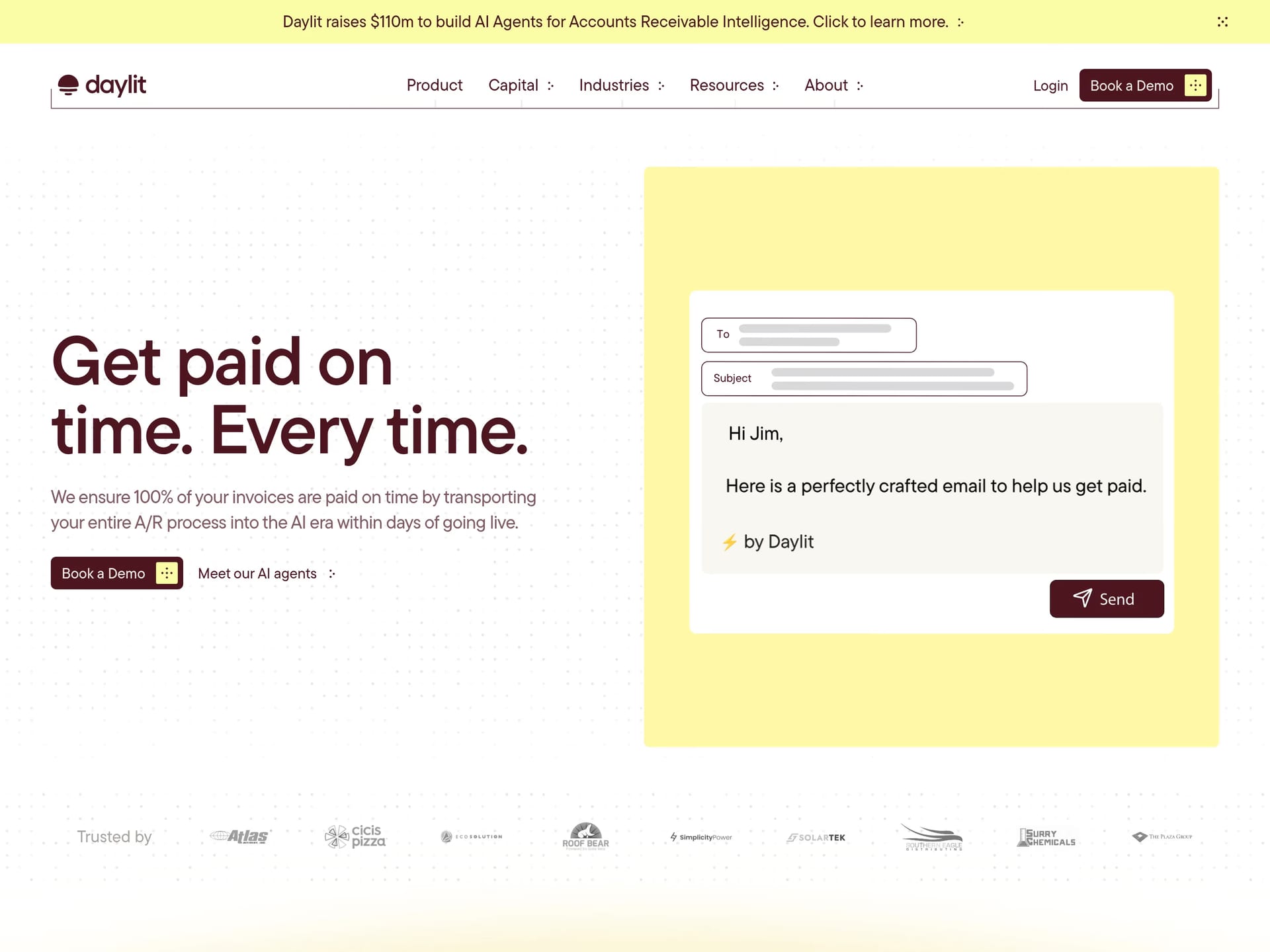
Daylit
Voy
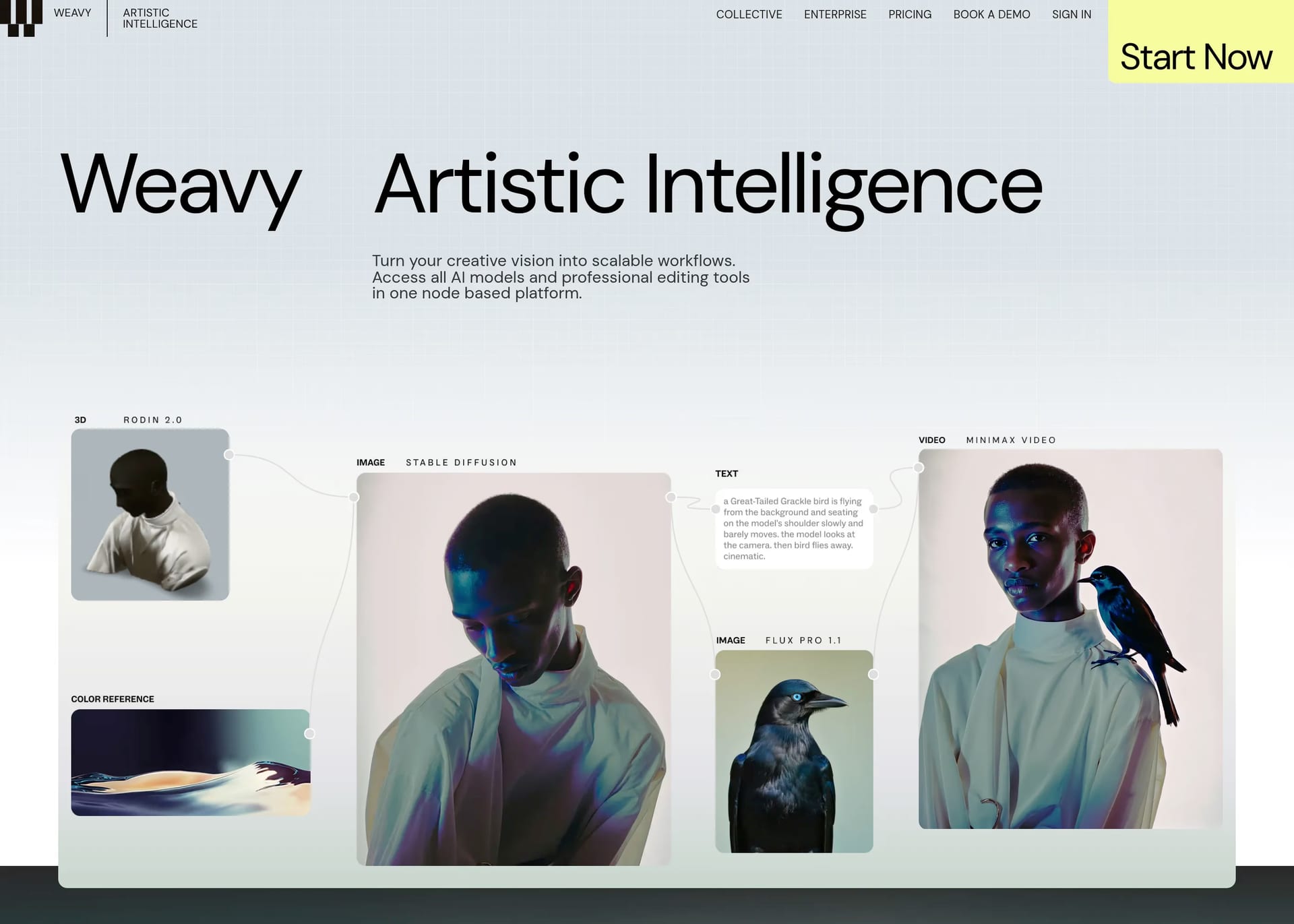
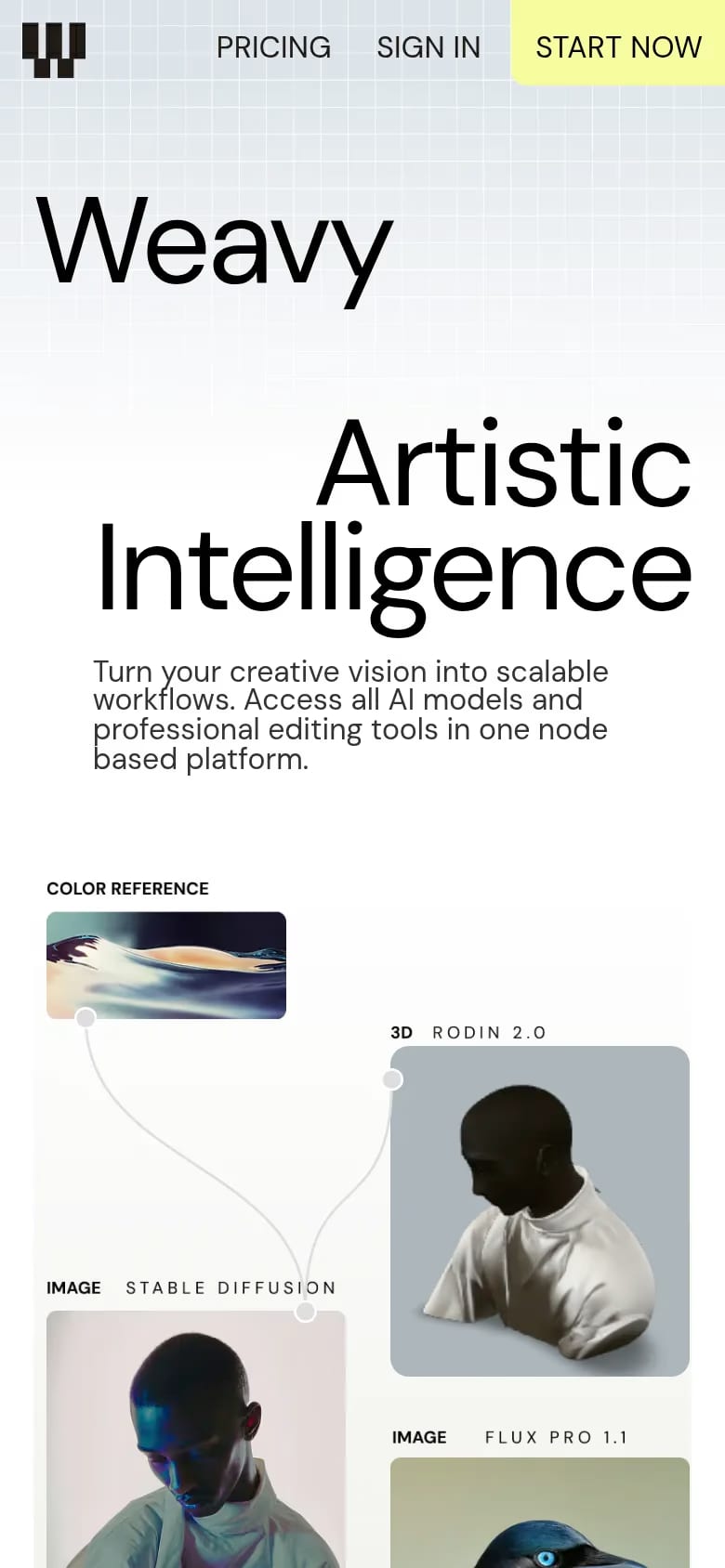
Weavy
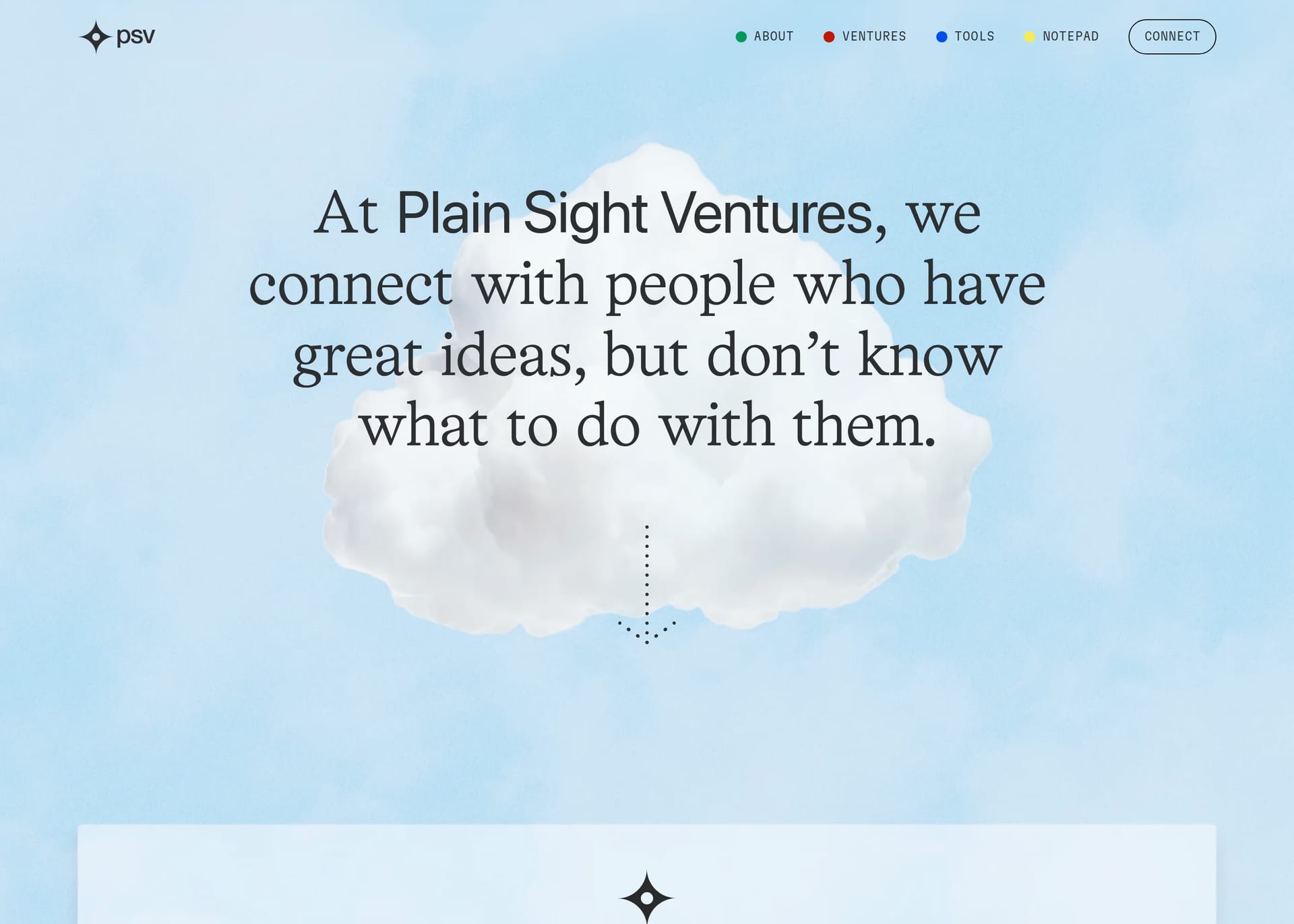

Plain Sight Ventures
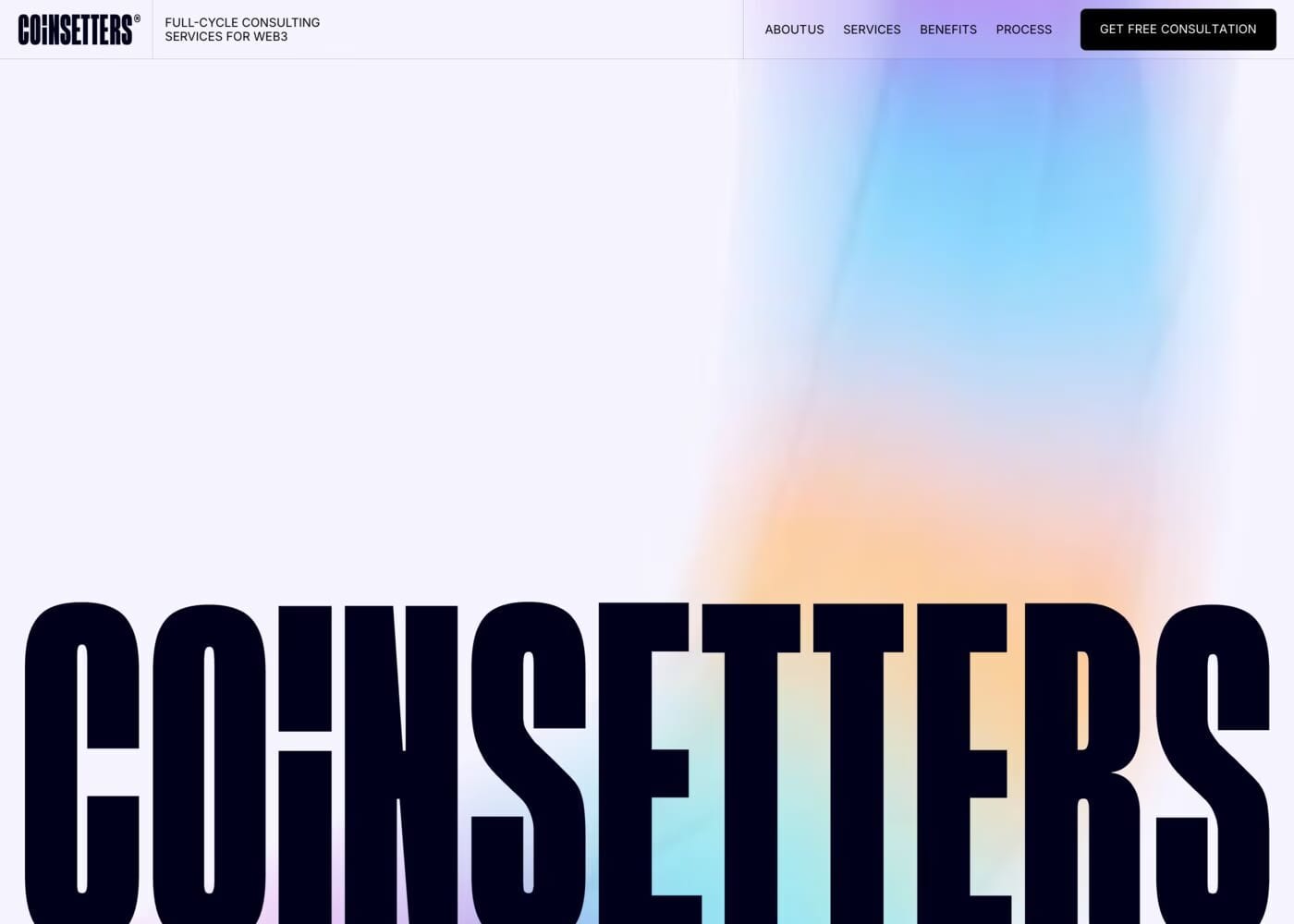
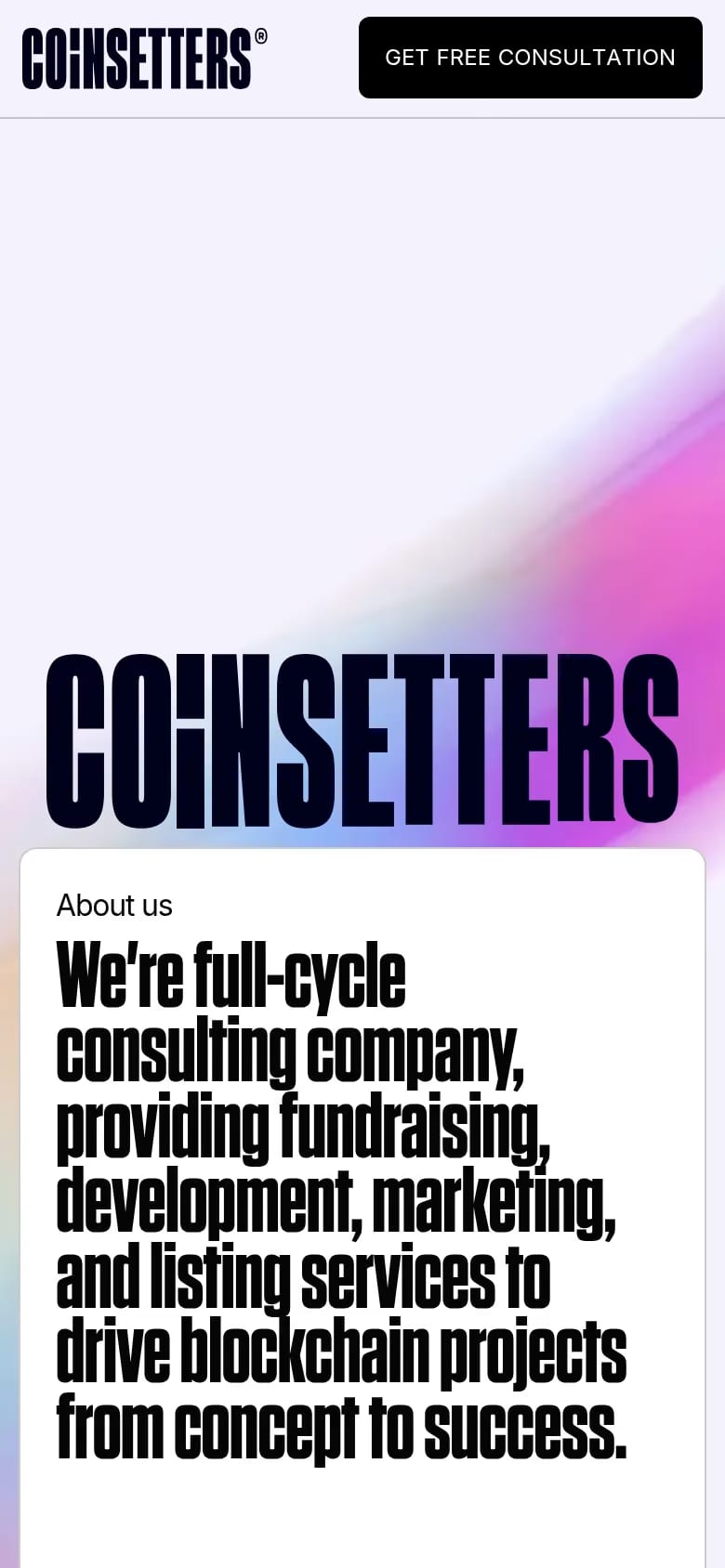
Coinsetters
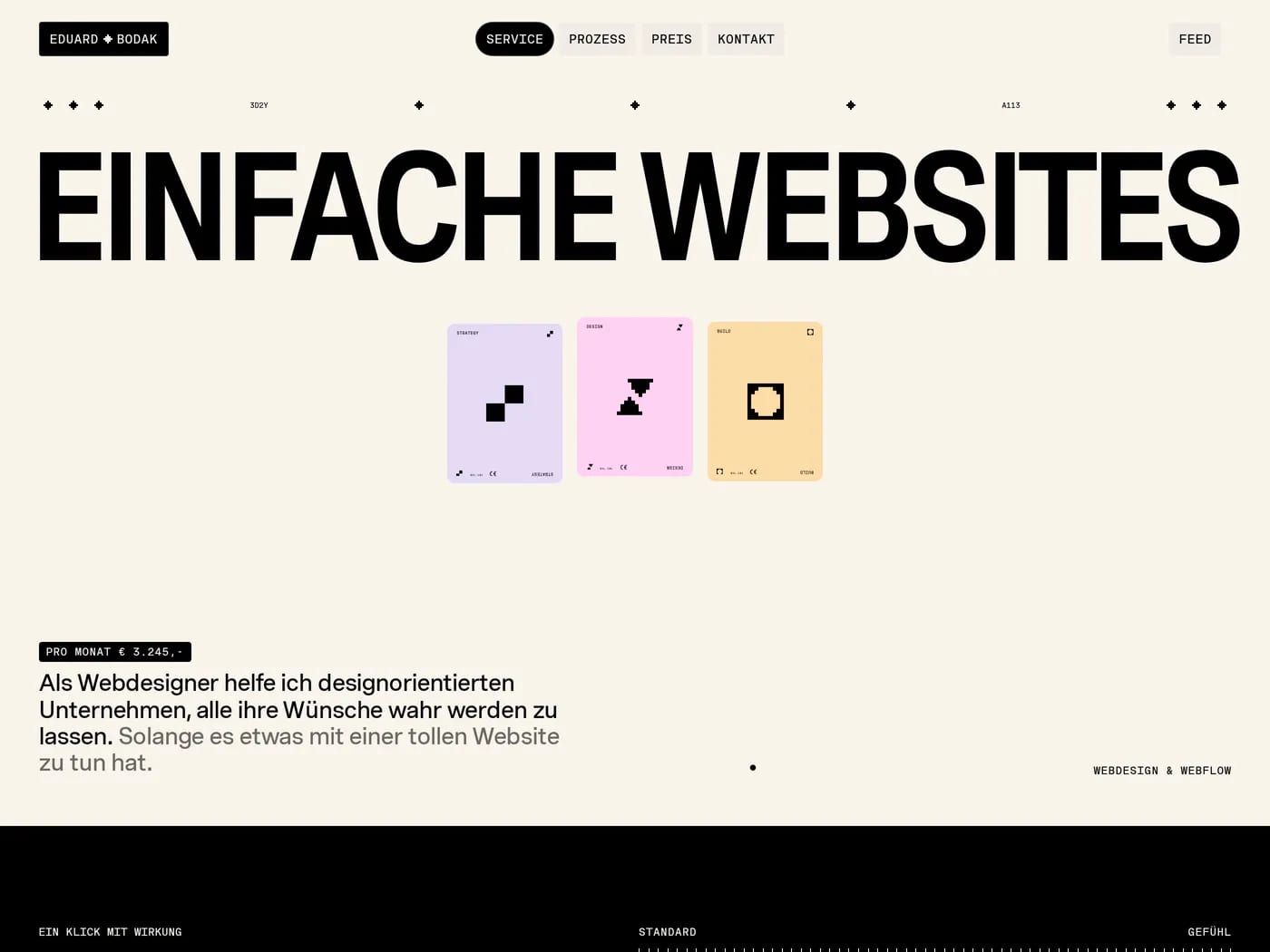

Eduard Bodak
These are just eleven picks from over 200 Webflow sites in the gallery. Browse all Webflow website examples on A1 to find more across every category and style.
Frequently asked questions
What are the best Webflow website designs in 2026?
Lando Norris's personal site is the most technically ambitious — the helmet carousel uses clip-path masking and 3D hover effects that most dedicated design studios would be satisfied with. Runway is the most distinctive product site: warm cream and brown shadows on a finance tool, with a live drag timeline that makes the product pitch before the copy does. Outseta is the most interesting risk — five typefaces including handwriting on a B2B product — and it works because the choices feel like a personality rather than an accident.
What kinds of websites is Webflow best suited for?
Studio and agency sites, brand landing pages, marketing sites for software products, and portfolios. Webflow's visual layout system gives designers full control over responsive behaviour without writing code, which makes it the preferred tool for work where visual precision matters. It's less suited to complex application interfaces — anything with significant user state, authentication, or dynamic data that goes beyond CMS entries usually needs a different approach.
Can Webflow match the design quality of custom-coded sites?
For marketing and brand sites, the gap is essentially closed. Lando Norris and Runway demonstrate interactions that are technically comparable to custom-coded work. Where Webflow still shows its limits is in highly bespoke interactions — complex physics-based animation, deep integration with application state, or anything requiring WebGL. But for the majority of brand and marketing work, the platform constraint isn't the limiting factor.