The best Next.js websites of 2026

Most Next.js sites look like their framework — predictable layouts, component libraries doing the heavy lifting. These eighteen don't. They share infrastructure; they don't share a sensibility. From a code editor with a commissioned typeface to a billing platform that reads like a financial publication, these are the Next.js builds worth studying.

Bryn TaylorBryn Taylor·21 March 2026
Screenshot from The best Next.js websites of 2026

The deeper reason Next.js produces so many design-quality sites isn't its performance characteristics — it's cultural. The best frontend engineers gravitated toward it early, and where the engineers go, the design follows. These eighteen span AI tools, developer infrastructure, software products, and creative portfolios — all built on Next.js, all worth studying for different reasons.
LinearLinear mobile

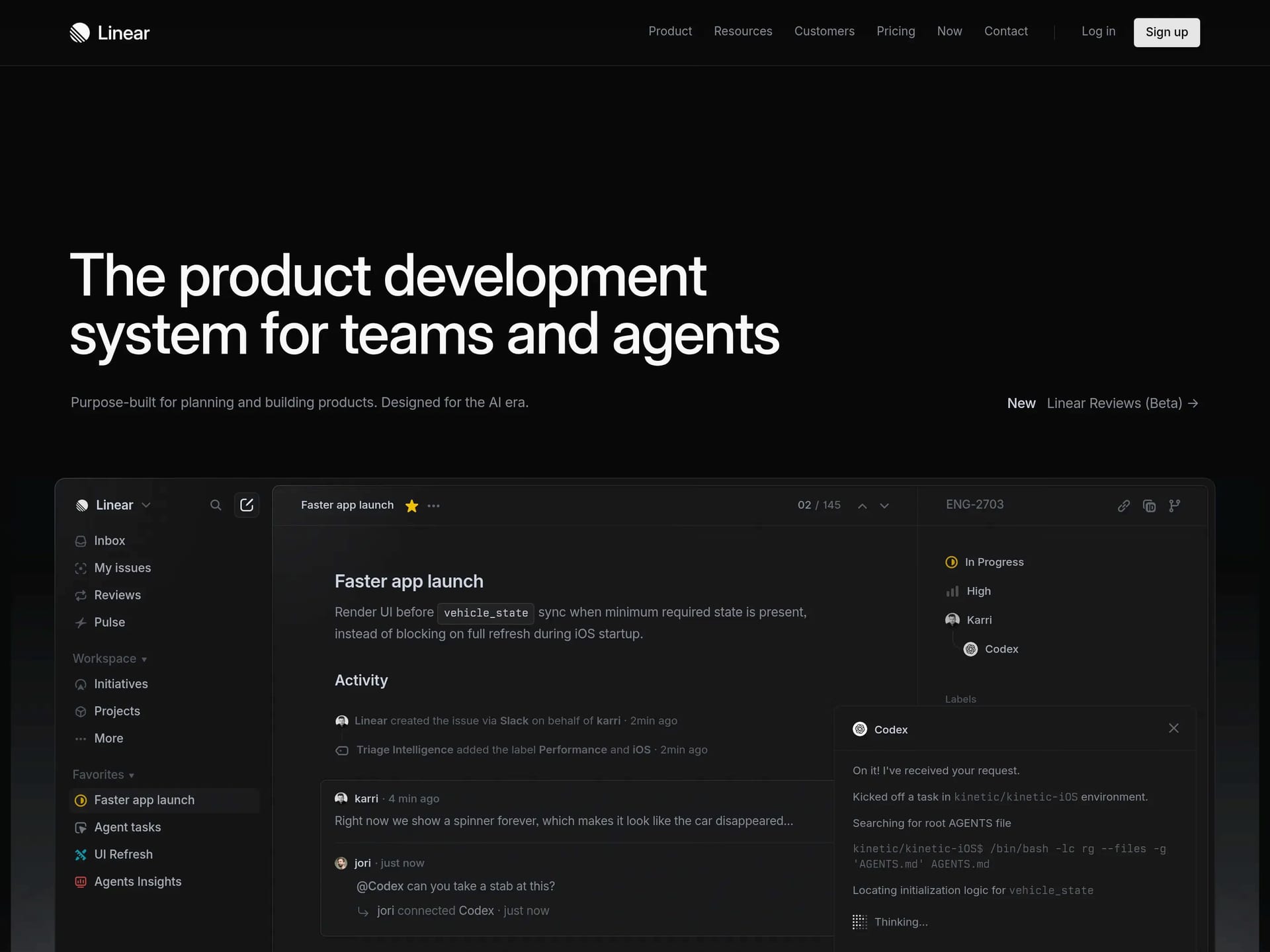
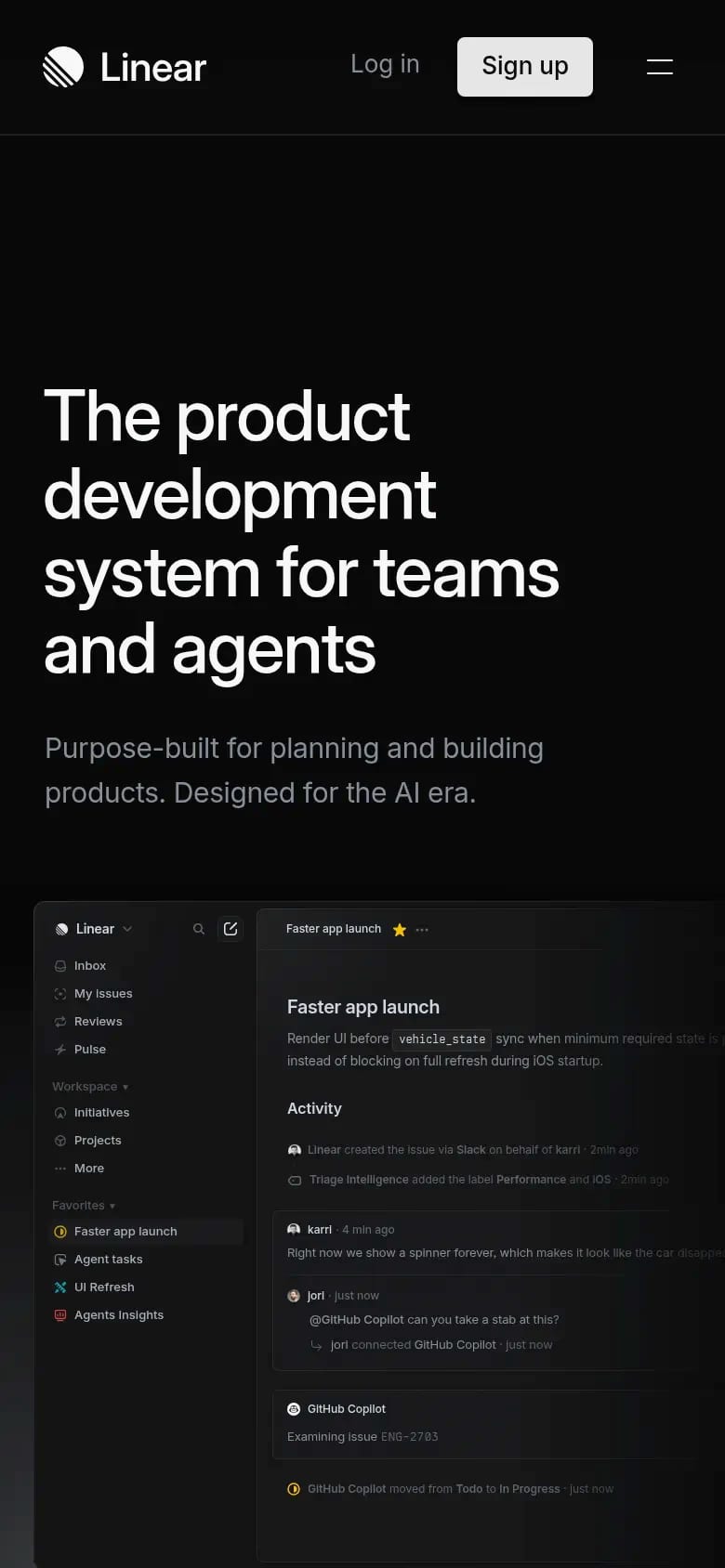
Linear

The product UI is rendered with unusually high craft — crisp interactive demos that show the actual interface rather than stylised approximations. Isometric line illustrations break up sections with a precision that matches the product. The typographic layouts are tighter and more considered than most tools in this space. Worth noting: the isometric illustration and demo card layout Linear established has been copied widely enough that it now reads as a category aesthetic. Linear's version still reads like the original.
CursorCursor mobile

Cursor

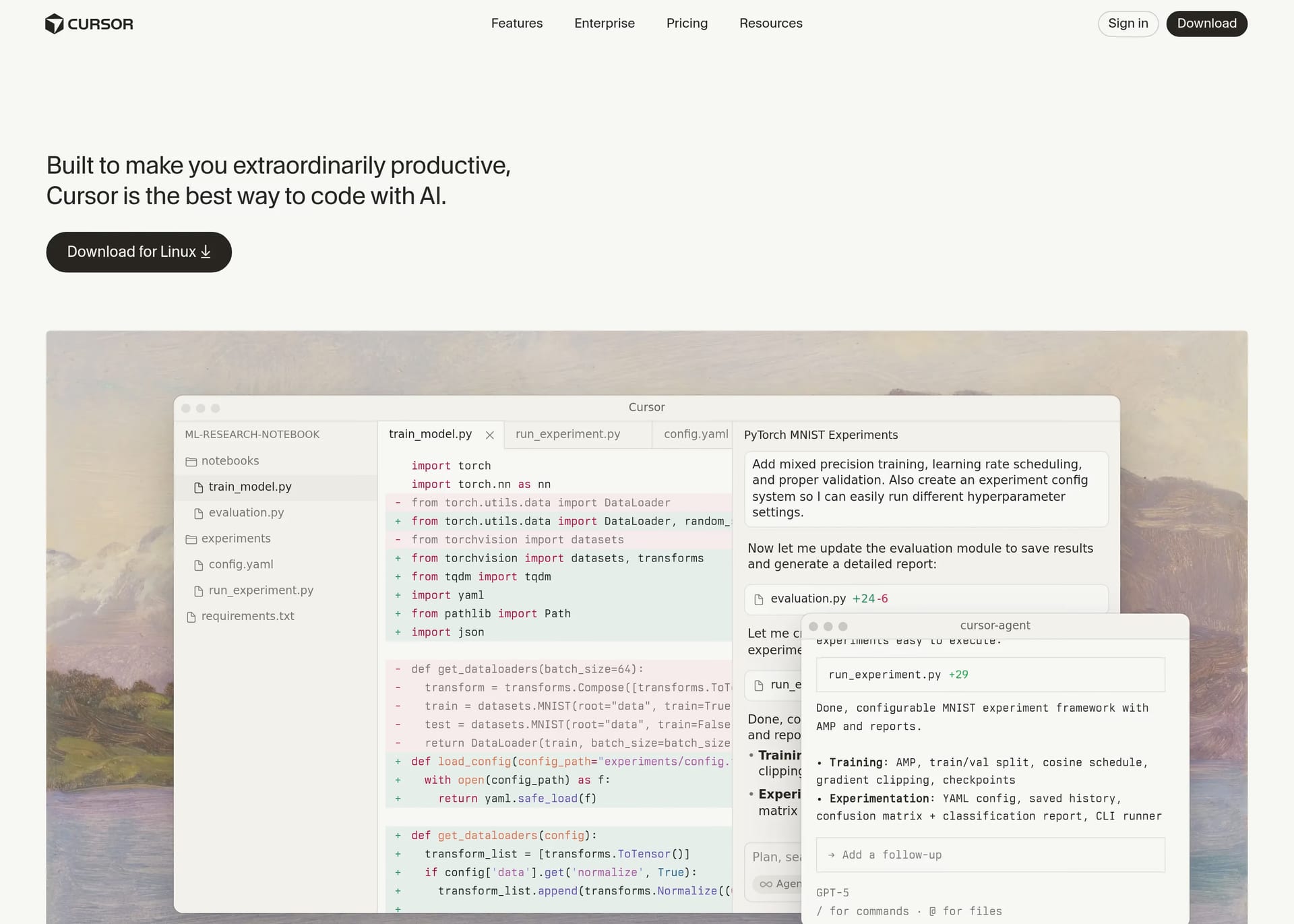
Off-white in light mode, near-black in dark — both with a warmth that reads closer to aged paper than a terminal screen. CursorGothic is a proprietary typeface commissioned specifically for a code editor, representing a level of brand conviction you don't usually see at that stage of a company. The warmth extends to the copywriting, which manages to feel human in a category that defaults to clinical.
LovartLovart mobile

Lovart

The hero is a configurator — you pick what you're designing and who for before you've seen a single feature. The pitch is the product itself, not a promise of it. Three accent colours (green, cyan, and hot pink) somehow stay coherent, and a display serif running alongside the neons gives the whole thing an editorial quality most AI tools wouldn't risk. The typography does more repositioning work than the product copy does.
StripeStripe mobile

Stripe

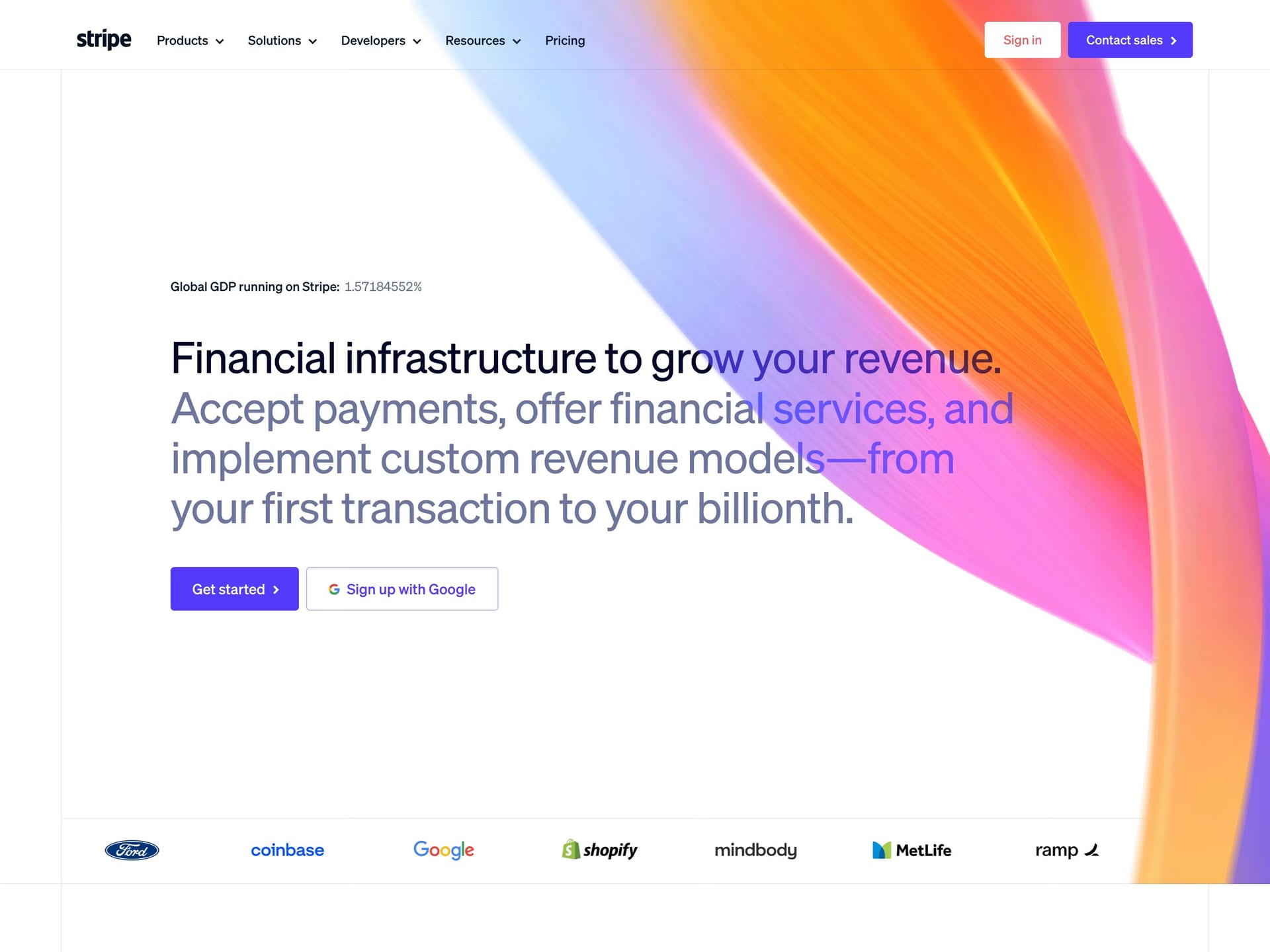
Something that took me a while to place: the diagonal runs through everything. The wave in the hero, the parallelogram crops on customer photos, the logo itself. A brand constraint applied that consistently is genuinely satisfying to find. The Söhne typeface is doing a lot too, giving it a magazine quality most payments companies reach for blue gradients instead of. The question I always have with Stripe: does a site this polished serve the product or the company's reputation? Probably both.
NeonNeon mobile

Neon

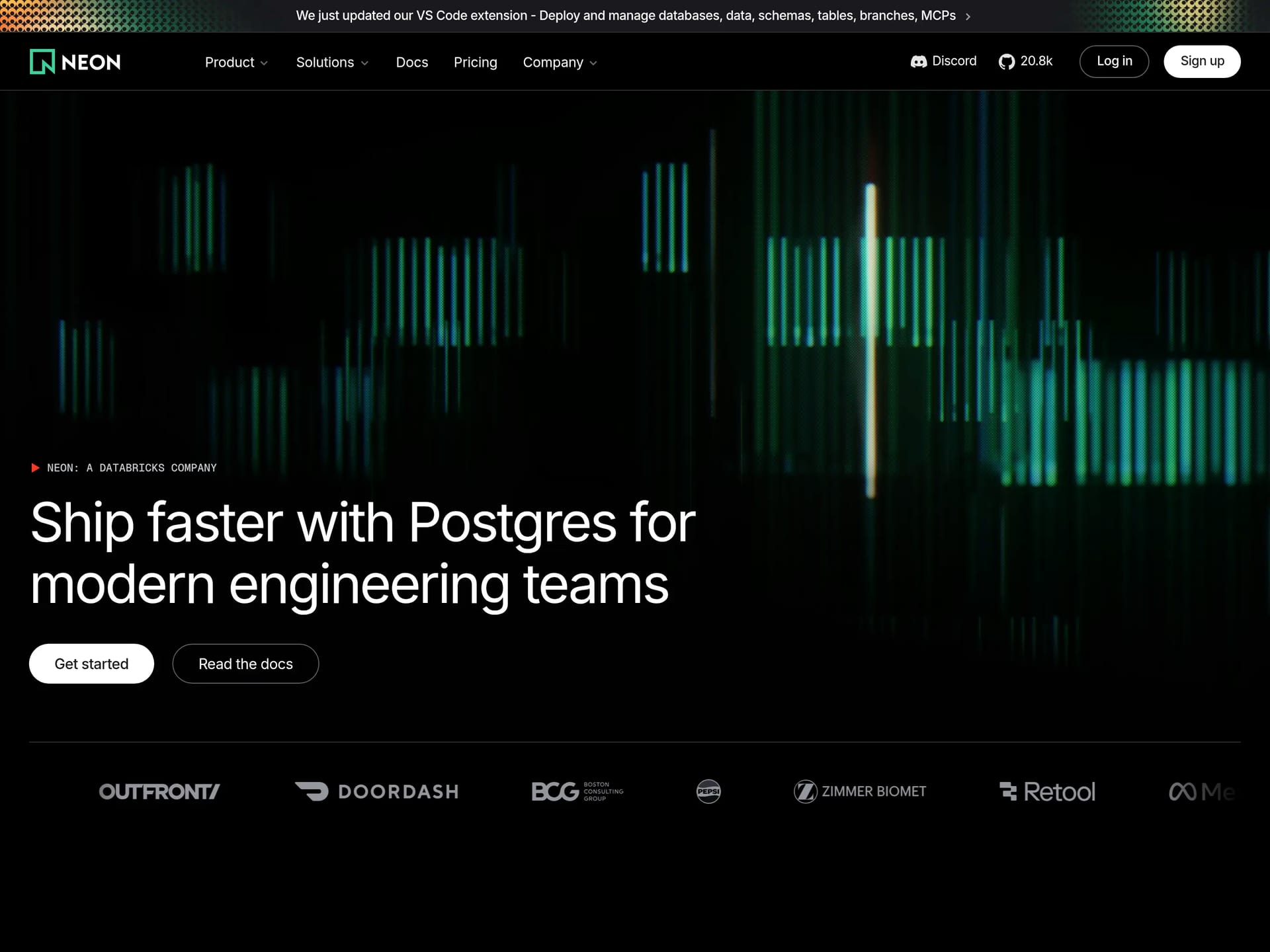
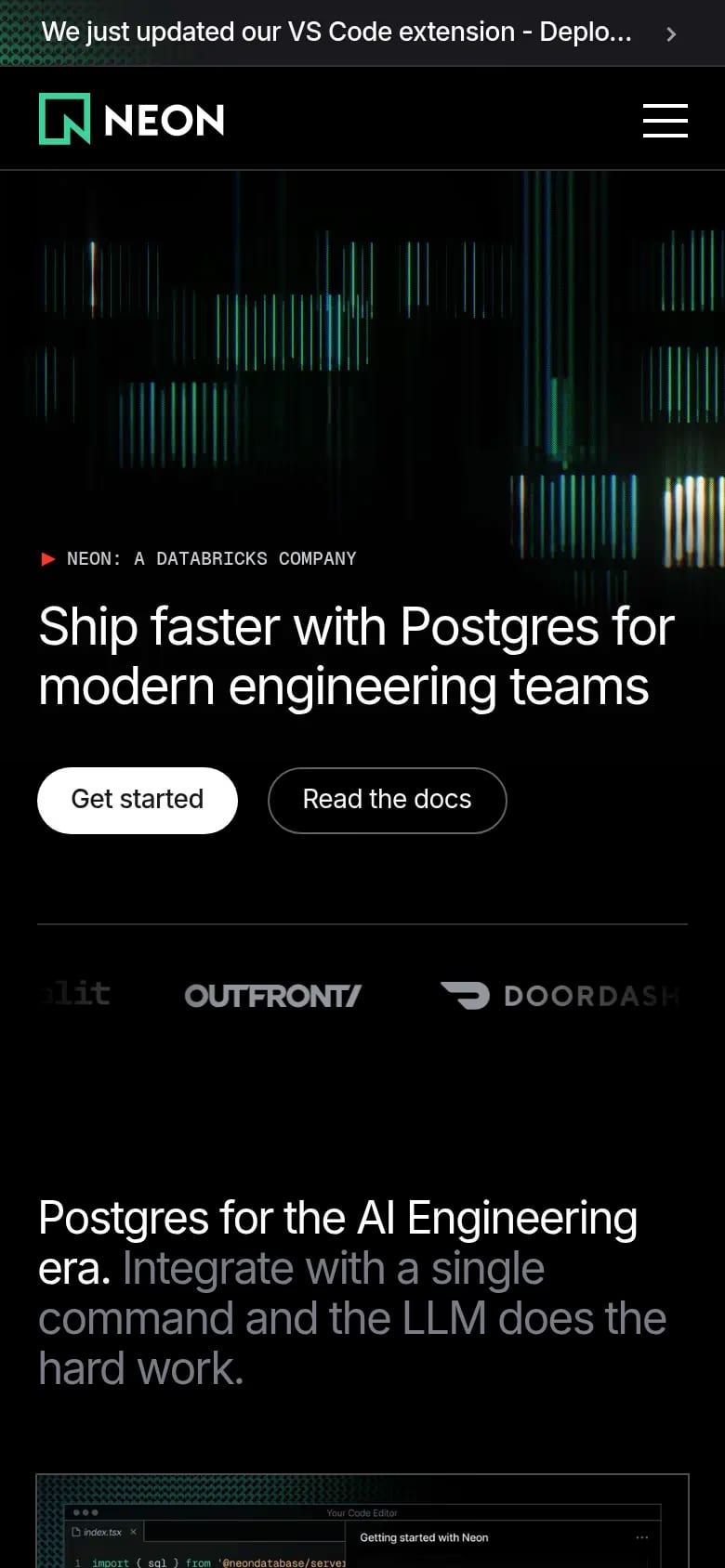
Leading with a live-feeling metric — "54,210 performance degradations prevented daily" — rather than a schema diagram is a smarter pitch to the unconvinced than most database tools bother making. The green against near-black is doing double duty: looks like a monitor in a dark server room, and it literally reads as the product name.
EvervaultEvervault mobile

Evervault

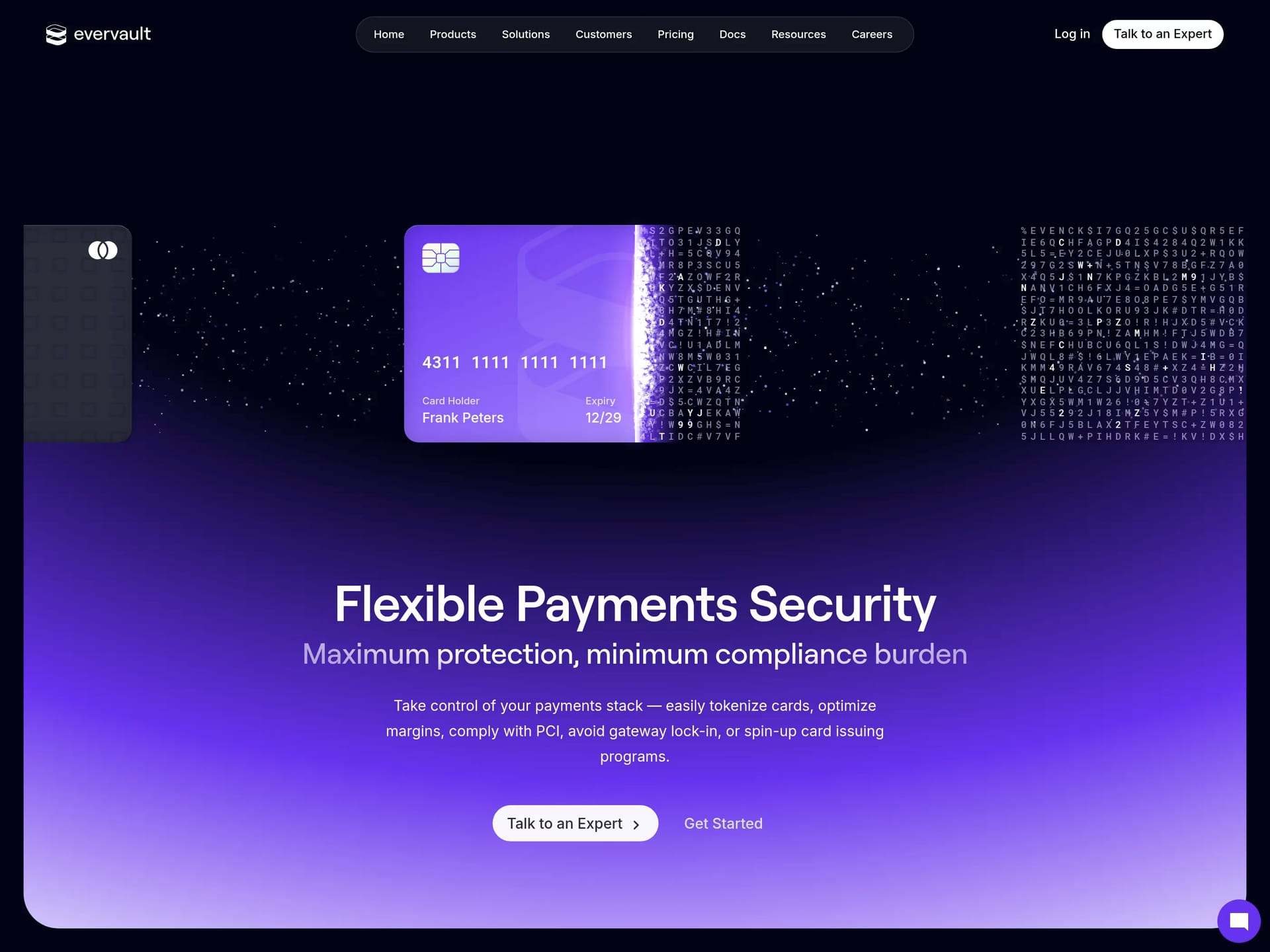
Stacked payment cards — cardholder names, partial numbers visible — as the hero visual for a data security company. Using the actual subject matter as the art rather than abstract lock icons and compliance language is an unusually confident choice. No padlocks, no trust badges in the hero. The subject becomes the visual.
GranolaGranola mobile

Granola

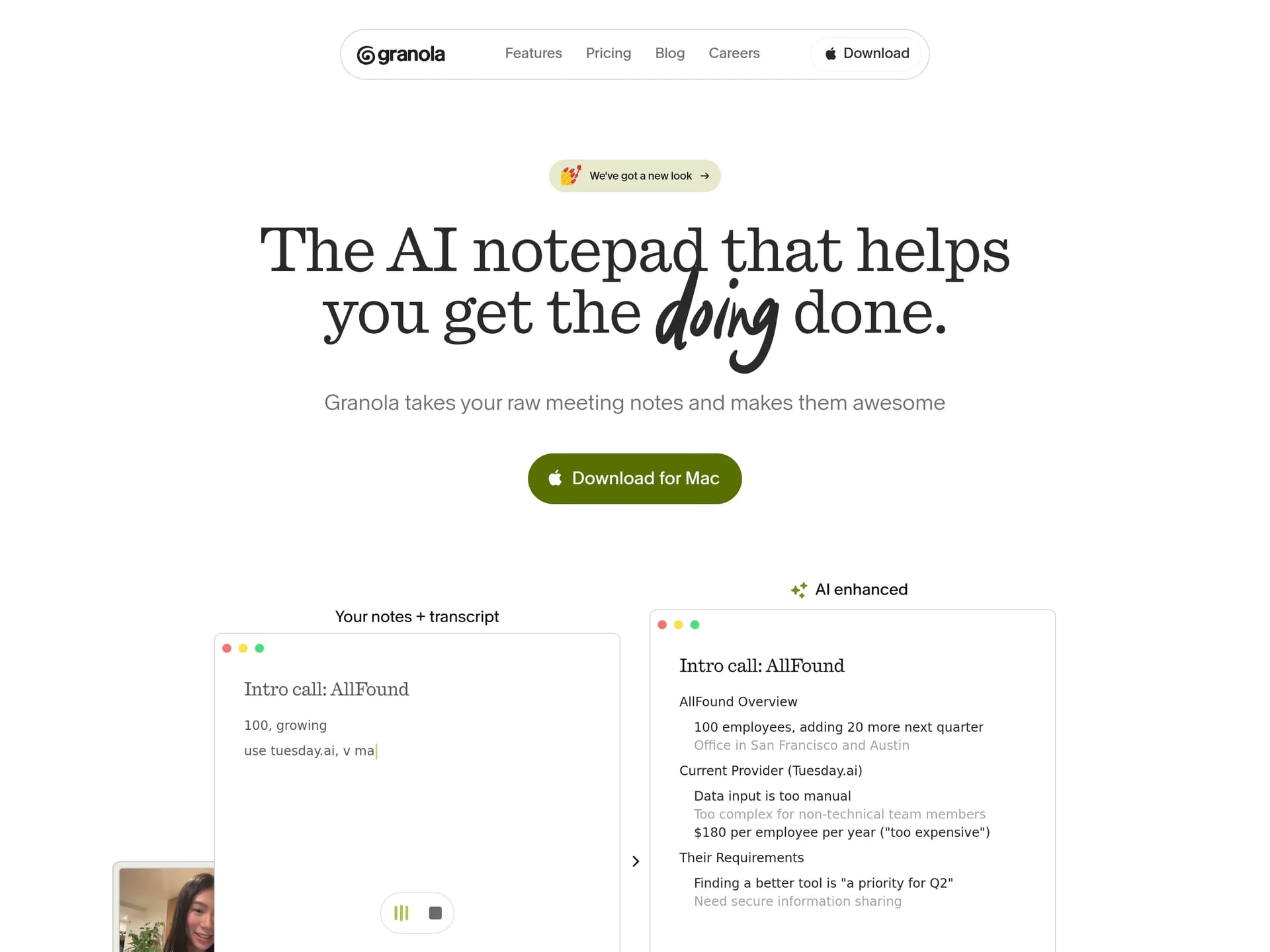
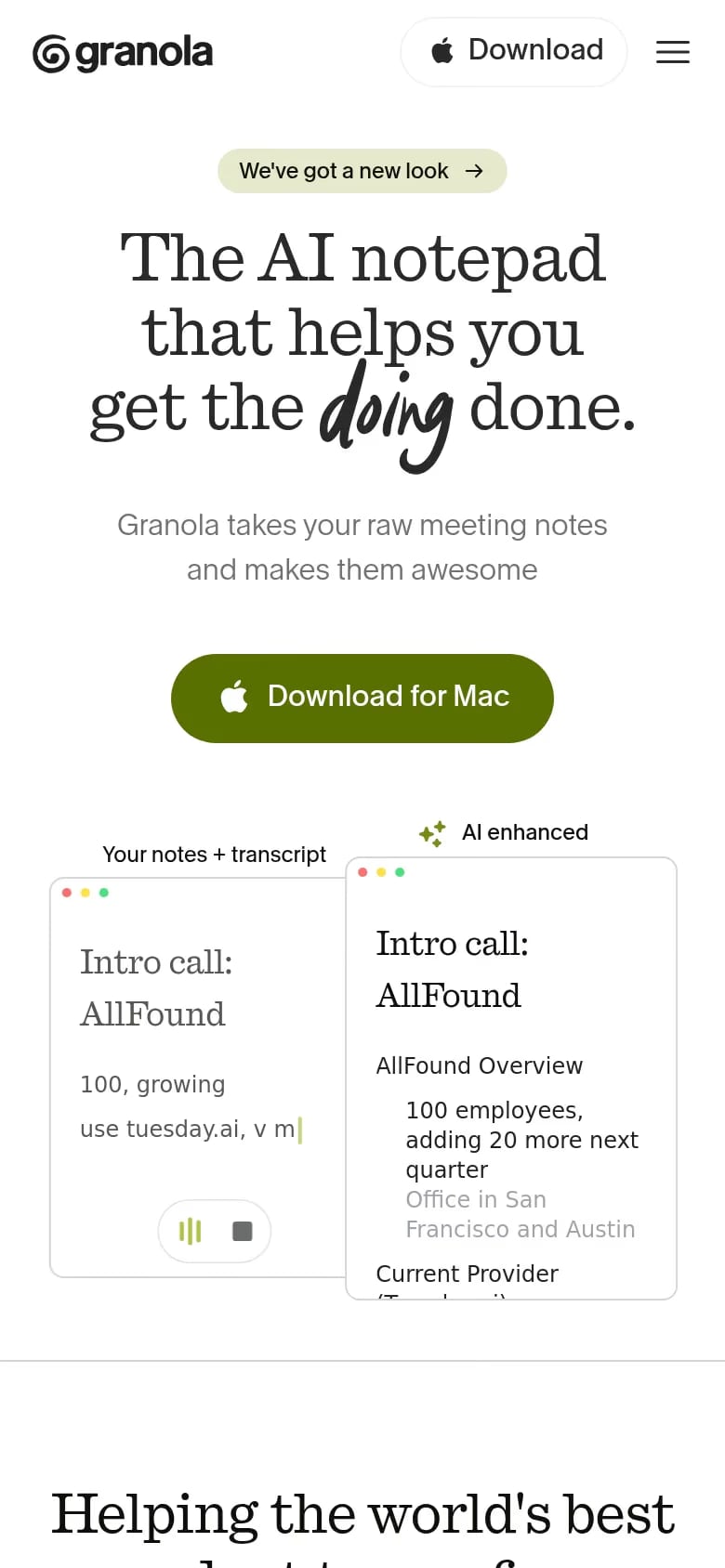
Two marquee strips scroll through the hero in opposite directions — action items as green pill buttons, one track running forward, one back. It gives the page a kinetic energy that holds your attention without making you work for it. Refreshing in the AI tools space, where the aesthetic has converged heavily on clean white and product screenshots.
SeedSeed mobile

Seed

Microscope-scale photography of microbiome samples alongside planetary imagery. The visual logic connects human gut health to environmental scale — the argument is made through the images rather than the copy. The dark palette does real positioning work: it frames Seed as a science company that happens to sell to consumers, rather than the other way around. That distinction is load-bearing for their credibility.
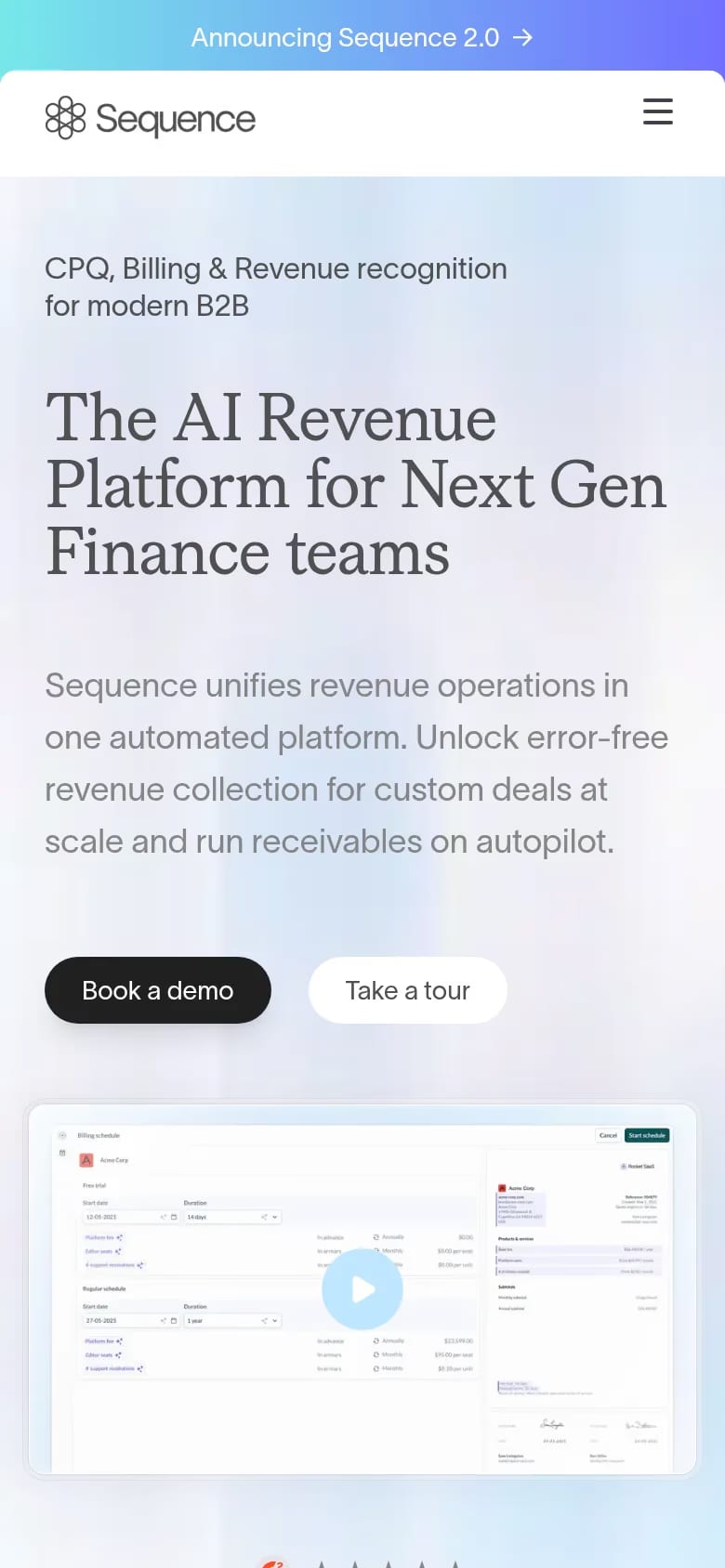
SequenceSequence mobile

Sequence

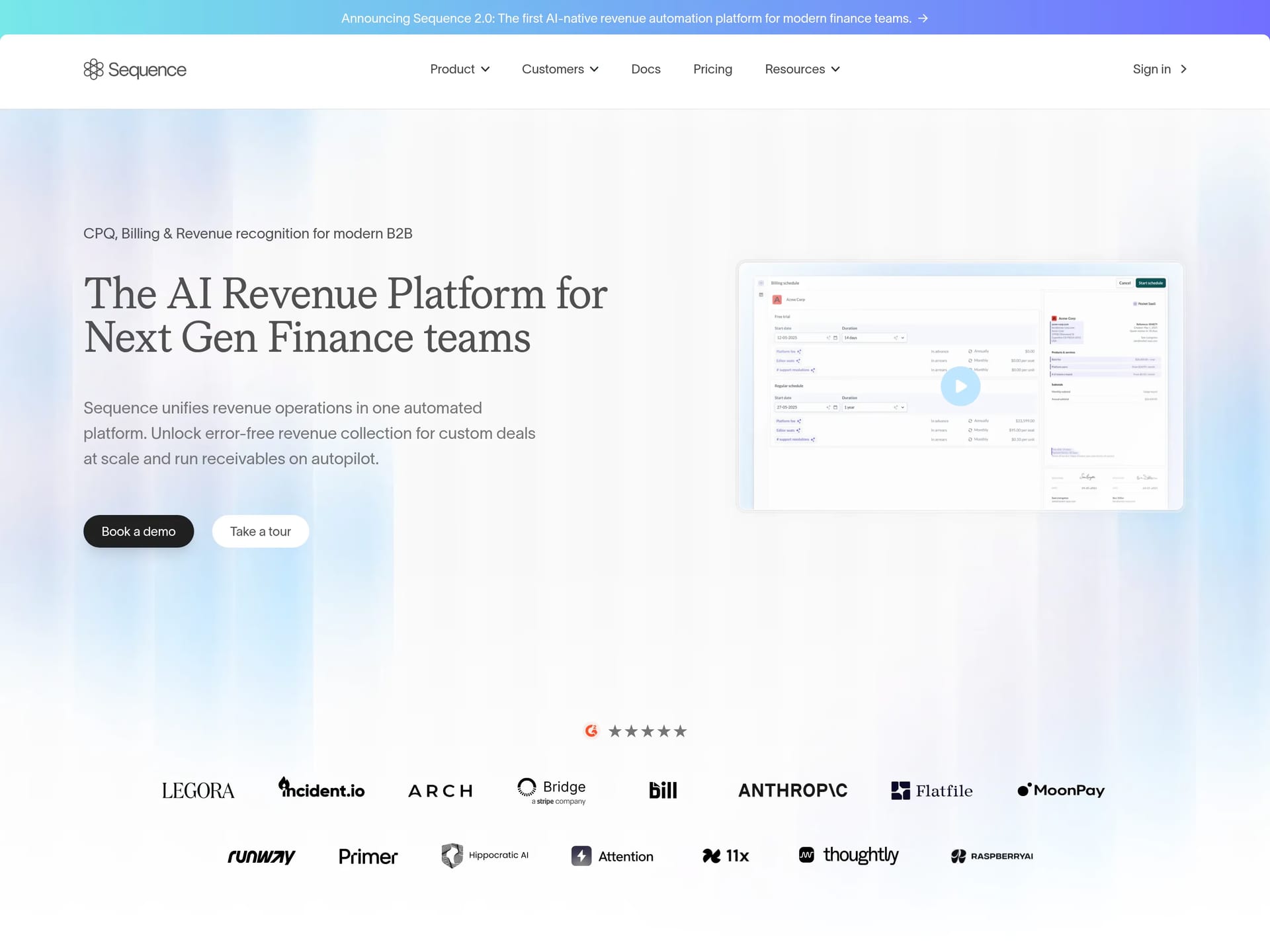
The serif headline treatment is what catches me first — a light editorial font on a billing tool, which you just don't see. The typography alone repositions what the product is. Deep charcoal with a warm orange-red accent, the whole thing reads closer to a financial terminal than a SaaS dashboard.
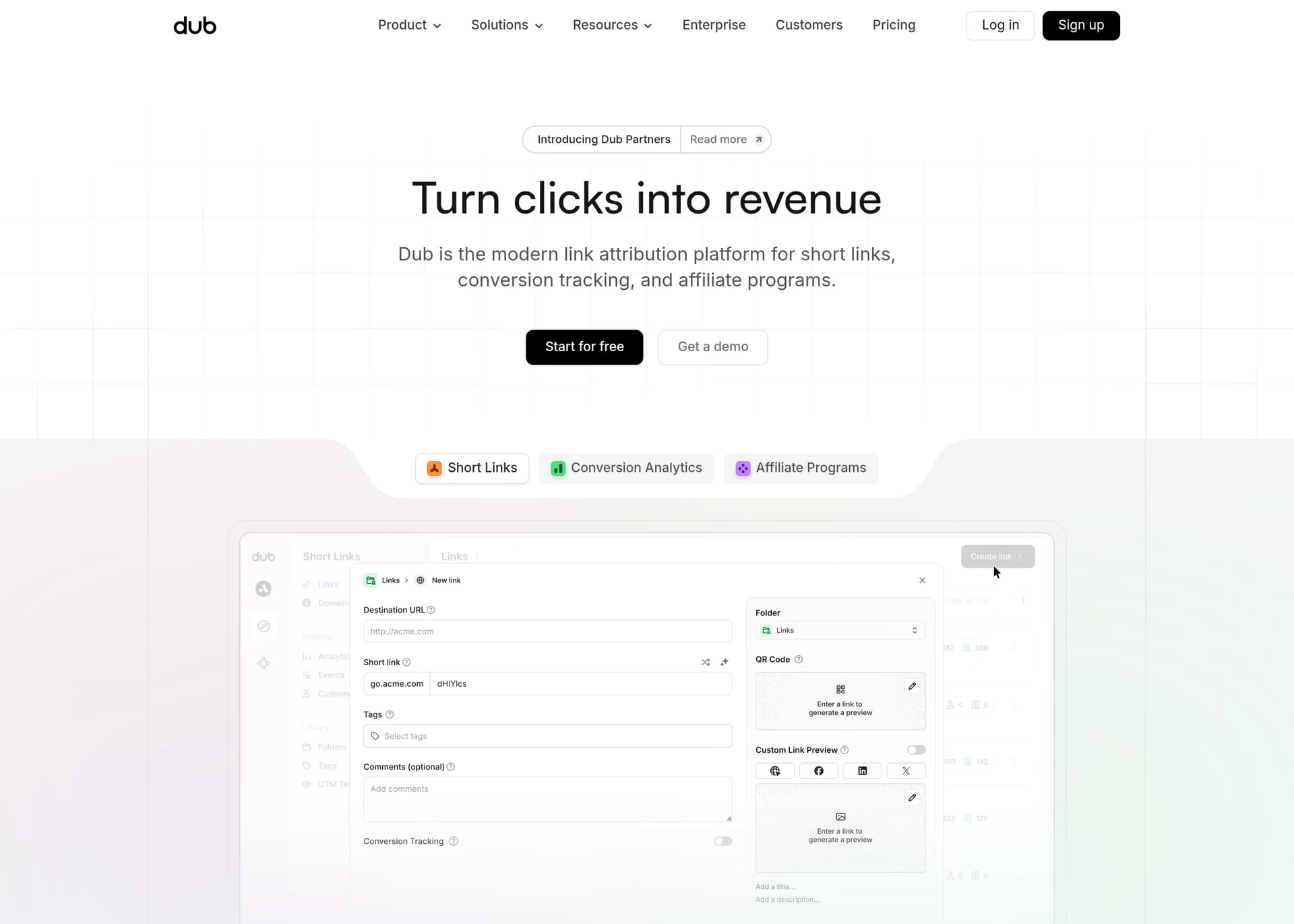
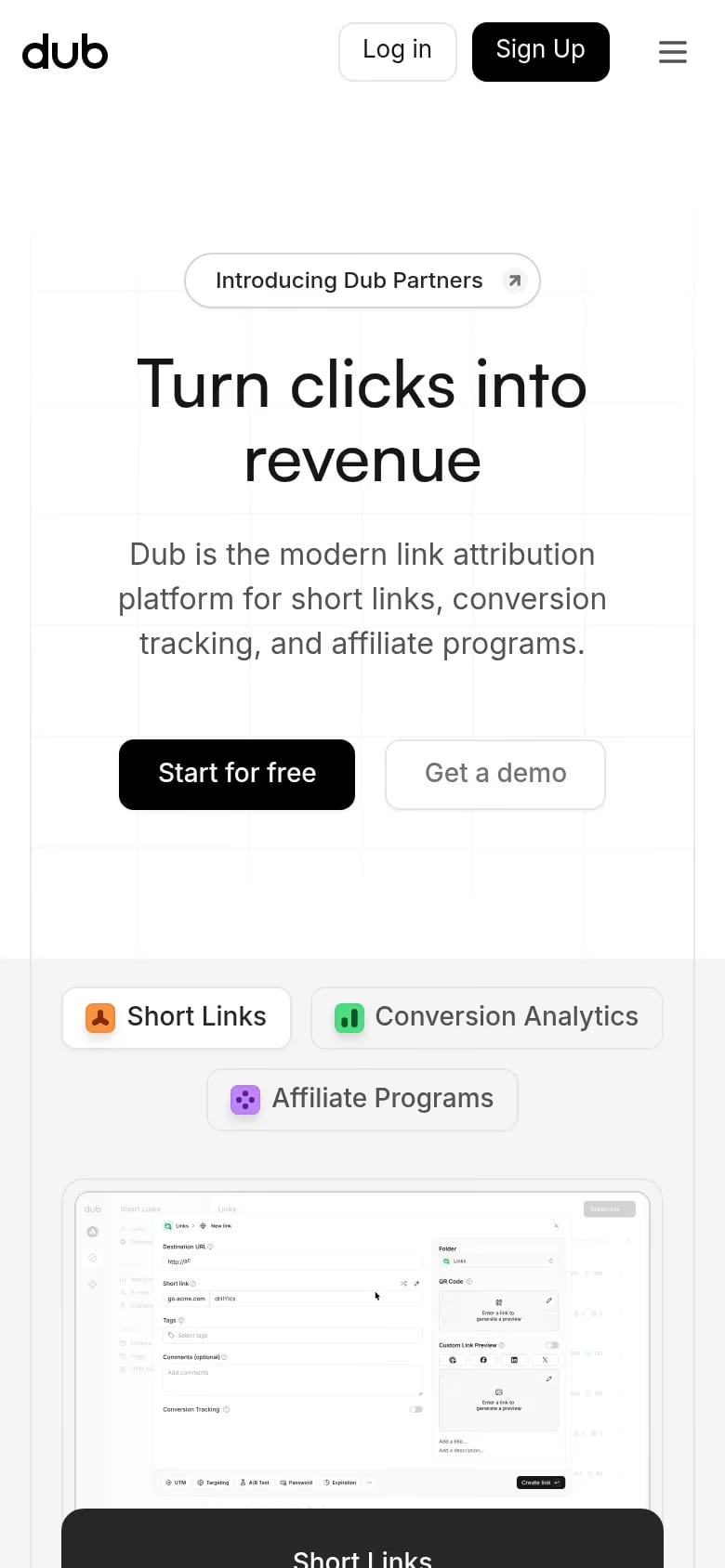
DubDub mobile

Dub

The hero leads with counters — links created, events tracked, revenue attributed — animating as if updating in real time. It makes the scale feel immediate rather than something claimed in copy. The palette is almost entirely white; when the numbers are the story, there's nothing competing with them.
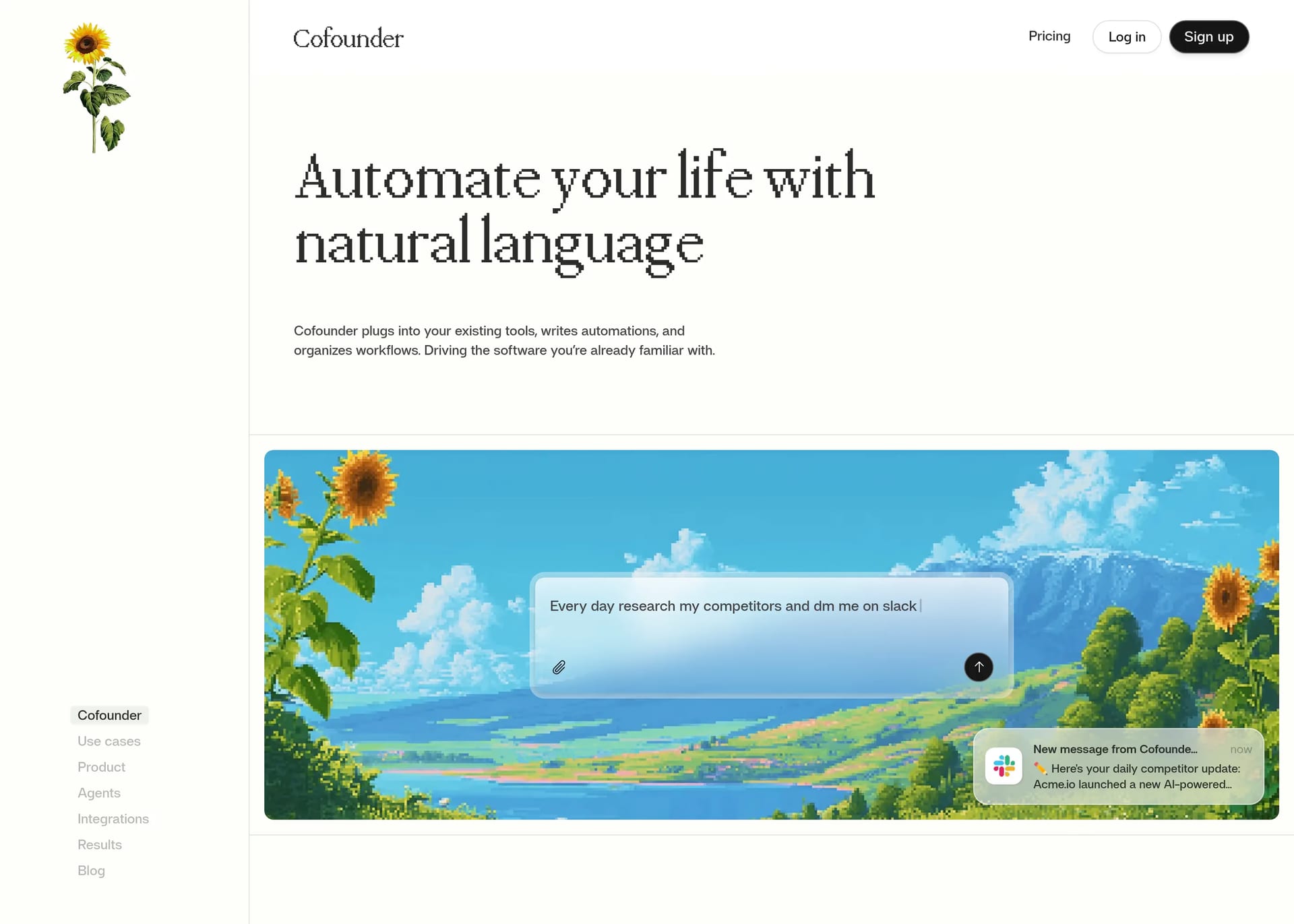
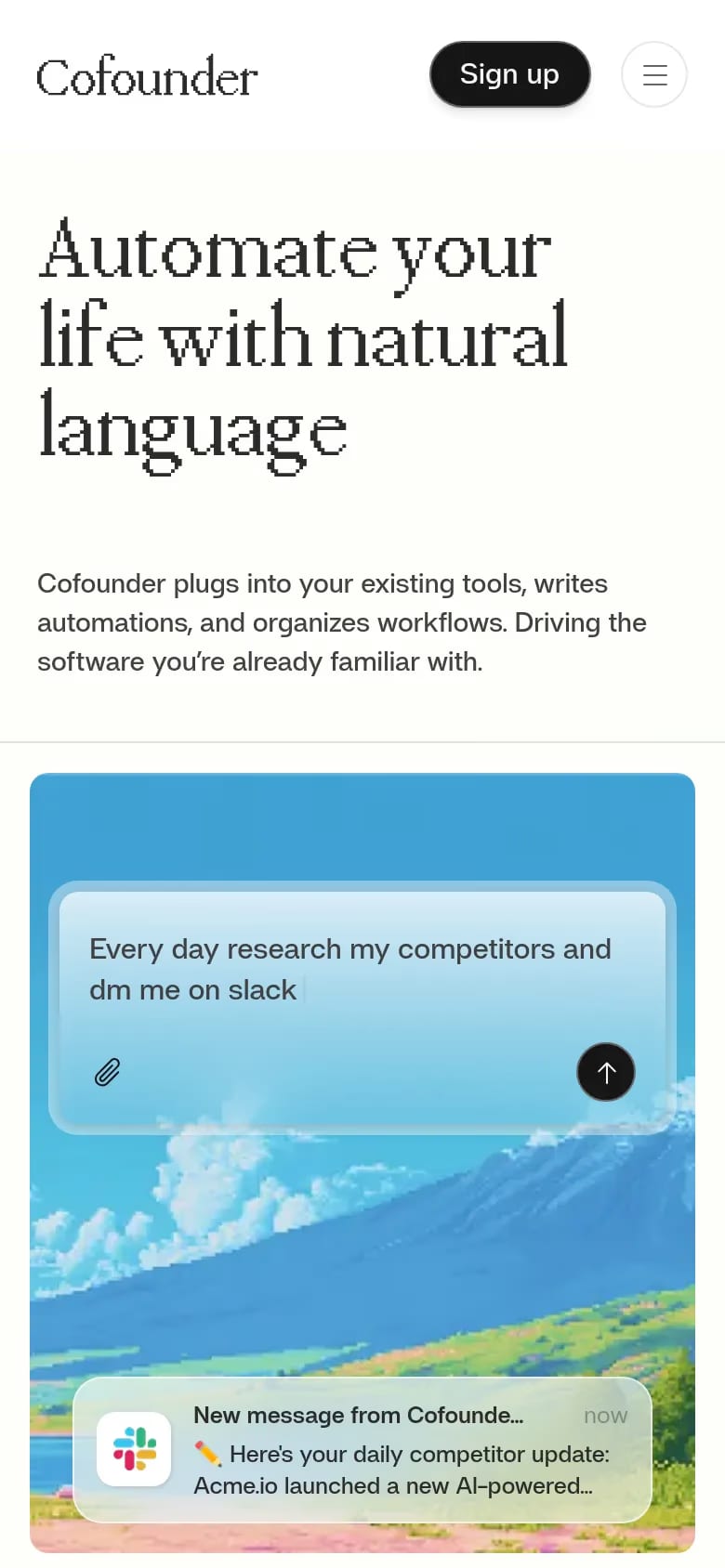
CofounderCofounder mobile

Cofounder

Mondwest is the first thing you notice — geometric, slightly pixelated, kerning disabled intentionally — setting a tone before you've engaged with any of the copy. A genuinely desaturated palette throughout, no accent colour pulling focus anywhere. It reads like something built by people confident enough not to reach for the obvious signals.
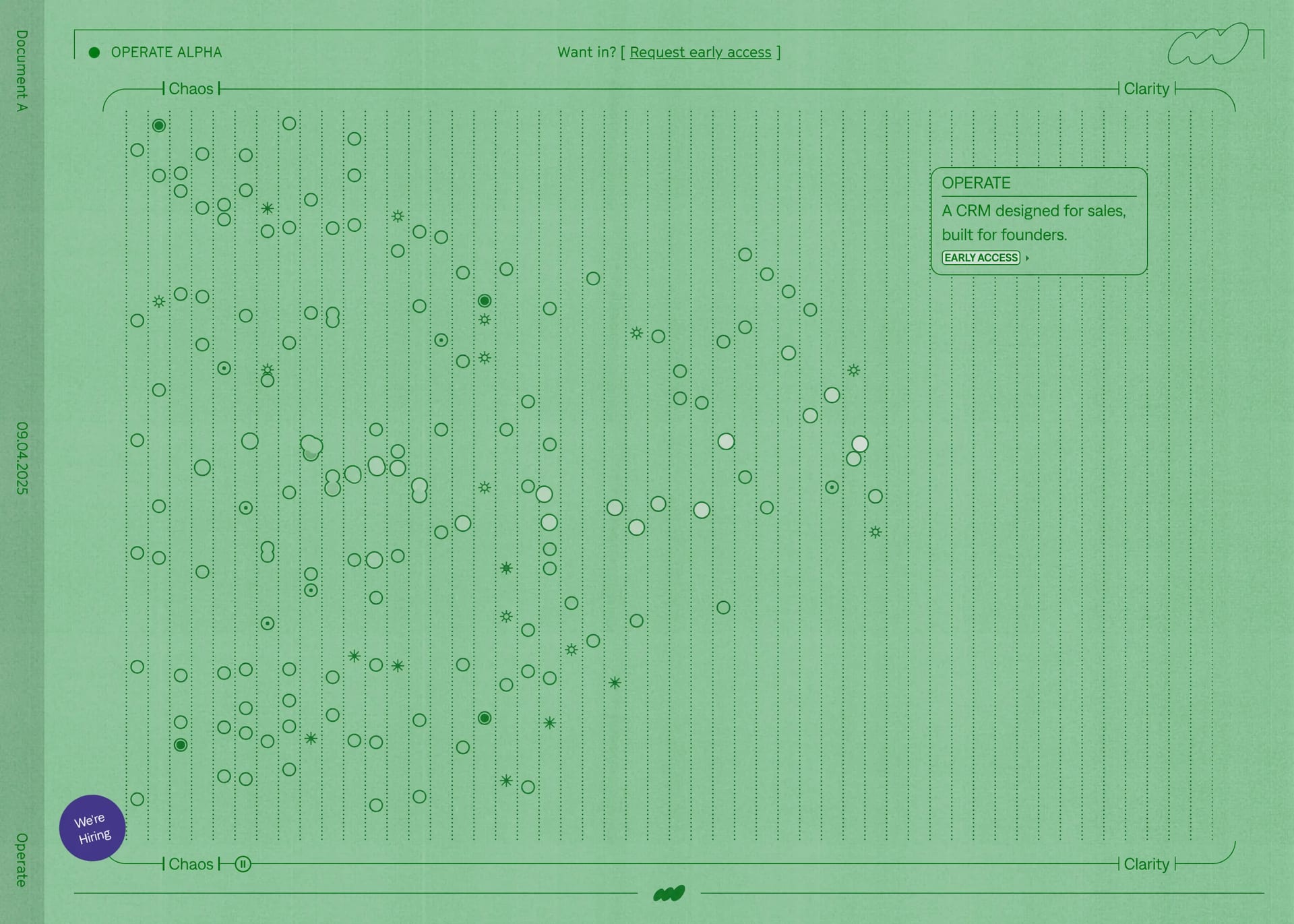
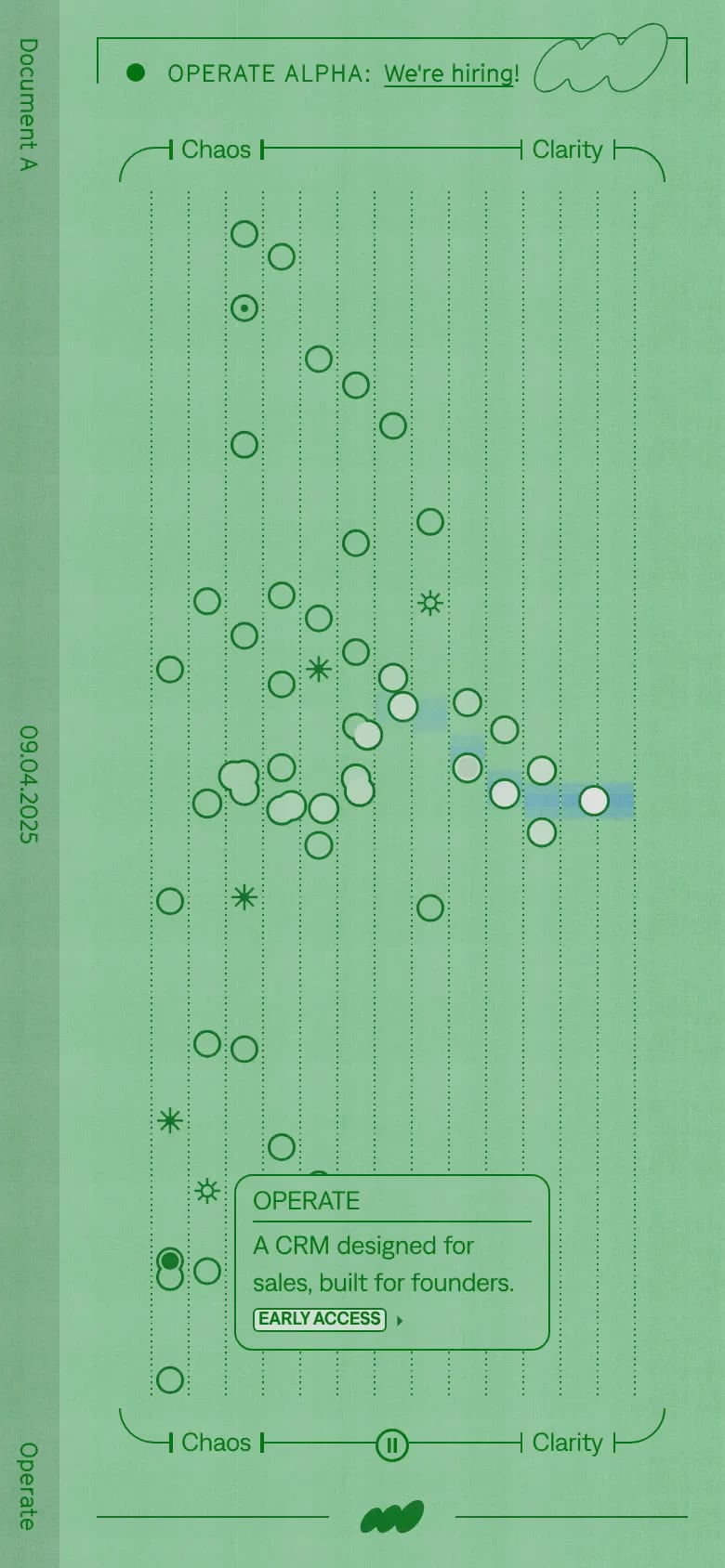
OperateOperate mobile

Operate

The hero shows text reorganising itself — jumbled, then structured. The product's argument is made in the animation before the copy starts. The figure-numbered GIF popovers on hover are the distinguishing detail — an interaction pattern that rewards exploration rather than scanning, which is rare on a landing page.
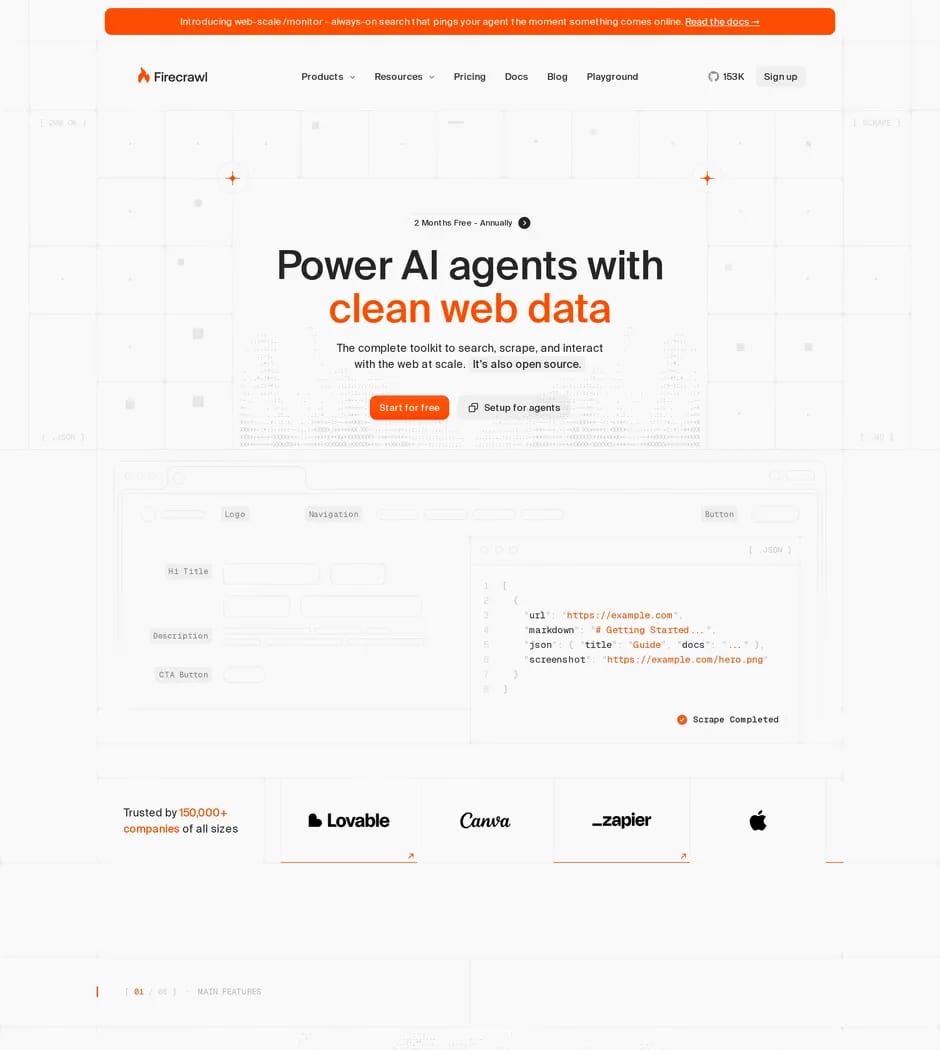
FirecrawlFirecrawl mobile

Firecrawl

The warm off-white base and burnt orange hover colour give it a quality closer to a well-made consumer product than a developer API. The corner-radius SVG decorations on content blocks are a small detail that wouldn't be there if no one cared. The generous spacing throughout makes the whole thing breathe in a way developer tools rarely do.
TarsTars mobile

Tars

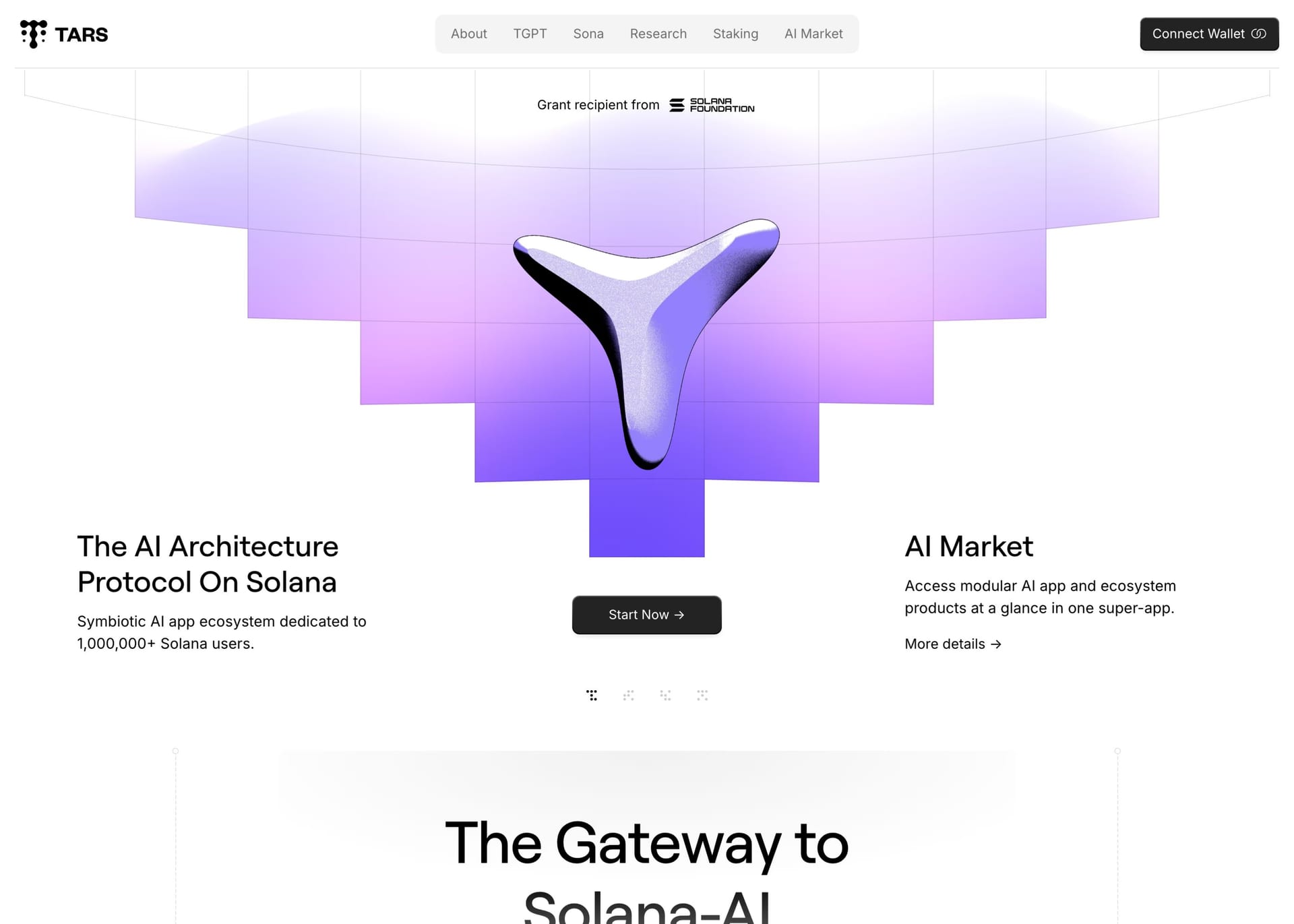
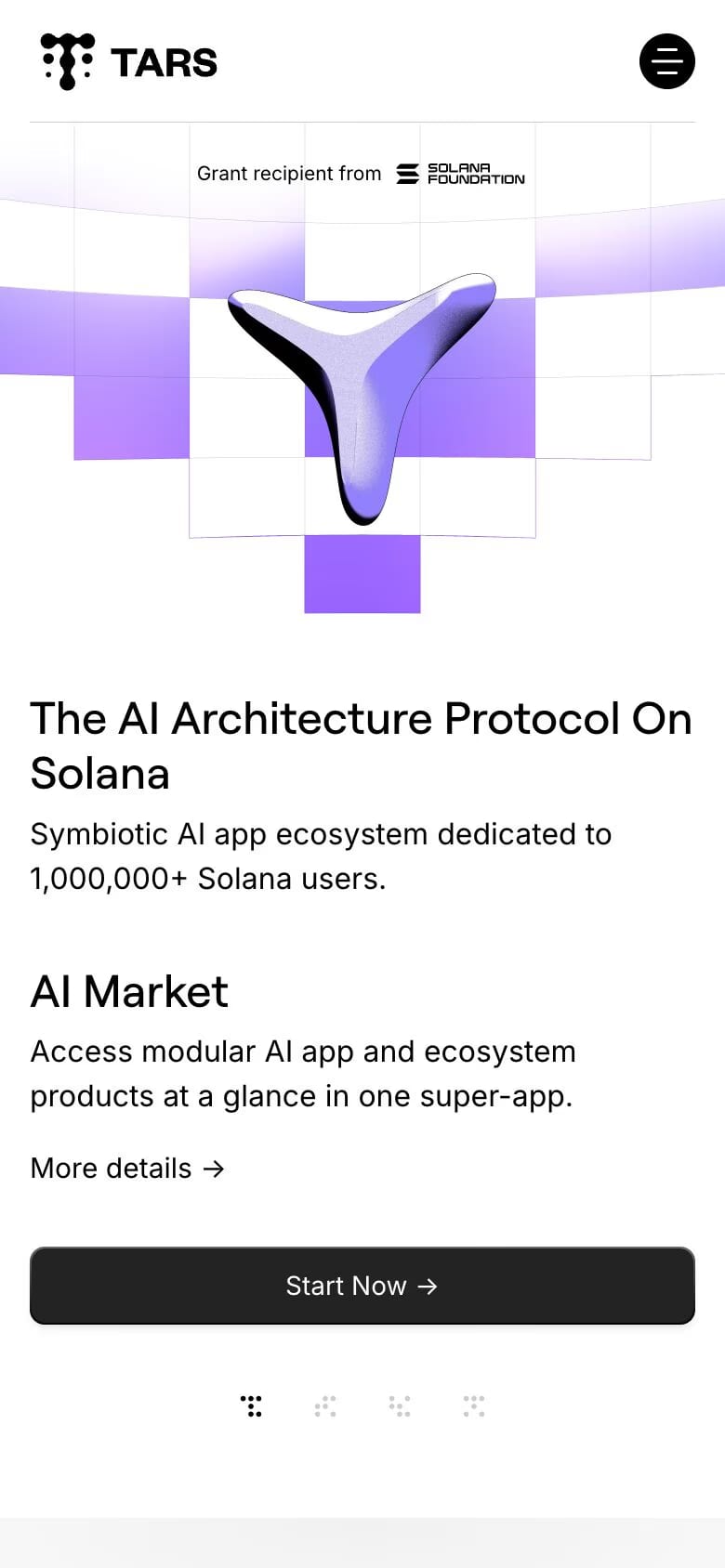
Grayscale console illustration as the hero, black type on white, no colour at all. It reads like a Bloomberg terminal or a research paper, which is the right signal for a Solana project. The total commitment is admirable. There are moments where it costs something — hover states feel flat rather than precise, and some edges feel unfinished rather than spare — but the conviction holds.
KitKit mobile

Kit

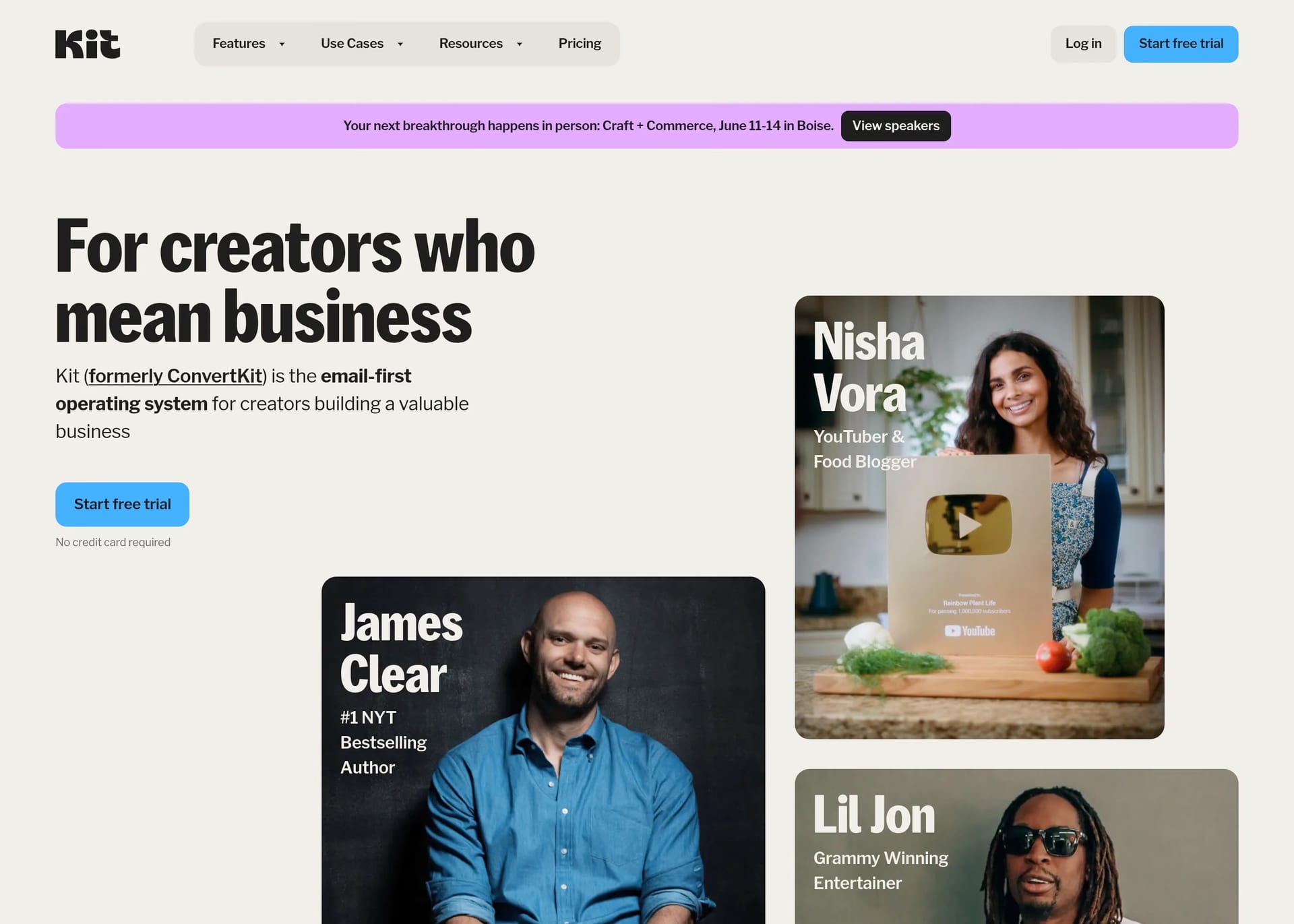
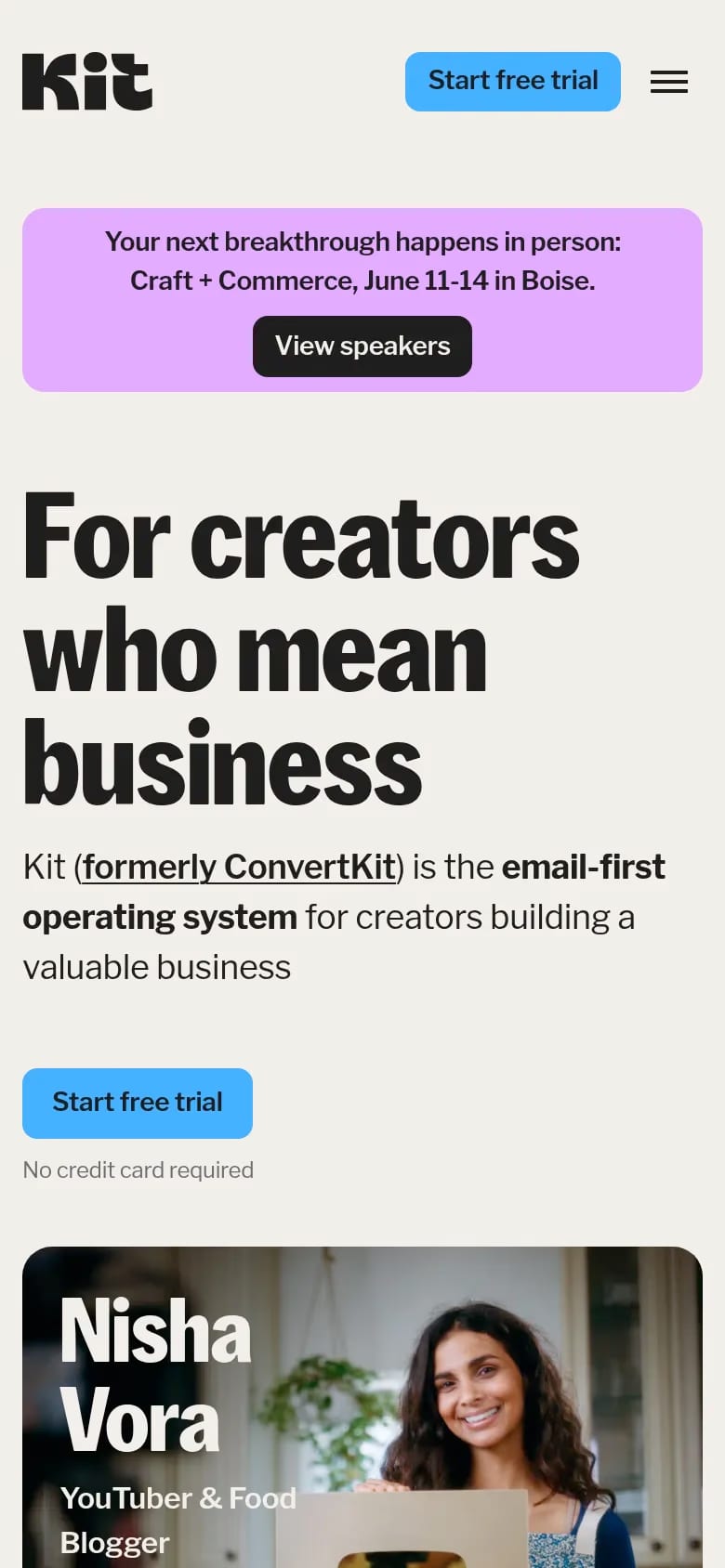
Kit Sans is a proprietary typeface built for an email marketing platform. That's a real investment, and it shows. The photography sections feel closer to a creative studio's portfolio than a marketing tool, which is what positioning yourself for serious creators actually looks like in practice.
SayBrieflySayBriefly mobile

SayBriefly

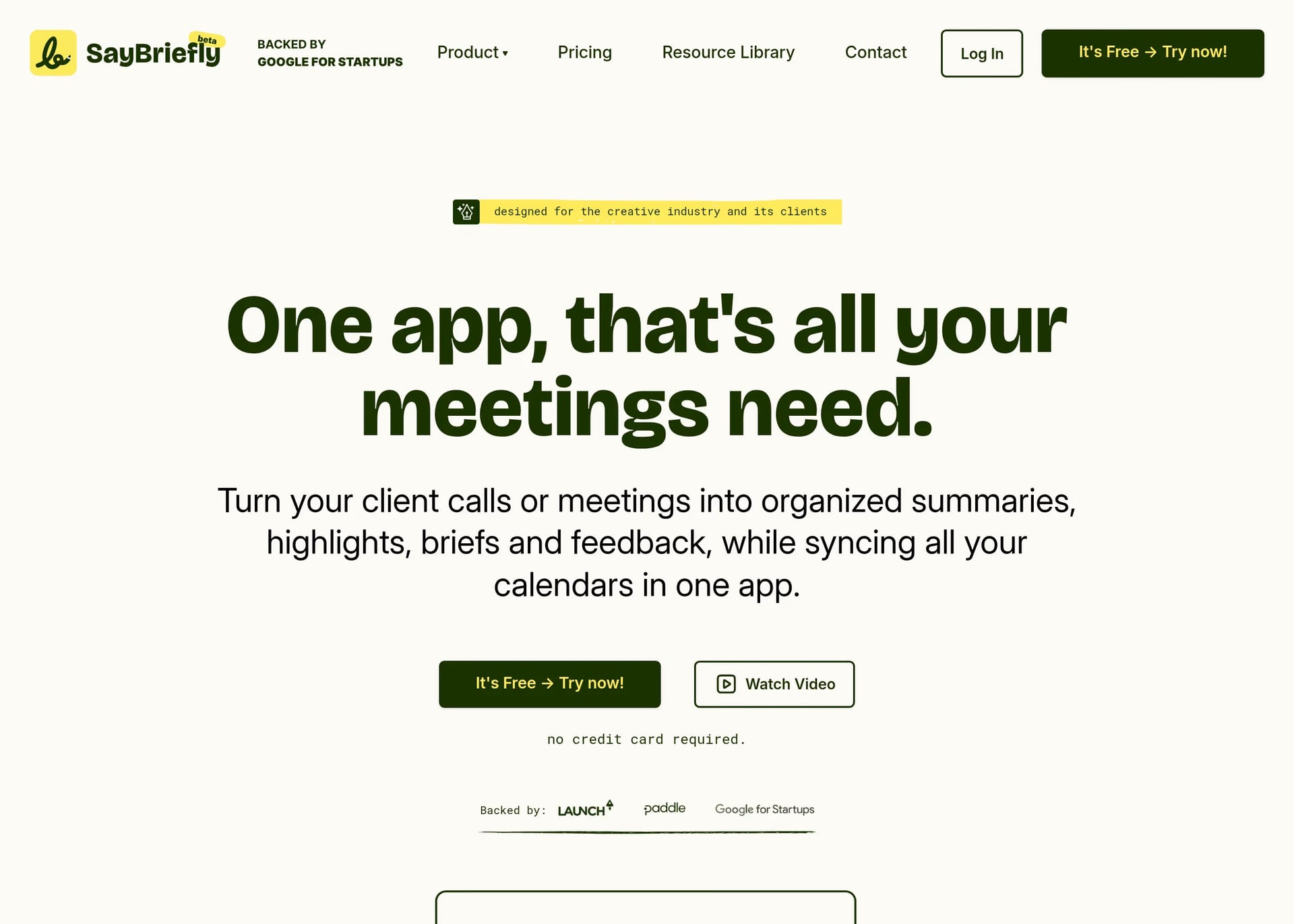
Bricolage Grotesque is one of the more characterful variable fonts available, and the letterforms have personality that registers before the words do. The hand-drawn illustrations aren't just decoration: the brand voice and the visual language match in a way that's genuinely rare.
GammaGamma mobile

Gamma

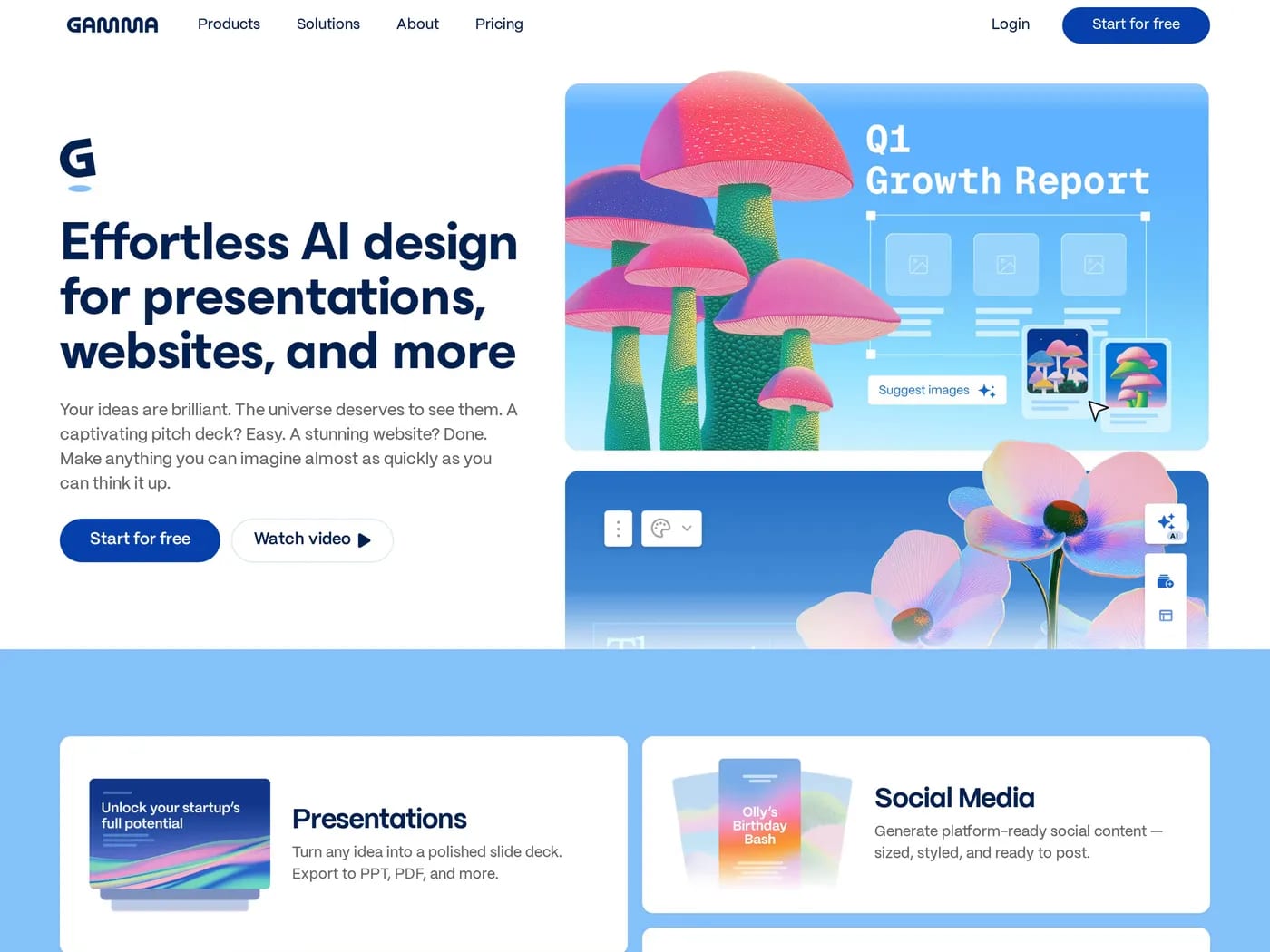
The staggered animation on load is well-paced — title appears first, then description, then buttons, each a beat apart. More like a reveal than a render. The bento grid with pink-to-purple gradient overlays implies the product was used to design the site, which for an AI design tool is quietly persuasive.
IventionsIventions mobile

Iventions

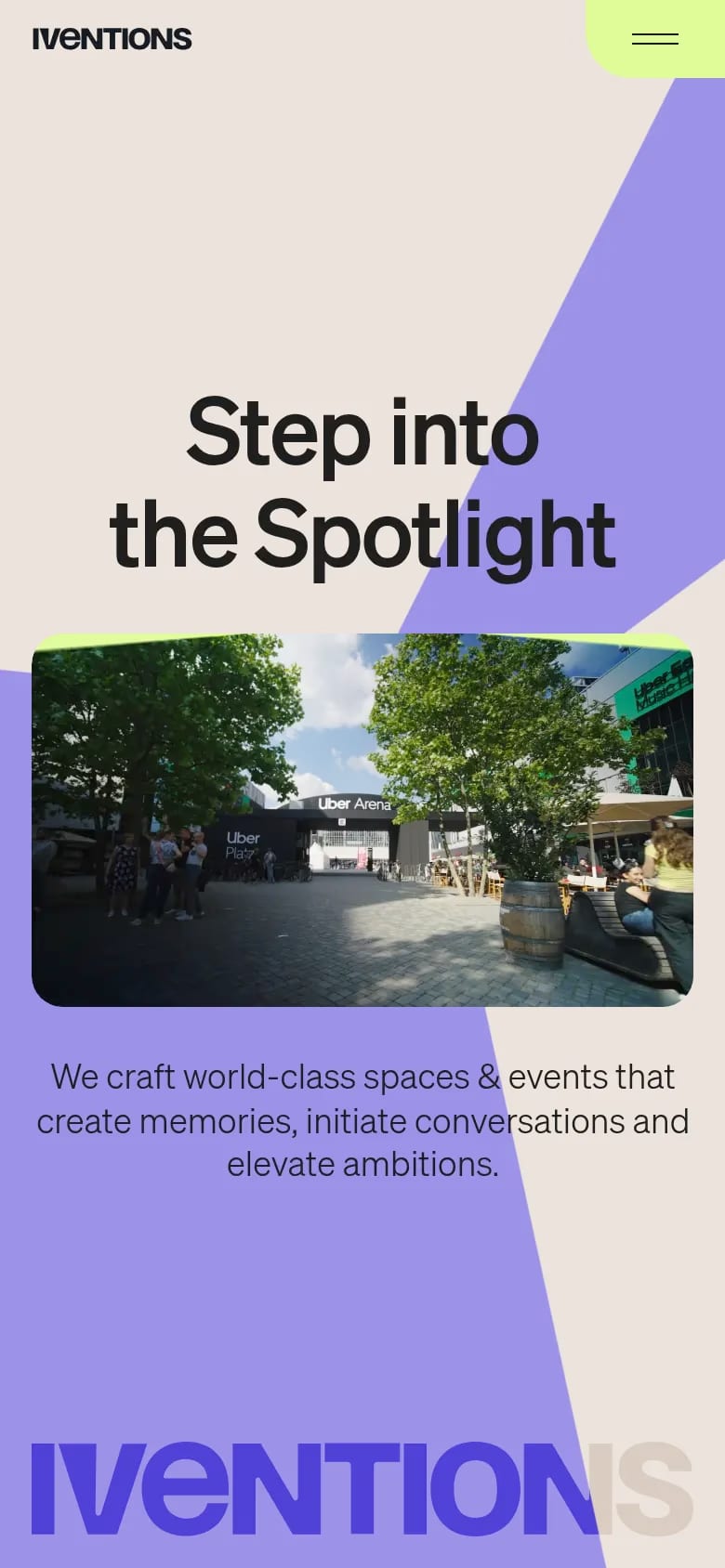
The opening headline runs nearly full-viewport height — type at that scale instead of the event photography you'd expect, which takes real commitment. Each service section shifts the background colour entirely, so the page feels like it moves through distinct environments rather than sections of a document. The clip-path animations have a cinematic quality that earns the drama.

These are eighteen picks from over 140 Next.js sites in the gallery. Browse all Next.js website examples on A1 to find more, or explore Next.js landing pages and Next.js design sites by combination.

Frequently asked questions

What are the best Next.js website designs in 2026?

Linear and Cursor set the highest bar for craft — Linear for its interactive product demos and typographic precision, Cursor for its commissioned typeface and the warmth that distinguishes it from every other developer tool. Stripe's diagonal brand system is the most distinctive identity work on any Next.js site in the gallery. Seed and Evervault are both worth studying for how they use visual language to reposition what their products are — science company that happens to sell to consumers, security company that puts the actual vulnerability in the hero.

Why do so many design-quality startups use Next.js?

The honest answer is cultural as much as technical. Next.js's performance characteristics make it easy to justify, but the deeper reason is that the best frontend engineers gravitated toward it early, and where the engineers go, the design quality follows. It also ships fast enough that a small team can prototype and refine without infrastructure overhead — which matters more than framework features when you're moving quickly.

Which Next.js websites are worth studying for typography?

Cursor for CursorGothic — a proprietary typeface commissioned for a code editor, representing a level of brand investment you don't usually see at that stage. Sequence for its editorial serif treatment on a billing tool, which does real repositioning work through typeface alone. Cofounder for Mondwest, which is geometric and slightly pixelated in a way that sets a tone before you've engaged with any of the copy. Each used typography to say something about the product rather than just presenting it.
Share post

Get the 10 best sites in your inbox weekly

1,500+ designers get inspired every Tuesday

UHF
Cluster
Ditto